Spend any amount of time observing a modern manufacturing facility, and the sheer volume of automated machinery is mind-boggling. Conveyors, robotic arms, stamping presses—they all seem to run continuously without a break. But the actual bridge between the human operator and the machine’s complex brain usually comes down to a relatively humble control panel. As a core component for human-machine interaction, membrane switches in industrial equipment have sort of become the standard for these interfaces in industrial automation. They are tough, visually customizable, and mostly sealed against the everyday messiness of factory life.
Even so, they aren’t totally invincible. When a control keypad fails right in the middle of a crucial production run, it creates a massive headache. Machines sit idle, daily targets are missed, and maintenance teams have to scramble to find a replacement part. Getting the absolute maximum lifespan out of these components is pretty crucial for keeping the floor moving.

Understanding the Wear and Tear on Membrane Switches
It is easy to assume that because something is designed specifically for industrial automation, it can survive just about anything. That is rarely the reality, though. Membrane switches generally face three major enemies on the factory floor: chemical degradation, mechanical abuse, and environmental extremes. Constant exposure to synthetic cutting oils or harsh cleaning solvents will eventually eat away at the protective graphic overlay. Then there is the physical side of things. Operators wearing heavy leather gloves might press the buttons way harder than strictly necessary, eventually flattening out the internal metal domes. It is a slow breakdown, but it definitely happens.
5 Practical Tips to Extend the Life of Membrane Switches
Tip 1: Rethink the Cleaning Routine
The instinct in most automated facilities is to grab the strongest industrial degreaser available to wipe down grimy control panels at the end of a shift. This is actually a terrible idea. Highly aggressive solvents can severely weaken the polycarbonate or polyester top layers over time, causing them to crack, peel, or fog up entirely.
Instead, relying on milder cleaning protocols makes a huge difference:
Use a simple mix of mild dish soap and warm water for daily dust and grime.
Isopropyl alcohol (usually around 70%) is great for disinfecting without melting the plastics.
Never spray liquid directly onto the panel itself; always apply it to a microfiber cloth first and then wipe.
Let’s look at how common factory chemicals interact with standard panel overlays.
| Cleaning Agent / Chemical |
Safe for Overlays?
|
Long-Term Effect on the Panel
|
|---|---|---|
|
Mild Soap & Water
|
Yes
|
None (keeps the surface clear)
|
|
70% Isopropyl Alcohol
|
Yes
|
Safe for routine sanitizing
|
|
Acetone / Brake Cleaner
|
No
|
Rapidly dissolves and clouds plastics
|
|
Heavy Bleach Solutions
|
Use with caution
|
Can cause graphic discoloration over time
|
Tip 2: Train Operators on Proper Actuation
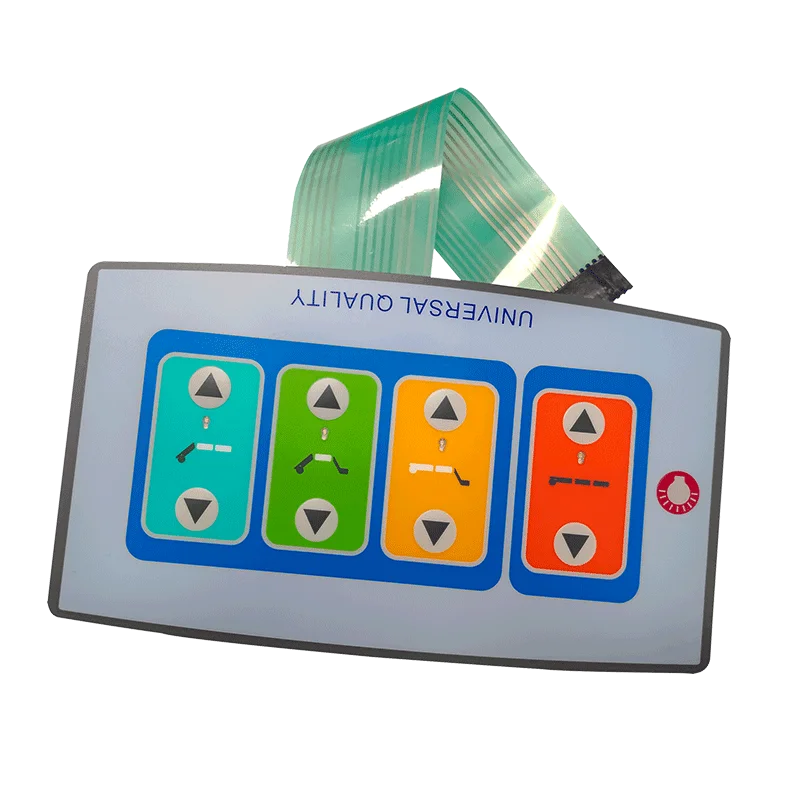
It sounds a bit silly, but how a button gets pushed really matters in the long run. In high-speed automation, operators sometimes get rushed (or frustrated) and start poking the membrane switches with the tip of a screwdriver, a pen, or the corner of a wrench. This point-loading instantly damages the tactile domes hidden inside. The switches are engineered to be activated by a human fingertip. Encouraging operators to use the flat pad of their finger, rather than poking with a sharp tool, adds years to the interface’s operational life.
Tip 3: Protect Against Extreme Environmental Factors
While membrane switches are well sealed against dust, extreme UV exposure or massive temperature swings will eventually degrade the adhesive holding the layers together. If an automated machine is stationed directly under a bright skylight or near an open loading dock door where the afternoon sun bakes it all day, the colors will fade and the plastic will become brittle. Adding a simple sun visor over the panel or repositioning the control box slightly can easily prevent this kind of environmental fatigue.
Tip 4: Nail the Initial Installation Process
A lot of premature failures actually trace back to the exact day the panel was installed. If the metal backing plate isn’t prepped correctly, the adhesive won’t bond right, leaving microscopic gaps where moisture can eventually creep in and ruin the electronics.
When applying a new panel, maintenance technicians should really follow a strict sequence to ensure longevity:
Completely strip off the old adhesive residue using an electronics-safe solvent.
Ensure the metal mounting surface is totally dry and free of floating dust.
Peel the backing off the new panel and apply it slowly from one edge to naturally push out any trapped air bubbles.
Apply even, firm pressure across the entire surface (sometimes using a soft rubber roller) to fully activate the adhesive.
H3: Tip 5: Route the Connecting Tail Carefully
Tip 5: Route the Connecting Tail Carefully
The flexible tail that connects the keypad to the logic board is surprisingly fragile compared to the rest of the assembly. When hooking up membrane switches inside the dark electrical cabinet, it is crucial not to crease or sharply fold that flat ribbon cable. A sharp bend can literally snap the printed silver circuits inside the plastic. Just letting it curve naturally toward the connector prevents a lot of mystery electrical faults down the road.
FAQ
Can a damaged overlay on a membrane switch be repaired?
Not really. Once the top layer is punctured or deeply cracked by an impact, the environmental seal is permanently compromised. Moisture, oil, and dust will quickly get inside and short out the underlying circuit. It is almost always better to just replace the entire keypad assembly before it causes a sudden machine fault.
Does the type of top material affect how long membrane switches last?
Absolutely. Polyester is generally much more durable than polycarbonate, especially in environments where harsh chemicals or constant flexing are involved. If a control panel seems to be wearing out entirely too quickly, upgrading the overlay material during the next machine redesign is a very smart move.
Are tactile or non-tactile membrane switches more durable?
Non-tactile switches (which lack the metal snap dome inside) actually have a slightly longer mechanical lifespan because there are simply fewer moving parts to wear out. However, in noisy automation settings, operators usually need the distinct physical feedback of a tactile dome to confirm their input, making tactile options the more practical choice despite a technically shorter life cycle.