Walking into a busy machining shop, the first thing that hits the senses is usually the noise, closely followed by the distinct smell of synthetic cutting fluids. In the middle of all that mechanical chaos, highly precise CNC machines are quietly executing complex codes. But right at the interaction point between the human operator and the machine is the control panel. Over the years, the way these panels are built has shifted quite a bit. It turns out that membrane switches in industrial equipment have quietly become the go-to interface for a lot of these setups. They just make sense in an environment where things get dirty fast.
The Reality of Using Membrane Switches in CNC Environments
Let’s talk about the actual shop floor for a moment. It is definitely not a cleanroom. You have metal chips flying around, coolant splashing everywhere, and operators with greasy hands pressing buttons to stop or start a spindle. Traditional mechanical buttons often fail here because stuff inevitably gets stuck in the microscopic crevices around the moving parts. Membrane switches, on the other hand, are pretty much fully sealed from the outside world.
When looking at the sheer durability of membrane switches, the continuous top overlay material is what actually saves the day. It basically forms a protective wall against the elements. A typical CNC setup faces several constant hazards, including:
Corrosive cutting fluids and heavy synthetic lubricants
Microscopic metal dust (which shorts out bare electronics surprisingly fast)
Constant, sometimes heavy-handed impacts from busy operators
Temperature shifts during long, overnight production runs
Feedback and the Operator Experience
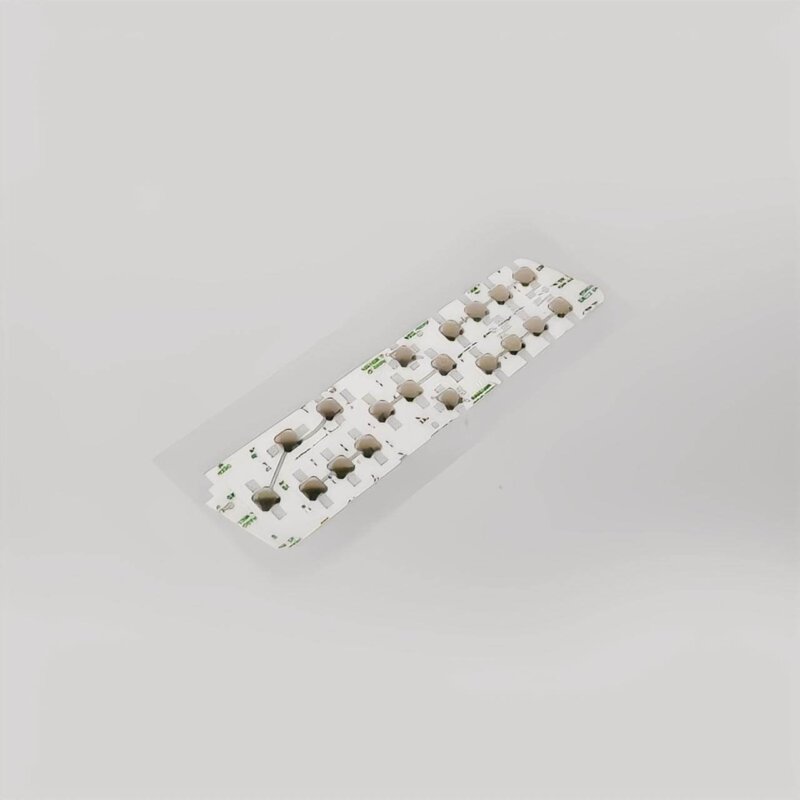
Sometimes people worry that a flat surface means you can’t tell if you’ve actually pressed the button. However, the inclusion of metal domes inside the layers gives a really distinct “snap” when actuated. It provides a solid, tactile click. So even with thick safety gloves on—which happens more often than not—an operator knows for sure the machine registered the command.
Comparing Membrane Switches to Older Control Methods
It is genuinely interesting to look at older CNC cabinets compared to modern ones. The legacy panels were massive, mostly because mechanical switches take up a lot of physical depth behind the plate.
| Feature | Membrane Switches | Traditional Push Buttons | Touchscreens |
|---|---|---|---|
| Fluid Resistance | Excellent (sealed surface) | Poor to Moderate | Good |
| Space Required | Minimal (very flat) | High (deep housing needed) | Minimal |
| Tactile Feedback | Yes (via metal domes) | Yes | No (requires haptics) |
| Cost at Scale | Very Economical | Moderate | Expensive |
The Design Flexibility Factor
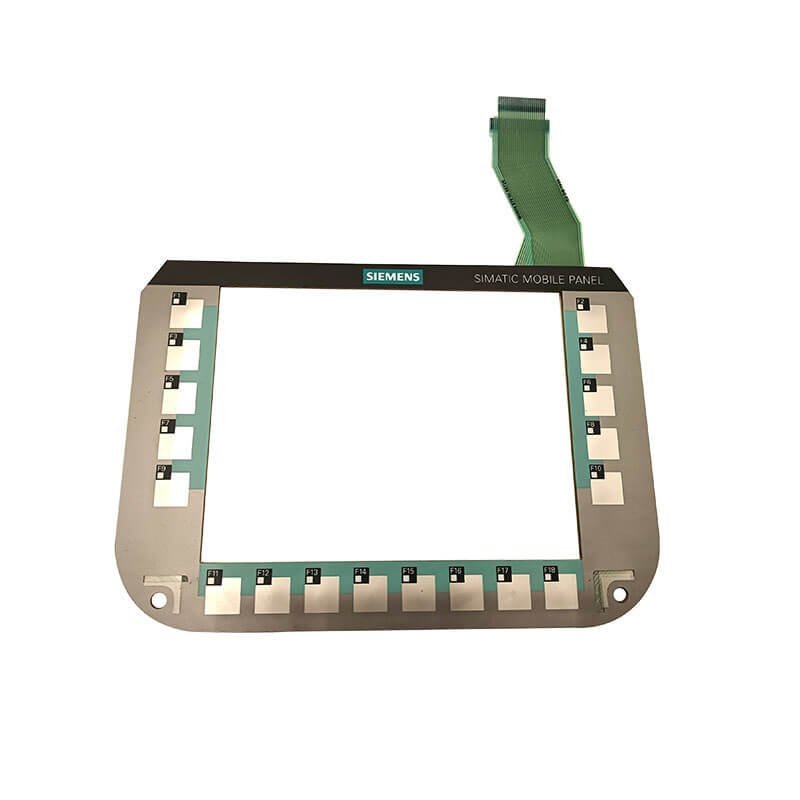
Because membrane switches are essentially printed silver circuits and layered plastics, designing a custom layout is incredibly straightforward. If a specific CNC machine control panel needs a weird shape to fit around an emergency stop button or a manual jog dial, it is mostly just a matter of changing the graphic overlay and routing the circuit differently. There is no need to drill dozens of new holes in thick steel plates to accommodate different machine models.
How Membrane Switches Improve Daily CNC Machine Control Panels
Beyond just surviving the mess of a machine shop, the internal integration process itself is rather simple. Most of the time, the switch assembly terminates in a flexible ribbon tail that just plugs right into the main controller board.
When it comes to keeping these machines running day after day, maintenance is an often overlooked factor. If a standard hard-wired button breaks, replacing it involves tracing wires, soldering, and frustrating downtime. If an overlay panel using membrane switches gets damaged—maybe someone hit it with a heavy wrench by accident—the fix is fast and doesn’t require an electrician.
Here is a typical replacement sequence observed in industrial maintenance bays:
Power down the machine and unplug the flex tail from the logic board.
Peel the old adhesive-backed switch panel completely off the metal housing.
Clean the bare surface (usually with a mild industrial solvent to remove any leftover glue).
Stick the new panel on, smooth it out, and plug the tail back in.
The machine is back to cutting metal in about twenty minutes, which keeps production managers happy.
FAQ
Are membrane switches resistant to industrial solvents?
Mostly, yes. The top graphic layer is usually manufactured from specialized polyester or polycarbonate. Polyester, in particular, is extremely good at resisting the harsh chemicals, coolant, and oils typically found splashing near CNC machine control panels.
How long do membrane switches actually last?
A well-made switch utilizing metal tactile domes is generally rated for about one million to five million actuations. In practical, real-world terms, even on a heavily used CNC interface, that translates to years of reliable service before the materials begin to wear out.
Can they incorporate lighting directly into the panel?
Absolutely. It is quite common to embed low-profile LEDs directly into the internal layers of membrane switches. This allows specific buttons or areas to light up independently, giving the operator an immediate visual cue that a spindle is active or a feed rate is locked in.