
Understanding the Dome Switch and How It Works
A dome switch is a type of momentary contact switch commonly found in everyday electronics. From TV remotes to microwave panels, these switches are everywhere—though most people never think twice about them.
The basic mechanism is pretty straightforward. A small dome, usually made from metal or rubber, sits over a contact point on a circuit board. When pressure is applied, the dome collapses and makes contact with the underlying circuit. Release the pressure, and the dome pops back to its original shape. That’s the click or tactile bump users feel.
What makes this design popular? Well, it’s reliable, inexpensive to manufacture, and provides decent tactile feedback. The dome switch has been around for decades, and there’s a reason manufacturers keep coming back to it.
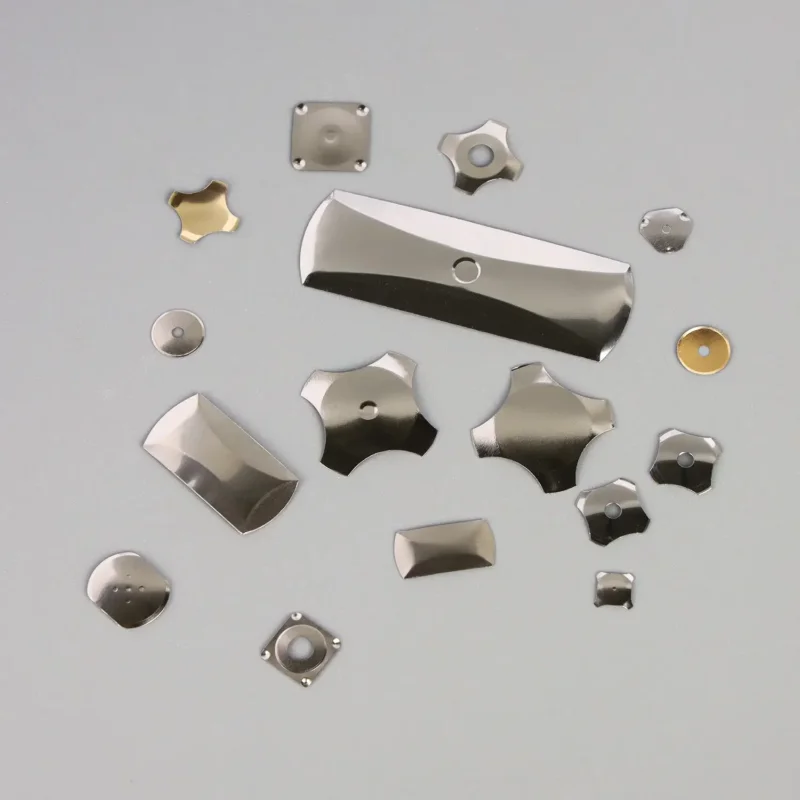
Types of Dome Switch Designs
Not all dome switches are created equal. Depending on the application, different materials and configurations come into play.
Metal Dome Switches
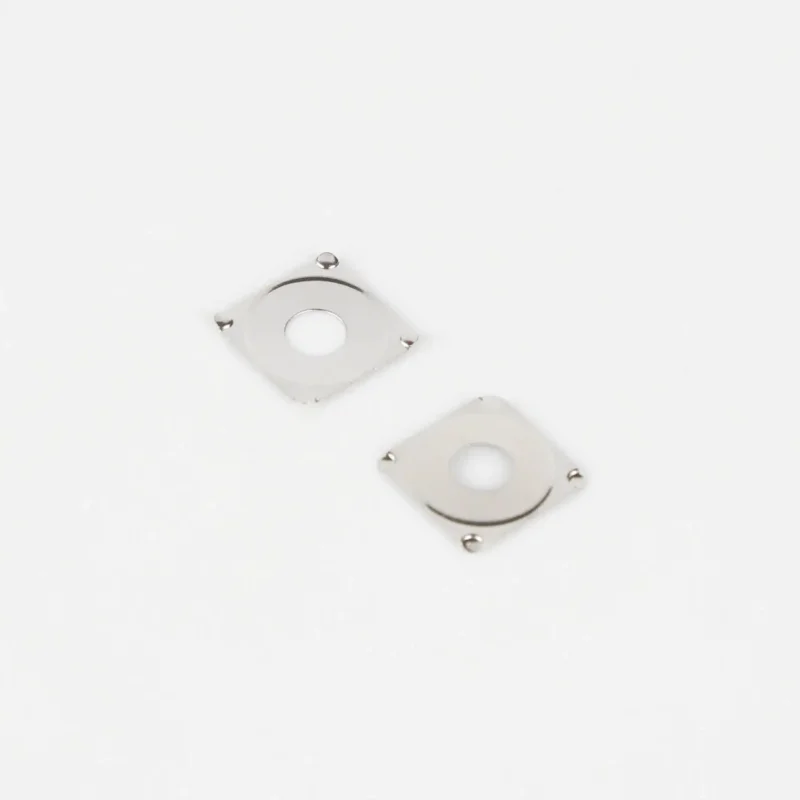
These use a thin, precisely formed metal disc—typically stainless steel. Metal dome switches offer a crisp, snappy feel that many users prefer. The tactile response is sharper compared to rubber alternatives. Shapes vary depending on the application, with the square metal dome switch being particularly common in compact keypad layouts where space efficiency matters.
Common applications include:
- Keyboards and keypads
- Remote controls
- Medical equipment interfaces
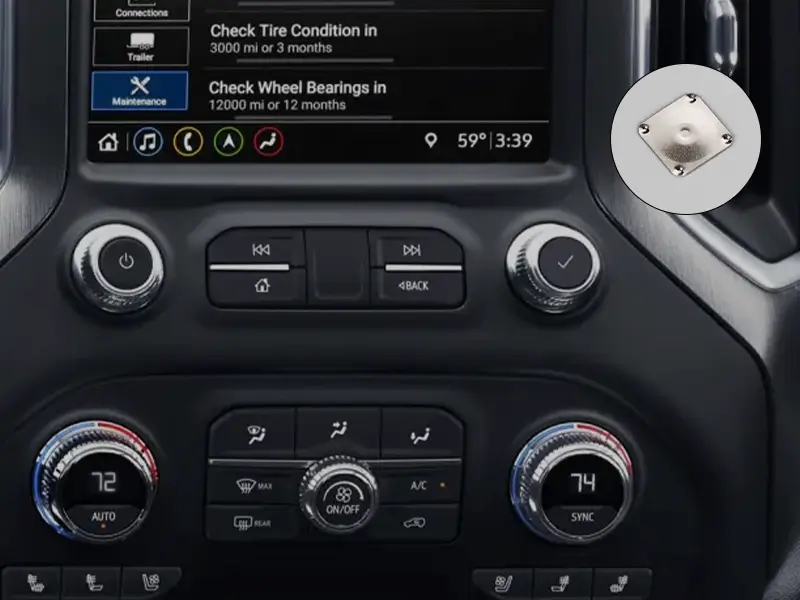
- Automotive dashboard controls
The square metal dome switch design fits neatly into grid-based layouts, which explains its popularity in calculator-style keypads and industrial control panels. Round domes work fine too, but square configurations often allow tighter button spacing without sacrificing tactile quality.
Rubber Dome Switches
Rubber domes, sometimes called silicone domes, provide a softer feel. The tactile feedback is mushier (some people like it, others don’t). They’re quieter than metal versions and often cheaper to produce.
You’ll find rubber dome switches in:
- Budget keyboards
- Game controllers
- Consumer electronics
- Calculator keypads
Poly Dome Switches
Poly domes are made from polyester film and sit somewhere between metal and rubber in terms of feel. They’re thinner, which helps in space-constrained designs. Some engineers prefer them for membrane keypad applications where overall thickness matters.
Key Components of a Dome Switch Assembly
Understanding what goes into a dome switch assembly helps clarify why these things work so well—and where they might fail.
| Component | Material Options | Function |
|---|---|---|
| Dome | Metal, rubber, polyester | Provides tactile feedback and makes contact |
| Spacer layer | Adhesive film, plastic | Maintains proper dome height and alignment |
| Circuit layer | Flexible PCB, rigid PCB | Contains electrical traces and contact points |
| Overlay | Polyester, polycarbonate | Protects components and displays graphics |
| Backing | Adhesive, rigid plate | Mounts assembly to device housing |
The dome itself gets most of the attention, but honestly, the spacer layer is where a lot of problems occur. If spacing is off even slightly, the tactile feel suffers or the switch might not actuate properly.
Where Dome Switch Technology Gets Used
The versatility of the dome switch explains its widespread adoption. Some applications are obvious; others might surprise you.
Industrial control panels rely heavily on these switches because they handle repeated use without wearing out quickly. Same goes for point-of-sale terminals—think about how many times a cashier presses those buttons daily.
Medical devices favor dome switches for their sealed construction. When properly designed, the membrane overlay keeps out moisture, dust, and contaminants. That’s critical in clinical environments.
Automotive applications are another big area. Dashboard controls, steering wheel buttons, seat adjustment panels… all commonly using some variation of dome switch technology. The switches need to handle temperature extremes and vibration, which metal domes manage reasonably well.
Consumer electronics remain the largest market though. Almost every remote control uses rubber dome switches. They’re quiet, cheap, and “good enough” for occasional button presses.
Advantages and Limitations Worth Knowing
No technology is perfect, and the dome switch has its share of trade-offs.
Advantages include:
- Low manufacturing cost at scale
- Good tactile feedback (especially metal domes)
- Thin profile suitable for compact devices
- Reliable performance over millions of cycles
- Easy to seal against environmental factors
Limitations to consider:
- Tactile feel degrades over time with heavy use
- Less precise than mechanical switches for gaming or typing enthusiasts
- Metal domes can develop “dead spots” if bent improperly during assembly
- Rubber domes tend toward mushy feedback that some users dislike
For most applications, these limitations aren’t deal-breakers. But premium keyboards and high-end input devices often move toward mechanical switches for a reason. The dome switch occupies a practical middle ground—not the best, not the worst, just consistently adequate.
Selecting the Right Dome Switch for Your Application
Choosing between different dome switch options involves weighing several factors. Operating force is one consideration—how hard does someone need to press? Metal domes typically range from 150g to 350g actuation force, while rubber domes can go lower.
Expected lifespan matters too. A TV remote might see 50,000 presses over its lifetime. An industrial keypad? Possibly millions. Metal dome switches generally offer better longevity for high-cycle applications.
Environmental conditions shouldn’t be ignored either. Temperature range, moisture exposure, and contamination risks all influence material selection. Some dome switch designs handle harsh conditions better than others.
Final Thoughts on Dome Switch
The dome switch remains a workhorse in electronics design. It’s not glamorous or exciting, but it gets the job done across countless applications. Understanding how these switches work—and where they excel or fall short—helps in making better design decisions or simply appreciating the engineering behind everyday devices.
Whether metal, rubber, or poly, the humble dome switch continues earning its place in modern electronics. Probably will for years to come.
Frequently Asked Questions
How long does a dome switch typically last?
Most dome switches are rated for somewhere between 1 million and 5 million actuations. Metal domes tend toward the higher end of that range. Real-world lifespan depends on operating conditions, actuation force, and manufacturing quality though. Cheap switches from unknown suppliers might fail much sooner.
Can dome switches be repaired if they stop working?
Sometimes. If a dome switch fails due to contamination or a bent dome, cleaning or replacing the dome sheet might restore function. However, if the circuit traces are damaged or the dome material has fatigued, replacement is usually more practical than repair. Many consumer devices aren’t designed for dome switch replacement anyway.
What causes that "mushy" feeling in older keyboards?
That mushy sensation usually comes from rubber dome degradation. Over time, the silicone loses elasticity and doesn’t snap back as crisply. Accumulated dirt under the domes can also dampen the tactile response. Metal dome switches resist this mushiness better, which is partly why they’re preferred in professional-grade equipment.