Varför livsviktiga enheter är beroende av tekniken med metallkupolbrytare
När en enhet står mellan en patient och ett medicinskt resultat spelar varje enskild komponent roll. Det gäller inte bara processorn eller skärmen – även brytaren under knappen är viktig. Den där lilla biten av stansat rostfritt stål, den kupolbrytare i metall, spelar en överraskande stor roll för om en enhet fungerar när det verkligen krävs.
Tänk på en defibrillator. Eller en infusionspump som går hela natten. Det här är inte prylar där en slapp knapp eller en missad inmatning bara är irriterande. Ett fel i funktionen kan i det sammanhanget innebära en fördröjd reaktion och, i värsta fall, allvarlig skada. Det är den typen av påfrestningar som dessa omkopplare utsätts för – ibland bokstavligen.
Vad gör en metallkupolbrytare lämplig för kritiska tillämpningar?
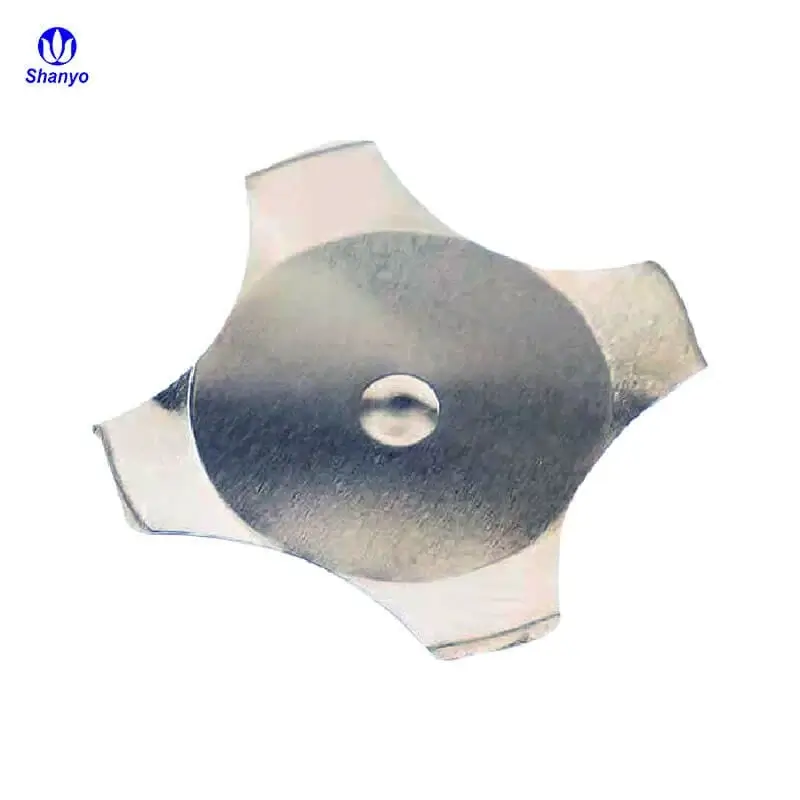
En metallkupolbrytare är i grunden en liten konvex skiva – oftast tillverkad av rostfritt stål – som sitter över en kontaktpunkt på ett kretskort. När man trycker på den trycks den in med ett tydligt klick, vilket sluter strömkretsen. När man släpper den fjäderar den tillbaka. Konceptet är enkelt, men det är tekniken bakom det konsekventa klicket som skiljer den från andra omkopplingslösningar.
Taktil återkoppling som bekräftar varje inmatning
En sak som verkligen utmärker dessa brytare är den taktila återkopplingen. Det hörs ett tydligt, fysiskt klick som bekräftar för användaren att inmatningen har registrerats. I miljöer som operationssalar eller akutsjukvård är den bekräftelsen ingen lyx. Det är en nödvändighet. Operatörer som bär handskar, arbetar under stress eller hanterar flera uppgifter samtidigt behöver den återkopplingen för att kunna känna sig trygga i sina handlingar.
Mekanisk livslängd vid upprepad användning
De flesta högkvalitativa metallkupolbrytare är konstruerade för över en miljon aktiveringar. Vissa klarar betydligt fler än så. För enheter som används dagligen – patientmonitorer, ventilatorreglage, diagnostisk utrustning – är den typen av livslängd ett måste. Kupolens återfjädring förblir konstant under hela dess livslängd, vilket innebär att känslan av knappen på dag ett är mer eller mindre densamma på dag tiotusen.
Viktiga prestandafaktorer för metallkupolbrytare i medicintekniska produkter
Det finns flera egenskaper som gör dessa komponenter till ett självklart val för ingenjörer som konstruerar livsviktiga system. Här följer en översikt:
| Prestandafaktor | Varför det är viktigt i kritiska system |
|---|---|
Jämnhet i manövreringskraften | Förhindrar oavsiktliga tryckningar och säkerställer avsiktlig inmatning |
Livslängd (över 1 miljon aktiveringar) | Garanterar en lång livslängd för enheten utan att prestandan försämras |
Driftstemperaturområde | Fungerar pålitligt i olika kliniska miljöer |
Korrosionsbeständighet | Tål upprepade rengörings- och steriliseringsprocedurer |
Lågt kontaktmotstånd | Säkerställer signalintegriteten över tid |
Sterilisering och miljömässig motståndskraft
Medicinsk utrustning torkas av, desinficeras med spray och autoklaveras ibland. Konstruktionen i rostfritt stål hos en metallkupolbrytare inom medicinsk utrustning Materialet tål vanliga desinfektionsmedel av sjukhuskvalitet väl. Denna kemiska beständighet, i kombination med möjligheten att försegla kupolmatrisen under ett lager av polyester eller polyimid, ger konstruktörerna ett sätt att skydda switchens gränssnitt utan att kompromissa med responsen.

Hur integrering av metallkupolbrytare fungerar i produktdesign
Att integrera dessa omkopplare i en produkt sker vanligtvis i följande steg:
Ingenjören fastställer den nödvändiga manövreringskraften och rörelsevägen utifrån användningsområdet.
En kupolmatris konstrueras – ofta i form av en platta med flera kupoler som är placerade så att de stämmer överens med kretskortets layout.
Matrisen lamineras med ett självhäftande distansstycke och placeras över kretskortet.
Testningen omfattar kontroll av taktil känsla, elektrisk ledningsförmåga och hållbarhet under simulerade användningsförhållanden.
Det är en relativt enkel monteringsprocess, vilket är en del av charmen. Färre delar, färre ställen där något kan gå sönder.
Vanliga konfigurationer
Beroende på användningsområdet finns metallkupolbrytare i olika former och storlekar:
Fyrbenskupoler för högre manövreringskraft och stabilitet
Trebenskupoler för applikationer som kräver lättare tryck
Runda kupoler för kompakta utformningar
Avlånga kupoler för riktad inmatning eller större kontaktytor
Varje inställning påverkar känslan och kraftförloppet, vilket gör att valet är mer nyanserat än det kan verka vid en första anblick.
VANLIGA FRÅGOR
Är metallkupolbrytare tillräckligt säkra för användning i livsuppehållande utrustning?
Ja. När de specificeras och integreras på rätt sätt uppfyller metallkupolbrytare de tillförlitlighetskrav som ställs på livsuppehållande och livsviktig medicinsk utrustning. Deras jämna aktiveringskraft och långa livslängd gör dem väl lämpade för dessa tillämpningar, även om den totala enheten fortfarande måste uppfylla relevanta normer såsom IEC 60601.
Hur länge håller en metallkupolbrytare vanligtvis?
De flesta är konstruerade för minst en miljon cykler, och vissa högkvalitativa varianter klarar över fem miljoner. Den faktiska livslängden beror på faktorer som aktiveringskraft, driftsmiljö och hur väl brytaren skyddas mot föroreningar.
Kan metallkupolbrytare anpassas för specifika medicintekniska produkter?
Absolut. Tillverkarna anpassar rutinmässigt kupolens form, storlek, belastningskapacitet och uppställningsmönster för att uppfylla en enhets exakta krav. Det finns även anpassade limskikt och tätningsalternativ för att tillgodose krav gällande miljöförhållanden eller sterilisering.