Почему критически важные устройства зависят от технологии металлических купольных переключателей
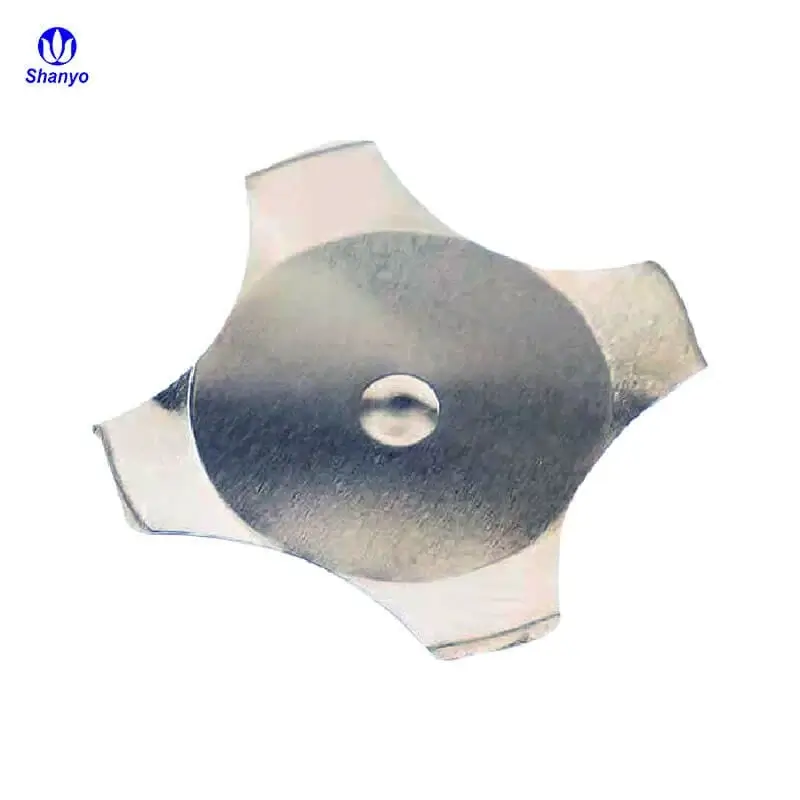
Когда устройство стоит между пациентом и результатом лечения, важен каждый компонент. Не только процессор или дисплей - переключатель под кнопкой тоже имеет значение. Этот крошечный кусочек штампованной нержавеющей стали металлический купольный переключатель, Это играет удивительно большую роль в том, будет ли устройство работать, когда это абсолютно необходимо.
Подумайте о дефибрилляторе. Или инфузионный насос, работающий всю ночь. Это не те гаджеты, где нажатие на кнопку или пропуск ввода просто раздражает. Неудачное срабатывание в таком контексте может означать задержку реакции, а в худшем случае - реальный вред. Именно под таким давлением работают эти переключатели, иногда в буквальном смысле.
Что делает металлический купольный переключатель подходящим для критически важных приложений
Металлический купольный переключатель по своей сути представляет собой небольшой выпуклый диск - обычно из нержавеющей стали, - который располагается над контактной площадкой на печатной плате. При нажатии он разрушается с отчетливым щелчком, завершая цепь. При отпускании он возвращается обратно. Концепция достаточно проста, но инженерные решения, лежащие в основе этого равномерного щелчка, отличают его от других коммутационных решений.
Тактильная обратная связь, подтверждающая каждый ввод
Одна вещь, которая выделяет эти переключатели, - это тактильный отклик. Четкий физический щелчок сообщает оператору о том, что вход зарегистрирован. В таких условиях, как операционные залы или места экстренного реагирования, такое подтверждение не является роскошью. Это необходимость. Операторы в перчатках, работающие в стрессовых ситуациях или выполняющие несколько задач одновременно, нуждаются в такой обратной связи, чтобы оставаться уверенными в своих действиях.
Механическая долговечность при многократном использовании
Большинство качественных металлических купольных переключателей рассчитаны более чем на миллион срабатываний. Некоторые из них работают гораздо дольше. Для устройств, которые используются ежедневно - мониторов пациента, устройств управления аппаратами искусственной вентиляции легких, диагностического оборудования - такой срок службы не является обязательным. Возвратная сила купола остается неизменной на протяжении всего срока службы, а это значит, что ощущение от нажатия кнопки в первый день будет примерно таким же и на десять тысяч дней.
Ключевые факторы эффективности металлических купольных переключателей в медицинских приборах
Есть несколько характеристик, которые делают эти компоненты лучшим выбором для инженеров, разрабатывающих критически важные для жизни системы. Вот их перечень:
| Коэффициент производительности | Почему это важно для критических устройств |
|---|---|
Постоянство усилия срабатывания | Предотвращает случайные нажатия и обеспечивает обдуманный ввод |
Срок службы (более 1 млн. срабатываний) | Обеспечивает длительный срок службы устройства без ухудшения характеристик |
Диапазон рабочих температур | Надежно работает в различных клинических условиях |
Устойчивость к коррозии | Выдерживает многократные протоколы очистки и стерилизации |
Низкое контактное сопротивление | Сохранение целостности сигнала в течение длительного времени |
Стерилизация и устойчивость к воздействию окружающей среды
Медицинские приборы протирают, опрыскивают, а иногда и автоклавируют. Конструкция из нержавеющей стали металлический купольный переключатель в медицине Параметры хорошо противостоят обычным дезинфицирующим средствам больничного класса. Такая химическая стойкость в сочетании с возможностью герметизации купольной матрицы под слоем полиэстера или полиимида дает разработчикам возможность защитить интерфейс коммутатора без ущерба для отзывчивости.
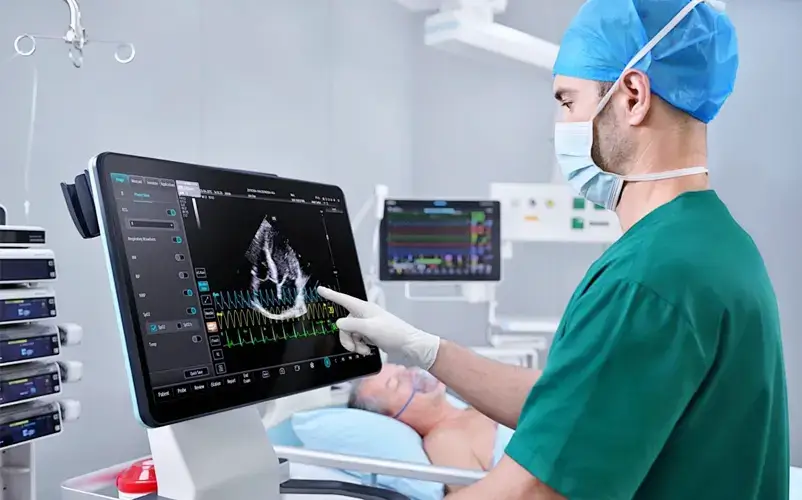
Интеграция металлических купольных переключателей в конструкцию устройства
Интеграция этих переключателей в продукт обычно происходит в несколько этапов:
Инженер определяет требуемое усилие срабатывания и расстояние перемещения в зависимости от конкретного случая использования.
Проектируется массив куполов - часто в виде листа из нескольких куполов, расположенных в соответствии с разводкой печатной платы.
Массив ламинируется с помощью клейкой прокладки и помещается на печатную плату.
Испытания подтверждают тактильные ощущения, электрическую целостность и долговечность в смоделированных условиях эксплуатации.
Это относительно простой процесс сборки, что является частью привлекательности. Меньше деталей, меньше точек отказа.
Общие конфигурации
В зависимости от сферы применения металлические купольные переключатели бывают разных форм и размеров:
Купола с четырьмя ножками для большей силы срабатывания и устойчивости
Купола с тремя ножками для более легкого прикосновения
Круглые купола для компактных планировок
Продолговатые купола для направленного ввода или больших площадей контакта
Каждая конфигурация меняет ощущения и профиль силы, поэтому процесс выбора более тонкий, чем может показаться со стороны.
ЧАСТО ЗАДАВАЕМЫЕ ВОПРОСЫ
Достаточно ли безопасны металлические купольные переключатели для использования в оборудовании жизнеобеспечения?
Да. При правильной настройке и интеграции металлические купольные переключатели соответствуют порогам надежности, необходимым для жизнеобеспечения и критически важных медицинских устройств. Постоянное усилие срабатывания и длительный срок службы делают их хорошо подходящими для таких применений, хотя все устройство в целом должно соответствовать соответствующим нормативным стандартам, таким как IEC 60601.
Как долго обычно служат металлические купольные выключатели?
Большинство из них рассчитаны не менее чем на миллион циклов, а некоторые высококачественные варианты - более чем на пять миллионов. Фактический срок службы зависит от таких факторов, как сила срабатывания, условия эксплуатации и степень защиты переключателя от загрязнений.
Могут ли металлические купольные переключатели быть адаптированы для конкретных медицинских устройств?
Безусловно. Производители регулярно изменяют форму купола, его размер, номинальное усилие и расположение массива, чтобы точно соответствовать требованиям устройства. Также возможен заказ клеевых слоев и вариантов уплотнения для решения задач по защите окружающей среды или стерилизации.