

メタルドームメーカー
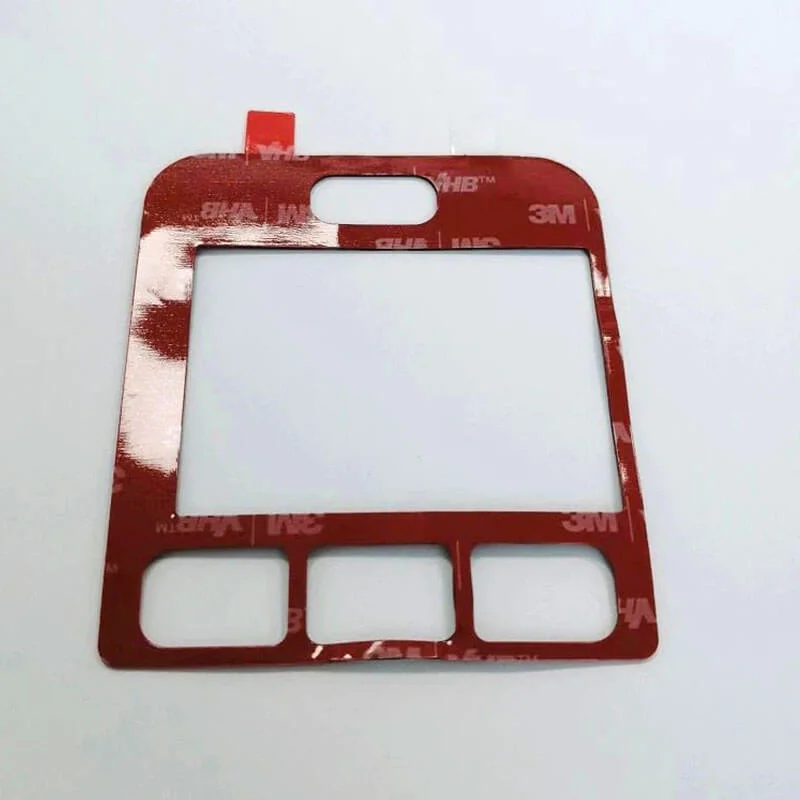
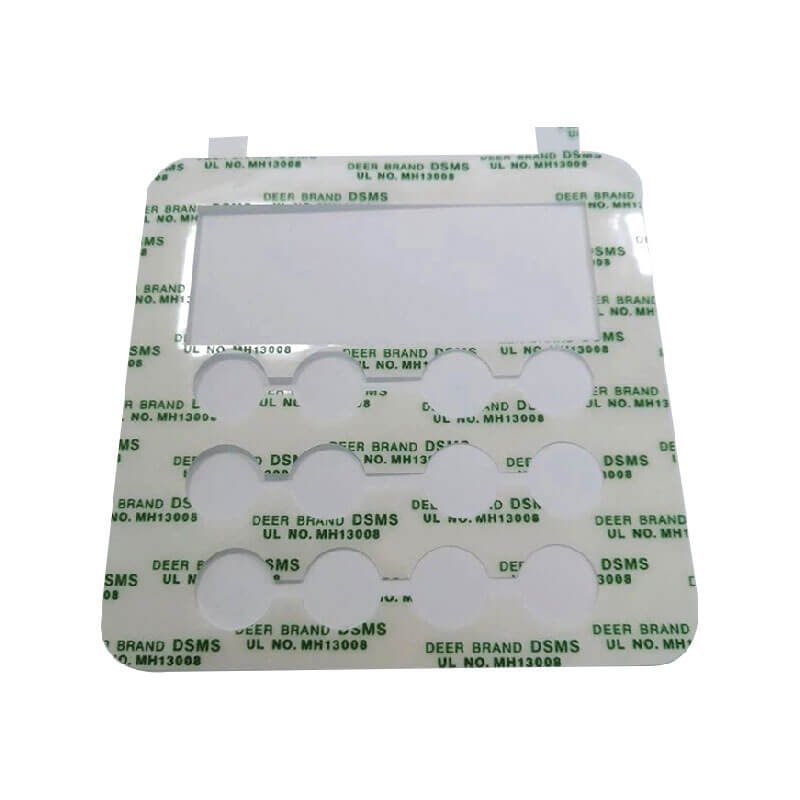
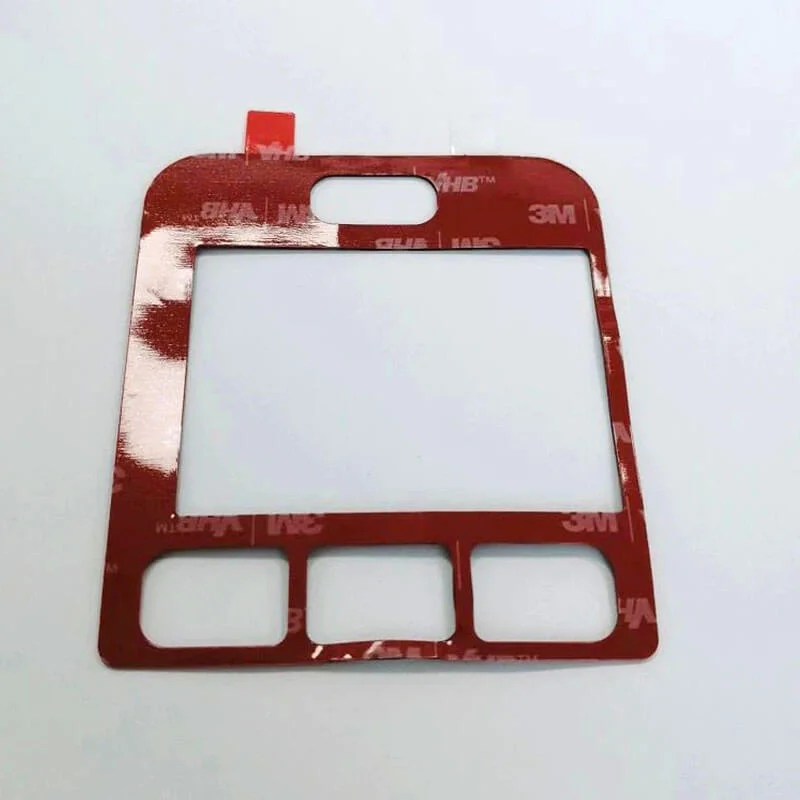
Shanyo can produce unlimited quantities of die cuts to fit any design. The result is adhensive tape die cut in shapes and sizes that are unique to your specific application. If you can imagine it, we can create the adhensive tape die cut you’re happy with. Die cut adhensive tapes help our customers optimize their die-cutting process by reducing time, eliminating waste, and saving costs. They create a secure physical seal between components. This makes die cut adhensive tape extremely versatile across all major markets and can solve die cutting challenges in a variety of industries. From double-sided tape to transfer tape, most of our products can be die-cut and converted to meet your specific needs. Please refer to the blog What are the processes for die cut products?
Adhesive Tape Die Cut Applications
There are many exciting technological advancements in pressure-sensitive adhesive (PSA) tape. This creates new and unique opportunities to address an increasing number of everyday die-cut design applications. PSA tape can provide removable convenience or structural bonding. Die cut tape is used for many parts.
Die cut adaptability means they are found in computers, computer accessories, electronics, automotive, aerospace, displays, furniture, appliances, toys, orthopedics, medical, instrumentation, lighting, office equipment, and metal manufacturing, to name a few. Some adhensive tape die cut applications include bonding, joining, mounting, sealing, fastening, attaching, shielding, gaskets, shielding protection, fixed positioning, soundproofing, muting, and buffer insulation.

What is Die Cutting?
Die cutting is a common processing technology that uses a machine to cut materials (such as paper, plastic, rubber, fabric, etc.) into products in the desired shape and size. It can be produced in various shapes and sizes, such as circles, squares, triangles, trapezoids, stars, etc. It can also be specially convex or convex to meet customized needs.
Basic Die Cutting Process

What should I Consider When Die Cut Labels?
Shanyo’s dies will generally fit all of your standard shapes, round, square, etc. If you have custom shapes or specific design elements, you’ll want to make sure to use the converter tabs and understand the die cutting details to allow the designer to convert from your Start designing shapes. While your label design may look great, you need to consider whether it will work when printed and cut.
Here are some tips to consider for die cut labels:
Avoid sharp corners and angles. When the substrates are removed after the die cutting process, they may tear, resulting in inevitable waste.
If you want a hole in the label, leave plenty of space between the edge of the label and the hole. Thin strips of material are more likely to tear during removal.
Add a bleed area, extending the design artwork at least 1/16 inch past the edge of the label. This helps ensure there are no unexpected white spaces.
Make sure the shape’s lines are added correctly to the Adobe Illustrator file. Mark die lines as specific spot colors and as connector lines on their layers.
無料ドローイングデザイン
お問い合わせ1. Glue Die Cutting
Generally speaking, double-sided tape has only one side of the paper with glue, and the shape is the same as the glue; there is a piece of paper without glue, the shape is larger than the shape of the glue; there is also a whole piece of glued paper directly sandwiched between the two papers, with the same shape as the glue. The original paper is separated, the materials include paper and PET, and the separation force can also be selected according to customer requirements;


2. Glue + Mesh Die Cutting
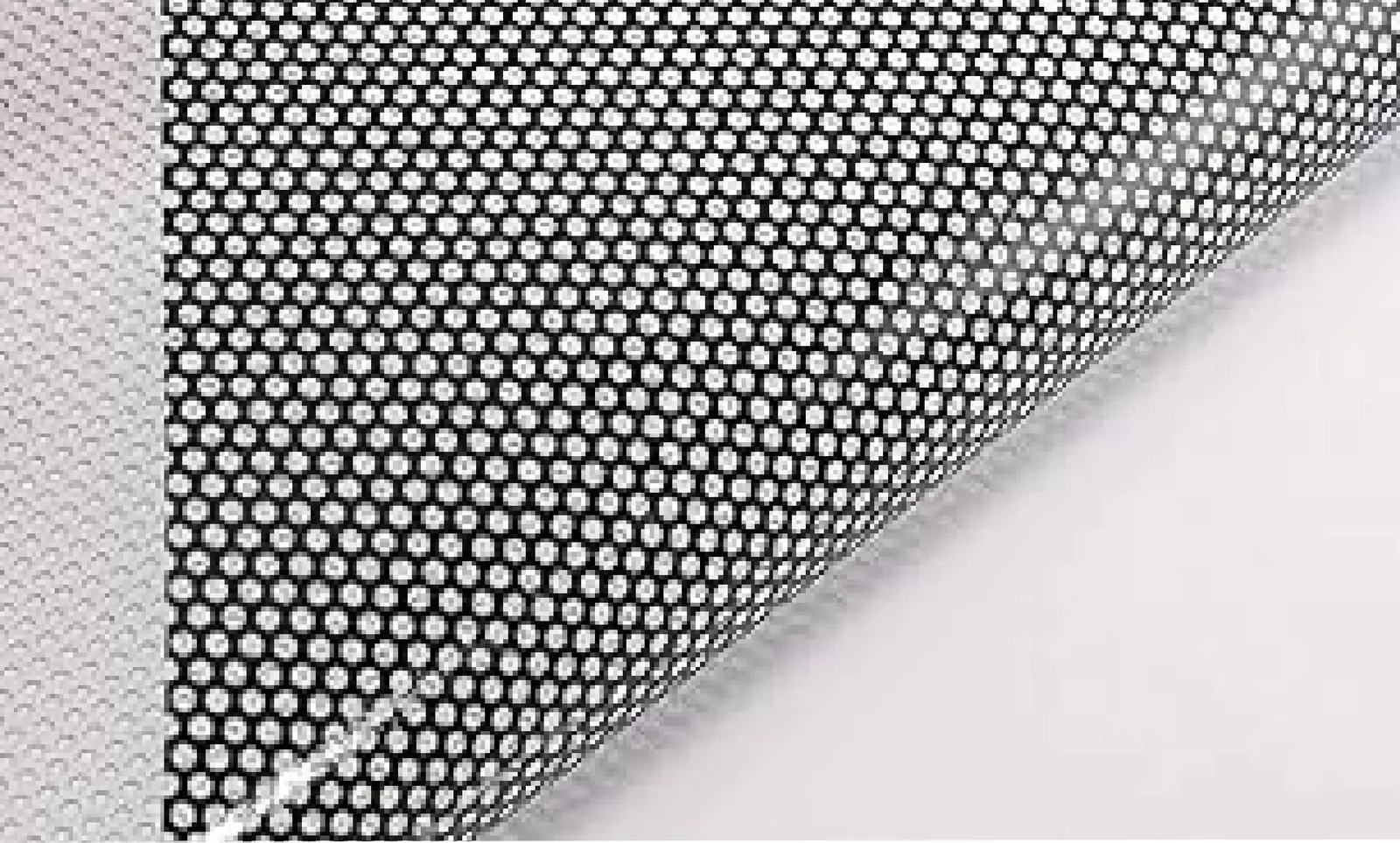
Mainly used for dustproof and waterproofing. Die-cut the mesh into the required shape, and paste the double-sided tape in the required shape for customers to use, generally in the form of mesh + glue + lining paper. According to different needs, silk mesh gauze with different characteristics is selected, including waterproof, non-waterproof, and metal-plated.There are also some common forms: facial tissue + glue + screen gauze + lining paper. This product has both the dust-proof function of silk mesh and the pasting function of double-sided tape.
3. Rubber + Foam Die Cutting
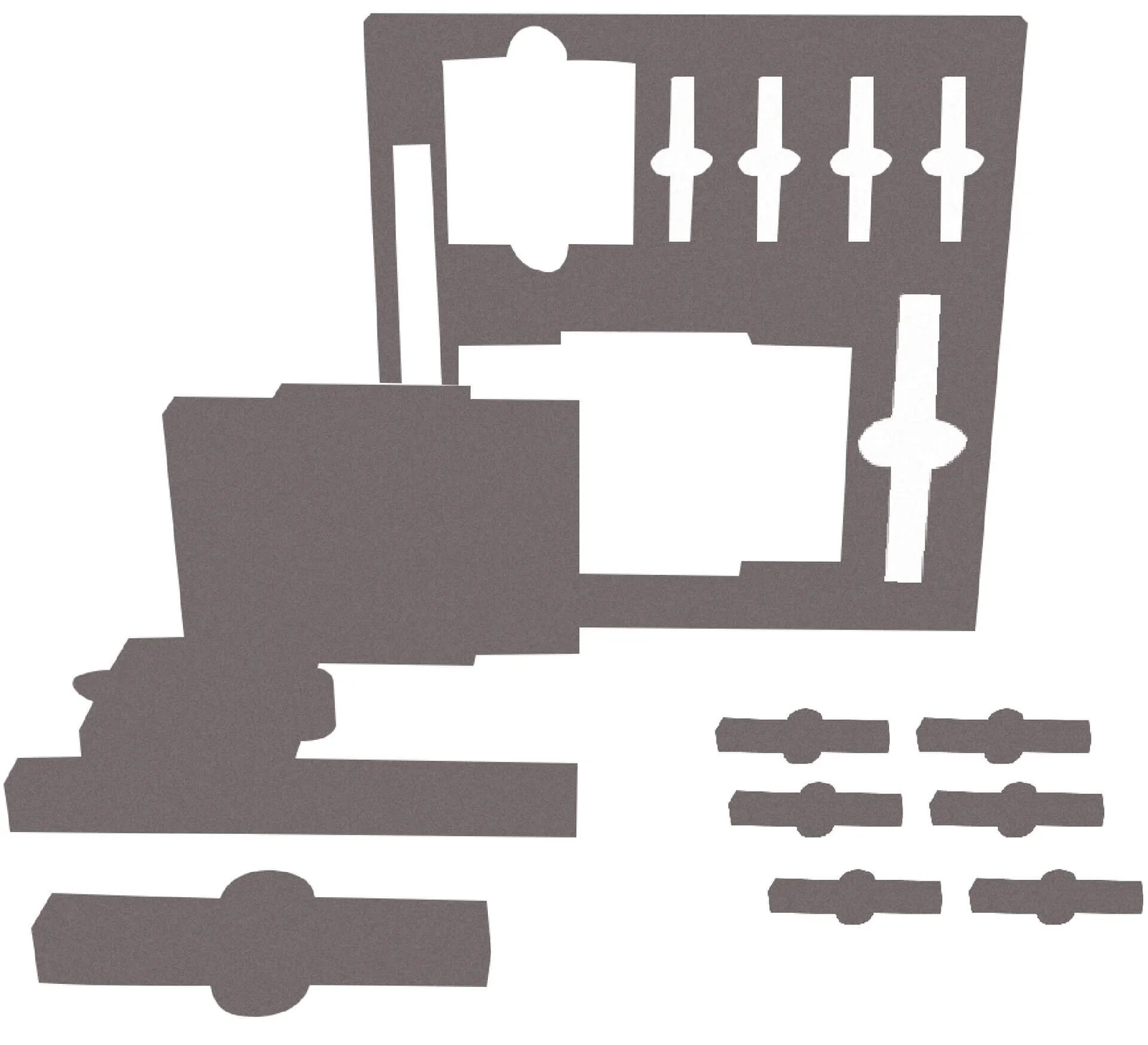
Mainly used for shockproofing. That is, the foam and glue are covered together and the mold is cut into the desired shape. The general form is foam + glue + lining paper; there is another form: lining paper + foam + glue + lining paper. This product has the dual functions of shockproof and double-sided tape.Different foam types will also play different roles, but these products are mostly used in the processing and assembly of electronic and digital products, as well as the bonding and fixing of advertising, electronic road signs, and LED boards.
4. Glue + Foam + Glue + Mesh Die Cutting
The general form is mesh + glue + foam + base paper. It mainly functions as waterproof, dustproof, and shockproof, or it can stick electronic components and housing together without falling off or shifting.The main function of this product is to protect decorative products from damage. Some of them are very aesthetically demanding. However, some of today’s complex electronics require dense meshes of trach holes that are small and require higher data and precision.
5. Protective Film Die-cutting
Mainly used to stick on the surface of other products, such as lenses for protection. This product has very strict external requirements and does not allow scratches and dirt.Usually, different protective film materials are selected according to different usage methods and requirements. Some products are attached to other products and used during circulation to protect them. Generally, it will be torn off in the next link or process. Some protective films are directly attached to the finished product, such as mobile phone protective films, which require higher production requirements.
6. Glue + Non-woven Fabric Die Cutting
It can be dust-proof and waterproof, has good initial viscosity and maintaining viscosity, is easy to die-cut and process, has good stability, and has good viscosity for plastics, rubber, and rough surfaces; It has good holding power under high temperatures and can be divided into white glue and black glue according to the different colors of the tape. Widely used in automobiles, digital cameras, LCDs, TVs, PDAs, notebooks, and other fields.
7. Other Types of Die Cutting
Such as conductive cloth, copper foil, aluminum foil, etc., which mainly play the role of shielding and conductivity. This die-cut product is used between the heat source and the heat sink. By removing the air between the heat source and the radiator, the heat distribution of electronic equipment is more even and the heat dissipation efficiency is improved. Generally speaking, various thermal interface materials need to have good thermal conductivity and surface wettability.In short, there are many kinds of die cutting products now, and the die cutting materials are also diversified. A product is not limited to one kind of material. Shanyo specializes in die cutting and has rich processing experience, which can meet the needs of different molds. All needs.

Comsumer

フィットネスウェアラブル

インダストリアル

メディカル

航空宇宙

ミリタリー
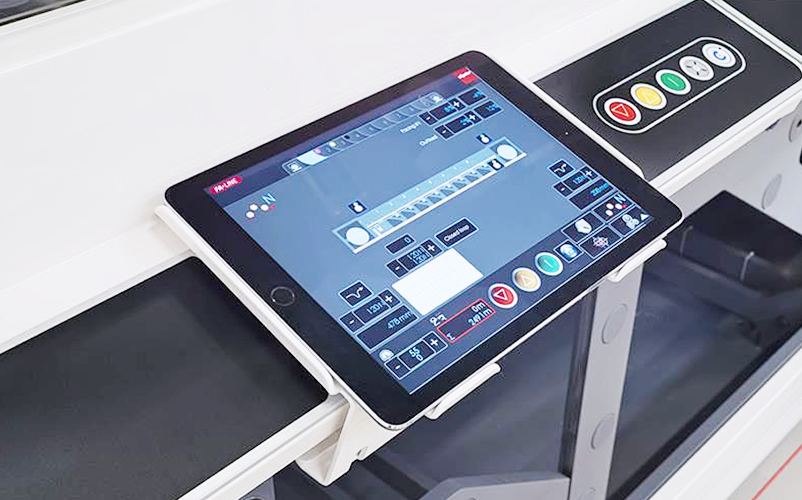
Because the die cutting process is simple, it is suitable for small or large-batch production. In industrial applications, the machine may be located directly downstream, and the starting material may be the output product of a previous process. Die cutting machines also have many features that make them a versatile and useful asset. In addition to cutting, it can perform other operations such as shaping, perforating, and scoring. The process is accomplished in a single or series of strokes on a press.
Flatbed, rotary, and semi-rotary die-cutting machines are considered industrial-scale die cutting machines and are designed for thicker, stiffer substrates and are capable of producing parts quickly Because the die-cutting process is simple, it is suitable for small or large-batch production. In industrial applications, the machine may be located directly downstream, and the starting material may be the output product of a previous process. Die cutting machines also have many features that make them a versatile and useful asset. In addition to cutting, it can perform other operations such as shaping, perforating, and scoring. The process is accomplished in a single or series of strokes on a press. Flatbed, rotary, and semi-rotary die-cutting machines are considered industrial-scale die cutting machines and are designed for thicker, stiffer substrates and are capable of producing parts quickly die cutting.
Die Cut Foam
Die cutting comes in many shapes and forms, and here are three main processes for you so you can determine which die cutting process to use for your custom labels. The three processes we will explore below are flatbed, rotary, and semi-rotary.
Flatbed Die Cutting
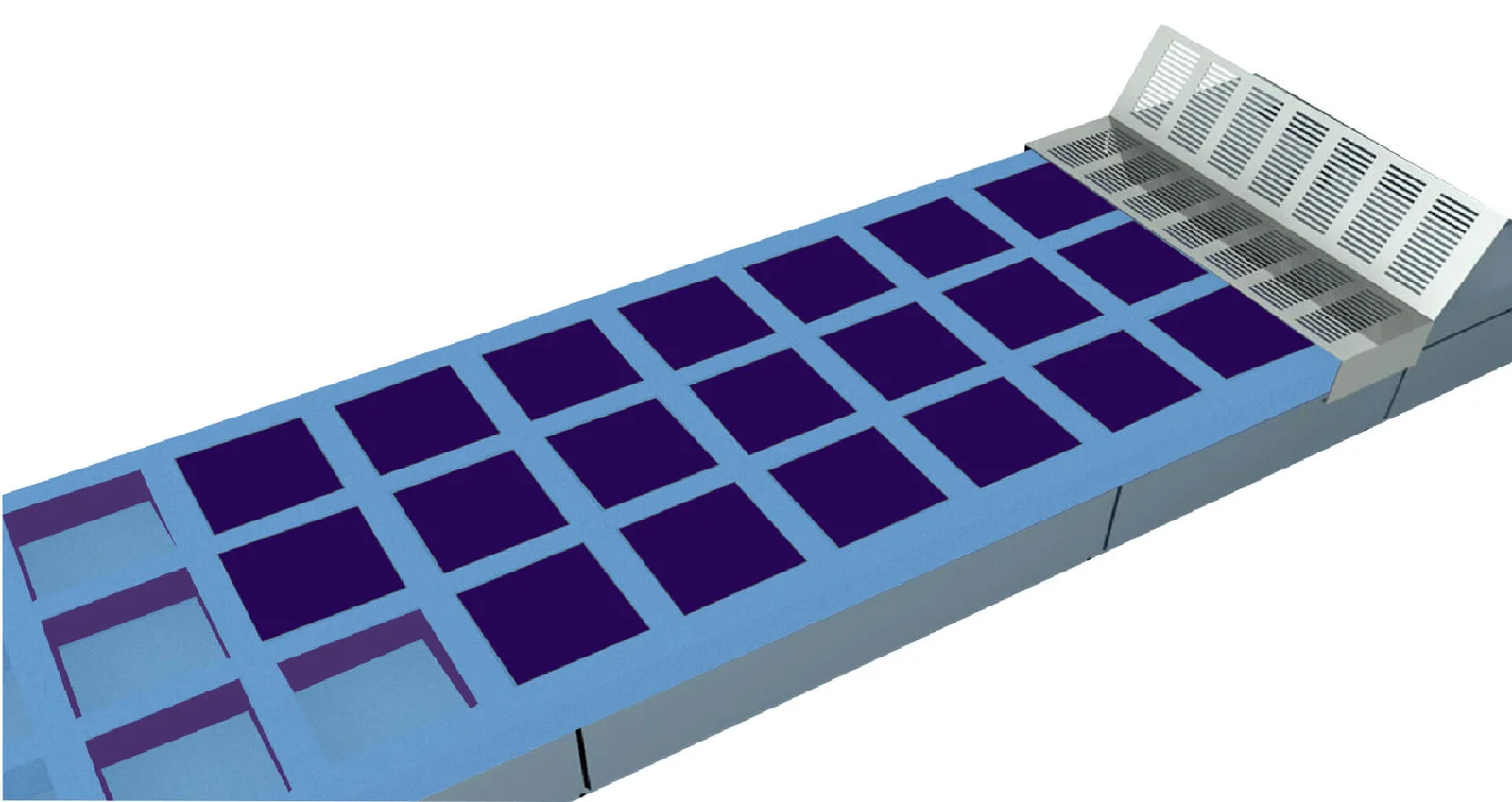
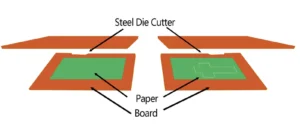
Flat die cutting is a fast, efficient, and cost-effective way to produce simple parts. The process includes the use of a steel ruler mold, which consists of a series of metal strips or blades, the shape of which meets the parameters of the required parts. The cutting mold is connected to a hydraulic press or a mechanical press. Place the plate with a groove in the shape of the part as a female mold or a lower mold with an ejection material. The cutting action includes stacking the raw materials on the board and squeezing the mold and the board together.
Flatbed die-cutting machines use hydraulic presses and other lifting systems to press the die against a sheet of material. Generally speaking, flatbed die cutting is used for low-volume projects and larger-sized products. Flatbed molding machines tend to be better suited for heavier materials over 1/8 inch thick, such as felt, fiber, fabric, and metal, than most label materials.

Since it is a simple process, die cutting is suitable for low or high-volume manufacturing. In industrial applications, the machine may be located directly downstream, while the starting material may be the outgoing product from a preceding process. The die cutting machine also has many capabilities, making it a versatile and useful asset. It can perform other operations aside from cutting, such as forming, perforating, and scoring. The process is done on a press through a single or series of strokes. Flatbed, rotary, and semi-rotary die cutters are considered industrial-scale die cutting machines, designed for thicker and more rigid substrates able to produce parts at a fast turnaround. Meanwhile, manual and digital die cutting equipment are utilized to create simple and accessory parts. Its production rate is relatively slower and therefore suitable for low-volume orders.
The flatbed die cutting method is suitable for cutting thicker paper or multiple sheets of paper because it can exert greater force. A variety of materials can be processed using a flatbed die-cutting machine, and soft and semi-hard materials of different thicknesses can be processed. Flat die-cutting can be used for batch or semi-mass production, suitable for processing small production orders and large parts. Several sub-processes must be completed to use flat die-cutting to produce high-quality finished parts, as described below:
Flatbed Die Cutting Machine
Rotary and Semi Rotary Die Cutting
Both rotary and semi-rotary types use rollers to feed long rolls and sheets of flexible material through the machine so they can be attached to the rolling dies of magnetic rollers and cut into the material.
Shanyo engineers found the half-rotation to be better suited for cutting labels because its design makes it more efficient at sharing custom labels. In the semi-rotary process, the cylindrical die rolls in a single direction, but the press moves the web back and forth as it cuts, allowing the printer to make multiple cuts on the web using a single roller. This process reduces the number of times the web needs to pass through the die-cutting system. Complete more complex cuts faster than standard rotary settings and improve turnaround time on print projects. After the roll is cut, the excess material is pulled away, leaving only the label

Rotary and semi-rotary die cutting machines can use either solid molds or flexible molds.
A solid mold is a steel cylinder with the design built into the mold body, while a flexible mold is a thin steel plate that is bent around a magnetic cylinder. This makes flexible molds cheaper, which is great for businesses looking for custom molds for their labels.
Die Cut History
Die-cutting was introduced during the first industrial revolution to modernize the shoemaking industry. Before the invention, the making and cutting of shoe soles were done
by hand. This process required more time and manpower, and the productivity was very low. Die cutting solves these problems. Patterns allowed shoemakers to replicate and standardize the dimensions of shoe soles. After years of exploration, die cutting revolutionized other industries and is still evolving to meet growing demand and produce more complex designs.
The die-cutting process has easily adapted to the technological age, with modern die cutting being an automatic or semi-automatic process that uses computer-aided design (CAD) and is programmed into a CNC machine. This method is widely used in the manufacturing of packaging, consumer goods, and automotive parts. The use of die cutting can be found in DIY projects and the office. Die cutting is a more efficient and faster method of producing parts and components, depending on stroke speed, feed method, and die cutting machine. This is a faster method than water jets and some forms of blade cutting. The initial cost of die cutting is easily recouped by its efficiency, speed, and superior quality.
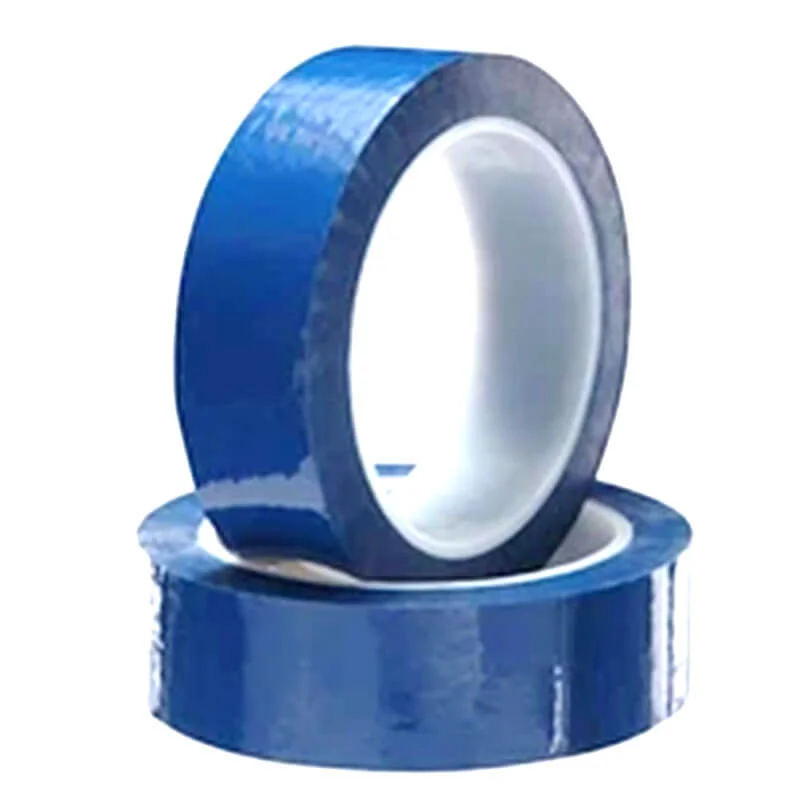
Die Cut Adhesive Tape Applications
There are many exciting technological advancements in pressure-sensitive adhesive (PSA) tape. Solve everyday die-cut design applications and create new, unique opportunities. PSA tape can provide removable convenience or structural bonding.
Many electronic components use die-cut tape. Die cut tape has strong adaptability and is widely used in computers, computer accessories, electronics, automobiles, aerospace, monitors, furniture, electrical appliances, toys, orthopedics, medical care, instrumentation, lighting, office equipment, metal manufacturing, and other fields.
Die cut tape applications include bonding, joining, mounting, sealing, fastening, connecting, shielding, gaskets, masking protection, fixed positioning, soundproofing, muting, and buffer insulation.


Characteristics of die cut products
- Efficient and fast
Due to the use of mechanized and automated production, die-cut products have the characteristics of high production efficiency, stable product quality, and controllable costs. At the same time, it can be produced and processed in large quantities and is suitable for large-scale production.
- High precision
Die-cutting products can achieve precise control of product size, shape, and dimensions, and can meet the accuracy requirements of plate angle, roundness, hole spacing, etc. Diversified product processing can be achieved through different die-cutting molds.
- Customizable
Die-cutting products can be flexibly customized, and die-cutting molds can be designed and produced according to product requirements to meet the different needs of printing, packaging, electronics, toys, medical, and other industries.
Choosing the Best Die Cutting Method
The die cutting process can create a variety of products, parts, components, and materials. This is a method that ensures accuracy, quality, and high-volume production. Since there are many methods of die-cutting, it is important to choose the method that best suits the process or design.
Rapid rotary die cutting is very fast and is the most cost-effective die cutting technology. Heavy and huge rolls of raw material are fed into the rotating drum, which quickly cuts the fed material into the shape desired by the customer. Multiple impressions are cut with each rotation, producing a high-quality product.
Unlike flash die cutting, flatbed and rotary die cutting require significant adjustments when the part design changes. Both processes use traditional molds that must be reworked when designs are changed, added, or improved.
カスタマイズ性
Die cut adhensive tape can be customized according to specific needs and cut into various shapes and sizes to suit different application scenarios. This makes it better able to meet specific design requirements.
精度
Through the die cutting process, the adhensive tape can be precisely cut into the desired shape and size, ensuring accuracy and consistency. This is important for applications that have strict size and shape requirements.
Efficiency
The processing process of die cut adhensive tape is relatively fast and can be produced in large quantities to improve work efficiency. This is particularly important in some industries that require extensive use of tape, such as electronic manufacturing, packaging, etc.
Adaptability
Die cut adhensive tape can be adapted to various substrates and adhesives, and the appropriate materials can be selected according to different applications. For example, some special surfaces or environmental conditions may require the selection of specific adhesives or substrates.
Aesthetics
Die cut adhensive tape can provide a neat, precise appearance, making the fit more beautiful. In some fields that focus on product appearance, such as consumer electronics, automobiles, etc., this may be an important consideration.
Functionality
Some die cut adhensive tapes have special functions, such as light-blocking, conductive, waterproof, etc. Depending on the specific application needs, choosing a die cut tape with corresponding features can provide better performance.
Cost Effectiveness
In mass production, the customization and processing costs of die-cut tapes are relatively low, especially when large quantities of tapes of the same shape and size are required.In summary, die-cut adhensive tapes are chosen to meet specific needs and improve efficiency and adaptability, while achieving better appearance and functionality. The specific choice will depend on factors such as application scenarios, technical requirements, and economic considerations. If you could provide more background information or a specific application, I could explain in more detail why die cut tape would be appropriate in that situation.Let our die cut designers work with you to plan your die cut tape requirements and optimize the number of identical shapes on the board for maximum usable quantity. As a custom die-cut tape manufacturer, Sanyo can provide various adhesive solutions in various colors, shapes, sizes, lengths, and thicknesses. contact us!
貴社は商社ですか、それとも製造業ですか?
- 私たちはプロのメタルドームメーカーです、私たちは自社工場を持っています、私たちは中国の青島に拠点を置いています、山陽精密電子技術有限公司は、携帯電話やデジタル製品部品の専門メーカーです。2004年に設立され、200人以上の従業員がいます。主な業務は家電、リモコン、携帯電話、自動車、医療、スマート製品、アウトドア製品などに応用されている。主な製品は、メタルドームアレイ、リモコンボタン、型抜き、LGF、UVバンプ、FPC、パネルボタン、PCBライン、薄膜フレキシブルラインなどです。青島工場の敷地面積は3500平方メートル以上。現在、深圳、上海、台湾、マレーシア、シンガポールに事務所があり、グローバルマーケティング戦略を全面的に実施している。南ヨーロッパ(10.00%)、国内市場(10.00%)、北ヨーロッパ(10.00%)、中央アメリカ(10.00%)、西欧(10.00%)、東欧(10.00%)、南米(10.00%)、北米(10.00%)、南アジア(5.00%)、東南アジア(5.00%)、東アジア(3.00%)、オセアニア(3.00%)、中近東(2.00%)、アフリカ(2.00%)。オフィスには総勢約51~100名が在籍しています。.
製品サンプルの請求方法を教えてください。
- 在庫サンプル:あなたが貨物費用を支払えば、私達はあなたのための試供品を提供してもいいです。.
- カスタマイズされたサンプル:私達は私達が組み立て費用を受け取った後 5 PC の試供品を提供します。.
- 製品サンプルのご請求は、shanyonod@shanyo.com。.
見積もりを依頼するには?
- お見積もりのご依頼は、お見積もりフォームにご記入いただくか、shanyonod@shanyo.com。.
どうすれば品質を保証できるのか?
- 私たちは、原材料リストに厳格に従って製品を加工・生産しています。.
- 当社のエンジニアの多くは長年の経験を持ち、責任感が強い。.
大量生産の前には、必ず生産前サンプルがある;;
出荷前に必ず最終検査を行います。.
そして顧客との梱包のビデオ確認。.
OEMサービスは可能ですか?
- 確かに、我々は味付けされたOEMサービスの経験を持っています。.
サンプルのリードタイムは?
- 2~7営業日かかります。.
見積書はどのくらいでもらえますか?
- 30分~24時間.
注文方法は?
- あなたの材料、アートワークの設計、論理回路図、サイズ、表面、使用法、等を私達に言って下さい。私達に設計デッサンかサンプルおよび他の詳しいデータを送ることは最もよく、それから私達はあなたの条件に従って金属のドームおよび金属のドームの配列をカスタマイズします。.
どのようなサービスを提供できますか?
- 受諾された配達言葉:FOB、EXW;。
お支払い可能通貨米ドル、ユーロ、香港ドル、中国ドル;
受け入れられる支払のタイプ:T/T、L/C、MoneyGram、PayPal、ウェスタン・ユニオン、エスクロー;;
使用言語英語, 中国語
どのような製品が型抜きされているのですか?
- 型抜き加工は、金属、プラスチック、紙、布、発泡スチロール、木材、複合材など、さまざまな素材に適している。.
メタルドーム技術の利点
- 耐久性:メタルドームは耐久性が高く、数百万回の作動にも故障せずに耐えることができます。このため、キーボードやキーパッドなど、頻繁に使用される機器に最適です。.
- 一貫性:メタルドームは一貫した触覚反応を提供するため、ユーザーはボタンを押すたびに同じレベルのフィードバックに頼ることができる。これにより、ユーザー・エクスペリエンスと精度が向上します。.
- 費用対効果:メタルドームは比較的安価に製造できるため、メーカーにとっては費用対効果の高いソリューションとなる。.
省スペース:メタルドームは小型で、近くに設置できるため、コンパクトな機器に最適です。. - カスタマイズ:メタルドームは、特定のデバイスやアプリケーションの特定のニーズに合わせて、さまざまな形状、サイズ、力の要件でカスタマイズすることができます。これにより、メーカーは自社製品のユニークなユーザー体験を作り出すことができます。.
How Can We Help?
In addition to our Quote Form, we are always available for an in-person meeting or conference call to discuss the design and project in greater detail.
SHANYO’s sales force extends across the entire country, so please contact us directly and we will put you in touch with your local sales representative. Complimentary samples of our products are also available upon request.
We have a team of skilled engineers ready to support you in your product development journey from prototyping to production.
When you’re ready to start your next project, simply upload your 3D CAD design files, and our engineers will get back to you with a quote as soon as possible.
200,000+ Unique parts produced
3000+ Companies served
60+ Countries shipped
20+ Years of Experience