

Metallkuppeln Hersteller
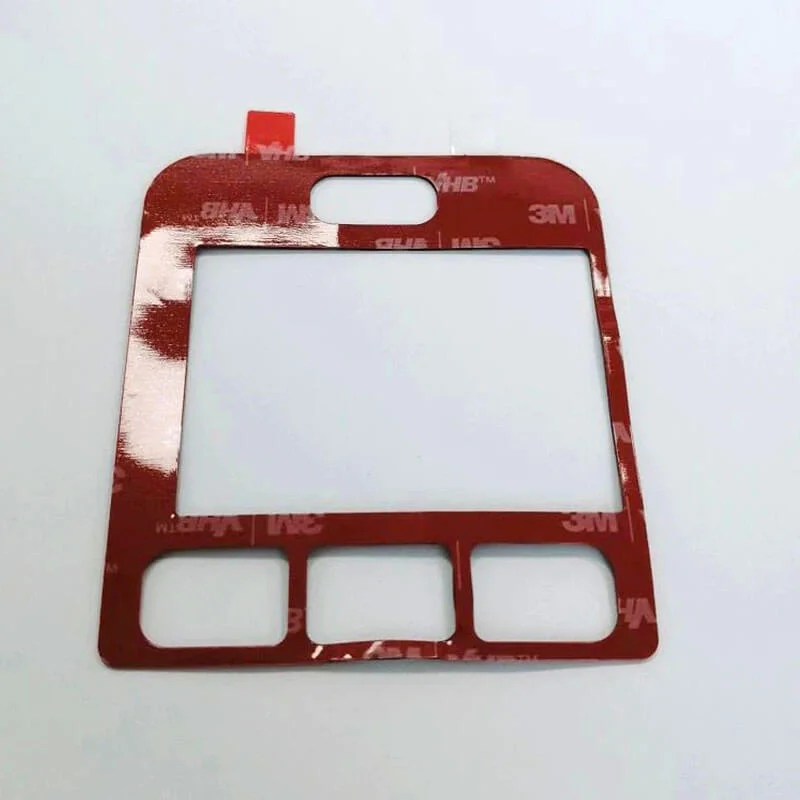
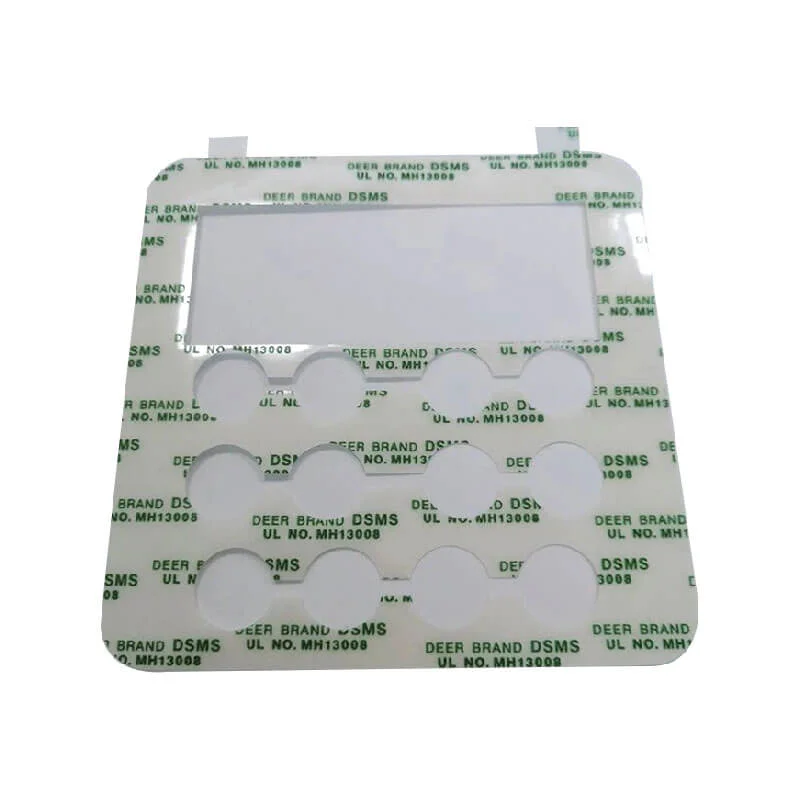
Shanyo can produce unlimited quantities of die cuts to fit any design. The result is adhensive tape die cut in shapes and sizes that are unique to your specific application. If you can imagine it, we can create the adhensive tape die cut you’re happy with. Die cut adhensive tapes help our customers optimize their die-cutting process by reducing time, eliminating waste, and saving costs. They create a secure physical seal between components. This makes die cut adhensive tape extremely versatile across all major markets and can solve die cutting challenges in a variety of industries. From double-sided tape to transfer tape, most of our products can be die-cut and converted to meet your specific needs. Please refer to the blog What are the processes for die cut products?
Adhesive Tape Die Cut Applications
There are many exciting technological advancements in pressure-sensitive adhesive (PSA) tape. This creates new and unique opportunities to address an increasing number of everyday die-cut design applications. PSA tape can provide removable convenience or structural bonding. Die cut tape is used for many parts.
Die cut adaptability means they are found in computers, computer accessories, electronics, automotive, aerospace, displays, furniture, appliances, toys, orthopedics, medical, instrumentation, lighting, office equipment, and metal manufacturing, to name a few. Some adhensive tape die cut applications include bonding, joining, mounting, sealing, fastening, attaching, shielding, gaskets, shielding protection, fixed positioning, soundproofing, muting, and buffer insulation.

What is Die Cutting?
Die cutting is a common processing technology that uses a machine to cut materials (such as paper, plastic, rubber, fabric, etc.) into products in the desired shape and size. It can be produced in various shapes and sizes, such as circles, squares, triangles, trapezoids, stars, etc. It can also be specially convex or convex to meet customized needs.
Basic Die Cutting Process

What should I Consider When Die Cut Labels?
Shanyo’s dies will generally fit all of your standard shapes, round, square, etc. If you have custom shapes or specific design elements, you’ll want to make sure to use the converter tabs and understand the die cutting details to allow the designer to convert from your Start designing shapes. While your label design may look great, you need to consider whether it will work when printed and cut.
Here are some tips to consider for die cut labels:
Avoid sharp corners and angles. When the substrates are removed after the die cutting process, they may tear, resulting in inevitable waste.
If you want a hole in the label, leave plenty of space between the edge of the label and the hole. Thin strips of material are more likely to tear during removal.
Add a bleed area, extending the design artwork at least 1/16 inch past the edge of the label. This helps ensure there are no unexpected white spaces.
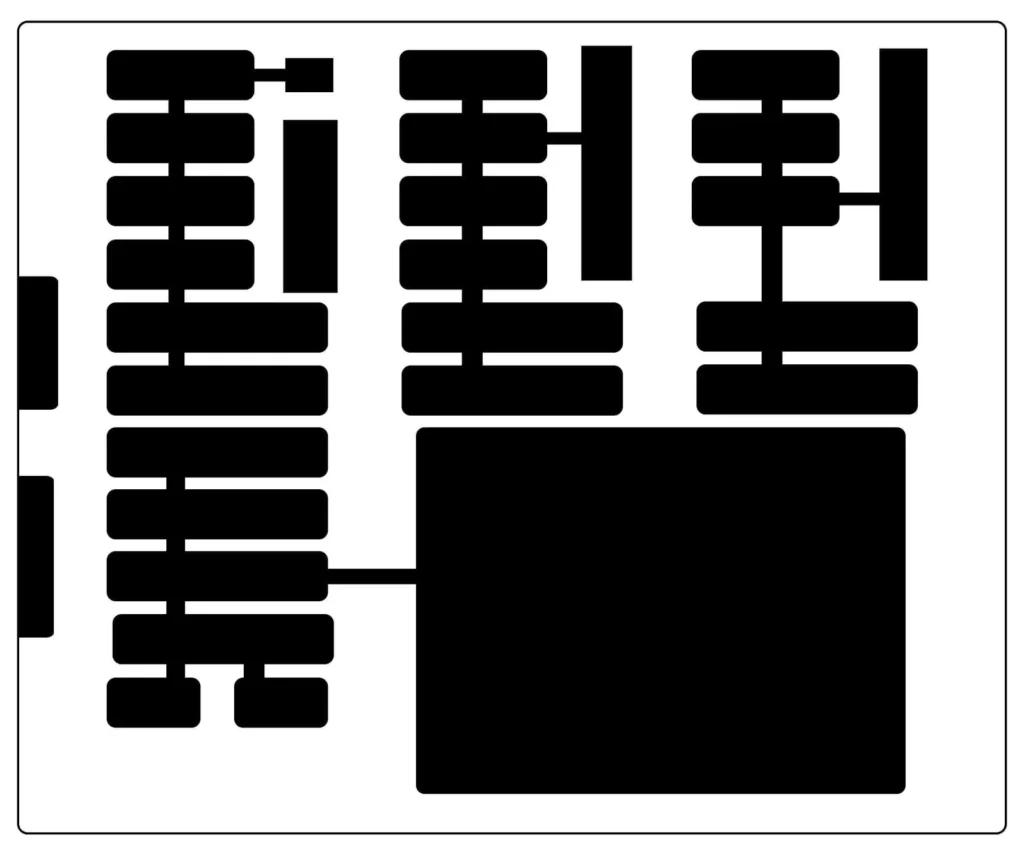
Make sure the shape’s lines are added correctly to the Adobe Illustrator file. Mark die lines as specific spot colors and as connector lines on their layers.
Kostenloses Zeichnungsdesign erhalten
Kontakt1. Glue Die Cutting
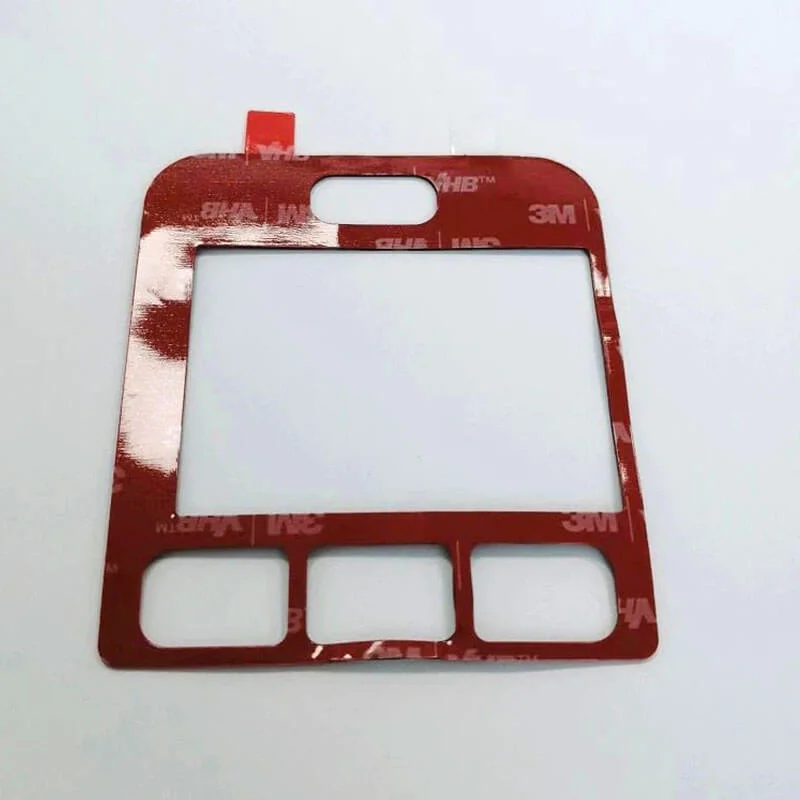
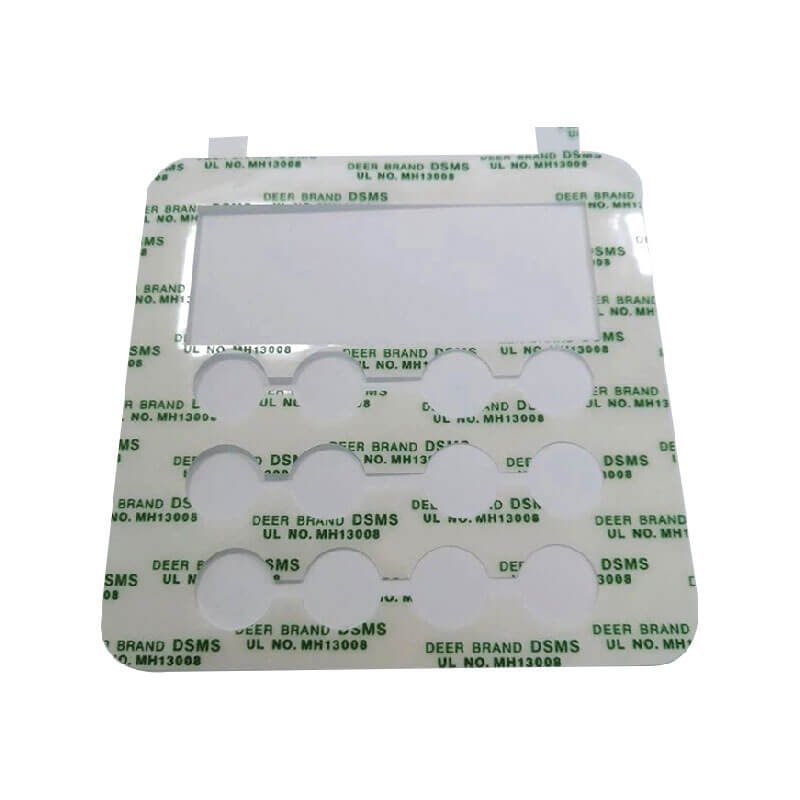
Generally speaking, double-sided tape has only one side of the paper with glue, and the shape is the same as the glue; there is a piece of paper without glue, the shape is larger than the shape of the glue; there is also a whole piece of glued paper directly sandwiched between the two papers, with the same shape as the glue. The original paper is separated, the materials include paper and PET, and the separation force can also be selected according to customer requirements;


2. Glue + Mesh Die Cutting
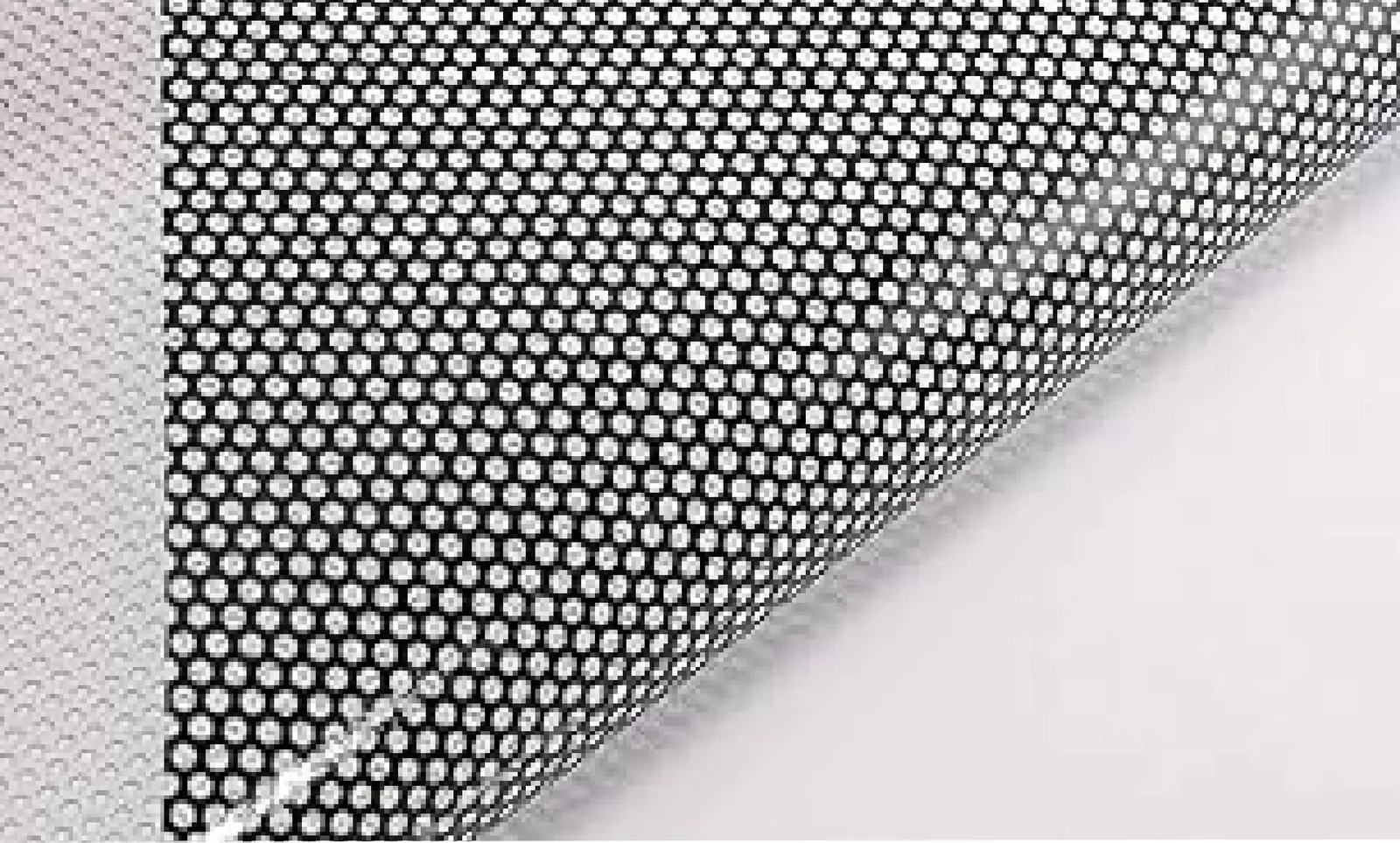
Mainly used for dustproof and waterproofing. Die-cut the mesh into the required shape, and paste the double-sided tape in the required shape for customers to use, generally in the form of mesh + glue + lining paper. According to different needs, silk mesh gauze with different characteristics is selected, including waterproof, non-waterproof, and metal-plated.There are also some common forms: facial tissue + glue + screen gauze + lining paper. This product has both the dust-proof function of silk mesh and the pasting function of double-sided tape.
3. Rubber + Foam Die Cutting
Mainly used for shockproofing. That is, the foam and glue are covered together and the mold is cut into the desired shape. The general form is foam + glue + lining paper; there is another form: lining paper + foam + glue + lining paper. This product has the dual functions of shockproof and double-sided tape.Different foam types will also play different roles, but these products are mostly used in the processing and assembly of electronic and digital products, as well as the bonding and fixing of advertising, electronic road signs, and LED boards.
4. Glue + Foam + Glue + Mesh Die Cutting
The general form is mesh + glue + foam + base paper. It mainly functions as waterproof, dustproof, and shockproof, or it can stick electronic components and housing together without falling off or shifting.The main function of this product is to protect decorative products from damage. Some of them are very aesthetically demanding. However, some of today’s complex electronics require dense meshes of trach holes that are small and require higher data and precision.
5. Protective Film Die-cutting
Mainly used to stick on the surface of other products, such as lenses for protection. This product has very strict external requirements and does not allow scratches and dirt.Usually, different protective film materials are selected according to different usage methods and requirements. Some products are attached to other products and used during circulation to protect them. Generally, it will be torn off in the next link or process. Some protective films are directly attached to the finished product, such as mobile phone protective films, which require higher production requirements.
6. Glue + Non-woven Fabric Die Cutting
It can be dust-proof and waterproof, has good initial viscosity and maintaining viscosity, is easy to die-cut and process, has good stability, and has good viscosity for plastics, rubber, and rough surfaces; It has good holding power under high temperatures and can be divided into white glue and black glue according to the different colors of the tape. Widely used in automobiles, digital cameras, LCDs, TVs, PDAs, notebooks, and other fields.
7. Other Types of Die Cutting
Such as conductive cloth, copper foil, aluminum foil, etc., which mainly play the role of shielding and conductivity. This die-cut product is used between the heat source and the heat sink. By removing the air between the heat source and the radiator, the heat distribution of electronic equipment is more even and the heat dissipation efficiency is improved. Generally speaking, various thermal interface materials need to have good thermal conductivity and surface wettability.In short, there are many kinds of die cutting products now, and the die cutting materials are also diversified. A product is not limited to one kind of material. Shanyo specializes in die cutting and has rich processing experience, which can meet the needs of different molds. All needs.

Verbraucher

Fitness Wearables
Industriell

Medizinische

Luft- und Raumfahrt

Militär
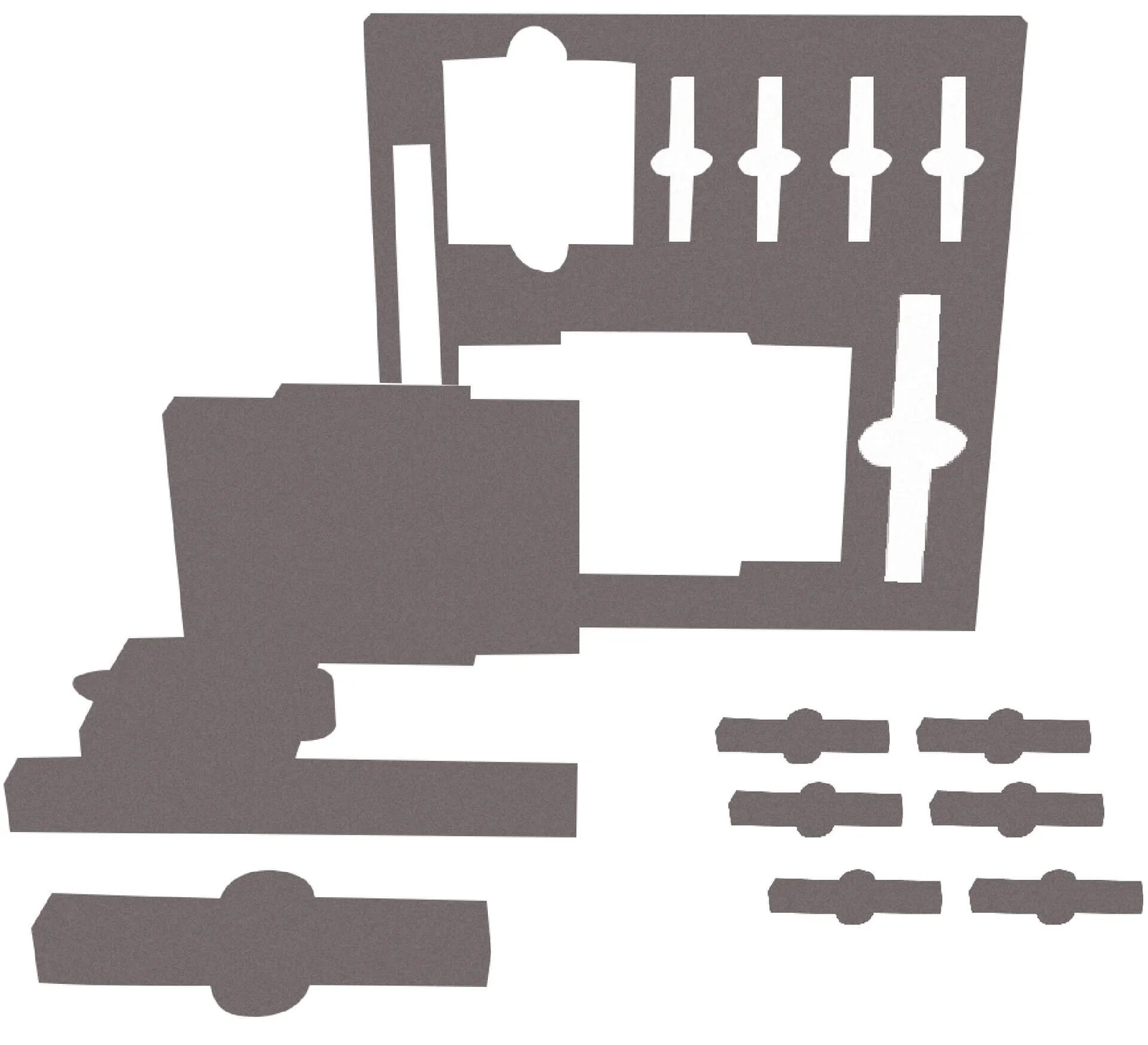
Because the die cutting process is simple, it is suitable for small or large-batch production. In industrial applications, the machine may be located directly downstream, and the starting material may be the output product of a previous process. Die cutting machines also have many features that make them a versatile and useful asset. In addition to cutting, it can perform other operations such as shaping, perforating, and scoring. The process is accomplished in a single or series of strokes on a press.
Flatbed, rotary, and semi-rotary die-cutting machines are considered industrial-scale die cutting machines and are designed for thicker, stiffer substrates and are capable of producing parts quickly Because the die-cutting process is simple, it is suitable for small or large-batch production. In industrial applications, the machine may be located directly downstream, and the starting material may be the output product of a previous process. Die cutting machines also have many features that make them a versatile and useful asset. In addition to cutting, it can perform other operations such as shaping, perforating, and scoring. The process is accomplished in a single or series of strokes on a press. Flatbed, rotary, and semi-rotary die-cutting machines are considered industrial-scale die cutting machines and are designed for thicker, stiffer substrates and are capable of producing parts quickly die cutting.
Die Cut Foam
Die cutting comes in many shapes and forms, and here are three main processes for you so you can determine which die cutting process to use for your custom labels. The three processes we will explore below are flatbed, rotary, and semi-rotary.
Flatbed Die Cutting
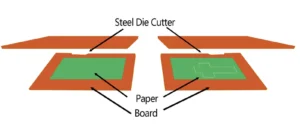
Flat die cutting is a fast, efficient, and cost-effective way to produce simple parts. The process includes the use of a steel ruler mold, which consists of a series of metal strips or blades, the shape of which meets the parameters of the required parts. The cutting mold is connected to a hydraulic press or a mechanical press. Place the plate with a groove in the shape of the part as a female mold or a lower mold with an ejection material. The cutting action includes stacking the raw materials on the board and squeezing the mold and the board together.
Flatbed die-cutting machines use hydraulic presses and other lifting systems to press the die against a sheet of material. Generally speaking, flatbed die cutting is used for low-volume projects and larger-sized products. Flatbed molding machines tend to be better suited for heavier materials over 1/8 inch thick, such as felt, fiber, fabric, and metal, than most label materials.

Since it is a simple process, die cutting is suitable for low or high-volume manufacturing. In industrial applications, the machine may be located directly downstream, while the starting material may be the outgoing product from a preceding process. The die cutting machine also has many capabilities, making it a versatile and useful asset. It can perform other operations aside from cutting, such as forming, perforating, and scoring. The process is done on a press through a single or series of strokes. Flatbed, rotary, and semi-rotary die cutters are considered industrial-scale die cutting machines, designed for thicker and more rigid substrates able to produce parts at a fast turnaround. Meanwhile, manual and digital die cutting equipment are utilized to create simple and accessory parts. Its production rate is relatively slower and therefore suitable for low-volume orders.
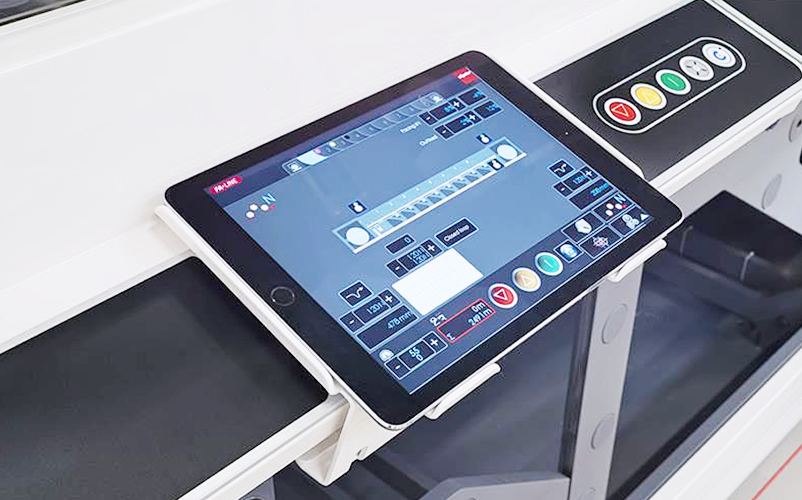
The flatbed die cutting method is suitable for cutting thicker paper or multiple sheets of paper because it can exert greater force. A variety of materials can be processed using a flatbed die-cutting machine, and soft and semi-hard materials of different thicknesses can be processed. Flat die-cutting can be used for batch or semi-mass production, suitable for processing small production orders and large parts. Several sub-processes must be completed to use flat die-cutting to produce high-quality finished parts, as described below:
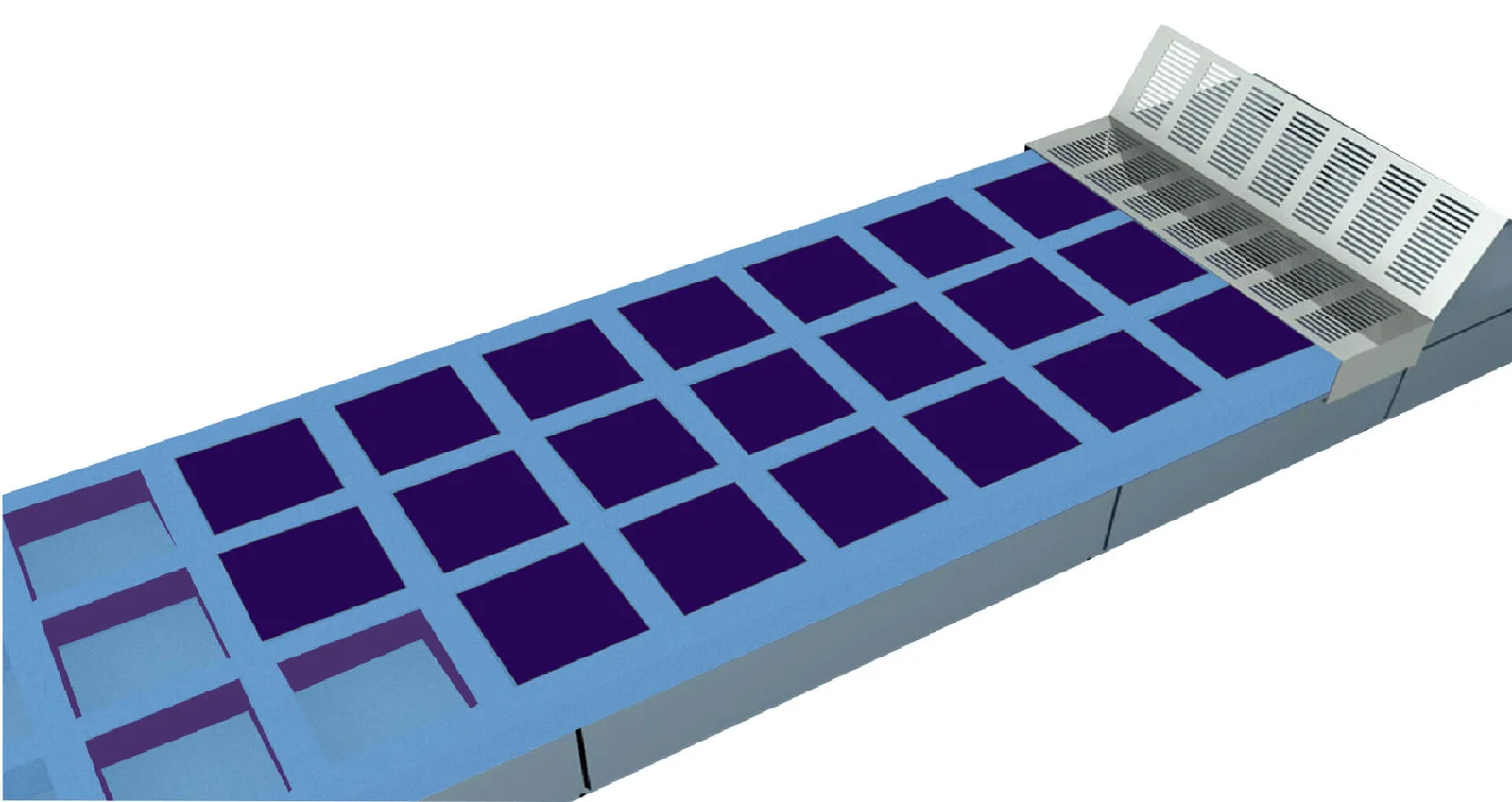
Flatbed Die Cutting Machine
Rotary and Semi Rotary Die Cutting
Both rotary and semi-rotary types use rollers to feed long rolls and sheets of flexible material through the machine so they can be attached to the rolling dies of magnetic rollers and cut into the material.
Shanyo engineers found the half-rotation to be better suited for cutting labels because its design makes it more efficient at sharing custom labels. In the semi-rotary process, the cylindrical die rolls in a single direction, but the press moves the web back and forth as it cuts, allowing the printer to make multiple cuts on the web using a single roller. This process reduces the number of times the web needs to pass through the die-cutting system. Complete more complex cuts faster than standard rotary settings and improve turnaround time on print projects. After the roll is cut, the excess material is pulled away, leaving only the label

Rotary and semi-rotary die cutting machines can use either solid molds or flexible molds.
A solid mold is a steel cylinder with the design built into the mold body, while a flexible mold is a thin steel plate that is bent around a magnetic cylinder. This makes flexible molds cheaper, which is great for businesses looking for custom molds for their labels.
Die Cut History
Die-cutting was introduced during the first industrial revolution to modernize the shoemaking industry. Before the invention, the making and cutting of shoe soles were done
by hand. This process required more time and manpower, and the productivity was very low. Die cutting solves these problems. Patterns allowed shoemakers to replicate and standardize the dimensions of shoe soles. After years of exploration, die cutting revolutionized other industries and is still evolving to meet growing demand and produce more complex designs.
The die-cutting process has easily adapted to the technological age, with modern die cutting being an automatic or semi-automatic process that uses computer-aided design (CAD) and is programmed into a CNC machine. This method is widely used in the manufacturing of packaging, consumer goods, and automotive parts. The use of die cutting can be found in DIY projects and the office. Die cutting is a more efficient and faster method of producing parts and components, depending on stroke speed, feed method, and die cutting machine. This is a faster method than water jets and some forms of blade cutting. The initial cost of die cutting is easily recouped by its efficiency, speed, and superior quality.
Die Cut Adhesive Tape Applications
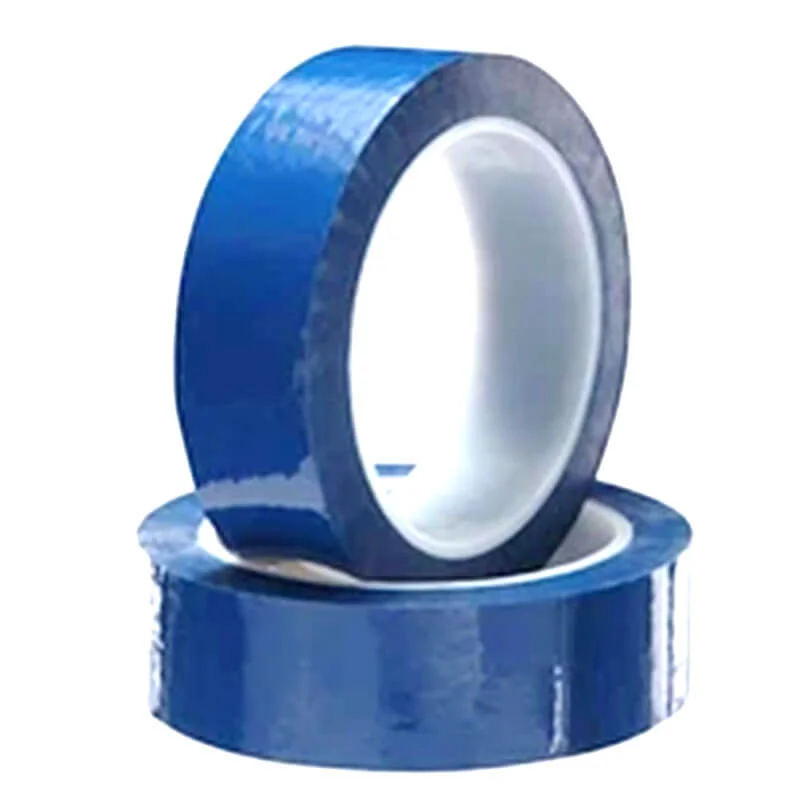
There are many exciting technological advancements in pressure-sensitive adhesive (PSA) tape. Solve everyday die-cut design applications and create new, unique opportunities. PSA tape can provide removable convenience or structural bonding.
Many electronic components use die-cut tape. Die cut tape has strong adaptability and is widely used in computers, computer accessories, electronics, automobiles, aerospace, monitors, furniture, electrical appliances, toys, orthopedics, medical care, instrumentation, lighting, office equipment, metal manufacturing, and other fields.
Die cut tape applications include bonding, joining, mounting, sealing, fastening, connecting, shielding, gaskets, masking protection, fixed positioning, soundproofing, muting, and buffer insulation.


Characteristics of die cut products
- Efficient and fast
Due to the use of mechanized and automated production, die-cut products have the characteristics of high production efficiency, stable product quality, and controllable costs. At the same time, it can be produced and processed in large quantities and is suitable for large-scale production.
- High precision
Die-cutting products can achieve precise control of product size, shape, and dimensions, and can meet the accuracy requirements of plate angle, roundness, hole spacing, etc. Diversified product processing can be achieved through different die-cutting molds.
- Customizable
Die-cutting products can be flexibly customized, and die-cutting molds can be designed and produced according to product requirements to meet the different needs of printing, packaging, electronics, toys, medical, and other industries.
Choosing the Best Die Cutting Method
The die cutting process can create a variety of products, parts, components, and materials. This is a method that ensures accuracy, quality, and high-volume production. Since there are many methods of die-cutting, it is important to choose the method that best suits the process or design.
Rapid rotary die cutting is very fast and is the most cost-effective die cutting technology. Heavy and huge rolls of raw material are fed into the rotating drum, which quickly cuts the fed material into the shape desired by the customer. Multiple impressions are cut with each rotation, producing a high-quality product.
Unlike flash die cutting, flatbed and rotary die cutting require significant adjustments when the part design changes. Both processes use traditional molds that must be reworked when designs are changed, added, or improved.
Customizability
Die cut adhensive tape can be customized according to specific needs and cut into various shapes and sizes to suit different application scenarios. This makes it better able to meet specific design requirements.
Accuracy
Through the die cutting process, the adhensive tape can be precisely cut into the desired shape and size, ensuring accuracy and consistency. This is important for applications that have strict size and shape requirements.
Efficiency
The processing process of die cut adhensive tape is relatively fast and can be produced in large quantities to improve work efficiency. This is particularly important in some industries that require extensive use of tape, such as electronic manufacturing, packaging, etc.
Adaptability
Die cut adhensive tape can be adapted to various substrates and adhesives, and the appropriate materials can be selected according to different applications. For example, some special surfaces or environmental conditions may require the selection of specific adhesives or substrates.
Aesthetics
Die cut adhensive tape can provide a neat, precise appearance, making the fit more beautiful. In some fields that focus on product appearance, such as consumer electronics, automobiles, etc., this may be an important consideration.
Functionality
Some die cut adhensive tapes have special functions, such as light-blocking, conductive, waterproof, etc. Depending on the specific application needs, choosing a die cut tape with corresponding features can provide better performance.
Cost Effectiveness
In mass production, the customization and processing costs of die-cut tapes are relatively low, especially when large quantities of tapes of the same shape and size are required.In summary, die-cut adhensive tapes are chosen to meet specific needs and improve efficiency and adaptability, while achieving better appearance and functionality. The specific choice will depend on factors such as application scenarios, technical requirements, and economic considerations. If you could provide more background information or a specific application, I could explain in more detail why die cut tape would be appropriate in that situation.Let our die cut designers work with you to plan your die cut tape requirements and optimize the number of identical shapes on the board for maximum usable quantity. As a custom die-cut tape manufacturer, Sanyo can provide various adhesive solutions in various colors, shapes, sizes, lengths, and thicknesses. contact us!
Sind Sie ein Handelsunternehmen oder eine Produktionsfirma?
- Wir sind ein professioneller Hersteller von Metalldomen, wir haben unsere eigene Fabrik, und wir sind in Qingdao, China, Shanyo Precision Electronic Technology Co, Ltd. ist ein professioneller Hersteller von Mobiltelefonen und digitalen Produktkomponenten. Das Unternehmen wurde 2004 gegründet und hat mehr als 200 Mitarbeiter. Das Hauptgeschäft wird in den Bereichen Unterhaltungselektronik, Fernbedienungen, Mobiltelefone, Automobile, medizinische Versorgung, intelligente Produkte, Outdoor-Produkte usw. betrieben. Die Hauptprodukte sind Metalldome-Array, Fernbedienungsknöpfe, Stanzformen, LGF, UV-Bumps, FPC, Panel-Knöpfe, PCB-Linien, flexible Dünnfilm-Linien, etc. Die Fabrik in Qingdao erstreckt sich über eine Fläche von mehr als 3.500 Quadratmetern. Derzeit hat das Unternehmen Niederlassungen in Shenzhen, Shanghai, Taiwan, Malaysia und Singapur und setzt die globale Marketingstrategie vollständig um. Wir verkaufen an Südeuropa (10.00%), den Inlandsmarkt (10.00%), Nordeuropa (10.00%), Mittelamerika (10.00%), Westeuropa (10.00%), Osteuropa (10.00%), Südamerika (10.00%), Nordamerika (10.00%), Südasien (5.00%), Südostasien (5.00%), Ostasien (3.00%), Ozeanien (3.00%), Mittlerer Osten (2.00%), Afrika (2.00%). In unserem Büro arbeiten insgesamt etwa 51-100 Personen.
Wie kann ich Muster Ihrer Produkte anfordern?
- Muster auf Lager: Wenn Sie die Frachtkosten bezahlen, können wir Ihnen kostenlose Muster zur Verfügung stellen.
- Kundenspezifische Muster: Wir bieten Ihnen 5 Stück kostenlose Muster an, nachdem wir die Einrichtungskosten erhalten haben.
- Um Produktmuster anzufordern, senden Sie uns bitte eine E-Mail an shanyonod@shanyo.com.
Wie kann ich ein Angebot anfordern?
- Sie können ganz einfach ein Angebot anfordern, indem Sie unser Angebotsformular ausfüllen oder uns eine E-Mail an shanyonod@shanyo.com schicken.
Wie können wir Qualität garantieren?
- Wir verarbeiten und produzieren Produkte unter strenger Einhaltung der Rohstoffliste.
- Viele unserer Ingenieure haben viele Jahre Erfahrung und sind sehr verantwortungsbewusst.
Vor der Massenproduktion wird immer ein Muster hergestellt;
Immer Endkontrolle vor dem Versand.
Und Video-Bestätigung der Verpackung mit dem Kunden.
Können Sie OEM-Service anbieten?
- Sicherlich okay, wir haben Erfahrung im OEM-Service.
Wie lange ist die Vorlaufzeit der Probe?
- Es dauert 2-7 Arbeitstage.
Wie schnell kann ich das Angebot erhalten?
- 30 Min. ~ 24 Stunden abhängig.
Wie kann ich eine Bestellung aufgeben?
- Bitte nennen Sie uns Ihr Material, Ihren Entwurf, Ihren Schaltplan, Ihre Größe, Ihre Oberfläche, Ihre Verwendung usw. Es ist am besten, uns die Design-Zeichnungen oder Proben und andere detaillierte Daten zu senden, und dann werden wir die Metall-Kuppel und Metall-Kuppel-Array entsprechend Ihren Anforderungen anpassen.
Welche Dienstleistungen können wir anbieten?
- Akzeptierte Lieferbedingungen: FOB, EXW;
Akzeptierte Zahlungswährung: USD, EUR, HKD, CNY;
Akzeptierte Zahlungsart: T/T, L/C, MoneyGram, PayPal, Western Union, Escrow;
Gesprochene Sprache: Englisch, Chinesisch
Welche Produkte werden gestanzt?
- Das Stanzverfahren eignet sich für eine Vielzahl von Materialien, darunter Metall, Kunststoff, Papier, Stoff, Schaumstoff, Holz und Verbundstoffe.
Vorteile der Metallkuppeltechnik:
- Langlebigkeit: Metalldome sind äußerst langlebig und können Millionen von Betätigungen ohne Ausfall überstehen. Daher eignen sie sich ideal für den Einsatz in Geräten, die häufig verwendet werden, wie z. B. Tastaturen und Tastenfelder.
- Konsistenz: Metallkuppeln bieten eine konsistente taktile Reaktion, was bedeutet, dass sich die Benutzer bei jedem Tastendruck auf das gleiche Maß an Rückmeldung verlassen können. Dies kann die Benutzererfahrung und die Genauigkeit verbessern.
- Kosteneffizienz: Metallkuppeln sind relativ kostengünstig in der Herstellung, was sie zu einer kosteneffizienten Lösung für Hersteller macht.
Platzsparend: Metallkuppeln sind klein und können dicht nebeneinander platziert werden, was sie ideal für den Einsatz in kompakten Geräten macht. - Individuelle Anpassung: Metallkuppeln können mit verschiedenen Formen, Größen und Kraftanforderungen angepasst werden, um den spezifischen Anforderungen eines bestimmten Geräts oder einer bestimmten Anwendung gerecht zu werden. Dies ermöglicht es den Herstellern, einzigartige Benutzererfahrungen für ihre Produkte zu schaffen.
How Can We Help?
In addition to our Quote Form, we are always available for an in-person meeting or conference call to discuss the design and project in greater detail.
SHANYO’s sales force extends across the entire country, so please contact us directly and we will put you in touch with your local sales representative. Complimentary samples of our products are also available upon request.
We have a team of skilled engineers ready to support you in your product development journey from prototyping to production.
When you’re ready to start your next project, simply upload your 3D CAD design files, and our engineers will get back to you with a quote as soon as possible.
200,000+ Unique parts produced
3000+ Companies served
60+ Countries shipped
20+ Years of Experience