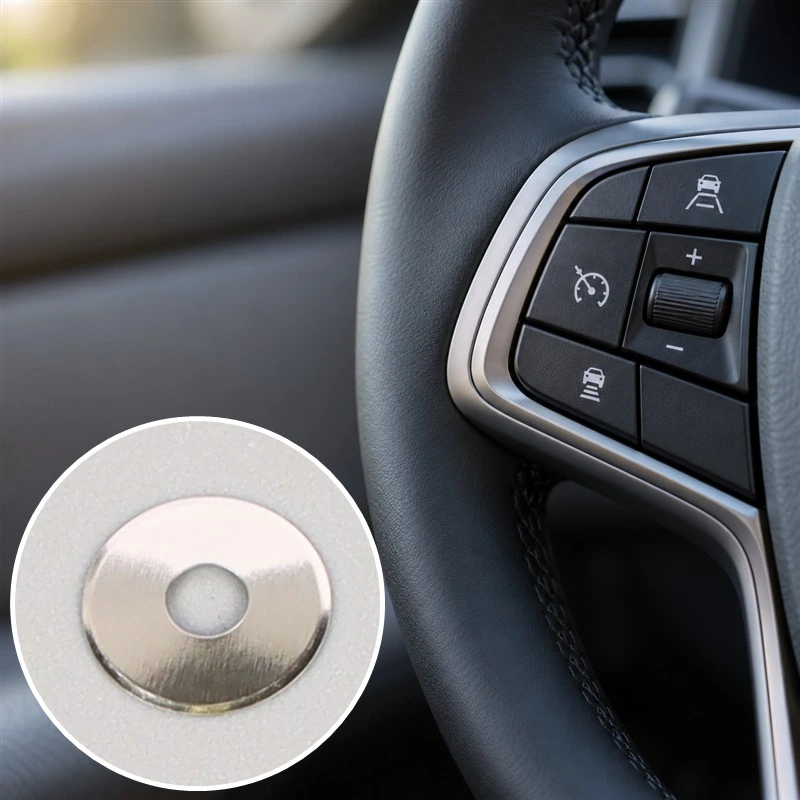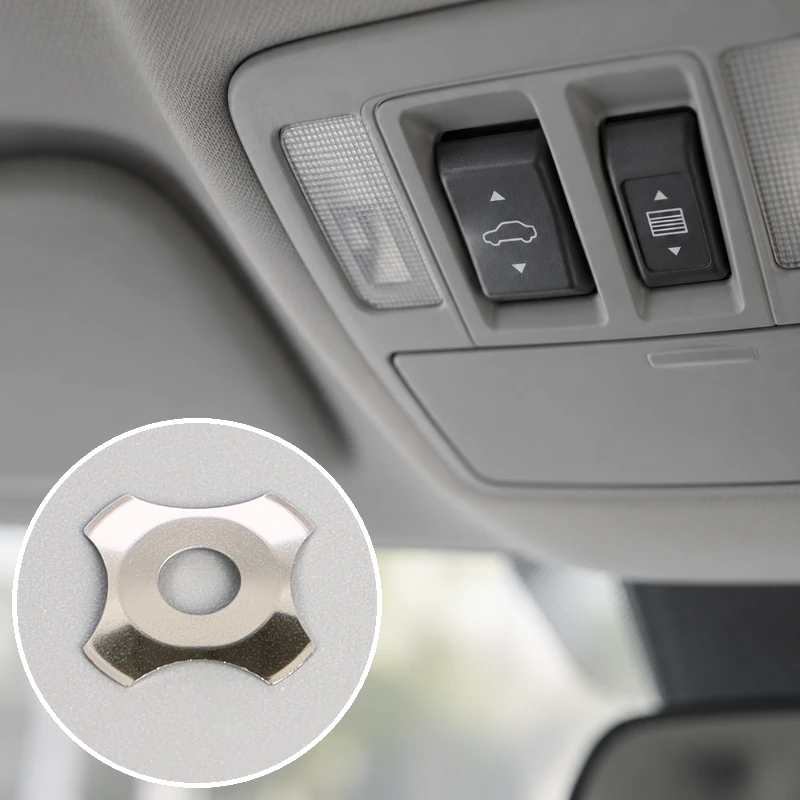
It is a familiar scenario for almost anyone who handles electronics. A cup of water tips over, or a device is carelessly left in a highly humid bathroom, and suddenly the buttons stop working. Water and electricity simply do not mix well, and the printed circuit boards inside these everyday devices are incredibly sensitive. However, many modern gadgets seem to survive these minor environmental accidents with surprising resilience. Taking a closer look at the engineering behind the buttons reveals a rather clever component doing a lot of the heavy lifting. This is where a waterproof dome sheet comes into play, acting as an invisible but highly effective shield.
Why a Waterproof Dome Sheet Matters in Everyday Electronics
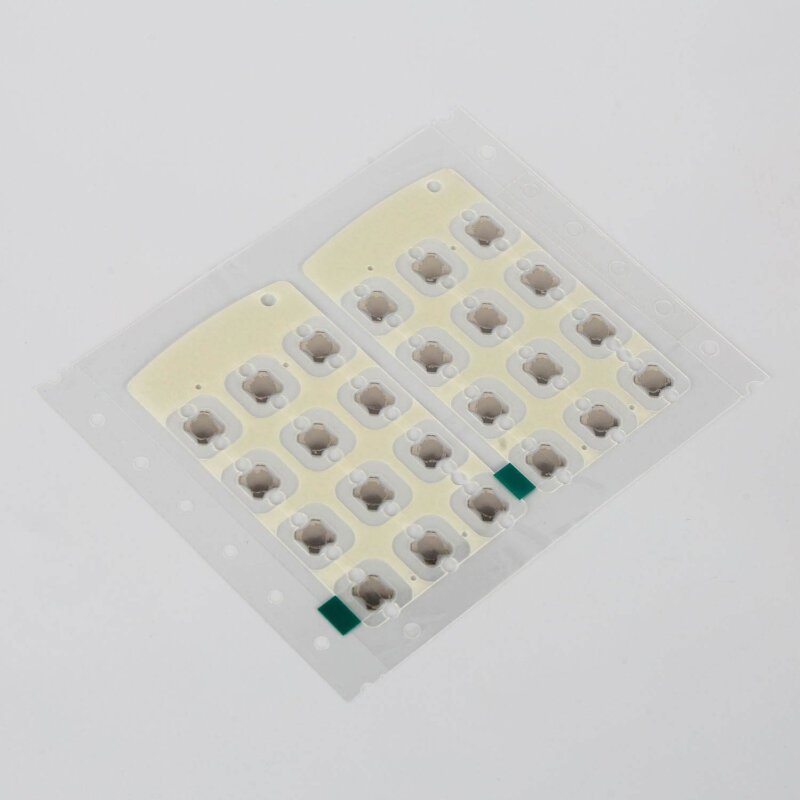
When pressing a button on an industrial control panel or a handheld medical device, there is usually a distinct, satisfying click. Beneath that outer plastic surface, a dome sheet is resting directly over the bare circuit board. Its primary mechanical job is to provide that tactile feedback while simultaneously connecting the electrical pads to register the user’s command. But a standard version leaves a tiny bit of air space under the metal, which is basically an open invitation for trouble if liquids happen to be nearby.
Moisture doesn’t always arrive as a dramatic, sudden spill. Often, the damage happens quite slowly over time, making a waterproof design absolutely crucial for the longevity of the hardware.
The Sneaky Ways Moisture Infiltrates Devices
Water is notoriously good at finding its way into enclosed spaces (even when a device appears completely and tightly sealed on the outside). Without adequate internal barriers, circuits remain highly vulnerable to several common environmental factors.
Condensation from sudden temperature drops, like moving a piece of equipment from a cold air-conditioned room out into the hot, humid outdoors.
High ambient humidity, especially in tropical climates or industrial kitchens where airborne moisture is a constant, invisible threat.
Sweaty hands pressing the exact same buttons repeatedly, day after day.
Accidental splashes that slowly seep through the microscopic gaps around plastic keycaps.
Once moisture bridges the physical gap on the circuit board, a short circuit occurs. The device might start registering phantom button presses on its own, or worse, it might short out completely and refuse to turn on altogether.
The Mechanics of a Dome Sheet Defending the Circuit
So, how exactly does this thin layer of material manage to keep the water out? It mostly comes down to the specialized adhesives and the structural integrity of the base layer. A waterproof dome sheet isn’t just casually laid on top of the circuit; it is firmly bonded to it. Using industrial-grade, water-resistant adhesives, a tight gasket-like perimeter is formed around every single metal dome.
When water manages to bypass the outer plastic casing of the device, it hits this transparent layer and just pools there harmlessly. The liquid simply cannot reach the delicate metal contacts underneath. It is a very simple concept, really, but executing it requires extreme precision during manufacturing so that the strong adhesive doesn’t accidentally interfere with the physical clicking action of the button itself.

Comparing Standard and Waterproof Options
It might be helpful to look at how the standard components compare to their weather-resistant counterparts. These distinct differences usually dictate where each type of component is utilized in the real world.
| Feature | Standard Version | Waterproof Version |
|---|---|---|
| Adhesive Type | Basic acrylic adhesive | High-bond, marine-grade adhesive |
| Moisture Resistance | Very low (mostly just dust protection) | High (can easily withstand pooling liquids) |
| Typical Application | TV remotes, cheap indoor toys | Medical devices, outdoor security keypads |
| Ventilation | Small air channels between the domes | Completely sealed individual domes |
The Assembly Process for a Dome Sheet
Creating this watertight seal isn’t merely about buying the right parts. The installation process is highly controlled to ensure the waterproof rating is actually achieved on the factory floor. If tiny specks of dust or natural oils get in the way during assembly, the seal will eventually fail.
Surface Preparation: The printed circuit board is thoroughly wiped down with alcohol-based solvents to remove any lingering manufacturing residues.
Alignment: Using precise optical machinery (or very steady hands in smaller operational setups), the layer is aligned so the metal domes sit perfectly centered over the gold or carbon contact pads.
Pressurization: Even pressure is applied right across the entire surface using a mechanical roller system. This forces the adhesive down into the micro-pores of the circuit board, actively pushing out trapped air bubbles.
Curing: Some advanced adhesive backings require a short resting or curing time under specific room temperatures to reach their absolute maximum bond strength.
Getting this sequence right means the device can likely sit in a humid environment for years without its internal electronics degrading. If you want to know more about dome sheet, please read What is a dome sheet.
FAQ
Can a dome sheet be repaired if the waterproof seal breaks?
Generally speaking, no. Once the adhesive bond is physically compromised and water gets underneath the layer, the entire sheet usually needs to be peeled off and discarded. The circuit board must then be cleaned and dried completely before a brand new sheet is applied to fully restore the functionality and moisture protection.
Does the waterproof layer affect the tactile feel of the buttons?
It can, though the difference is often quite negligible to the average user. Because the individual metal domes are completely sealed without traditional air-venting channels, the click can sometimes feel slightly stiffer or a bit less crisp. Engineers usually compensate for this by carefully choosing domes with a different, lighter actuation force.
How long does the moisture protection typically last?
Under normal, everyday operating conditions, the waterproof seal will effortlessly last for the entire expected lifespan of the device (which is often millions of actuations). However, repeated exposure to extreme heat or harsh chemical solvents can eventually degrade the adhesive layer, leading to a gradual loss of moisture resistance over time.