A membrane keypad is essentially a type of switch technology that relies on pressure to complete an electrical circuit. Unlike traditional mechanical keyboards with individual moving parts, these keypads use thin, flexible layers that respond when pressed. They’re everywhere—from microwave ovens to industrial control panels—though most people rarely stop to think about what’s actually happening beneath their fingertips.
The design is deceptively simple, really. When someone presses a key, the top layer pushes down and makes contact with the bottom layer, sending a signal to the device. No springs, no clicky mechanisms. Just pressure and contact. This minimalist construction enables ultra-thin profiles, reliable sealing against contaminants, and remarkable design freedom. Manufacturers can integrate LEDs, embedded graphics, and custom interfaces—all while keeping production costs surprisingly low for medium to high volumes.
The Layered Structure Inside a Membrane Keypad
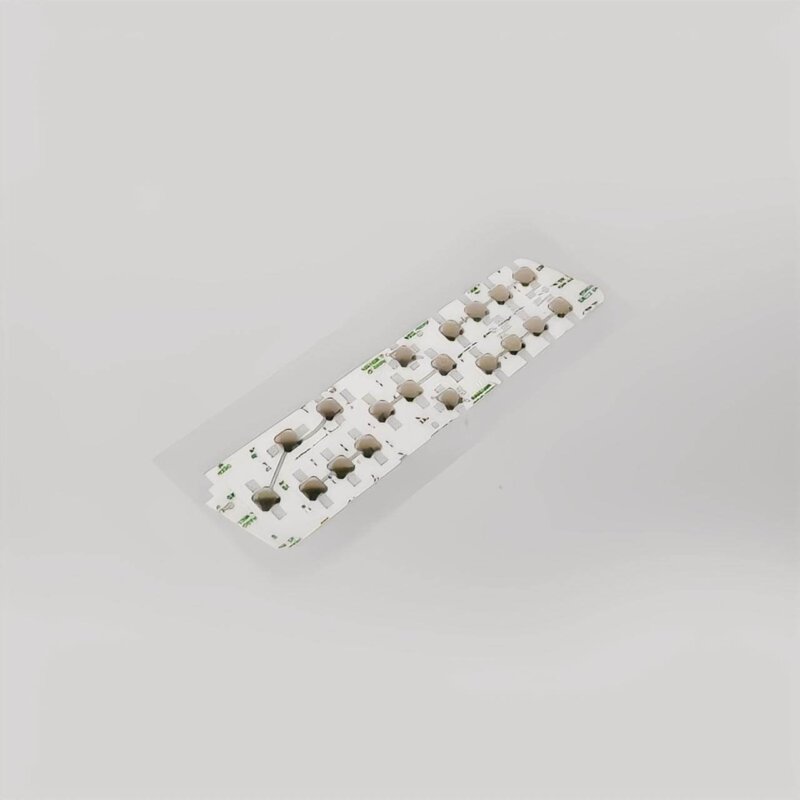
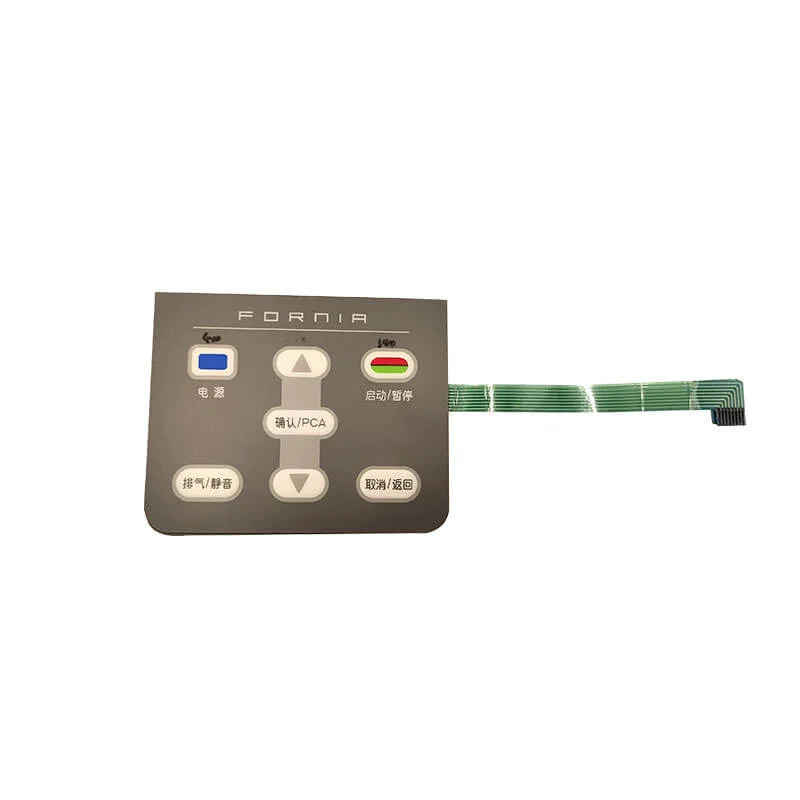
What makes this technology work comes down to its construction. A typical membrane keypad consists of several thin layers stacked together, each serving a specific purpose. The top graphic layer provides the user interface and environmental protection. Below it, conductive printed circuits on flexible substrates are separated by a spacer layer with adhesive. When pressed, the top circuit flexes through the opening to contact the bottom circuit, completing the connection. This laminated design is lightweight, durable down to 0.3mm thin, and inherently resistant to dust and moisture ingress.
Breaking Down Each Layer
Here’s what you’ll typically find inside:
- Graphic overlay – The top surface users actually see and touch, often printed with symbols or labels
- Top circuit layer – A flexible membrane with conductive traces
- Spacer layer – Creates a gap between the two circuit layers
- Bottom circuit layer – Another conductive membrane that completes the circuit when touched
- Adhesive backing – Attaches the entire assembly to equipment
The spacer layer deserves a bit more attention. It contains small holes or cutouts positioned directly beneath each key location. When pressure is applied, the top circuit flexes through these openings and touches the bottom circuit. That’s the moment the connection happens.
How the Membrane Keypad Registers a Key Press
The actual mechanics are pretty straightforward once the layers are understood. Pressing a key deforms the top membrane just enough to bridge the gap created by the spacer. The conductive traces on both circuit layers align, completing an electrical path.
| Component | Function | Material Typically Used |
|---|---|---|
| Graphic Overlay | User interface and protection | Polyester or polycarbonate |
| Circuit Layers | Conduct electrical signals | Silver or carbon ink on PET film |
| Spacer | Maintains separation until pressed | Adhesive-coated polyester |
| Tail Connector | Links keypad to main electronics | Flexible printed circuit |
This happens in milliseconds. Release the pressure, and the membrane springs back—well, sort of springs back. The material’s natural elasticity returns it to the resting position, breaking the circuit again.
Common Applications Where Membrane Keypads Excel
These keypads show up in situations where durability and sealed surfaces matter more than tactile feedback. Medical equipment manufacturers favor them because the flat surface can be wiped clean without worrying about debris getting trapped. Same goes for outdoor equipment or anything exposed to moisture.
Some typical applications include:
- Kitchen appliances and cooking equipment
- Industrial machinery control interfaces
- Remote controls and membrane keypad in consumer electronics
- Security systems and access panels
- Laboratory instruments
The lack of physical gaps between keys makes cleaning easier and extends the product’s lifespan in demanding environments.
Advantages and Limitations Worth Noting
Nothing works perfectly for every situation, and membrane keypads are no exception. They’re cost-effective to manufacture in large quantities, lightweight, and can be designed in virtually any shape. Customization options for graphics and layouts offer considerable flexibility too. Their low profile and resistance to dust and moisture also make them ideal for medical devices and household appliances.
On the other hand, the tactile response feels different than mechanical alternatives. Some users find the feedback insufficient, especially for tasks requiring rapid or extended typing. Longevity varies depending on materials and usage intensity—though quality designs can handle millions of actuations. Additionally, repair is rarely practical; the entire assembly usually requires replacement when damaged.
FAQ
How long does a membrane keypad typically last?
Most quality membrane keypads are rated for one million to five million presses per key, depending on construction materials and design specifications.
Can membrane keypads be used outdoors?
Yes, they’re actually well-suited for outdoor use when properly sealed. The flat construction prevents water and dust infiltration better than mechanical alternatives.
Are membrane keypads repairable if damaged?
Generally speaking, repair isn’t practical. The bonded layers make replacement more feasible than attempting to fix individual components.