
Why Custom Membrane Switch Solutions Matter
Off-the-shelf interface solutions work fine for generic applications. But most products have specific requirements that standard options simply cannot address. This reality drives demand for custom membrane switch designs tailored precisely to application needs.
The customization potential extends far beyond surface graphics. Every layer within a membrane switch assembly offers modification opportunities. Materials, thicknesses, adhesives, circuits, and tactile elements all accept specification to match exact requirements. Understanding these options helps maximize what custom solutions deliver.
Standard products involve compromises by definition. Custom membrane switch designs eliminate most of those compromises, creating interfaces optimized for specific use cases rather than broad market appeal.
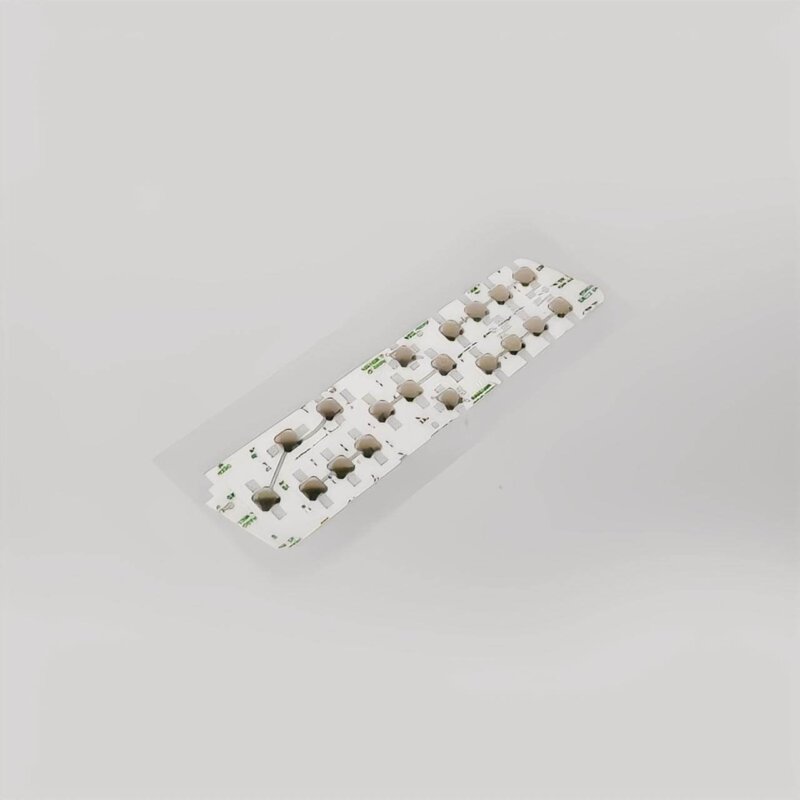
Understanding Custom Membrane Switch Layer Construction
The Graphic Overlay Layer
Surface graphics represent the most visually obvious customization opportunity. This top layer defines user perception and interaction experience immediately.
Customization options for graphic overlays include:
- Color schemes matching brand identity
- Texture selections from matte to glossy
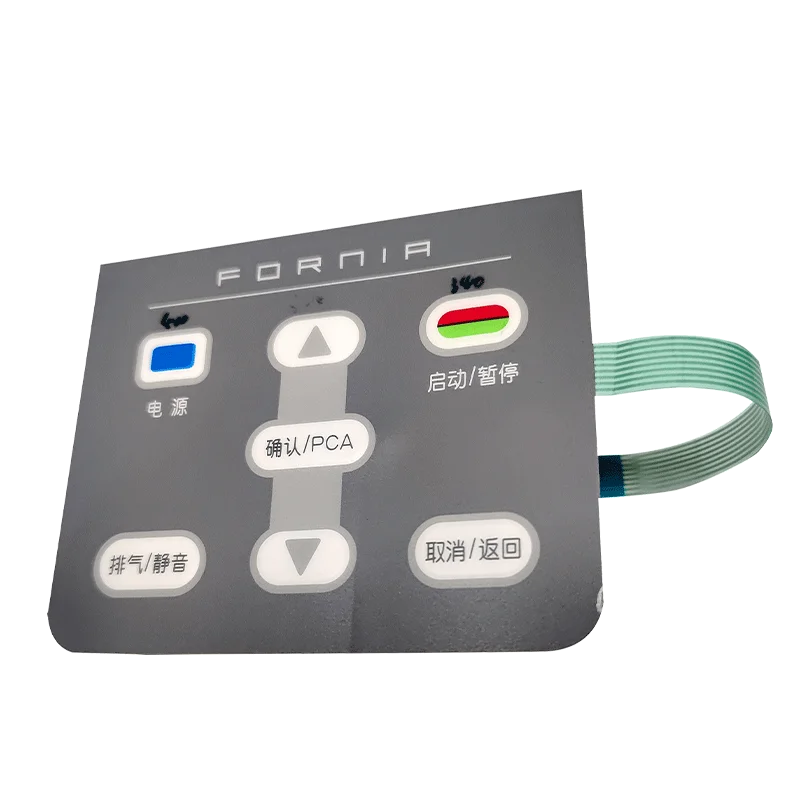
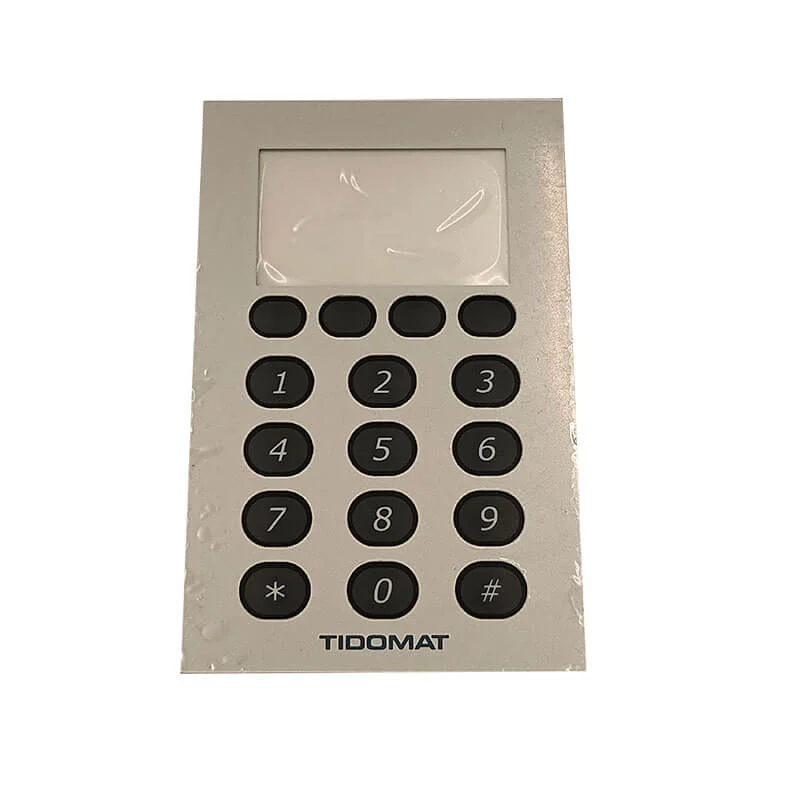
- Window cutouts for displays or indicators
- Embossing patterns for tactile button identification
- Surface treatments for enhanced durability
Material selection affects both appearance and performance. Polyester films remain most common, but polycarbonate options provide different characteristics. Thickness choices impact durability, flexibility, and embossing capabilities.
Printing methods vary too. Screen printing handles most applications well, while digital printing enables photographic imagery or complex gradients. UV-resistant inks prevent fading in outdoor applications. Chemical-resistant formulations survive harsh industrial environments.
The graphic overlay of a custom membrane switch creates first impressions that influence user confidence. Getting this layer right matters enormously.
Adhesive Layer Considerations
Adhesive layers bond components together while affecting assembly thickness and environmental resistance. Custom specifications here often get overlooked but impact performance significantly.
Factors worth specifying include:
- Bond strength requirements
- Temperature resistance range
- Chemical exposure tolerance
- Humidity and moisture resistance
- Thickness constraints
Pressure-sensitive adhesives work for most applications. Aggressive formulations bond reliably to textured surfaces. Lower-tack options allow repositioning during assembly. Medical-grade adhesives meet biocompatibility requirements when necessary.
Selective adhesive patterns enable unique constructions. Leaving certain areas unbonded creates air channels for tactile feedback or accommodates component clearances. A custom membrane switch manufacturer uses these techniques routinely.
Circuit Layer Design
The circuit layer transforms a custom membrane switch from decorative panel into functional interface. Silver-based conductive inks printed on flexible substrates create reliable circuitry at reasonable costs.
Circuit customization encompasses:
- Trace routing accommodating connector placement
- Multiple circuit layers for complex interfaces
- Shielding provisions for electromagnetic sensitivity
- LED integration for backlighting or indicators
- Connector type and position selection
| Circuit Feature | Standard Option | Custom Alternative |
|---|---|---|
| Conductor material | Silver ink | Carbon, copper flex |
| Substrate | Polyester | Polyimide for high temp |
| Layers | Single | Dual or multi-layer |
| Connector | ZIF tail | Pin headers, cables |
| Shielding | None | Printed or foil |
Connector selection deserves particular attention during custom membrane switch development. The interface must mate properly with customer electronics while surviving expected insertion cycles and environmental exposure.
Spacer Layer Functions
Spacer layers separate circuit layers, preventing inadvertent contact until intentional actuation occurs. Cutout patterns define active switch areas while solid regions maintain layer separation.
Customization options include:
- Material thickness affecting travel distance
- Adhesive selection for bonding requirements
- Vent provisions for altitude or pressure changes
- Cutout sizing influencing actuation characteristics
Seemingly minor spacer modifications alter how switches feel during operation. Larger cutouts reduce actuation force requirements. Thicker spacers increase travel distance. These interactions make spacer specifications important within custom membrane switch designs
Tactile Feedback in Custom Membrane Switch Assemblies
Metal Dome Integration
Metal domes provide crisp tactile feedback that users often prefer. These small formed metal components snap when pressed, creating distinct sensation confirming actuation.
Dome customization parameters include:
- Diameter affecting actuation area
- Height influencing travel feel
- Force requirements for actuation
- Snap ratio determining feedback intensity
- Material selection for lifecycle needs
Stainless steel domes suit most applications. Nickel-plated options offer specific performance characteristics. Gold plating prevents oxidation in demanding environments.
Dome arrays on carrier tape simplify assembly for custom membrane switch production. Positioning tolerances ensure proper alignment with circuit contacts and graphic overlay features.
Polyester Dome Alternatives
Poly domes offer softer feedback compared to metal versions. Some applications prefer this gentler response, particularly devices used extensively where aggressive clicking might fatigue users.
These formed polyester elements cost less than metal domes while still providing noticeable tactile sensation. Force and travel characteristics vary based on dome geometry. Custom membrane switch designers select parameters matching application preferences.
Non-Tactile Options
Not every application needs tactile feedback. Flat membrane switches without domes suit certain use cases perfectly well.
Advantages of non-tactile designs:
- Lower cost without dome components
- Thinner overall construction
- Extended lifecycle without mechanical fatigue
- Completely sealed surfaces possible
Visual or audible feedback substitutes for physical sensation when needed. LEDs confirming actuation or beep tones from connected electronics serve similar purposes through different means.
Environmental Customization for Custom Membrane Switch Performance
Sealing and Protection Options
Operating environments vary dramatically across applications. A custom membrane switch destined for outdoor equipment faces different challenges than one inside climate-controlled medical instruments.
Environmental protection features include:
- Perimeter sealing preventing moisture ingress
- Conformal coatings on circuit elements
- UV-stabilized overlay materials
- Extended temperature range adhesives
- Chemical-resistant surface treatments
IP ratings quantify protection levels. IP65 resists water jets while IP67 survives temporary immersion. Achieving higher ratings requires intentional design throughout every layer.
Temperature Range Considerations
Standard materials work acceptably within typical indoor temperature ranges. Extreme applications demand specialized selections.
Cold environments stiffen adhesives and reduce tactile dome responsiveness. Hot conditions accelerate material degradation and affect dimensional stability. A properly specified custom membrane switch handles expected temperature extremes without performance degradation.
The Custom Membrane Switch Development Process
From Concept to Production
Developing custom solutions follows generally predictable phases. Understanding this process sets appropriate timeline expectations.
Typical phases include:
- Requirements definition and specification
- Preliminary design and engineering review
- Prototype fabrication and evaluation
- Design refinement based on testing
- Production tooling and pilot runs
- Volume manufacturing
Timeline varies based on complexity and revision cycles. Simple designs might progress from concept to production within weeks. Complex assemblies requiring multiple prototype iterations often take months.
Working with Manufacturers
Effective collaboration accelerates development while improving outcomes. Providing complete requirements upfront prevents costly mid-project changes. Remaining responsive to manufacturer questions keeps projects moving forward.
Experienced custom membrane switch manufacturers offer valuable design input. Their fabrication knowledge identifies potential problems before they become expensive. Leveraging this expertise benefits projects significantly.
FAQ
How much do custom membrane switches typically cost compared to standard options?
Custom versions cost more due to engineering time and tooling requirements. However, per-unit pricing becomes comparable at moderate volumes once tooling amortizes. Total value often favors custom solutions when considering eliminated compromises and improved application fit.
What minimum quantities make custom membrane switch development practical?
Development costs spread across production quantities determine practicality. Some manufacturers accept prototype runs of ten units for evaluation. Production minimums typically start around 100-500 pieces depending on complexity. Higher volumes improve economics substantially.
How long does typical custom membrane switch development take?
Simple designs with minimal iterations might complete in four to six weeks. More complex projects involving multiple prototype cycles commonly require eight to twelve weeks. Highly regulated applications needing extensive documentation can extend beyond these ranges considerably.