
We have all been there. You are trying to change the channel on the TV, or maybe punch in a code on a security pad, and you just… aren’t sure. Did the button register? Did you press it hard enough? It felt squishy, like pushing your finger into a marshmallow.
That feeling is the enemy of good product design. It breeds uncertainty.
This is exactly why engineers and designers, when given the choice, often gravitate toward the snap dome switch. It isn’t just about closing a circuit; it is about the conversation between the device and the user’s fingertip. When you strip away the plastic casing and the fancy graphics, the metal dome is the component doing the heavy lifting, turning a vague intention into a definitive action.
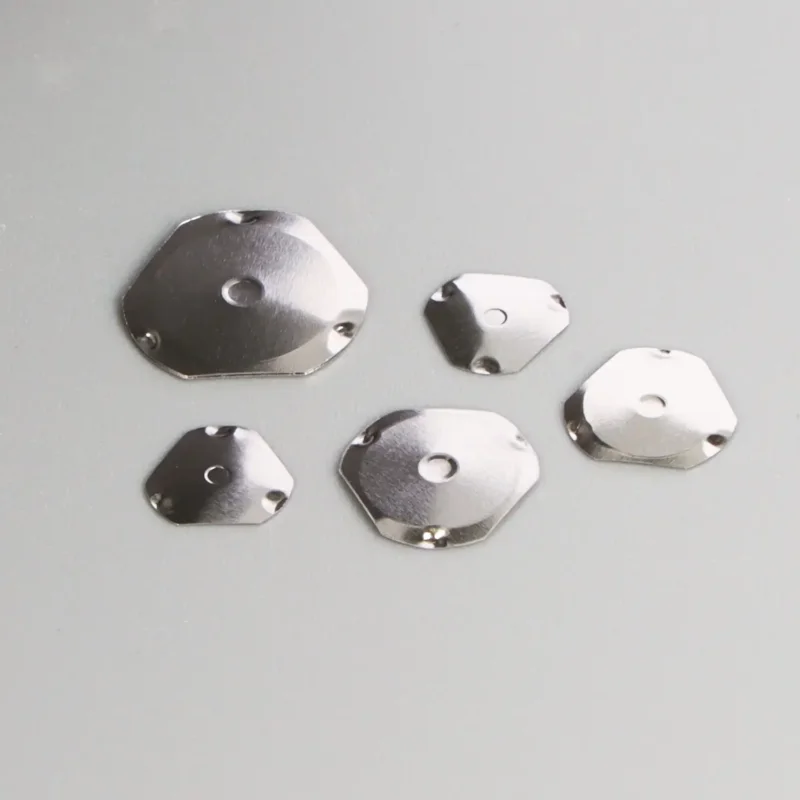
The Unmistakable Feel of a Snap Dome Switch
If you had to pick one reason to use this technology, it would be the click. In the industry, they call it “tactile ratio,” but really, it’s just that satisfying snap.
Unlike a rubber keypad which can feel linear and spongy, a snap dome switch uses the physical properties of metal tension. It resists your finger for a moment, building up pressure, and then suddenly gives way. That sudden collapse sends a sharp vibration up your finger.
It tells your brain: “Message received.”
- Positive Feedback: You don’t need to watch a screen to know you hit the button.
- Reduced Errors: Because you have to overcome that initial resistance (the actuation force), accidental light brushes against the keys don’t trigger unwanted commands.
Saving Space with a Snap Dome Switch Design
Have you noticed how everything is getting thinner? Phones, wearables, medical patches—nobody wants a bulky gadget anymore.
Standard mechanical switches are great, but they are giants in the world of microelectronics. They have housings, springs, and plungers. A snap dome switch, on the other hand, is practically two-dimensional. We are talking about a component that is often less than 0.5mm tall.
For a designer trying to pack a battery, a screen, and a motherboard into a fitness tracker, that space saving is pure gold. You can mount a dome directly on the PCB (Printed Circuit Board), cover it with a thin sticker (overlay), and you are done. No complex plastic molding required.
Reliability in Harsh Environments
Electronics hate water. They hate dust even more. The problem with traditional switches is that they often have gaps around the keys where these nasties can sneak in.
Because a snap dome switch system is usually flat, it allows for a completely sealed interface. The metal dome sits safely under a continuous layer of polyester or polycarbonate. You can wipe it down with bleach, spill coffee on it, or use it in a dusty workshop, and the switch itself stays hermetically sealed in its little air pocket.
Material Longevity
It’s not just about keeping the dirt out; it’s about the metal itself resisting fatigue. Most domes are made from high-grade stainless steel (like SUS 301). This isn’t the soft steel used in cheap toys. It’s tempered. A well-manufactured dome can be pressed over a million times without losing its “snap.”
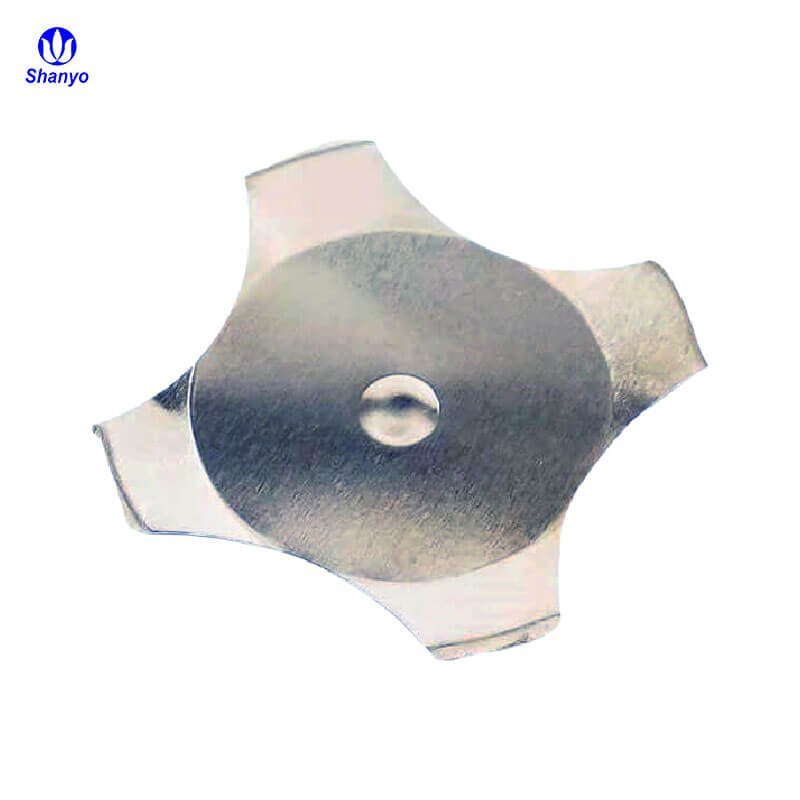
Comparing the Snap Dome Switch to Alternatives
| Feature | Conductive Rubber | Mechanical Tact Switch | Snap Dome Switch |
|---|---|---|---|
| Tactile Feel | Soft, Mushy | Good, Crisp | Sharp, distinct click |
| Profile (Height) | Medium (needs travel) | High (>3mm) | Ultra-Low (<1mm) |
| Sealing Ability | Moderate | Poor (unless specialized) | Excellent |
| Life Cycle | < 500k cycles | 100k – 1M cycles | 1M – 5M+ cycles |
Versatility in Snap Dome Switch Shapes
One size rarely fits all. The physics of the “snap” change depending on the shape of the metal. Designers can tune the feel of the button by choosing different geometries:
- Four-Leg Snap Dome Switch: These are the workhorses. They are stable and let air vent easily underneath, which is great for the feel.
- Round Snap Dome Switch: Good for tight spaces on the circuit board, but sometimes they seal too tightly and feel stiff if not vented properly.
- Triangle Snap Dome Switch: These usually require a lot of force to press. You use these when you really, really don’t want an accidental press (like on a heavy industrial machine).
Resource
For those interested in the deeper engineering principles or industry standards, the following resources are valuable:
- Switch (Electronics) – Wikipedia: A comprehensive overview of different switch types and their mechanisms.
- Stainless Steel Properties: Understanding the material science behind the fatigue resistance of steel used in springs and domes.
FAQ
Are snap dome switches expensive?
Individually, they are pennies. However, they usually require a bit of setup cost (tooling) to create the overlay or the specific array. But for mass production, they are generally cheaper than using bulky mechanical switches.
Can I repair a snap dome switch if it fails?
Not easily. Since they are often sealed under a graphic overlay, you usually have to peel up the whole face of the device to get to them. The good news is that because they are so simple (just a piece of metal), they rarely fail before the rest of the device does.
Do they require a special circuit board?
They require specific “landing pads” on the board. You need a ring of copper and a center dot of copper. The snap dome switch bridges the gap between them. It’s a standard design that any PCB manufacturer can handle.