
That satisfying click when pressing a button—it’s something users notice immediately, even if they can’t articulate why one device feels premium while another feels cheap. The secret behind that crisp, responsive sensation often comes down to snap dome buttons. These small metal components have quietly shaped user expectations across countless products, from car dashboards to kitchen appliances.
But why do designers keep returning to this technology? What makes snap dome buttons stand out when other switch options exist? The answers involve physics, psychology, and some practical engineering realities that make these components difficult to replace.
Understanding How Snap Dome Buttons Create Tactile Feedback
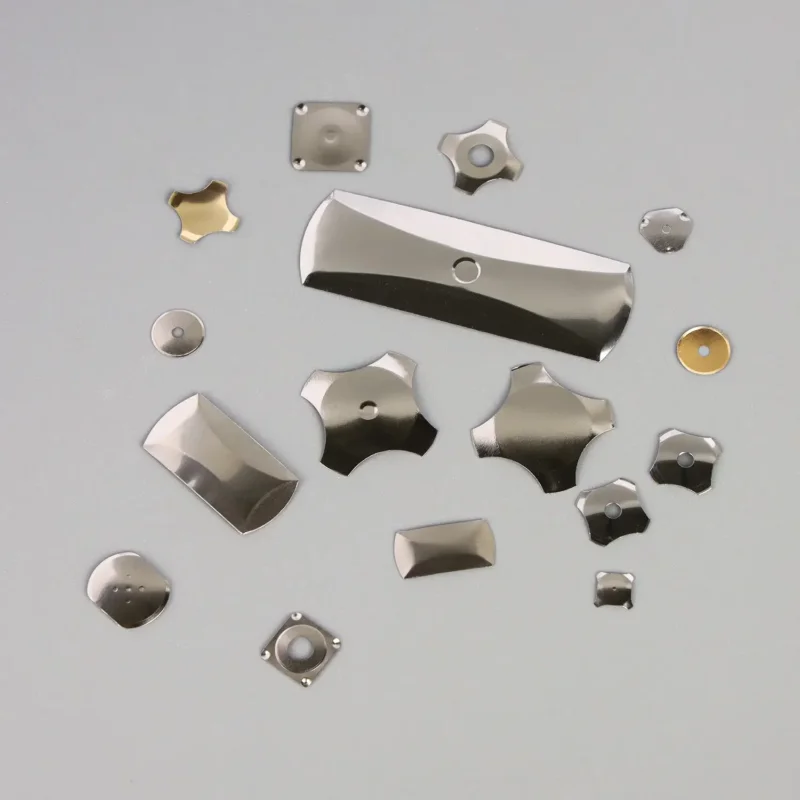
The mechanism is elegantly simple. A snap dome button is essentially a small, curved piece of spring steel that sits over electrical contacts on a circuit board. Apply pressure and the dome resists—up to a point. Then it suddenly collapses with a distinct click, completing the circuit below. Release pressure and the dome snaps back to its original shape, ready for the next press.
This snap action produces what engineers call a tactile ratio. It’s the difference between the force required to collapse the dome and the force felt immediately after collapse. Higher tactile ratios create more pronounced click sensations. A good snap dome button might have a tactile ratio of 40% or more, meaning the force drops significantly the moment actuation occurs.
That sudden force change is what fingers perceive as feedback. No guessing whether the button registered. No need to watch a screen for confirmation. The fingertip knows instantly.
Key Advantages Of Snap Dome Buttons
Consistent Feel Across Millions Of Presses
Durability matters enormously in switch design. Snap dome buttons routinely achieve 1 million to 5 million actuation cycles while maintaining consistent tactile characteristics. Some premium designs exceed 10 million cycles. The steel construction resists fatigue better than rubber alternatives, which tend to soften and lose their snap over time.
This consistency has real implications:
- Users don’t notice gradual degradation that affects satisfaction
- Products maintain premium feel throughout their service life
- Warranty claims related to button feel remain low
Excellent Tactile Response
The click feedback from snap dome buttons communicates information instantly. Compare this to membrane switches without domes—they work, but the mushy feel leaves users uncertain whether presses registered. That uncertainty causes repeated pressing, slower interactions, and general frustration.
Snap dome buttons eliminate this ambiguity. The clear tactile and audible response creates confidence. Interesting how something so small affects user perception so significantly.
Low Profile Design
Modern electronics keep getting thinner. Snap dome buttons accommodate this trend well. A typical dome might stand only 0.2mm to 0.4mm tall when at rest. This allows slim product profiles while maintaining genuine tactile feedback—something capacitive touch interfaces still struggle to replicate convincingly.
Cost-Effectiveness
Engineering decisions always involve tradeoffs, and cost matters. Snap dome buttons occupy a favorable position here:
| Switch Type | Relative Cost | Tactile Quality | Lifespan |
|---|---|---|---|
| Snap dome buttons | Low-Medium | Excellent | Very High |
| Rubber dome | Low | Moderate | Medium |
| Mechanical switch | High | Excellent | Very High |
| Membrane only | Very Low | Poor | Medium |
| Capacitive touch | Medium-High | None (simulated) | Very High |
Where Snap Dome Buttons Excel In Applications
Different products have different needs, but snap dome buttons show up across remarkably diverse applications:
- Consumer electronics—remote controls, gaming controllers, portable devices
- Automotive interfaces—steering wheel controls, dashboard buttons, climate systems
- Medical equipment—diagnostic devices, monitoring equipment, portable instruments
- Industrial controls—machinery panels, testing equipment, safety systems
- Appliances—microwave panels, washing machine controls, coffee makers
The common thread? All these applications benefit from clear user feedback and require reliability over extended use periods.
Automotive Applications
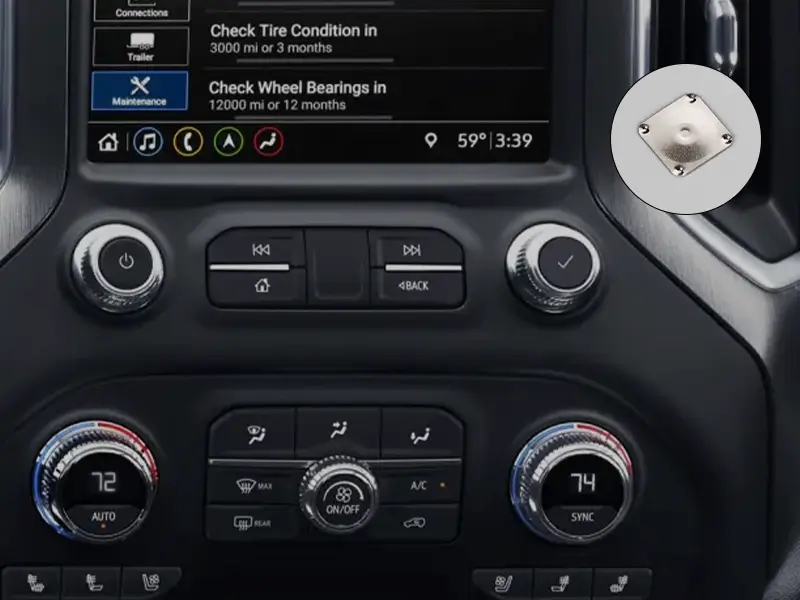
Cars present harsh conditions—temperature extremes, vibration, years of daily use. Snap dome buttons handle this environment well. The mechanical simplicity means fewer failure modes compared to more complex switch mechanisms. And drivers need that instant tactile confirmation when adjusting controls without taking eyes off the road.
Medical Device Requirements
Snap dome buttons in Medical applications demand reliability and cleanability. Snap dome buttons work well behind sealed membrane interfaces, protected from contamination while still providing positive tactile feedback. Operators wearing gloves particularly appreciate the definitive click that confirms input registration.
Comparing Snap Dome Buttons To Alternatives
Not every situation calls for snap dome technology, but understanding the comparison helps clarify when they’re the right choice:
Versus rubber domes: Snap dome buttons offer crisper feedback and longer lifespan. Rubber domes cost slightly less and produce softer, quieter actuation. For premium feel, metal domes typically win.
Versus mechanical switches: Full mechanical switches provide excellent feedback but consume more space and cost significantly more. Snap dome buttons deliver comparable tactile quality in thinner profiles at lower cost.
Versus capacitive touch: Touch interfaces offer flexibility and sleek aesthetics. However, they provide no physical feedback without additional haptic systems. Many products combine touch displays with snap dome buttons for critical controls—getting both visual flexibility and reliable physical feedback.
Factors Affecting Snap Dome Button Performance
Several variables influence how a snap dome button actually feels in use:
- Dome diameter: larger domes typically accommodate higher forces
- Material thickness: thicker steel means stiffer response
- Dome height: affects travel distance before actuation
- Overlay material: what sits between finger and dome changes perceived feel
- Actuation force: typically ranges from 100g to 500g
- Operating temperature: extreme cold stiffens response noticeably
Getting these factors right requires testing. Datasheets provide specifications, but actual feel evaluation in realistic conditions remains essential. If you want to know more about snap dome button, please read How to Design Snap Dome Buttons for Your Product.
FAQ
How loud are snap dome buttons?
The audible click varies by design but generally falls between 30-50 decibels at close range. This can be modified somewhat through overlay materials and dome geometry. Applications requiring quiet operation might specify designs optimized for lower acoustic output.
Can snap dome buttons be customized for specific force requirements?
Yes, manufacturers offer various force ratings and can often create custom specifications. Force depends primarily on dome diameter, material thickness, and dome height. Minimum order quantities usually apply for custom designs.
Do snap dome buttons work in outdoor environments?
Snap dome buttons function well outdoors when properly protected. The metal construction resists UV degradation that affects some plastics. Appropriate sealing and corrosion-resistant plating (gold or nickel) extend service life in humid or wet conditions.