
The Core Purpose of a Tactile Dome Switch in Electronics
A tactile dome switch serves one fundamental purpose: to provide a momentary electrical connection while giving the user physical feedback. That little click or bump felt when pressing a button? That’s the tactile dome switch doing exactly what it was designed to do.
Unlike other switching mechanisms that might stay locked in position, a tactile dome switch returns to its original state immediately after release. This momentary action makes it perfect for input signals—think pressing a keyboard key, adjusting volume, or navigating a menu. The switch completes a circuit briefly, sends the signal, then opens the circuit again.
But here’s what really sets it apart from simple momentary switches. The tactile feedback component. Users can feel the activation point without looking at the device. This seems like a small thing until you consider how often people interact with buttons while focused elsewhere. Typing while watching a screen. Changing TV channels in a dark room. Adjusting car controls while driving.
The purpose extends beyond mere electrical function into user experience territory. A well-designed tactile dome switch makes devices feel responsive and reliable. A poorly chosen one makes products feel cheap or frustrating to use.
How a Tactile Dome Switch Achieves Its Purpose
Internal Components and Operation
Inside most tactile dome switches, a small metal dome sits above contact points on the base. When pressure applies to the actuator, this dome deforms and makes contact with the circuit below. The dome’s curved shape creates resistance at first, then suddenly gives way—producing that characteristic snap feeling.
The key components include:
- Metal dome (provides tactile feedback and switching action)
- Contact points (complete the circuit)
- Actuator or plunger (receives user input)
- Housing (protects internal parts)
- Terminals (connect to PCB)
This arrangement accomplishes two things simultaneously. It closes an electrical circuit when pressed. And it tells the user through touch that the action registered successfully.
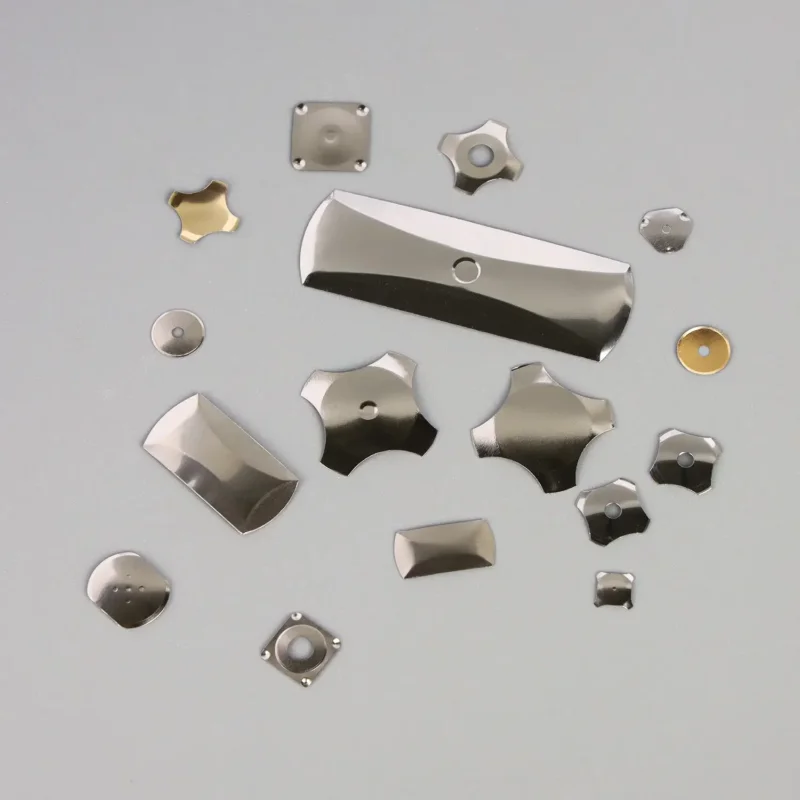
The Dome Feedback Mechanism
The tactile feedback isn’t accidental. Engineers specifically design the dome’s force curve—how resistance changes through the press—to create a satisfying response. Some domes have a gentle bump. Others produce a sharp click. The choice depends on the application.
Operating force typically ranges from 100 to 500 grams. Lower force suits rapid repeated pressing, like gaming controllers. Higher force prevents accidental activation in portable devices that get jostled around in bags or pockets.
Primary Applications Where Tactile Dome Switches Fulfill Their Purpose
| Application Category | Specific Examples | Why Tactile Dome Switches Work Here |
|---|---|---|
| Consumer Electronics | Remotes, keyboards, game controllers | Frequent use, feedback needed |
| Medical Devices | Patient monitors, diagnostic equipment | Confirmation of input critical |
| Industrial Controls | Machine interfaces, handheld tools | Reliability in harsh conditions |
| Tactile dome switches in Automotive | Dashboard controls, steering wheel buttons | Eyes-free operation essential |
| Home Appliances | Microwaves, washing machines, thermostats | Simple interface requirements |
| Telecommunications | Phones, networking equipment | Compact size with clear feedback |
Consumer Electronics
This category probably accounts for the highest volume of tactile dome switch usage globally. Every TV remote, computer keyboard, wireless mouse, and gaming controller contains multiple tactile dome switches. The purpose here centers on responsive, satisfying input that users repeat thousands of times over the product’s life.
Medical and Industrial Settings
In these environments, the tactile dome switch purpose shifts toward reliability and confirmation. When a nurse adjusts an IV pump or a machine operator initiates a process, they need absolute certainty the input registered. The dome’s tactile feedback provides that assurance without requiring visual confirmation.
Benefits That Support the Tactile Dome Switch Purpose
Several characteristics make tactile dome switches particularly suited to their intended role:
- Immediate physical feedback confirms activation
- Compact size fits modern slim devices
- Long operational lifespan (often exceeding 100,000 cycles)
- Low cost enables use in budget products
- Simple electrical integration with digital circuits
- Available in numerous dome configurations
The dome feedback aspect deserves emphasis. Other momentary switches exist—membrane switches, capacitive touch sensors—but none provide the same physical confirmation. There’s something psychologically satisfying about feeling a dome click. It builds user confidence in the device.
Cost efficiency matters too. A tactile dome switch might cost pennies in volume. This makes them viable for everything from premium electronics to disposable devices.
Conclusion
The purpose of a tactile dome switch ultimately comes down to bridging human intention with electronic response. It converts physical pressure into electrical signals while simultaneously confirming to the user that their input was received.
This dual function—electrical switching plus tactile feedback—explains why these simple components remain so prevalent despite advances in touch screens and gesture controls. Sometimes the most effective interface is still a button that clicks when pressed. There’s clarity in that interaction, a directness that more sophisticated technologies often lack. If you want to know more about tactile dome switch, please read about What Is A Tactile Dome Switch.
Frequently Asked Questions
What makes a tactile dome switch different from a regular push button?
A tactile dome switch specifically provides physical feedback at the actuation point. Regular push buttons might simply complete a circuit without any defined tactile response. The feedback mechanism—usually a metal dome—distinguishes tactile dome switches and lets users feel when activation occurs.
How long does a tactile dome switch typically last?
Standard tactile dome switches are rated for 100,000 to 300,000 cycles. Industrial and high-quality versions can reach 1 million to 10 million cycles. Actual lifespan depends on operating conditions, applied force, and environmental factors. Quality varies significantly between manufacturers.
Can a tactile dome switch handle high current loads?
No, tactile dome switches are designed for low-current signal applications, typically under 50mA at 12V. They’re meant to trigger digital inputs or microcontroller signals, not switch power directly. For higher current requirements, relays or power-rated switches are necessary.