
Understanding the Core Function of a Metal Dome Array
Push a button on almost any remote control, and there’s a good chance a metal dome array is working behind the scenes. These unassuming components serve critical roles in countless electronic devices, yet most people never give them a second thought. Which is probably how it should be—when switches work reliably, nobody notices them.
So what exactly does a metal dome array do? At its most basic level, it functions as a tactile switch interface. But that description barely scratches the surface of why these components remain so widely used across industries. The full picture involves mechanical feedback, electrical switching, and several engineering advantages that alternatives struggle to match.
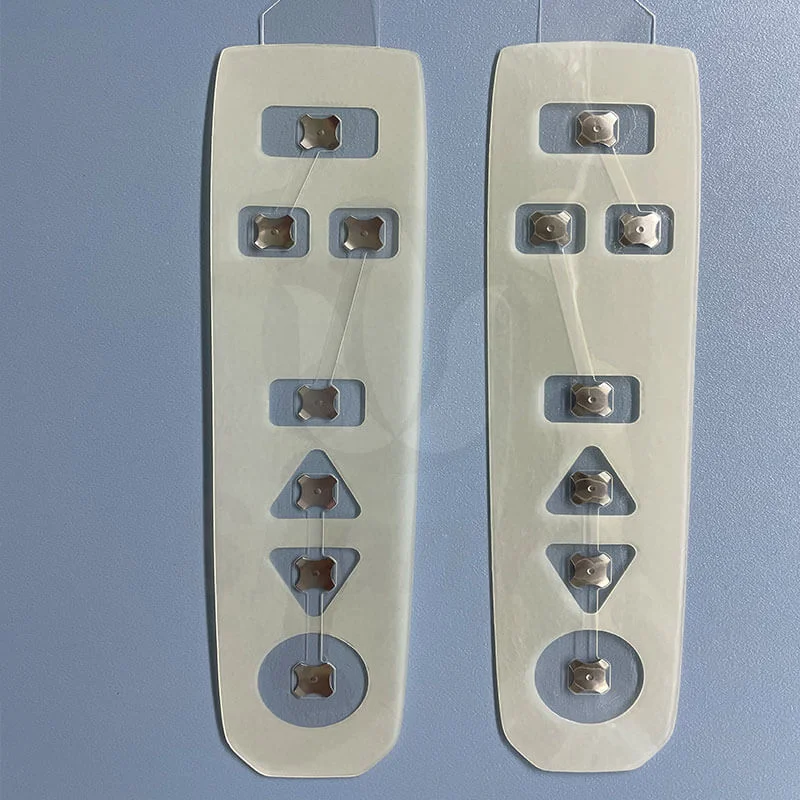
Primary Functions of a Metal Dome Array in Electronics
Tactile Feedback Generation
Perhaps the most noticeable function—from a user perspective anyway—is the tactile click that metal dome arrays produce. When pressed, each dome collapses with a distinct snap sensation. This feedback serves multiple purposes:
- Confirms to users that input was registered
- Prevents accidental double-presses
- Creates satisfying interaction experience
- Reduces need to look at device during operation
That click isn’t just pleasant. It’s functional information communicated through touch. Users learn to associate the sensation with successful input, building muscle memory over time.
Electrical Circuit Completion
Beyond the tactile element, the fundamental electrical function matters most from a technical standpoint. Each dome in a metal dome array acts as a normally-open switch. In the resting state, no electrical connection exists. When pressed, the dome’s center contacts the PCB pad below, completing the circuit.
This switching action happens rapidly and cleanly. The snap mechanism ensures definitive contact rather than gradual connection, which reduces electrical noise and bouncing issues common with some other switch types.
Mechanical Return Force
The metal dome array also functions as its own return spring mechanism. After pressure releases, stored mechanical energy in the deformed steel snaps the dome back to its original convex shape. This eliminates the need for separate spring components, simplifying overall assembly design.
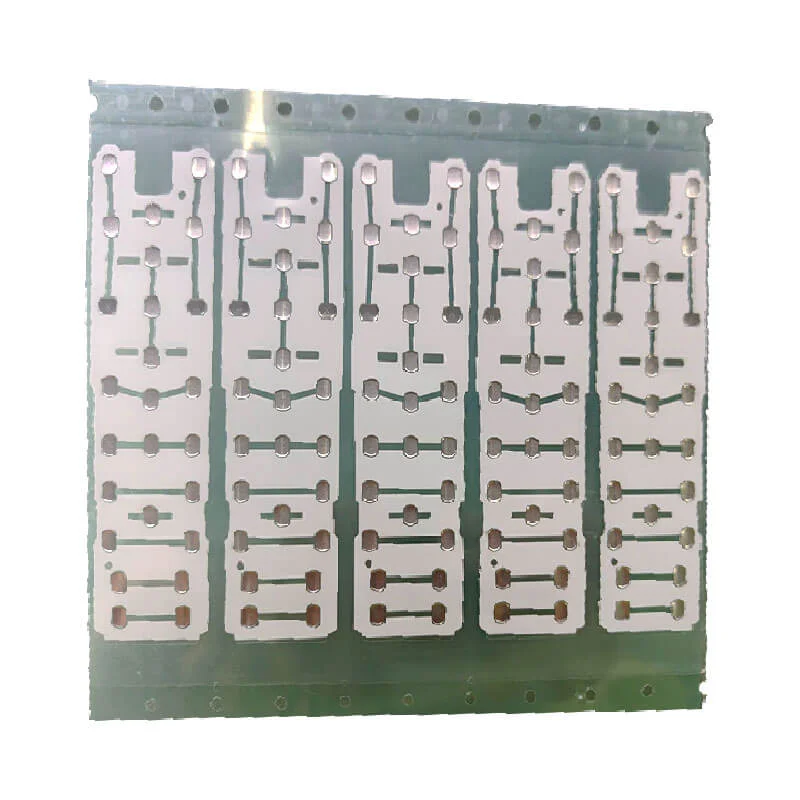
How Metal Dome Array Functions Compare to Alternatives
| Function | Metal Dome Array | Rubber Dome | Membrane Switch | Mechanical Switch |
|---|---|---|---|---|
| Tactile feedback | Crisp, distinct click | Soft, mushy feel | Minimal to none | Very pronounced |
| Actuation force | 150-350g typical | Variable, often soft | Light touch | Variable by type |
| Lifespan | 1-5 million cycles | 500K-1M cycles | 1-3 million cycles | 50+ million cycles |
| Cost per switch | Low-medium | Very low | Very low | High |
| Profile height | Very thin | Medium | Thinnest | Tall |
The metal dome array occupies a middle ground that suits many applications well. Not the cheapest option, but not expensive either. Good tactile feedback without excessive bulk. Reasonable lifespan for most consumer products.
Specific Application Functions of Metal Dome Arrays
Different industries leverage the metal dome array’s functions in various ways, sometimes emphasizing certain characteristics over others.
Consumer Electronics Function
In remote controls, calculators, and similar devices, the primary function is providing reliable input with clear feedback. Users need confidence that button presses register correctly. The metal dome array delivers this without adding significant cost or thickness to product designs.
Industrial Control Panel Function
For industrial applications, durability becomes a more critical function. Equipment operators may press the same buttons thousands of times daily. The metal dome array’s rated lifespan of millions of cycles handles this demand effectively. Plus, the consistent actuation force prevents operator fatigue during extended use.
Medical Device Function
Medical equipment demands reliability above almost everything else. A metal dome array in medical devices functions as a dependable interface that won’t fail at critical moments. The sealed construction also supports cleaning and sterilization requirements common in healthcare environments.
Automotive Interface Function
Dashboard controls and steering wheel buttons often incorporate metal dome arrays. Here the function extends to operating reliably across temperature extremes. From freezing winter mornings to summer heat, the switches must respond consistently. Metal construction handles these thermal variations better than some alternatives.

The Function of Metal Dome Array Components
Dome Shape Function
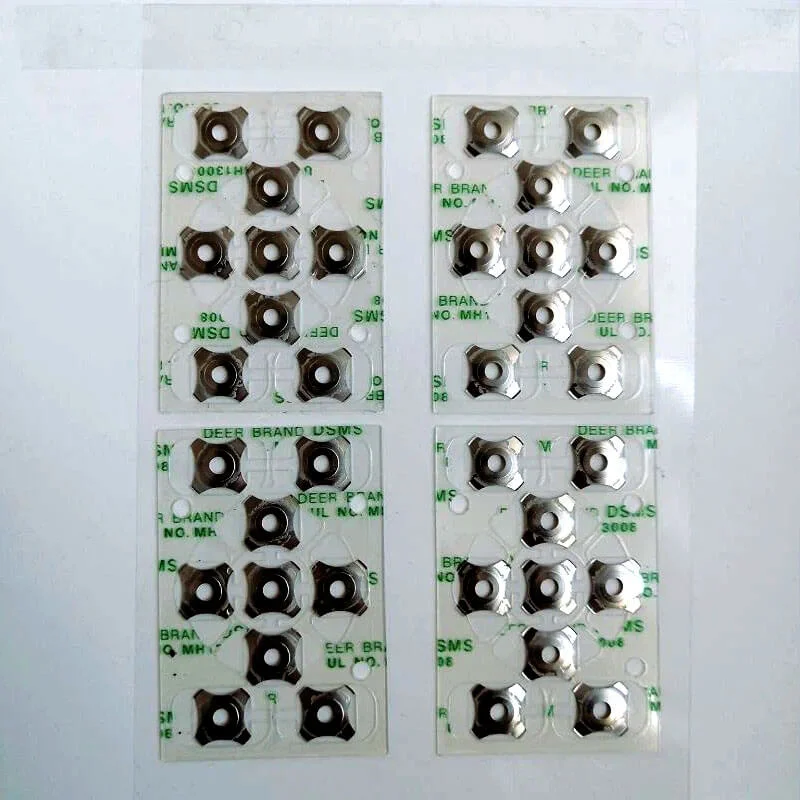
The dome’s curved geometry isn’t arbitrary. This shape stores mechanical energy when depressed and releases it during return stroke. Different dome configurations—four-leg, triangle, round—serve slightly different functional requirements:
- Four-leg domes center force distribution evenly
- Triangle domes fit compact spaces efficiently
- Oblong domes accommodate elongated button shapes
- Round domes provide omnidirectional actuation
Carrier Film Function
The polyester carrier serves organizational and protective functions. It maintains precise dome spacing across the array. During handling and installation, the carrier prevents individual domes from shifting or falling out of position. Some carrier designs also include venting features to equalize air pressure during actuation.
Adhesive Layer Function
Adhesive serves the obvious mounting function, but also contributes to environmental sealing in some designs. Properly applied adhesive prevents moisture and contaminants from reaching contact surfaces, extending operational lifespan considerably.
Secondary Functions Worth Noting
EMI Shielding Contribution
The metal construction offers mild electromagnetic shielding effects. While not a primary function, this characteristic sometimes proves beneficial in sensitive electronic environments where stray signals cause problems.
Grounding Function
In certain circuit designs, the metal dome array participates in grounding schemes. The conductive domes can connect to ground planes, helping manage static discharge and protecting sensitive components downstream.
Consistency Standardization
Perhaps underappreciated, the metal dome array functions as a consistency mechanism across production batches. Each dome exhibits nearly identical actuation characteristics, making quality control straightforward and user experience predictable regardless of which specific unit someone purchases.
Summarizing Metal Dome Array Functions
The function of a metal dome array extends well beyond simple switching. These components provide tactile confirmation, reliable electrical contact, self-returning mechanical action, and consistent performance across demanding conditions. Understanding these functions explains their continued popularity despite decades of availability. When a design requires thin profile, good feedback, reasonable cost, and proven reliability, the metal dome array often emerges as the sensible choice. If you want to know more about metal dome array, please read abut What Is a Metal Dome Array.
FAQ
What is the main function of a metal dome array in electronic devices?
The primary function involves providing tactile feedback and reliable electrical switching when users press buttons. The dome collapses under pressure to complete a circuit, then returns to its original shape when released, ready for the next actuation.
Can a metal dome array function in extreme temperature environments?
Yes, metal dome arrays typically function reliably across wide temperature ranges, roughly -40°C to +80°C for standard versions. The metal construction maintains consistent properties across these temperatures better than rubber or plastic alternatives, making them suitable for automotive and outdoor applications.
Does a metal dome array function differently than a membrane switch?
Significantly, yes. While both serve switching functions, membrane switches offer minimal tactile feedback compared to the distinct click of a metal dome array. The dome’s snap-action mechanism creates clear physical confirmation of actuation that membrane designs cannot replicate.