
Understanding the Tactile Dome Switch and Its Basic Function
A tactile dome switch is a type of momentary switch that provides physical feedback when pressed. This feedback—often described as a small bump or click—lets the user know the switch has been activated. Unlike toggle switches that stay in position, a tactile dome switch returns to its original state once pressure is released.
These switches are everywhere, really. Computer keyboards, TV remotes, game controllers, medical devices, industrial equipment. Most people interact with tactile dome switches dozens of times daily without giving it much thought. The satisfying click when pressing a button? That’s usually a tactile dome switch doing its job.
How Does a Tactile Dome Switch Work?
The internal mechanism is relatively straightforward, though the engineering behind it requires precision.
Inside a typical tactile dome switch, you’ll find these components:
- A curved metal dome (the key element)
- Contact points beneath the dome
- A plunger or actuator
- Housing (usually plastic)
- PCB or flexible circuit base
When the actuator gets pressed down, it deforms the metal dome. This dome then collapses and makes contact with the circuit underneath, completing the electrical connection. The dome’s curved shape creates that characteristic resistance and snap feeling. Release the pressure, and the dome springs back to its original form, breaking the circuit.
Common Types of Tactile Dome Switch Designs
Not all tactile dome switches are created equal. Several variations exist based on leg configuration and dome shape, each offering distinct characteristics for different applications.
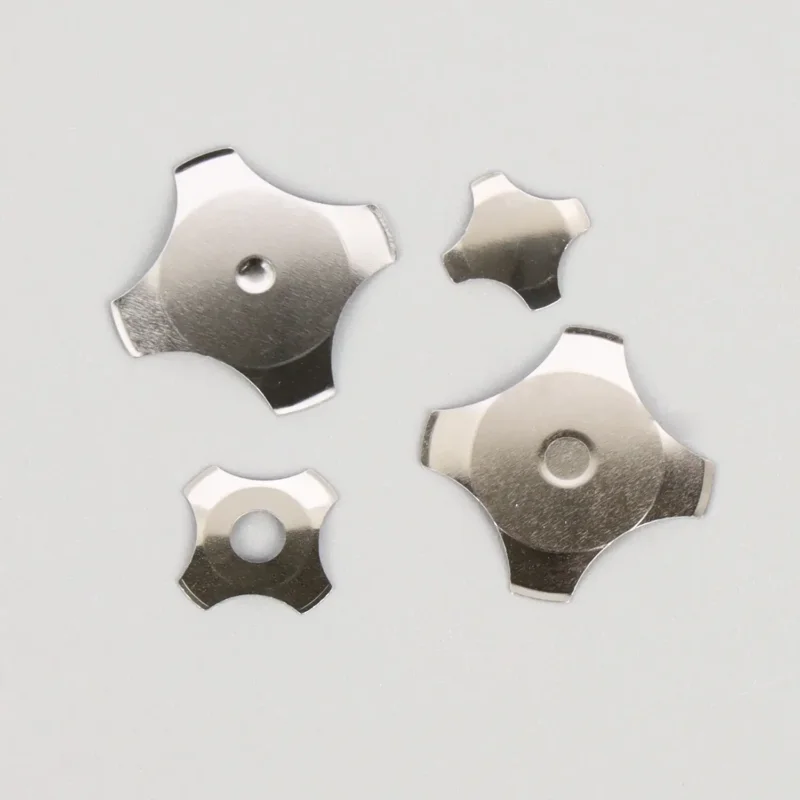
Four Leg Tactile Dome Switch
The four leg tactile dome switch is probably the most recognizable design out there. It features four pins extending from the corners of a square or rectangular housing. Two pins connect internally on each side, so electrically speaking, it functions as a two-terminal device despite having four legs.
Why four legs if only two are needed electrically? Stability, mostly. The extra pins provide mechanical anchoring to the PCB, preventing the switch from twisting or lifting during repeated use. This design handles the stress of thousands of button presses without loosening from the board.
Round Tactile Dome Switch
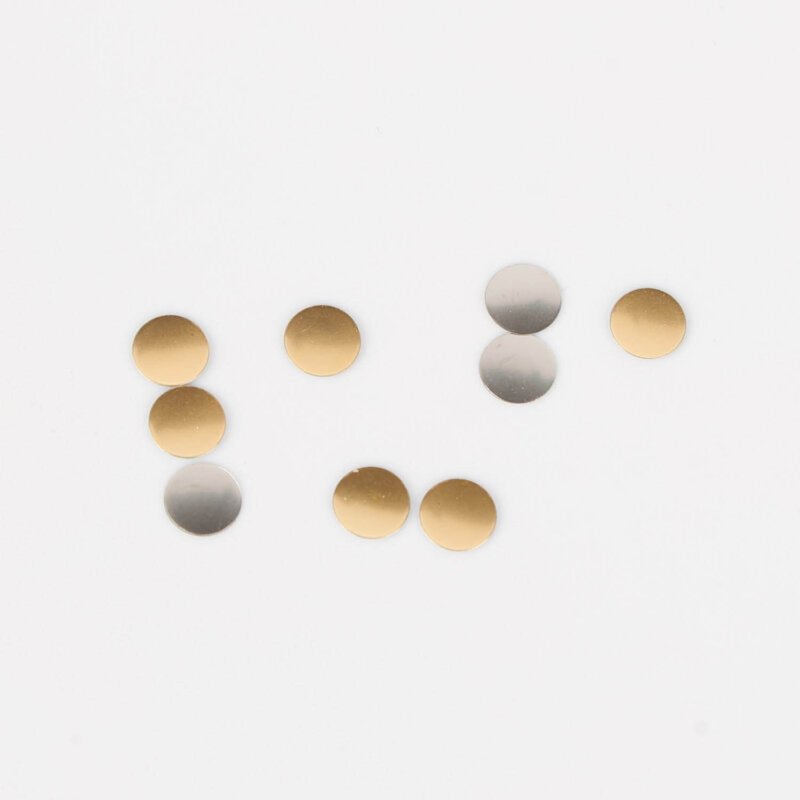
The round tactile dome switch represents the traditional dome shape used inside many tactile dome switches. It’s exactly what the name suggests—a circular metal dome that provides the snap action when pressed.
Round domes offer consistent feedback regardless of where pressure gets applied on the actuator. Press the center, press slightly off-center, the feeling stays pretty much the same. This uniformity makes round dome switches forgiving to use.
Characteristics of round tactile dome switchs include:
- Even force distribution across the contact area
- Predictable click response
- Good durability over many cycles
- Moderate tactile feedback intensity
Round domes work well in applications where users might press buttons at slight angles or without looking directly at the control. Remote controls benefit from this forgiving nature, as do devices operated by touch alone.
Oval Tactile Dome Switch
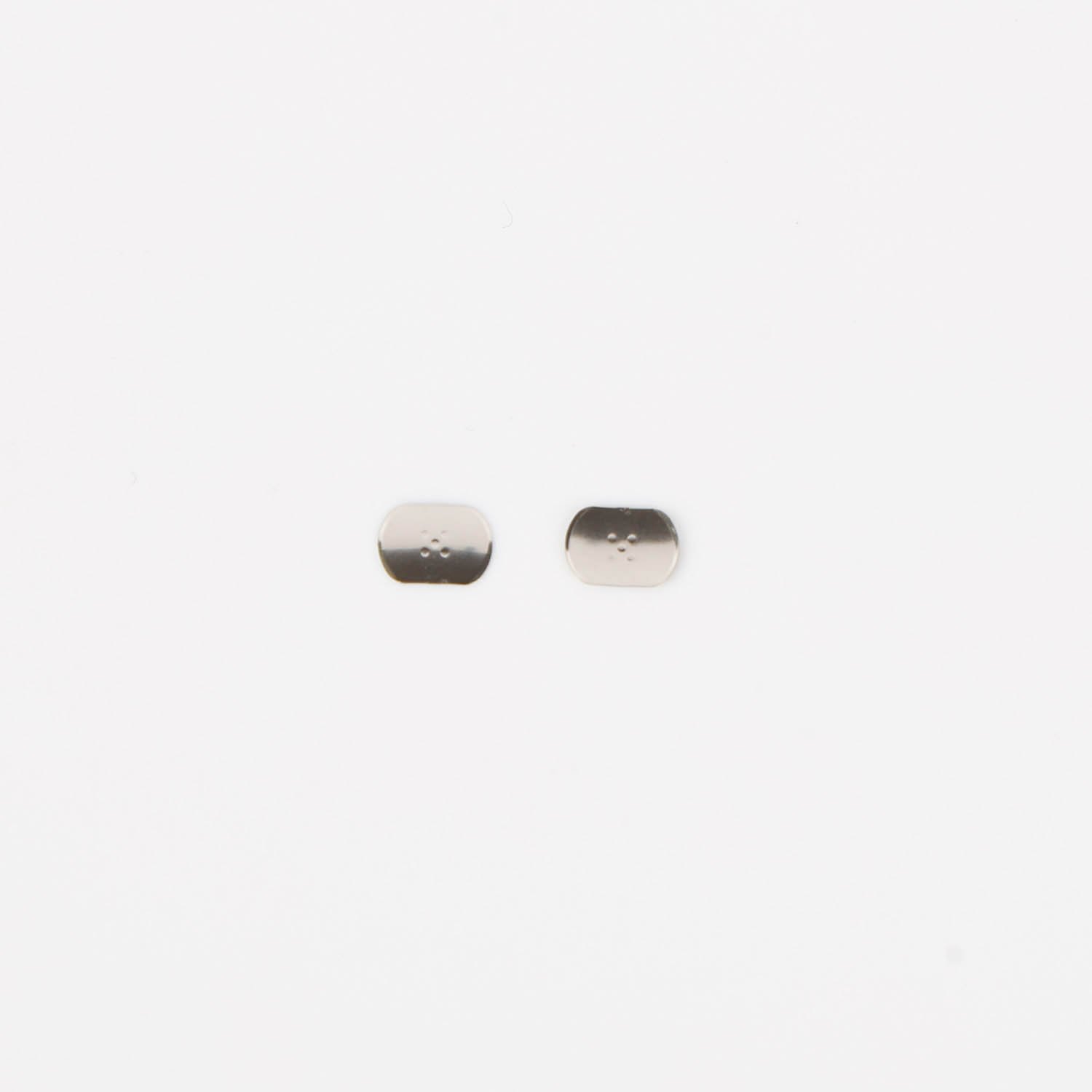
The oval tactile dome switch—sometimes called oblong or elongated dome—offers a different feedback profile compared to its round counterpart. The elongated shape affects how force distributes during actuation.
Pressing along the longer axis feels slightly different than pressing along the shorter axis. This isn’t necessarily a flaw; some designers actually prefer this characteristic for specific applications. It can provide subtle directional feedback in certain control layouts.
Key Specifications When Choosing a Tactile Dome Switch
Selecting the right tactile dome switch involves balancing several parameters. Here’s a breakdown of the most important ones:
| Specification | Typical Range | Why It Matters |
|---|---|---|
| Operating Force | 100g – 500g | Affects user feel and accidental activation |
| Travel Distance | 0.15mm – 0.5mm | Determines how far the button moves |
| Lifespan | 100,000 – 10,000,000 cycles | Critical for high-use applications |
| Contact Rating | 12V/50mA typical | Must match circuit requirements |
| Operating Temperature | -40°C to +85°C | Important for harsh environments |
| Mounting Type | Through-hole or SMD | Depends on PCB design and assembly process |
Where Tactile Dome Switches Get Used
The applications are genuinely broad. Some common ones include:
- Consumer electronics (remotes, keyboards, gaming controllers)
- Medical devices (monitors, portable diagnostic equipment)
- Automotive controls (dashboard buttons, steering wheel controls)
- Industrial machinery (control panels, handheld instruments)
- Home appliances (microwaves, washing machines, coffee makers)
- Telecommunications equipment
What’s interesting is how the same basic technology scales across such different contexts. A tactile dome switch in a children’s toy and one in an MRI machine share the same fundamental operating principle, though the quality, durability, and certifications differ dramatically.
Medical and automotive applications typically require switches that meet specific safety standards. These cost more but offer documented reliability and traceability that consumer-grade components don’t provide.
Benefits and Limitations of Tactile Dome Switches
Advantages
- Clear feedback confirms activation
- Compact size suits modern electronics
- Low cost in high volumes
- Long lifespan when properly rated
- Simple integration with digital circuits
- Wide variety of dome configurations available
Drawbacks
- Limited current handling capacity
- Not suitable for high-power switching
- Can wear out in extremely high-cycle applications
- Smaller variants may feel less satisfying to press
- Dust and moisture can affect performance without proper sealing
For applications requiring higher power switching, relays or different switch types become necessary. A tactile dome switch handles signal-level currents well but shouldn’t be asked to switch motors or heating elements directly.
Tactile Dome Switch vs Other Switch Types
People sometimes confuse tactile dome switches with similar components. Here’s how they compare to alternatives:
Tactile Dome vs Membrane Switches: Membrane switches use printed circuits on flexible layers. They’re thinner and often cheaper for large button arrays, but the tactile feedback is usually less pronounced. Many devices combine both—a membrane layer with tactile domes underneath for better feel.
Tactile Dome vs Mechanical Keyboard Switches: Mechanical keyboard switches are essentially larger, more robust versions with longer travel and stronger feedback. The premium keyboard market loves them for typing feel, though they cost significantly more per switch.
Tactile Dome vs Rubber Dome: Rubber domes provide softer, quieter feedback compared to metal tactile domes. Metal domes feel crisper and more defined. Rubber versions suit applications where noise is a concern.
Final Thoughts on the Tactile Dome Switch
The tactile dome switch represents one of those components that succeeds by doing a simple job reliably. It bridges the gap between human intention and electronic response, providing that small but meaningful confirmation with every press.
From engineering prototypes to mass-produced consumer goods, these switches remain a fundamental building block. Understanding their specifications and variations—whether four leg designs, round domes, or oval domes—helps in selecting the right component for any given application.
The technology continues evolving too. Smaller packages, longer lifespans, better sealing options. But the core concept stays the same: press, feel the dome collapse, release. Sometimes the simplest solutions really are the most enduring ones.
Frequently Asked Questions
What is the lifespan of a typical tactile dome switch?
Most standard tactile dome switches are rated for 100,000 to 300,000 cycles. Higher-quality versions designed for industrial or medical use can reach 1 million to 10 million cycles. Actual lifespan depends on operating conditions, force applied, and environmental factors like dust or humidity.
Can tactile dome switches be used outdoors?
Standard tactile dome switches aren’t weatherproof. However, sealed versions with IP ratings exist for outdoor or harsh environment applications. These cost more but protect the dome against dust and moisture ingress. Alternatively, the entire assembly can be housed in a weatherproof enclosure.
What is the difference between round and oval tactile domes?
Round tactile domes provide uniform feedback regardless of press angle, making them forgiving and consistent. Oval tactile domes offer slightly varied feedback depending on which axis receives pressure, and they fit better in slim or elongated button designs. The choice depends on device form factor and desired user experience.