
Understanding the Basics of a Snap Dome Switch
A snap dome switch is a type of momentary switch that provides tactile feedback when pressed. The name comes from the distinctive “snap” or “click” feeling users experience during activation. This feedback happens because of a thin metal dome—usually made from stainless steel—that collapses and then returns to its original shape.
These switches have been around for decades, yet they continue to be relevant in modern electronics. Why? Well, the simplicity of the design combined with reliable performance makes them hard to replace. Unlike some newer touch-sensitive alternatives, a snap dome switch gives users physical confirmation that their input registered. That might sound like a small thing, but anyone who has dealt with unresponsive touch panels knows how frustrating missed inputs can be.
The basic structure includes a dome sitting over a contact point on a printed circuit board. When pressure is applied, the dome inverts, makes contact, completes the circuit, and then pops back up when released. Simple, effective, and surprisingly durable.
Types and Variations of Snap Dome Switch Designs
Not all snap domes are created equal. Manufacturers produce various configurations to meet different requirements.
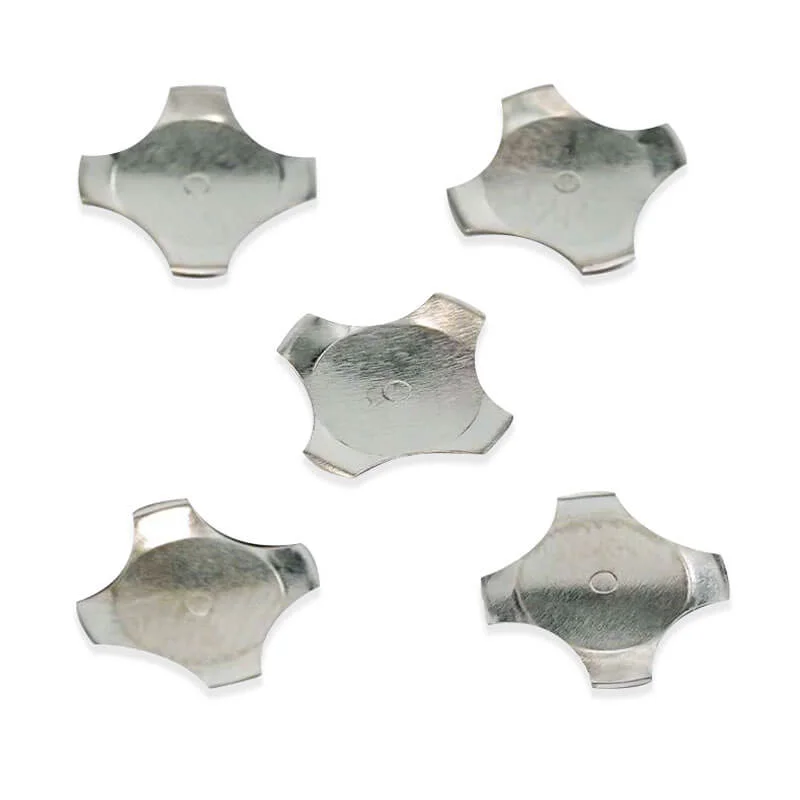
The four-leg snap dome switch design remains the most popular choice for general applications. Triangle snap dome switch works well when space is limited. Square snap dome switch suits applications requiring a different actuation area. Oval snap dome switches provide a balanced option between round and square configurations, fitting nicely in mid-sized control panels. Round dome switches, perhaps the most traditional form, offer uniform actuation from any direction and appear frequently in simple button interfaces.
Selection usually depends on factors like:
- Required actuation force
- Available space on the circuit board
- Expected product lifespan
- Budget constraints
- Environmental conditions
Common Applications Where Snap Dome Switch Technology Excels
Consumer Electronics
Remote controls, gaming controllers, and kitchen appliances frequently use these switches. The tactile response helps users navigate menus or adjust settings without constantly looking at the device. Television remotes, in particular, rely heavily on this technology—probably more than most people realize.
Medical Devices
In healthcare settings, reliability is everything. Medical equipment manufacturers often choose snap dome switches for monitors, diagnostic tools, and portable devices. The consistent feedback helps operators confirm inputs during critical moments, which matters quite a lot when patient safety is involved. mandatory.
Industrial Control Panels
Factory floors and industrial environments demand components that can handle repeated use. Control panels, machinery interfaces, and testing equipment commonly incorporate these switches. They hold up well under harsh conditions, including exposure to dust, moisture, and temperature fluctuations.
Automotive Interiors
Dashboard controls, steering wheel buttons, and seat adjustment panels frequently feature snap dome technology. Drivers need to operate these controls without taking their eyes off the road, so the tactile feedback becomes a safety feature in a sense.
Why Manufacturers Still Prefer Snap Dome Switch Components
Given all the advances in touch technology, capacitive sensing, and haptic feedback systems, one might wonder why snap dome switches remain so widely used. Several reasons explain their continued popularity.
Cost Effectiveness
These components are inexpensive to produce, especially in high volumes. For products where margins are tight, every fraction of a cent matters. A snap dome switch costs significantly less than more sophisticated alternatives while delivering adequate performance for many applications.
Proven Reliability
Decades of use across countless products have demonstrated that these switches work. They can handle millions of actuations without failure in many cases. That kind of track record builds confidence among design engineers and product managers.
Easy Integration
The technology integrates smoothly with existing manufacturing processes. No special equipment or training is typically required. Assembly can be automated relatively easily, which keeps production costs down.
Design Considerations When Implementing a Snap Dome Switch
Engineers selecting these components need to think through several factors:
- Actuation force—how hard should users press?
- Travel distance—how far should the dome move?
- Tactile ratio—how pronounced should the click feel?
- Operating temperature range
- Expected lifecycle in number of actuations
- Resistance to environmental factors
Getting these parameters wrong can lead to user complaints. Too stiff, and the buttons feel unresponsive. Too soft, and accidental presses become common. Finding the right balance takes some experimentation and user testing.
Overlay graphics also deserve attention. The membrane or label covering the switch affects how the tactile feedback transmits to the finger. Thick overlays can muffle the snap sensation, making the interface feel mushy or vague.

Final Thoughts on Snap Dome Switch Applications
The snap dome switch occupies an interesting position in the world of electronics. It is neither flashy nor particularly innovative at this point—the technology has been refined over many years. Yet it continues to appear in products ranging from cheap remote controls to expensive medical equipment.
This persistence speaks to something important about interface design. Sometimes the best solution is not the newest or most sophisticated one. Sometimes it is the option that simply works, costs little, and gives users the feedback they expect. For many applications, that description fits the snap dome switch perfectly well.
Manufacturers looking for reliable, cost-effective input solutions will likely continue specifying these components for years to come. The technology may eventually fade as alternatives improve, but that day seems distant. For now, the humble snap dome remains a workhorse of the electronics industry.
If you want to know more about dome switch, please read What is a dome switch?
Frequently Asked Questions
How long does a snap dome switch typically last?
Most quality snap dome switches are rated for one million to five million actuations. Some premium versions can exceed ten million cycles. Actual lifespan depends on operating conditions, actuation force, and manufacturing quality. Consumer electronics usually fall somewhere in the middle of this range.
Can snap dome switches be used outdoors?
Yes, with proper sealing and protection. The switches themselves are fairly robust, but moisture infiltration can cause problems with the underlying circuit board. Many outdoor applications use sealed membrane keypads that incorporate snap domes underneath a protective layer. Industrial and automotive applications routinely use them in challenging environments.
What is the difference between a snap dome and a rubber dome?
Snap domes are typically made from metal and provide a crisp, distinct click. Rubber domes, used in many computer keyboards, offer a softer and quieter response. Metal snap domes generally last longer and provide more consistent tactile feedback over time. Rubber tends to degrade and lose its responsiveness with heavy use. The choice depends on the desired user experience and durability requirements.