
Understanding the Metal Dome Array in Modern Electronics
When it comes to tactile switches used in electronic devices, the metal dome array stands out as a widely adopted solution. These components provide that satisfying “click” feedback people experience when pressing buttons on remote controls, keyboards, and countless other devices.
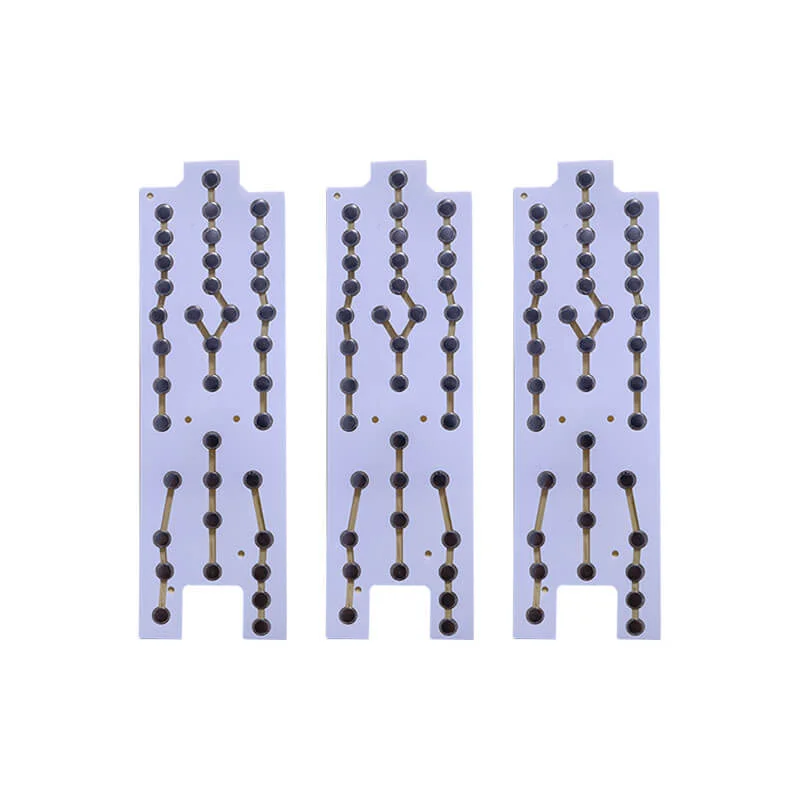
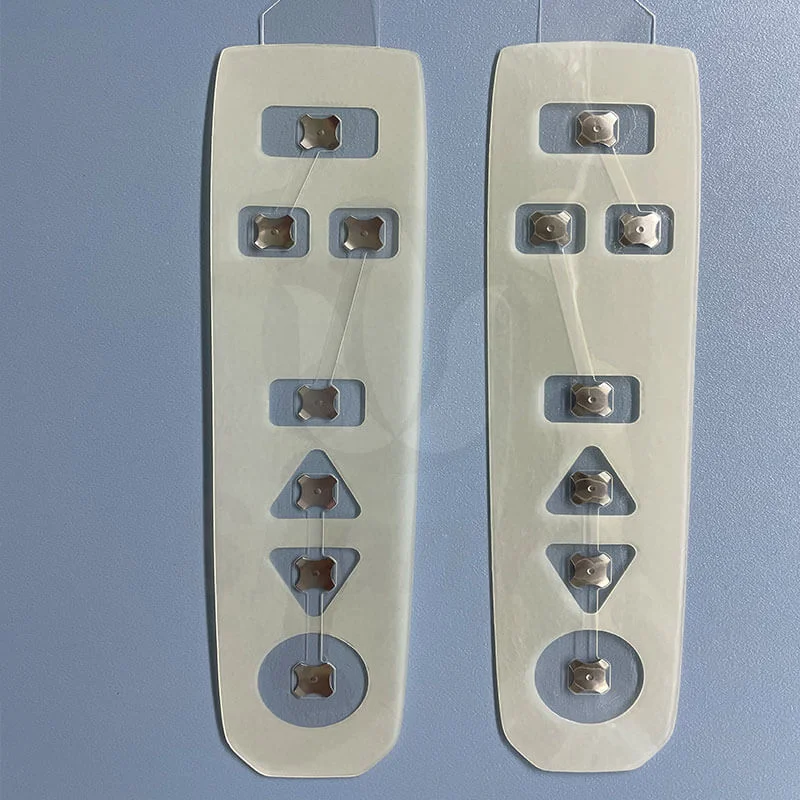
A metal dome array consists of multiple small, dome-shaped metal pieces arranged on a polyester or adhesive sheet. Each dome acts as a momentary switch—press it down, and it makes electrical contact with the circuit board beneath. Release the pressure, and the dome springs back to its original shape. Simple concept, really, but the engineering behind it makes all the difference.
The popularity of this technology comes down to a few factors. Cost efficiency plays a big role here. Manufacturers can produce these arrays at relatively low prices while maintaining decent quality standards. Plus, the tactile response feels natural to users, which matters more than some engineers might initially think.
How Does a Metal Dome Array Actually Work?
The working principle behind a metal dome array isn’t terribly complicated, though there are some nuances worth noting.
Basic Operating Mechanism
Each individual dome sits above a contact point on the PCB. In its resting state, the dome maintains a gap between itself and the lower contact. When someone applies finger pressure to the overlay or keypad surface, the dome collapses downward. This collapse creates a circuit connection, registering the input.
The “snap” feeling during this process—that’s the tactile feedback everyone talks about. It happens at a specific force threshold, and once exceeded, the dome buckles suddenly rather than gradually. Users perceive this as confirmation their press was registered.
Components Within the Assembly
A typical metal dome array includes several layers:
- Polyester carrier film holding domes in position
- Adhesive layer for mounting to circuit boards
- Individual stainless steel domes (sometimes nickel-plated)
- Spacer layer in some designs
- Optional vent holes preventing air pressure issues
The stainless steel material choice isn’t arbitrary. It offers corrosion resistance, consistent spring properties, and durability across millions of actuations.
Types of Metal Dome Array Configurations
Not all metal dome arrays look the same or perform identically. Several variations exist depending on application requirements.
| Type | Dome Shape | Typical Force Range | Common Applications |
|---|---|---|---|
| Four-leg dome | Cross pattern | 150-350g | Keyboards, remote controls |
| Triangle dome | Three contact points | 100-250g | Handheld devices |
| Oblong dome | Elongated shape | 200-500g | Industrial equipment |
| Round dome | Circular | 80-300g | Consumer electronics |
Four-leg meatal dome arrays remain the most common configuration encountered in everyday products. They provide balanced tactile response and good durability. Triangle domes, on the other hand, work better in space-constrained designs where standard shapes won’t fit properly.
Key Benefits of Using a Metal Dome Array
Why do manufacturers keep choosing this technology when alternatives exist? Several advantages explain the continued preference.
Tactile Feedback Quality
The crisp, defined click response simply feels better than membrane-only switches to most users. There’s psychological satisfaction involved—people want confirmation their input registered. The metal dome array delivers this consistently.
Cost-Effectiveness
Compared to mechanical switches or other tactile solutions, metal dome arrays offer significant cost savings. For high-volume production runs, even small per-unit savings add up considerably. Budget-conscious projects benefit substantially from this pricing structure.
Reliability and Lifespan
Quality metal dome arrays typically handle anywhere from 1 million to 5 million actuations without failure. That’s pretty impressive considering the price point. Some premium versions push even higher, though most consumer applications never approach those limits anyway.
Design Flexibility
- Custom dome placement matches specific PCB layouts
- Various actuation forces available for different feel preferences
- Array sizes scale from small keypads to full keyboards
- Thickness options accommodate different product designs
Common Applications for Metal Dome Array Technology
These components appear in more devices than most people realize.
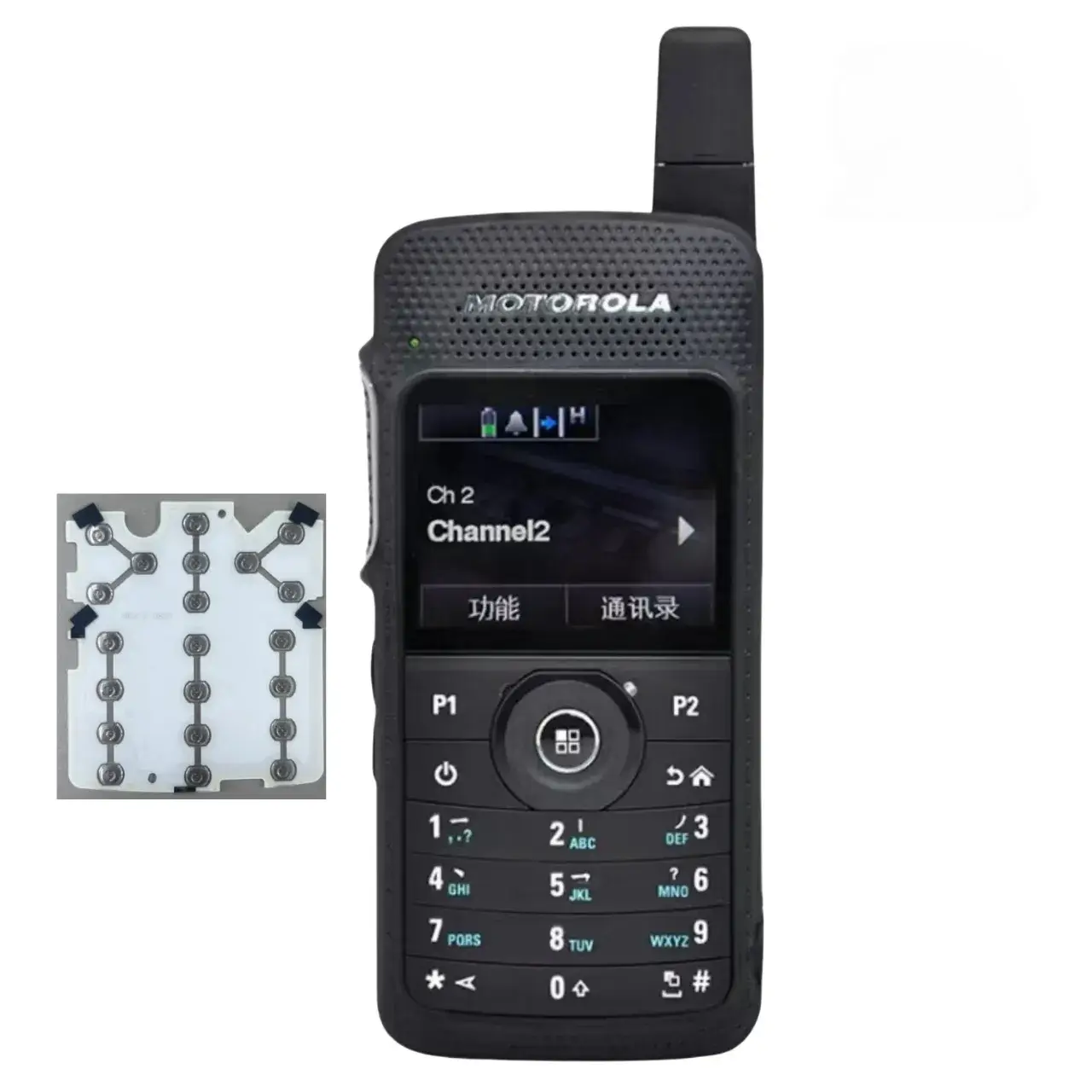
Metal dome arrays in consumer electronics represent the largest market segment. Remote controls, gaming controllers, computer peripherals, and household appliances all commonly incorporate metal dome arrays. The automotive industry uses them extensively too—dashboard controls, steering wheel buttons, and infotainment systems rely on this technology.
Medical devices present another significant application area. Equipment requiring reliable tactile feedback with cleanable surfaces often uses membrane keypads backed by metal dome arrays. Industrial control panels similarly benefit from the durability and consistent performance characteristics.
Even some smartphone side buttons utilize miniature metal dome arrays, though many manufacturers have moved toward alternative technologies in recent years for various reasons.
Final Thoughts on Metal Dome Array Technology
The metal dome array remains a practical, cost-effective solution for tactile switch applications across numerous industries. While newer technologies continue emerging, the combination of reliable performance, satisfying tactile feedback, and reasonable pricing keeps this technology relevant.
For engineers and designers evaluating switch options, understanding where metal dome arrays excel—and where alternatives might work better—helps ensure appropriate technology selection. Not every application suits this approach perfectly, but plenty do.
FAQ
What is the typical lifespan of a metal dome array?
Most quality metal dome arrays last between 1 million and 5 million actuations under normal operating conditions. Lifespan depends on factors including actuation force, operating environment, and material quality. Premium versions designed for demanding applications may exceed these figures.
Can metal dome arrays be used in waterproof designs?
Yes, when properly integrated with sealed membrane overlays, metal dome arrays can form part of waterproof or water-resistant assemblies. The sealing typically occurs at the overlay level rather than the dome array itself, protecting underlying electronics from moisture ingress.
What causes metal dome array failure?
Common failure modes include metal fatigue from excessive cycling, corrosion from moisture exposure, and physical damage from over-force application. Contamination between contact surfaces can also cause intermittent operation or complete failure over time.