
Understanding the Dome Array and Its Basic Function
A dome array is essentially a sheet of rubber or silicone containing multiple small domes arranged in a grid pattern. Each dome sits directly beneath a key or button on devices like keyboards, remote controls, and game controllers. When someone presses a key, the dome collapses downward, making contact with a circuit board underneath. This contact registers the keystroke or button press.
The concept seems straightforward enough, but there’s actually quite a bit going on beneath the surface. The dome itself provides the tactile feedback users feel when typing or pressing buttons. That slight resistance followed by a soft “click” sensation? That’s the dome doing its job.
Most people interact with dome arrays daily without ever realizing it. Standard membrane keyboards found in offices worldwide rely on this technology. So do television remotes, microwave panels, and countless other everyday devices.
How a Dome Array Actually Works
The mechanics behind a dome array involve several components working together seamlessly.

The Physical Structure
Each individual dome is typically made from:
- Silicone rubber (most common)
- Natural rubber compounds
- Specialized elastomers for specific applications
The domes connect to form a single sheet, which manufacturers sometimes call a rubber dome sheet or dome switch membrane. This unified construction makes installation easier and keeps manufacturing costs relatively low.
The Actuation Process
Here’s what happens during a typical keystroke:
- User applies downward pressure on a keycap
- The dome beneath the key begins to deform
- At a certain point, the dome collapses (providing tactile feedback)
- A conductive pad on the dome’s underside touches the PCB
- The circuit completes, registering the input
- User releases pressure, dome returns to original shape
The whole process takes milliseconds. Pretty remarkable when you think about it.
Dome Array Versus Other Switch Technologies
People often wonder how dome arrays compare to alternatives like mechanical switches or scissor switches. Each has distinct characteristics worth considering.
| Feature | Dome Array | Mechanical Switch | Scissor Switch |
|---|---|---|---|
| Cost | Low | High | Medium |
| Tactile Feedback | Soft, mushy | Crisp, defined | Moderate |
| Lifespan (keystrokes) | 5-10 million | 50-100 million | 10-20 million |
| Noise Level | Quiet | Varies (often loud) | Quiet |
| Travel Distance | Medium | Long | Short |
| Common Use | Office keyboards | Gaming keyboards | Laptop keyboards |
Common Applications for Dome Arrays
Consumer Electronics
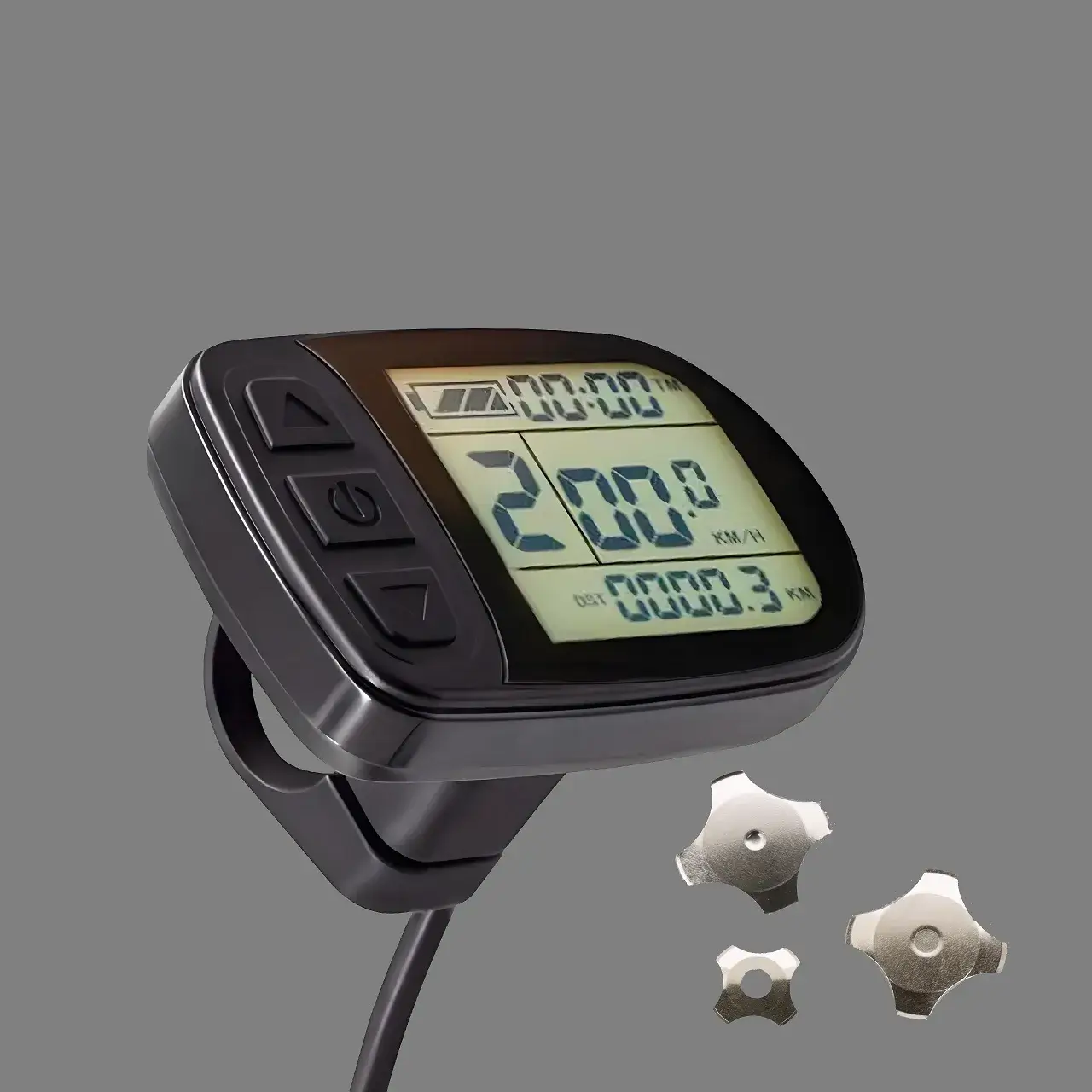
Television remotes, air conditioning controllers, and kitchen appliances frequently incorporate dome arrays. Dome arrays in consumer electronics handle occasional use extremely well, and replacement costs remain minimal.
Industrial Equipment
Medical devices, point-of-sale terminals, and industrial control panels often utilize dome arrays. The sealed rubber membrane provides decent protection against dust and liquid spills—something worth noting for harsh environments.
Automotive Controls
Dashboard buttons, steering wheel controls, and various interior switches commonly feature dome array construction. The quiet operation suits vehicle cabins nicely.
Benefits and Limitations to Consider
Nothing’s perfect, and dome arrays certainly have both strengths and weaknesses.
Advantages include:
- Lower manufacturing costs
- Quieter operation than most alternatives
- Spill resistance (when properly sealed)
- Lightweight construction
- Easy mass production
Drawbacks worth mentioning:
- Shorter lifespan compared to mechanical options
- Less satisfying tactile response for some users
- Performance can degrade over time
- Limited customization options
Final Thoughts on Dome Array Technology
Dome arrays remain incredibly common in the electronics landscape, a persistent background technology despite flashier alternatives like mechanical or optical switches consistently grabbing the headlines. Their enduring prevalence isn’t an accident or a mere legacy holdover; it’s a direct result of a fundamental engineering trade-off that continues to make sense for vast product categories.
Furthermore, the production economics are compelling. The per-unit cost remains exceptionally low, a critical factor when multiplied across hundreds of thousands or millions of devices. Mature, high-speed manufacturing processes like precision stamping and automated assembly allow for massive scale. When designing a product where the input device is a functional component rather than a premium feature, this cost differential is often decisive.
Ultimately, it’s about suitability. For the ubiquitous membrane keyboard in an office, the reliable keypad on a remote control, or the durable interface on medical or industrial equipment, dome arrays serve their purpose admirably. They deliver acceptable tactile feedback, quiet operation, and robust longevity—often rated for 5-10 million keystrokes—which is more than sufficient for everyday use. While they may not offer the crisp actuation of a mechanical switch, their combination of low cost, proven reliability, and environmental resistance ensures they are far from obsolete, quietly underpinning the functionality of countless devices we interact with daily.
Frequently Asked Questions
Can dome arrays be repaired if individual domes fail?
Typically no—the entire dome array sheet requires replacement when individual domes wear out or stop functioning properly.
Why do dome arrays feel "mushy" compared to mechanical keyboards?
The rubber material deforms gradually rather than providing a distinct actuation point, creating that softer, less defined sensation many describe as mushy.
How long does a typical dome array last?
Most dome arrays handle between five and ten million keystrokes before noticeable degradation occurs, though heavy use accelerates wear considerably.