
Why Metal Domes Appear Everywhere in Modern Electronics
That satisfying click when pressing a button on a remote control, microwave panel, or car dashboard—there’s a good chance a metal dome made it happen. These small stamped components have become ubiquitous in tactile switch applications, though most people never realize they exist.
What makes metal domes so widely adopted? The combination of reliability, cost-effectiveness, and that distinctive tactile feedback. Unlike rubber-only solutions or mechanical switches, metal domes deliver consistent click feel across millions of cycles. They’re thin enough for slim product designs yet durable enough for demanding applications.
Different dome shapes, sizes, and materials suit different purposes. A dome designed for a television remote wouldn’t work well in an industrial control panel, and vice versa. Understanding which dome types fit which applications helps engineers make better design decisions—and helps everyone appreciate the engineering behind everyday buttons.
Common Metal Domes Types and Their Characteristics
Before diving into applications, understanding the basic dome varieties provides helpful context. Each shape offers distinct performance characteristics.
Four-Leg Metal Domes
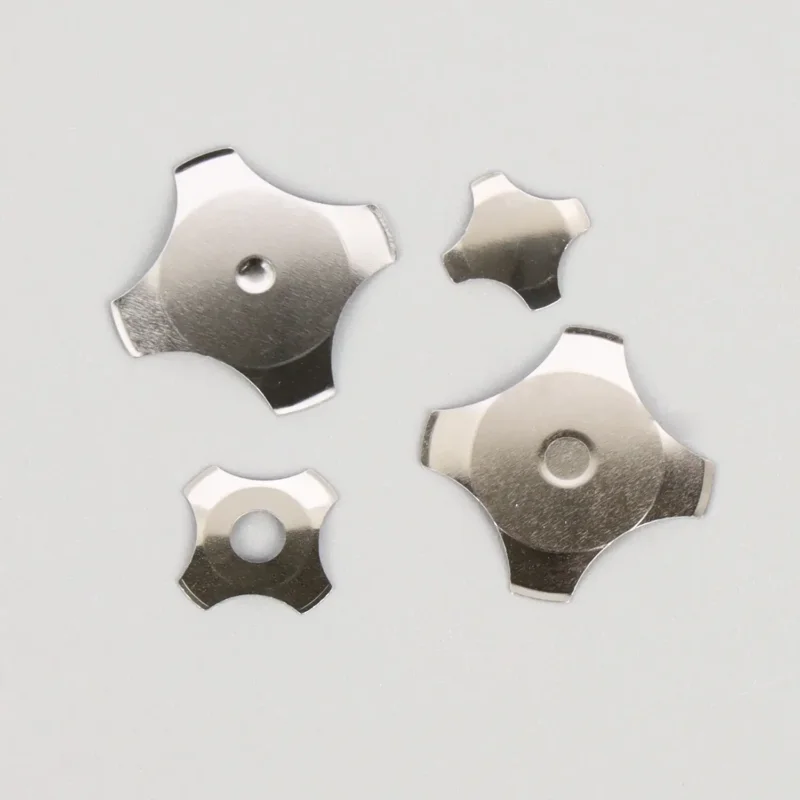
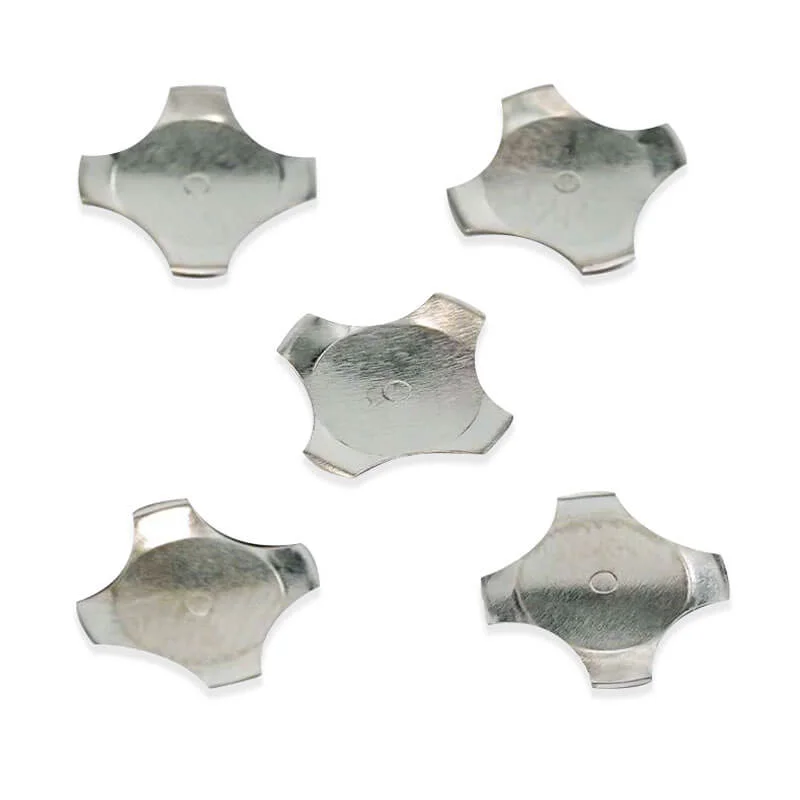
Four-leg metal dome is the most common configuration by far. Four legs extending from a circular center provide stable contact and consistent actuation. These domes offer excellent tactile feedback with a pronounced click. Available in sizes from about 4mm to 20mm diameter.
Triangle or Three-Leg Metal Domes
Slightly softer feel compared to four-leg versions. The three-point contact pattern works well where gentler actuation is preferred. Often chosen for applications requiring lower force ratings.
Square Metal Domes
When circular shapes don’t fit the available space, square metal domes solve the problem. These maintain tactile properties while accommodating narrow button designs or specific PCB layouts.

Consumer Electronics Applications for Metal Domes
This sector probably consumes more metal domes than any other. The devices people interact with daily rely heavily on these components.
Remote Controls and Entertainment Devices
Television remotes, streaming device controllers, gaming accessories—all typically use metal domes beneath their buttons. The requirements here include:
- Long cycle life for frequently-pressed buttons
- Consistent feel across all buttons on the device
- Low-profile design for slim remote bodies
- Cost efficiency for high-volume production
Four-leg domes dominate this space, usually in the 6mm to 12mm range with moderate force ratings around 180-250 grams.
Mobile Phones and Tablets
Though touchscreens handle most interactions now, physical buttons remain for power, volume, and sometimes home functions. These applications demand extremely thin domes that still deliver satisfying feedback. Space constraints push designs toward smaller diameters and lower profiles.
Computer Peripherals
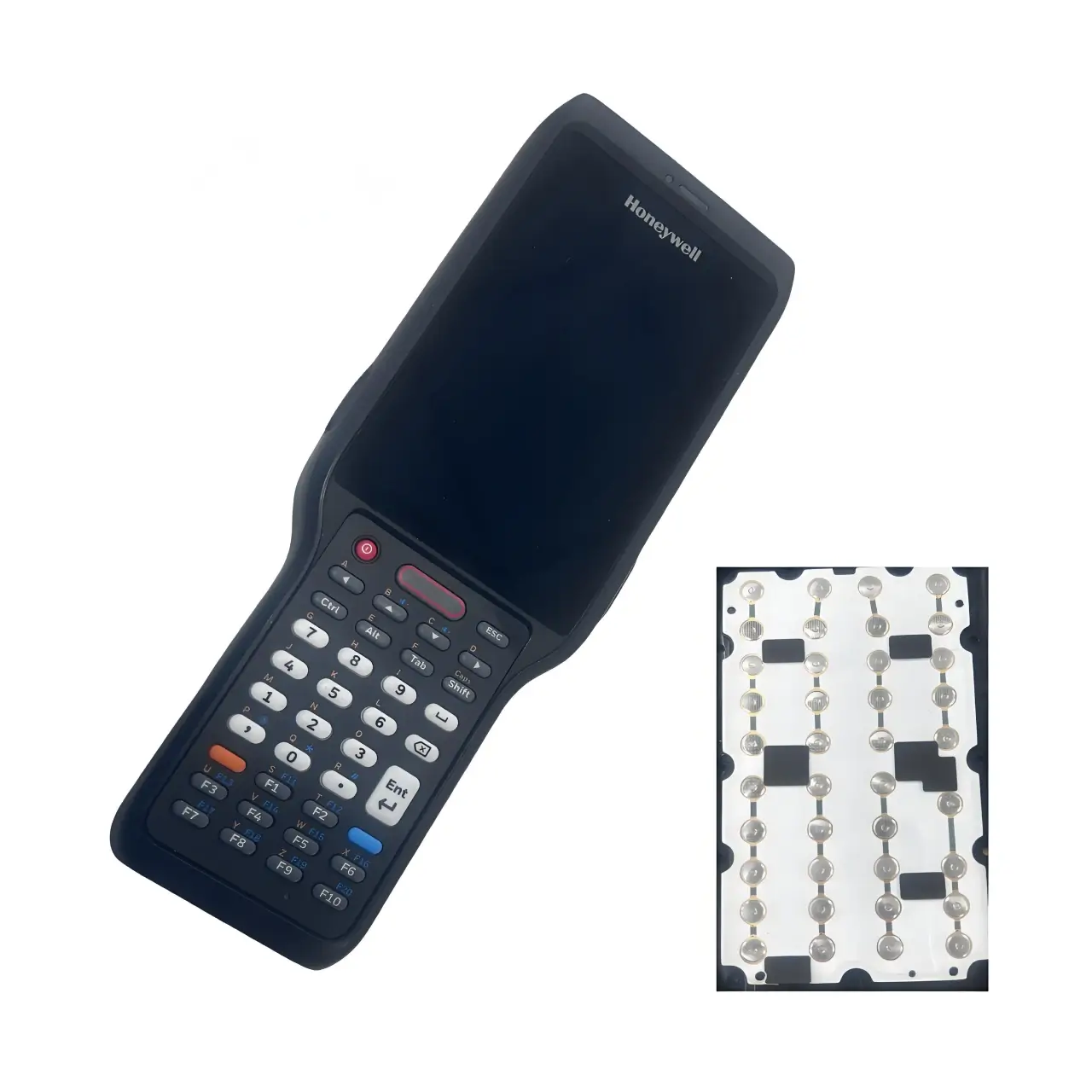
Keyboards, mice, and other input devices use metal domes extensively. Membrane keyboards in particular rely on dome arrays to provide the tactile response users expect. Gaming peripherals often specify higher-quality domes for improved durability and feel.
Automotive Industry Metal Domes Applications
Vehicles present challenging environments for any electronic component. Temperature extremes, vibration, humidity, and long service life requirements all factor into dome selection.
Dashboard and Center Console Controls
Climate controls, audio systems, navigation interfaces—modern vehicles contain dozens of buttons and switches. Metal domes in automotive applications typically feature:
- Extended temperature ratings (-40°C to +85°C or beyond)
- Enhanced corrosion resistance through plating or material selection
- Higher cycle life specifications
- Consistent performance despite vibration exposure
Steering Wheel Controls
Buttons on steering wheels face constant handling and must remain reliable for vehicle safety functions. Cruise control, audio adjustment, phone controls—these see heavy use over a vehicle’s lifetime. Premium dome specifications apply here.
Door Panels and Seat Controls
Window switches, mirror adjustments, seat positioning—these secondary controls still require reliable tactile feedback. The dome selection balances cost considerations against durability needs.
Medical Device Metal Domes Requirements
Patient Monitoring Equipment
Devices monitoring vital signs need reliable input controls that won’t fail during critical moments. Nurses and technicians interact with these interfaces repeatedly throughout shifts. Dome reliability directly affects patient care quality.
Diagnostic Instruments
Laboratory equipment, imaging device controls, and diagnostic tools require precise, repeatable inputs. The tactile confirmation that metal domes provide helps operators confirm button presses without looking away from their work.
Industrial Control Panel Metal Domes Usage
Machine Operator Interfaces
Control panels on manufacturing equipment see constant use, often by operators wearing gloves. This demands:
- Higher actuation forces to prevent accidental activation
- Robust construction for industrial environments
- Clear tactile feedback detectable through gloves
- Resistance to oils, solvents, and cleaning chemicals
Safety-Critical Controls
Emergency stop buttons and safety interlocks sometimes incorporate metal domes as part of their switching mechanism. These applications require the highest reliability standards and often mandate redundant contact designs. If you want to know more about metal domes, please read about What Is a Metal Dome and How Does It Work.
FAQ
How do engineers select the right metal domes for specific applications?
Selection involves balancing multiple factors including required actuation force, available space, expected cycle life, environmental conditions, and budget constraints. Engineers typically start with force requirements based on user experience goals, then narrow options by size and shape constraints. Environmental factors like temperature range and exposure to moisture or chemicals further refine choices. Testing samples in actual application conditions usually precedes final specification.
Can metal domes be customized for unique applications?
Yes, though minimum order quantities apply for custom specifications. Manufacturers can adjust dome diameter, height, force rating, material thickness, and plating options. Some suppliers offer semi-custom options using existing tooling with modified materials or plating. Fully custom dome shapes require new tooling investment, which makes sense only for high-volume applications or specialized requirements that standard options cannot meet.
What causes metal domes to fail in different applications?
Failure modes vary by application environment. Consumer electronics typically see fatigue failure after exceeding cycle life—the dome gradually loses snap and eventually fails to return. Automotive applications more often experience corrosion-related failures if sealing proves inadequate. Industrial environments may cause contamination buildup affecting contact reliability. Over-travel damage from excessive force occurs across all application types when actuator design doesn’t properly limit travel distance.