
Understanding Tactile Metal Domes and Their Basic Function
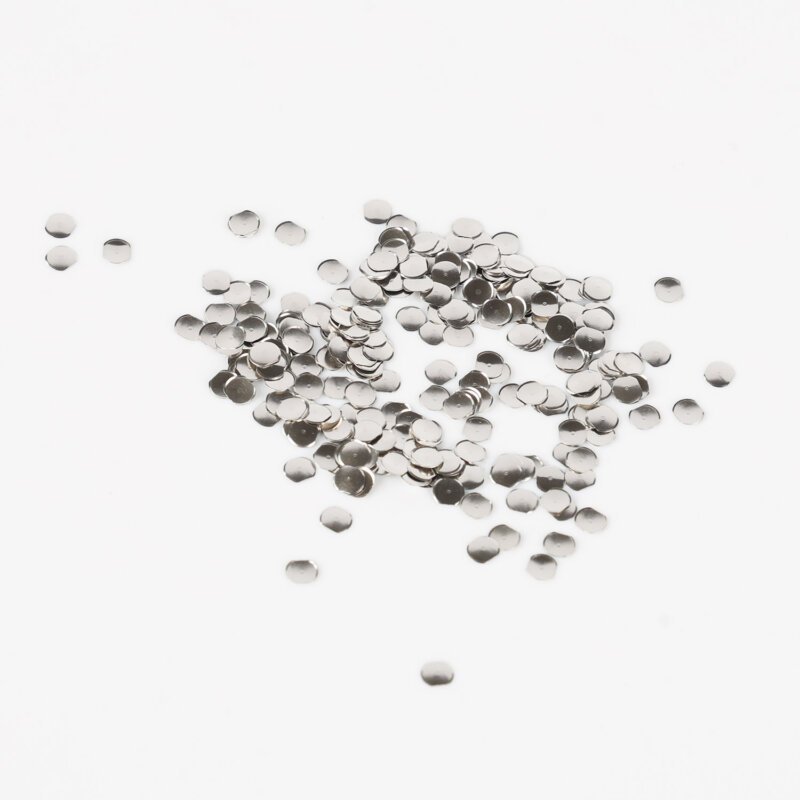
Tactile metal domes are small, precision-formed components that create the click feeling in countless electronic devices. These thin pieces of metal—usually stainless steel—are shaped into a dome configuration that collapses with a distinct snap when pressed. That satisfying click when pressing a button on a remote control or keyboard? A tactile metal dome is likely responsible.
The concept is elegantly simple. The dome sits over electrical contacts on a circuit board or membrane. Press down on it, and the dome inverts, touching the contacts below and completing a circuit. Release the pressure, and the dome springs back to its original shape. This happens thousands of times over the life of a product without losing that crisp tactile response.
How Tactile Metal Domes Actually Work
The mechanics behind tactile metal domes involve some interesting physics, though the end result feels intuitive to anyone who’s pressed a button.
The Snap Action Mechanism
When force applies to the top of a tactile metal dome, the curved surface resists initially. As pressure increases, the dome reaches a threshold point where it can no longer maintain its shape. At that moment, it snaps through to an inverted position—this is the click users feel.
The snap action creates several effects simultaneously:
- Physical feedback through the finger
- Audible click sound (varies by dome design)
- Electrical contact completion
- Clear actuation point
This combination of sensory feedback makes tactile metal domes superior to simple rubber buttons or membrane switches for many applications. Users know exactly when their input registered.
Material and Construction
Most tactile metal domes use stainless steel, typically in the 301 or 304 grade range. The material choice matters because the dome must flex thousands or millions of times without fatiguing. Stainless steel provides the right combination of springiness, durability, and corrosion resistance.
Thickness typically ranges from 0.05mm to 0.15mm depending on the desired force characteristics. Thinner domes require less force to actuate. Thicker ones provide more resistance and often a more pronounced click.
Common Types of Tactile Metal Domes
| Dome Type | Shape | Typical Use | Feedback Character |
|---|---|---|---|
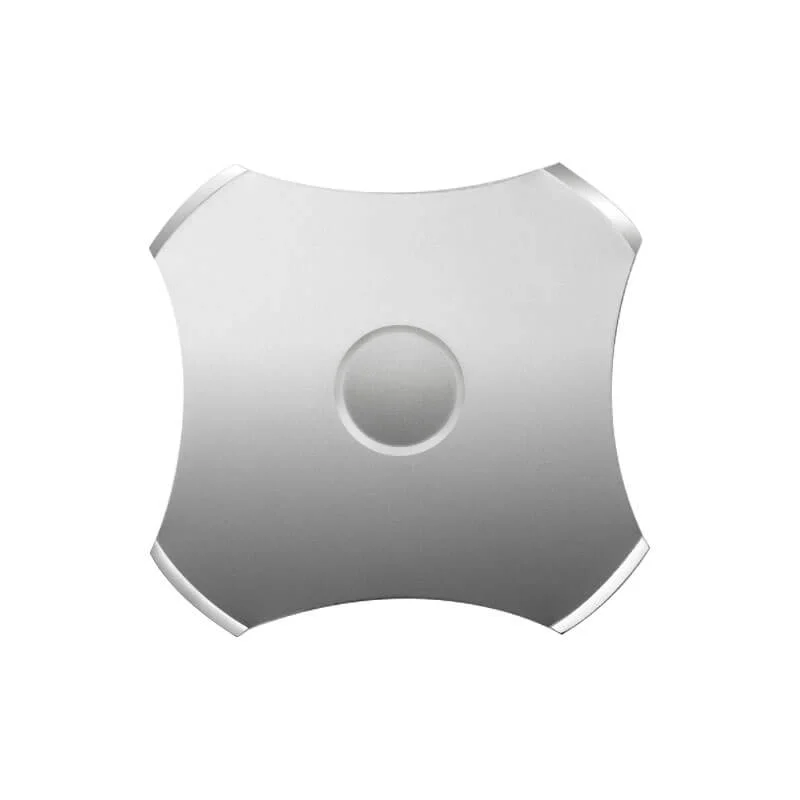
| Four-leg dome | Square with legs | PCB mounting, keyboards | Crisp, defined click |
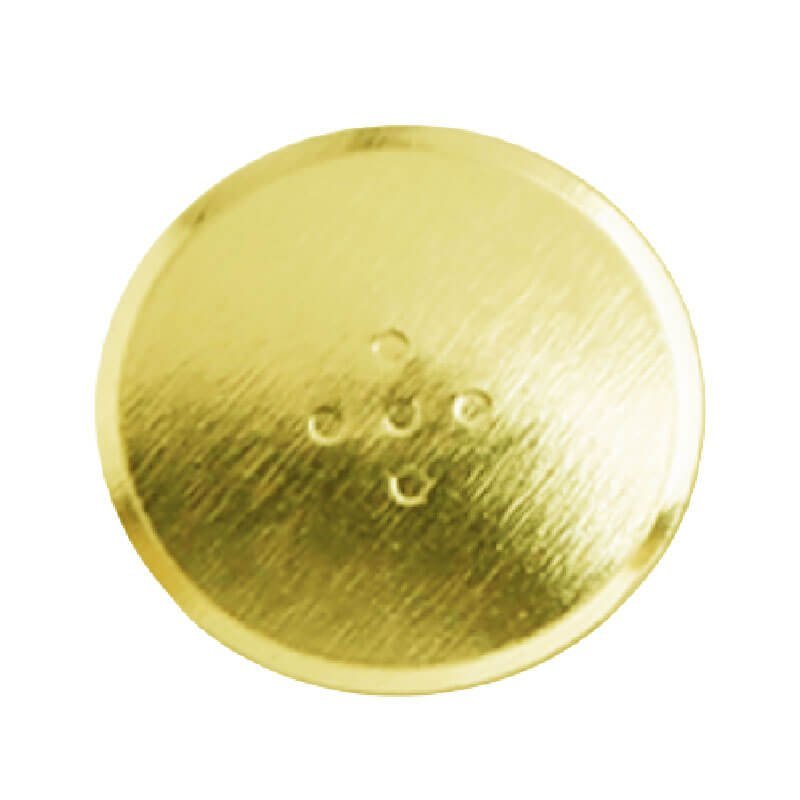
| Round dome | Circular | Membrane switches, remotes | Consistent feel |
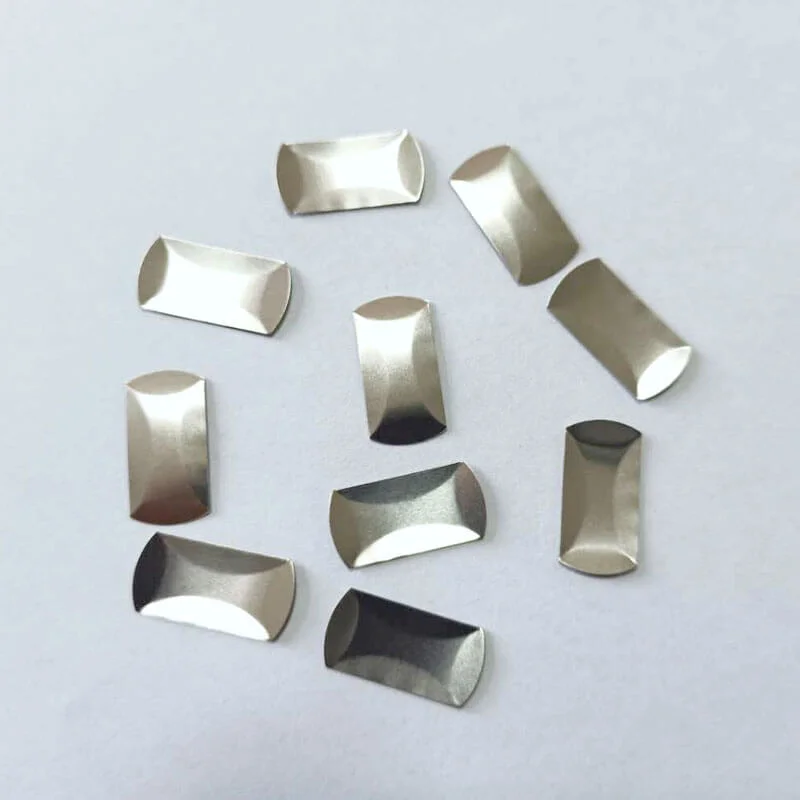
| Oval dome | Elongated | Slim devices, custom interfaces | Moderate click |
| Triangle dome | Three-sided | Specialized applications | Sharp feedback |
Four-Leg Domes
These feature small legs extending from a square or rectangular dome. The legs help position the dome precisely and can provide additional stability. Four-leg designs work well in applications where the dome mounts directly to a PCB.
Round Domes
The classic round tactile metal domes offers uniform feedback regardless of where pressure applies. Round tactile metal domes forgive off-center pressing, making them ideal for applications where users might not hit buttons perfectly centered every time.
Oval and Specialty Shapes
When standard shapes won’t work—maybe due to space constraints or specific design requirements—oval and custom-shaped domes fill the gap. These might sacrifice some feedback consistency for better fit in unusual button configurations.
Key Specifications for Tactile Metal Domes
Engineers selecting tactile metal domes consider several parameters to match the component with application requirements.
Important specifications include:
- Operating force (typically 100g to 500g)
- Travel distance (how far the dome deflects)
- Dome diameter or dimensions
- Material type and thickness
- Cycle life rating
- Contact resistance
Operating force probably gets the most attention in consumer products. Too light, and buttons activate accidentally. Too heavy, and the device feels unresponsive or tiring to use repeatedly. Finding the right force for the application involves balancing user comfort with reliability needs.
Cycle life indicates how many actuations the dome can handle before performance degrades. Standard consumer-grade tactile metal domes might rate for 500,000 to 1,000,000 cycles. Industrial versions can exceed 5,000,000 cycles.
Where Tactile Metal Domes Get Used
The applications span essentially every industry that produces electronic devices with physical buttons.
Consumer electronics consume the highest volume. Remote controls, keyboards, gaming controllers, and computer mice all commonly incorporate tactile metal domes. The automotive industry uses them in dashboard controls, steering wheel buttons, and key fobs.
Medical devices rely on tactile metal domes where reliability and clear feedback matter for patient safety. Industrial equipment, telecommunications hardware, and home appliances round out the major application areas.
Even smaller devices like:
- Wearable fitness trackers
- Hearing aids
- Digital cameras
- Electronic toys
- Security system keypads
These all benefit from the compact size and reliable feedback that tactile metal domes provide.
Benefits and Limitations Worth Considering
The benefits explain their widespread adoption:
- Excellent tactile feedback confirms actuation
- Long operational lifespan
- Low cost in volume production
- Thin profile suits slim devices
- Consistent performance over time
- Works with various overlay materials
Some constraints exist:
- Limited current carrying capacity
- Requires proper mounting and alignment
- Can corrode without proper protection
- Fixed force characteristics after manufacturing
- May produce unwanted audible click in some contexts
For low-power signal switching, these limitations rarely matter. The dome simply triggers a microcontroller input rather than switching significant current.
Why Tactile Metal Domes Still Matter
Despite the proliferation of touchscreens and gesture interfaces, tactile metal domes remain relevant because physical feedback serves real needs. Touchscreens can’t replicate that definitive click confirmation. Gesture controls lack the precision of physical buttons for many tasks.
The technology continues evolving too. Thinner domes for slimmer devices. More durable materials for demanding applications. Better consistency across production batches. These incremental improvements keep tactile metal domes competitive even as interface technologies advance.
Frequently Asked Questions
How long do tactile metal domes typically last?
Most tactile metal domes are rated between 500,000 and 5,000,000 cycles depending on quality grade and intended application. Consumer electronics typically use mid-range versions, while industrial and medical applications specify higher cycle ratings. Actual lifespan depends on operating conditions, applied force, and environmental factors.
What causes tactile metal domes to fail?
The most common failure mode is metal fatigue from repeated flexing, which eventually reduces the snap feeling or prevents the dome from returning to shape. Corrosion can also degrade performance in humid or contaminated environments. Over-pressing with excessive force accelerates wear. Quality domes from reputable manufacturers fail less frequently than budget alternatives.
Can tactile metal domes be customized for specific applications?
Yes, manufacturers offer customization options including different force ratings, dimensions, shapes, and material specifications. Custom tooling costs apply for non-standard designs, so customization typically makes sense only for higher volume applications. Standard catalog options cover most common requirements adequately.