
Understanding What a Tactile Dome Switches Does
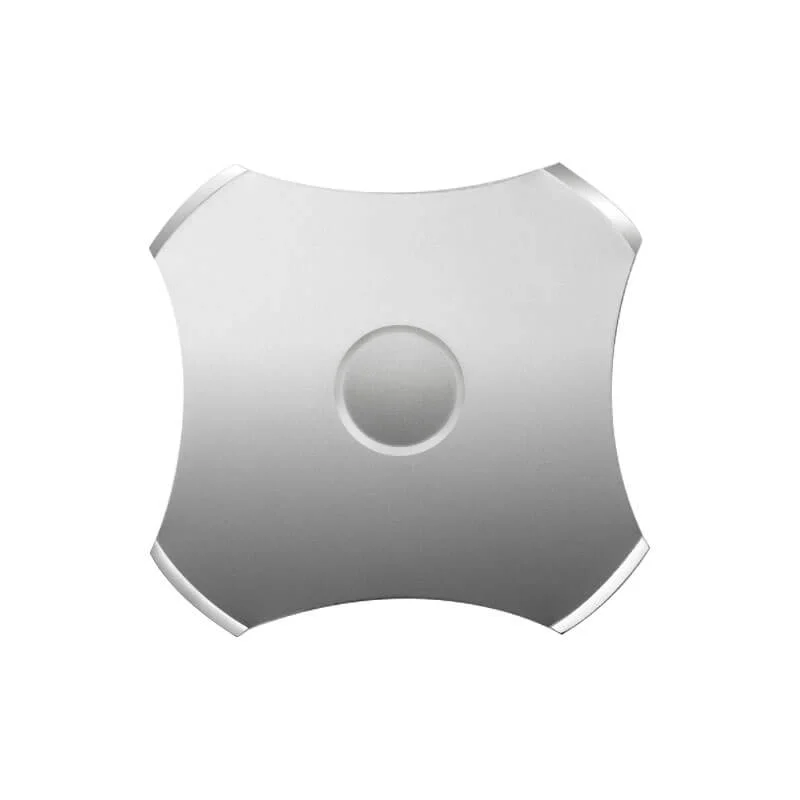
Before diving into applications, it helps to understand what makes a tactile dome switches tick. At its core, this component uses a small curved metal dome that collapses when pressed, creating both an electrical connection and that satisfying click feeling users recognize instantly.
The dome itself is the star of the show. When force applies to the actuator, the dome deforms downward until it snaps past a certain point. This snap creates the tactile feedback. Release the pressure, and the dome springs back to its original shape, ready for the next press.
This simple mechanism appears in countless devices. Probably more than most people realize. Every time someone presses a button and feels that little click, there’s a decent chance a tactile dome switch is responsible.
Consumer Electronics Applications for Tactile Dome Switches
Tactile dome switches in consumer electronics represent the largest market for tactile dome switches by sheer volume. These components hide inside nearly every device with physical buttons.
Remote Controls and Entertainment Devices
Television remotes rely heavily on tactile dome switches. Each button press needs to feel responsive and consistent, even after years of use. The dome provides that reliability. Same goes for streaming device remotes, sound system controls, and gaming console controllers.
Gaming controllers deserve special mention. Players press buttons thousands of times during intense gaming sessions. The tactile dome switch inside each button must maintain consistent feedback throughout. A mushy or inconsistent button can actually affect gameplay performance—competitive gamers notice these things immediately.
Computer Peripherals
Keyboards represent one of the most demanding applications. A typical user might press keys millions of times over a keyboard’s lifespan. Many membrane keyboards use tactile dome switches beneath the keys to provide feedback while keeping costs reasonable.
Other peripherals include:
- Computer mice (click buttons)
- Trackpads with physical click
- USB hubs with power buttons
- Webcam controls
- External storage device buttons
The tactile dome switch works well here because it balances cost, durability, and user experience. Premium mechanical keyboards use different technology, but mainstream keyboards depend on dome switches extensively.
Medical Device Applications
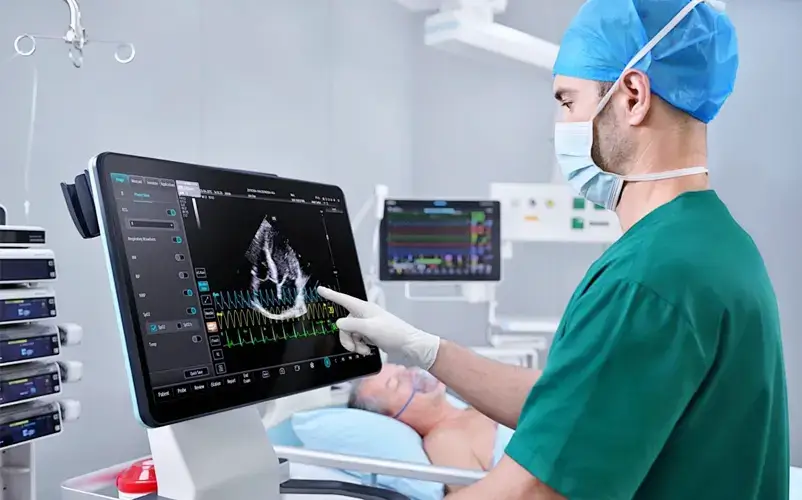
Tactile dome switches in medical equipment demands reliability above almost everything else. When a nurse adjusts an infusion pump or a technician operates diagnostic equipment, the input must register correctly every single time.
Tactile dome switches appear throughout medical devices for several reasons:
- Clear feedback confirms button activation without visual verification
- Consistent force requirements prevent accidental presses
- Long lifespan reduces maintenance needs
- Sealed versions resist cleaning chemicals and fluids
- Established reliability meets regulatory requirements
Patient monitors, portable diagnostic tools, laboratory equipment, and hospital bed controls all commonly use tactile dome switches. The feedback aspect matters particularly in medical settings where staff often work quickly while focusing attention on patients rather than equipment interfaces.
Industrial and Manufacturing Uses
Factory floors and industrial environments present harsh conditions for any component. Dust, vibration, temperature extremes, and constant use challenge equipment reliability.
| Industrial Application | Why Tactile Dome Switches Work |
|---|---|
| Machine control panels | Durable, provides confirmation feedback |
| Handheld measurement tools | Compact size, reliable in various conditions |
| Safety equipment interfaces | Clear actuation prevents missed inputs |
| Process control stations | Long lifespan handles frequent use |
| Portable testing devices | Withstands field conditions |
Industrial-grade tactile dome switches often feature enhanced specifications compared to consumer versions. Higher cycle ratings, wider temperature ranges, and better sealing protect against environmental factors.
The tactile feedback serves a safety function in many industrial applications. Operators wearing gloves or working in noisy environments rely on physical confirmation that inputs registered. A visual indicator alone might get missed.
Automotive Interior Controls
Modern vehicles contain dozens of buttons and switches. Dashboard controls, steering wheel buttons, door panel switches, climate controls—many of these use tactile dome switches or similar technology.
Why Automotive Applications Need Tactile Feedback
Drivers should keep eyes on the road. Tactile dome switches enable eyes-free operation of vehicle controls. The driver feels the button click and knows the input registered without looking away from traffic.
Automotive applications include:
- Steering wheel audio and phone controls
- Window and mirror switches
- Climate control buttons
- Infotainment system interfaces
- Seat adjustment controls
- Overhead console buttons
Automotive-grade components must withstand temperature extremes, vibration, and years of use. A tactile dome switch in a car door might get pressed several times daily for a decade or more. The dome mechanism handles this remarkably well when properly specified.
Home Appliances and Household Items
Walk through any home and tactile dome switches appear everywhere. Kitchen appliances probably contain the highest concentration.
Microwave ovens use them for control panel buttons. Washing machines and dryers have them throughout their interfaces. Coffee makers, toasters with digital controls, rice cookers, instant pots—all commonly feature tactile dome switches behind their buttons.
Beyond the kitchen:
- Thermostat controls
- Security system keypads
- Garage door openers
- Smart home devices
- Bathroom scales with buttons
- Electric toothbrush controls
The low cost of tactile dome switches makes them practical for even budget appliances. Manufacturers can provide satisfying button feedback without significantly impacting product pricing.

Why Tactile Dome Switches Remain Relevant
Despite advances in touch technology and gesture controls, tactile dome switches persist across industries. The reason comes down to that fundamental human need for confirmation. Touching a screen provides visual feedback. Pressing a dome switch provides physical feedback. Sometimes that physical response matters more.
The applications covered here represent just the most common uses. Tactile dome switches appear in aviation controls, point-of-sale terminals, exercise equipment, children’s toys, camera controls, and countless other products. Their simplicity and reliability ensure continued relevance even as interface technologies evolve.
For engineers selecting components, understanding these applications helps match tactile dome switch specifications to actual use cases. For everyone else, it explains why so many buttons in daily life feel the way they do—there’s a small metal dome inside, clicking away reliably with every press. If you want to know more about tactile metal dome switch, please read about What Is A Tactile Dome Switch.
Frequently Asked Questions
Why do manufacturers choose tactile dome switches over other options?
Tactile dome switches offer an appealing combination of low cost, compact size, reliable feedback, and proven durability. They’re easier to integrate than mechanical switches and provide better tactile response than simple membrane buttons. For most applications requiring physical button input, tactile dome switches hit the sweet spot between performance and economics.
How long do tactile dome switches last in typical applications?
Most tactile dome switches are rated between 100,000 and 1,000,000 cycles. Consumer electronics typically use lower-rated versions since buttons aren’t pressed constantly. Industrial and medical applications often specify higher cycle ratings. Real-world lifespan depends on usage patterns, environmental conditions, and component quality.
Can tactile dome switches work in harsh environments?
Standard versions aren’t suitable for extreme conditions, but sealed variants exist for challenging environments. IP-rated tactile dome switches resist dust and moisture ingress. Extended temperature range versions handle automotive and industrial applications. Proper selection ensures the dome mechanism survives whatever conditions the application presents.