
Understanding What a Metal Snap Dome Actually Is
Press a button on a remote control, a microwave panel, or a car key fob. That satisfying click felt under the fingertip? There’s a good chance a metal snap dome is responsible for that tactile feedback. These small but critical components show up in countless devices, though most people never realize they exist.
A metal snap dome is essentially a small, curved piece of thin metal—usually stainless steel—that functions as a momentary switch contact. The dome shape gives it a spring-like quality. Press down, it collapses with a distinct click. Release pressure, it springs back to its original shape. Simple in concept, yet remarkably effective in practice.
How Metal Snap Dome Switches Work
The Mechanics of the Click
In its resting state, a metal snap dome sits with its convex surface facing upward. The dome is positioned over a center contact point on a circuit board, with the dome’s outer edges resting on a surrounding ground contact. No electrical connection exists between these contacts when the dome is in its natural position.
When pressed, the dome resists initially—this is the tactile buildup users feel. At a specific force threshold, the dome suddenly inverts or “snaps” through. This snap-through action:
- Creates the distinctive tactile click sensation
- Brings the dome’s center into contact with the circuit board pad
- Completes the electrical circuit
- Provides clear confirmation that the switch has actuated
Why the Snap Action Matters
The sudden transition from convex to concave gives metal snap domes their characteristic feel. Unlike linear springs that compress gradually, the snap dome provides distinct feedback—there’s no ambiguity about whether the button was actually pressed. This binary sensation proves valuable in applications where users need confirmation without looking at the device.
The snap action also contributes to electrical performance. The rapid contact closure reduces arcing and contact bounce compared to slower-acting switches. Cleaner switching means more reliable signal generation for the connected circuitry.
Types and Shapes of Metal Snap Domes
Common Dome Shapes
The most frequently encountered shapes include:
- Round metal snap domes – Standard configuration for general applications, available in various diameters from about 4mm to 20mm or larger
- Oblong metal snap domes – Elongated shape useful when space constraints prevent round dome placement
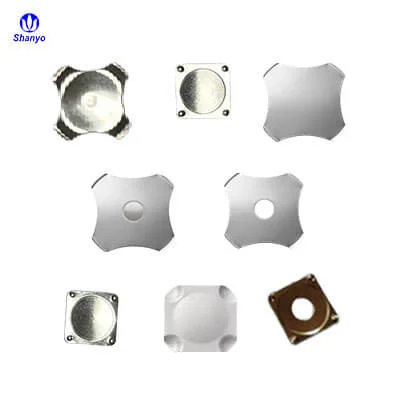
- Four-leg metal snap domes – Feature tabs extending from the sides that aid in positioning and improve stability
- Triangle metal snap domes – Three-sided design for specific alignment requirements
- Cross-shaped metal snap domes – Specialized geometry for particular mounting situations
Round domes dominate most applications simply because they work well and fit standard layouts. The other shapes exist to solve specific design challenges that round domes can’t address efficiently.
Dome Characteristics Comparison
| Characteristic | Range/Options | Impact on Performance |
|---|---|---|
| Diameter | 4mm to 20mm+ | Larger domes generally require more force |
| Operating Force | 100g to 500g+ | Determines how hard users must press |
| Travel Distance | 0.1mm to 0.5mm typical | Affects tactile perception |
| Material Thickness | 0.05mm to 0.15mm common | Influences force curve and durability |
| Click Ratio | 30% to 60% | Higher ratio means more pronounced click |
| Lifespan | 500K to 5M+ cycles | Application-dependent requirements |
Materials Used in Metal Snap Dome Manufacturing
Stainless Steel Varieties
The dominant material choice is stainless steel, typically in these grades:
- 301 stainless steel – Most common choice, offering good spring properties and corrosion resistance
- 304 stainless steel – Alternative with slightly different characteristics
- Beryllium copper – Used when superior conductivity matters more than cost
Stainless steel provides the necessary combination of spring characteristics, corrosion resistance, and conductivity at reasonable cost. The material maintains its properties over millions of cycles without significant degradation in normal operating conditions.
Surface Treatments
Beyond base material selection, surface treatments enhance specific properties:
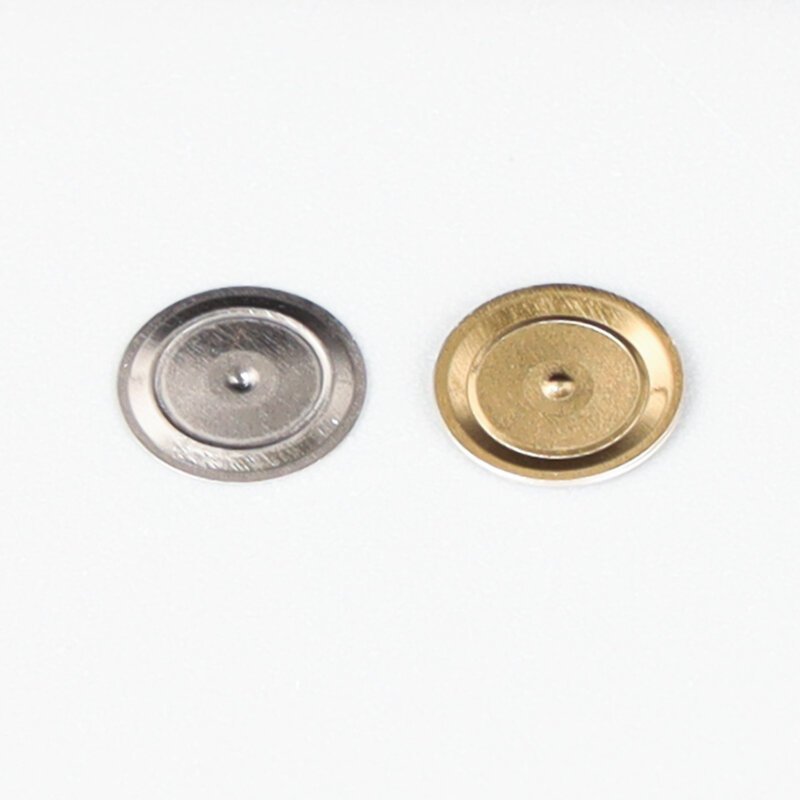
- Gold plating improves contact reliability and corrosion resistance
- Nickel plating provides cost-effective protection
- Silver plating maximizes electrical conductivity
Gold-plated metal snap domes appear in applications demanding highest reliability—medical devices, aerospace equipment, high-end consumer electronics. The additional cost proves worthwhile when switch failure isn’t acceptable.
Where Metal Snap Domes Are Used
Consumer Electronics
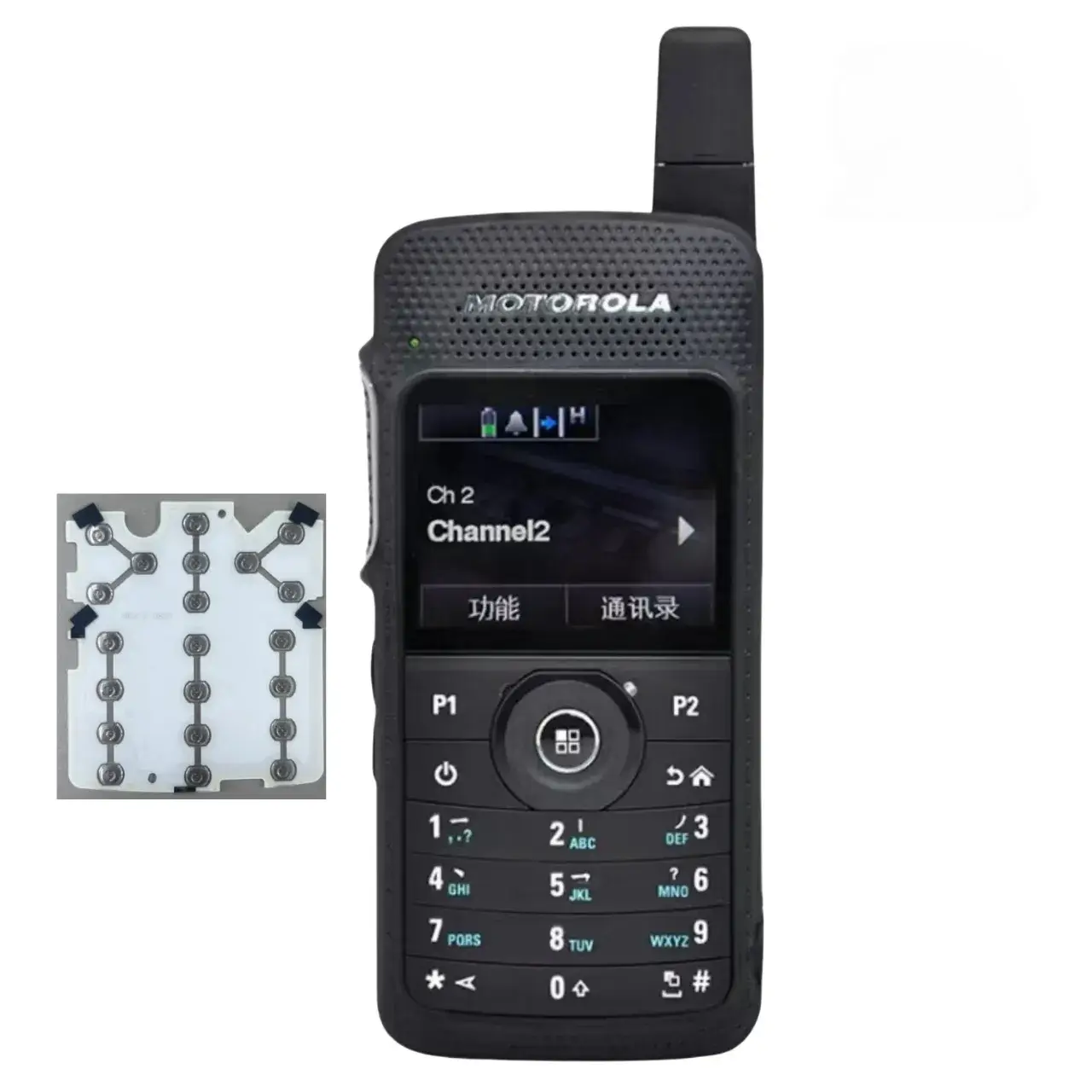
Remote controls represent perhaps the most common metal snap dome application. Billions of remote controls exist worldwide, most using dome switches for their buttons. The technology also appears in:
- Mobile phone side buttons
- Gaming controllers
- Computer keyboards (some types)
- Wearable devices
- Home appliances
Automotive Applications
Modern vehicles contain numerous interfaces using metal snap dome technology. Dashboard controls, steering wheel buttons, key fobs, and door panel switches commonly employ these components. The automotive environment demands durability across temperature extremes and resistance to vibration—characteristics well-suited to properly designed dome switches.
Industrial and Medical Equipment
Industrial control panels frequently use metal snap domes for their combination of reliability and tactile feedback. Operators wearing gloves particularly appreciate the clear click confirmation. Medical devices share similar requirements, with added emphasis on sterilization compatibility and extended lifespan for critical equipment.
Advantages of Metal Snap Dome Technology
Reliability and Longevity
A well-designed metal snap dome switch operates reliably for millions of cycles. The simple mechanical action involves minimal wear mechanisms. No sliding contacts, no complex mechanisms—just controlled elastic deformation of metal. This simplicity translates directly to reliability.
Cost Effectiveness
Manufacturing costs for metal snap domes remain competitive with alternatives. Stamping thin metal sheets produces thousands of domes efficiently. The components themselves are inexpensive, and assembly processes are well-established. For applications requiring tactile feedback, domes often represent the most economical solution.
Final Perspective on Metal Snap Domes
Metal snap domes represent one of those technologies that work so well, so reliably, that they become invisible. People use them daily without awareness—pressing buttons that click satisfyingly and respond consistently. Behind that simple interaction lies thoughtful engineering of materials, geometry, and manufacturing processes.
FAQ
What determines the operating force of a metal snap dome?
Several factors influence how much force is required to actuate a metal snap dome. Material thickness plays the largest role—thicker material requires more force. Dome diameter also matters, with larger domes generally needing greater force. The dome’s geometry, including its height-to-diameter ratio, further affects the force curve. Manufacturers specify operating force for each dome type, typically ranging from about 100 grams for light-touch applications to 500 grams or more for applications requiring deliberate actuation.
How long do metal snap domes typically last?
Lifespan varies considerably based on operating conditions and dome quality. Standard commercial domes typically specify lifespans between 500,000 and 1 million cycles. Higher-quality domes designed for demanding applications may be rated for 5 million cycles or more. Actual longevity depends on operating force used, environmental conditions, and whether the dome operates within its design parameters. Excessive force or contamination shortens lifespan significantly.
Can metal snap domes be used outdoors or in harsh environments?
Metal snap domes themselves resist many environmental challenges reasonably well. Stainless steel construction provides corrosion resistance, and the components tolerate temperature extremes better than many alternatives. However, complete switch assemblies require appropriate sealing to protect against moisture, dust, and contaminants. Properly designed enclosures with sealed membrane overlays allow metal snap dome switches to function reliably in outdoor and industrial environments where exposed switches would fail quickly.