
What Makes Metal Domes Essential in Tactile Switch Design
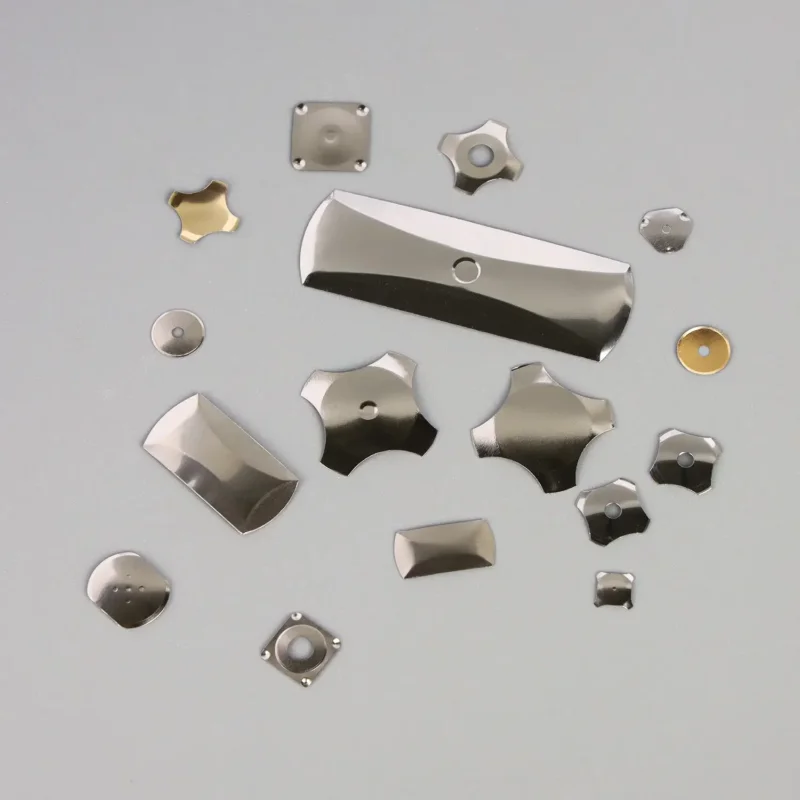
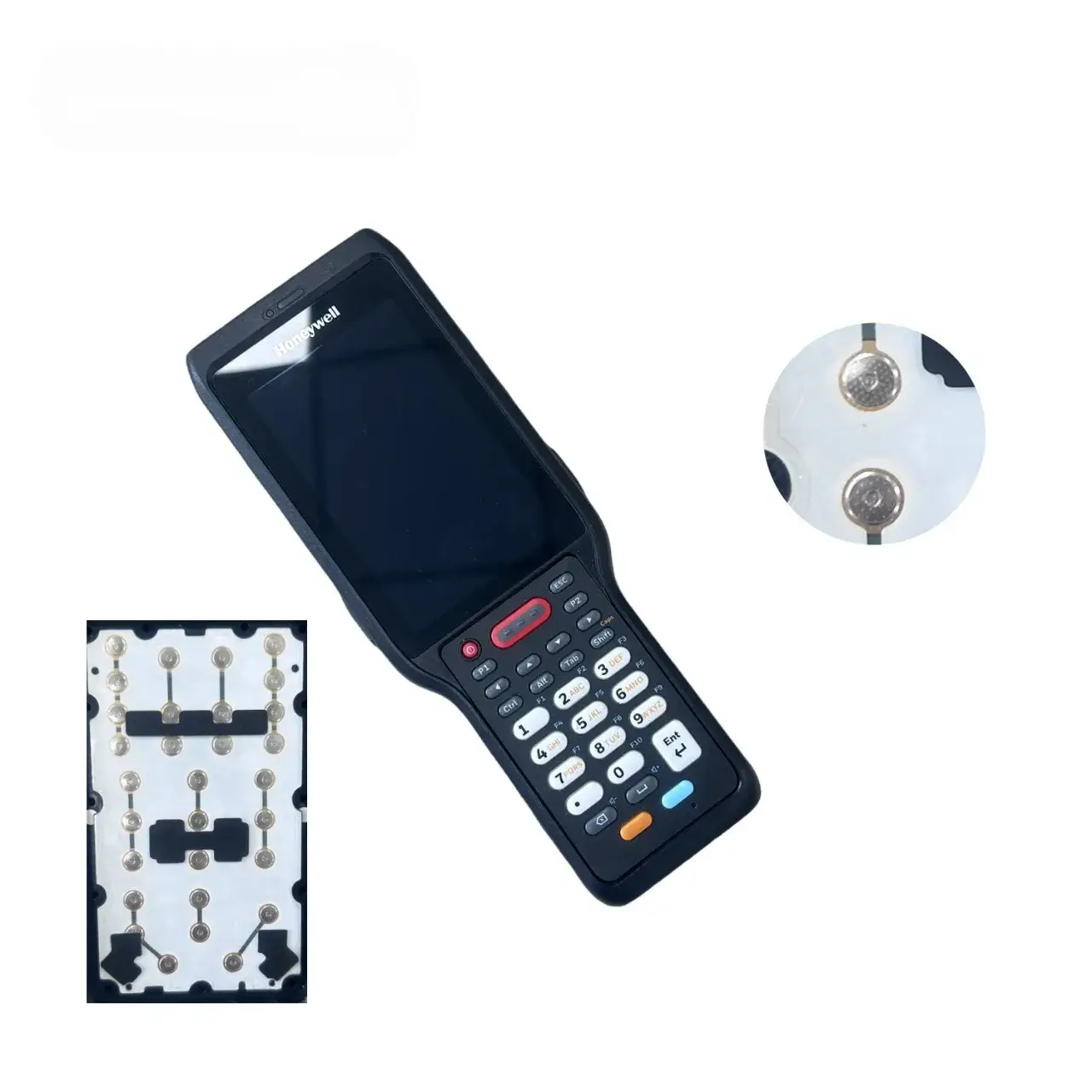
When it comes to creating that satisfying click in buttons and keypads, metal domes have earned a solid reputation. These small, dome-shaped components sit beneath overlays or membranes, and when pressed, they collapse to make contact with the circuit below. The result? A tactile response that feels deliberate and precise.
Unlike rubber or silicone alternatives, metal domes deliver a sharper snap. This matters more than people realize. Think about the remote control that feels mushy after a year, or the keyboard that starts to lag in responsiveness. Those issues often trace back to the type of switch mechanism used underneath.
Metal domes tend to maintain their tactile properties over millions of cycles. That kind of longevity is hard to match with softer materials, which can degrade, lose elasticity, or develop inconsistent feedback over time.
Key Characteristics That Set Metal Domes Apart
Consistent Tactile Feedback
One thing users notice immediately is the feel. A well-designed metal dome provides uniform resistance and a clear actuation point. There’s no guessing whether the button registered the press or not. This consistency holds up across different environmental conditions, from humid warehouses to air-conditioned offices.
The round metal dome design, in particular, has become something of an industry standard for good reason. Its symmetrical shape distributes force evenly during actuation, which translates to predictable response no matter where on the surface the press occurs. Some manufacturers prefer oblong or rectangular variants for specific layouts, but the round metal dome remains the go-to choice when consistent tactile performance is the priority.
Durability Under Repeated Use
Most metal domes are rated for at least one million actuations, though many can handle five million or more. For applications where buttons get pressed constantly (think industrial control panels or medical devices), this durability becomes essential rather than optional.
Compact and Low-Profile Design
Space constraints are real, especially in handheld electronics or wearable devices. Metal domes fit into tight spaces without adding bulk. Their low profile allows manufacturers to design thinner products while still delivering satisfying tactile response.
Common Applications Where Metal Domes Excel
It’s worth noting where these components show up most frequently. The list is broader than expected:
- Automotive dashboard controls and steering wheel buttons
- Consumer electronics like remote controls and game controllers
- Medical equipment interfaces requiring precise input
- Industrial machinery control panels
- Telecommunication devices and office phones
- Home appliances with membrane keypads
Each of these applications demands reliability and a certain feel that users have come to expect. Metal domes deliver on both fronts, which explains their widespread adoption across so many different sectors.
Metal Domes vs. Other Tactile Switch Technologies
Comparing different switch mechanisms helps clarify why metal domes remain popular. Here’s a breakdown:
| Feature | Metal Domes | Rubber Domes | Mechanical Switches |
|---|---|---|---|
| Tactile feedback | Crisp and defined | Soft and muted | Very pronounced |
| Lifespan (cycles) | 1–5 million+ | 500K–1 million | 10–50 million |
| Profile height | Very low | Low | Medium to high |
| Cost | Moderate | Low | Higher |
| Noise level | Quiet click | Nearly silent | Audible click |
| Best use case | Membrane keypads | Budget devices | Gaming keyboards |
Rubber domes cost less but sacrifice that snappy feel. Mechanical switches offer superior longevity and feedback but take up more space and add cost. Metal domes occupy a middle ground that works well for most commercial and industrial applications.
Factors to Consider When Selecting Metal Domes
Not all metal domes are identical. Several variables affect performance:
- Dome shape and diameter – Larger domes generally require more force to actuate and produce louder clicks.
- Material thickness – Thicker stainless steel creates firmer resistance.
- Force rating – Measured in grams, this determines how much pressure triggers actuation.
- Array configuration – Single domes versus arrays bonded to adhesive sheets.
- Contact plating – Gold or silver plating affects conductivity and corrosion resistance.
Getting these specifications right depends on the end application. A surgical device needs different characteristics than a television remote, even if both use similar underlying technology.
Why Manufacturers Keep Choosing Metal Domes
From a production standpoint, metal domes offer practical advantages. They integrate easily into existing membrane switch designs. Assembly is straightforward, and the components themselves remain cost-effective at scale.
There’s also the matter of user perception. Products with satisfying tactile feedback tend to feel higher quality, even if the internal electronics are identical to cheaper alternatives. That subtle click creates an impression of precision and reliability, which influences purchasing decisions more than most people admit.
Quality control is another consideration. Metal domes allow for tighter tolerances in tactile response, meaning every unit off the production line feels essentially the same. Consistency like that builds brand trust over time.
Final Thoughts on Metal Domes in Modern Electronics
The tactile switch market has plenty of options, yet metal domes continue to hold their ground. They balance performance, durability, and cost in a way that alternatives struggle to match. Whether the application involves medical equipment, automotive controls, or everyday consumer products, these unassuming little components quietly do their job millions of times over.
That reliability, paired with the satisfying click they provide, explains why engineers and product designers keep specifying them. Sometimes the simplest solutions really are the most effective. If you want to know more about metal domes, please read about What are the Main Applications of Different Metal Domes and What Is a Metal Dome and How Does It Work.
Frequently Asked Questions
How long do metal domes typically last?
Most metal domes are designed for one to five million actuations, though premium options can exceed this range. Actual lifespan depends on operating conditions, actuation force, and how well the switch assembly is protected from dust and moisture.
Can metal domes be used in outdoor or harsh environments?
Yes, but additional protection is usually necessary. Sealed membrane overlays or conformal coatings help shield metal domes from moisture, temperature extremes, and contaminants. Proper design ensures reliable performance even in demanding settings.
What's the difference between four-leg and two-leg metal domes?
Four-leg domes offer more stable contact and are commonly used in applications requiring higher reliability. Two-leg versions work fine for simpler designs where cost savings matter more than absolute precision.