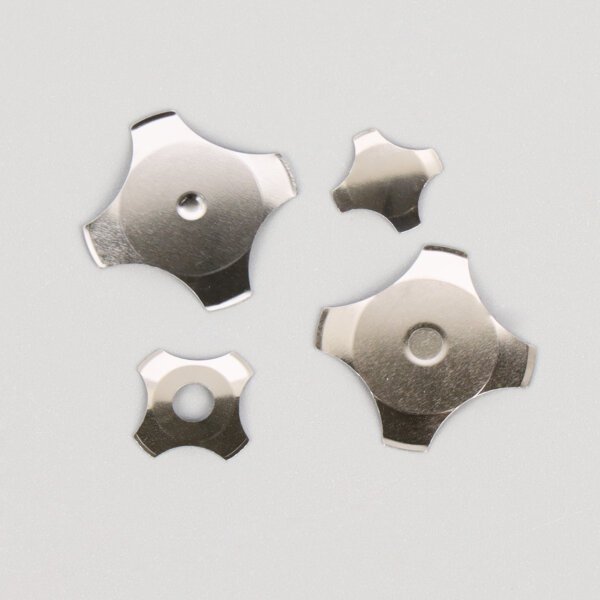
The Concern About Snap Dome Shelf Life
It’s a question that comes up more often than you might expect — especially among procurement teams and engineers managing inventory. If a batch of snap dome components sits in a warehouse for a year or two, will they still perform the same way when finally assembled into a product? Specifically, will the actuation force — that precise amount of pressure needed to collapse the dome and register a keypress — remain within spec?
The short answer is: generally, yes. But the longer, more honest answer involves a few important caveats. Storage conditions, material choices, and plating all play a role, and ignoring any one of them can lead to surprises down the line. It’s the kind of thing that doesn’t cause problems until it does.
What Determines Snap Dome Actuation Force?
Before diving into degradation concerns, it helps to understand what actually defines the actuation force of a snap dome in the first place.
Material and Geometry
The actuation force is primarily a function of:
The base material — most snap dome components are made from stainless steel (typically 301 or 301 variants), though some use phosphor bronze or other spring alloys.
The dome’s diameter and height — larger domes with greater curvature generally require more force.
The thickness of the metal — thicker material means higher resistance to deformation.
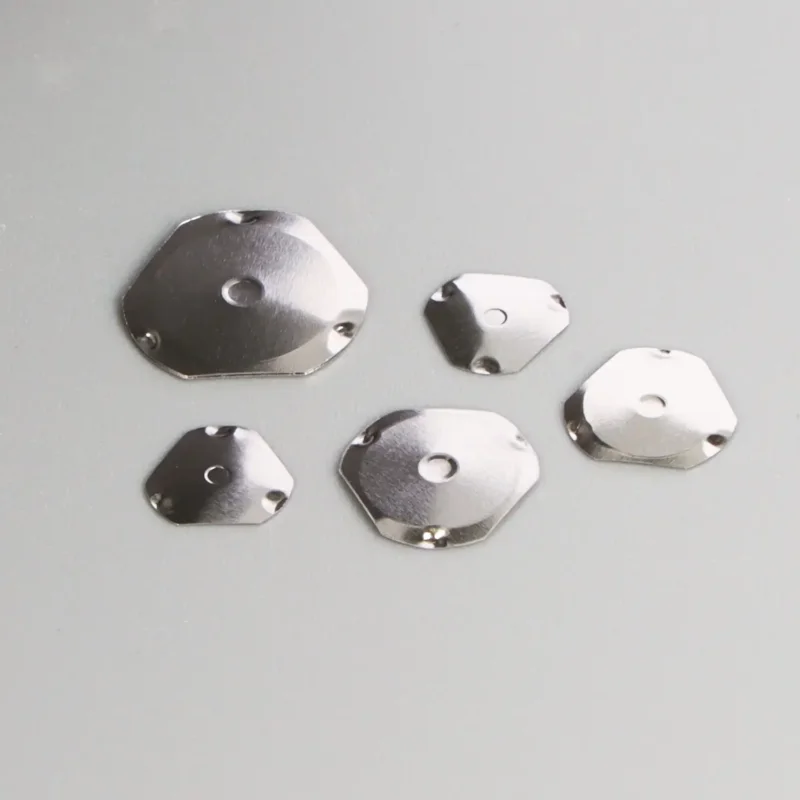
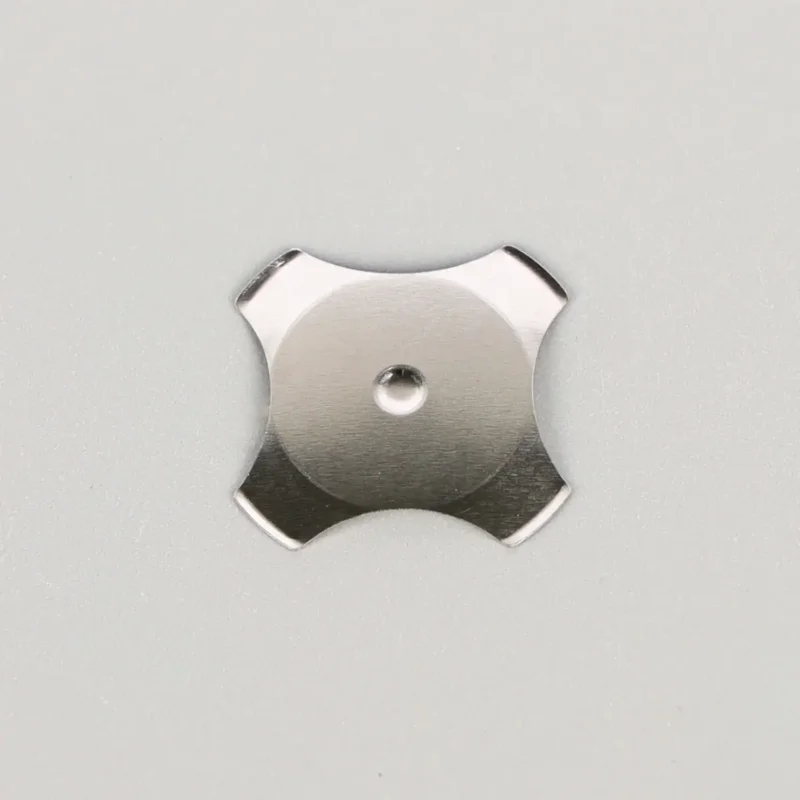
The shape profile — four-legged designs, round domes, and oblong configurations all behave differently under load.
These physical characteristics are set during the stamping and forming process. Once a snap dome is manufactured to a specific geometry, its actuation force is essentially “locked in” by the mechanical properties of the metal. This is an important point, because it means degradation would require some actual change to either the material properties or the dome’s shape.
Can Storage Actually Change a Snap Dome’s Actuation Force
Here’s where things get interesting. Under proper storage conditions, stainless steel snap dome components are remarkably stable. The metal doesn’t relax, creep, or lose its spring temper just from sitting on a shelf. Two years? Typically not a problem at all. Even five years is rarely an issue if everything is stored correctly.
Snap Dome Storage Stability: A Practical Overview
| Faktor |
Impact on Actuation Force
|
Impact on Electrical Performance
|
Likelihood After 2 Years
|
|---|---|---|---|
|
Proper storage conditions
|
Negligible
|
Negligible
|
Very low risk
|
|
High humidity (>70% RH)
|
Minimal
|
Moderate — oxide buildup
|
Moderate risk
|
|
Physical compression/stacking
|
Moderate to significant
|
Minimal
|
Depends on handling
|
|
Extreme heat (>50°C sustained)
|
Slight potential
|
Minimal
|
Low risk
|
|
Chemical fume exposure
|
Minimal
|
Moderate to high
|
Depends on environment
|
|
Packaging breach
|
Minimal direct effect
|
Moderate — contamination
|
Moderate risk
|
Looking at this table, a pattern becomes pretty clear. The mechanical performance of a well-stored snap dome holds up quite well over two years. The bigger concern is really about surface integrity and contact reliability, which are more sensitive to environmental factors.
The Bottom Line on Snap Dome Storage and Actuation Force
Two years in storage shouldn’t worry anyone — as long as the basics are covered. The actuation force of a properly manufactured snap dome is a function of its physical structure, and metal doesn’t forget its shape just because it’s been sitting in a box. What can change is the surface condition, which affects electrical contact quality more than mechanical response. Keep things dry, keep them sealed, avoid crushing the packaging, and even a two-year-old batch should perform exactly as expected. It’s one of those areas where a little bit of care upfront prevents a lot of unnecessary concern later.
VANLIGA FRÅGOR
Does a snap dome lose its click feel after long storage?
Under normal storage conditions, no. The tactile snap is a mechanical property determined by the dome’s material, thickness, and geometry — none of which change from sitting on a shelf. The click should feel identical whether the dome was made last month or two years ago, assuming no physical damage or deformation occurred during storage.
Should stored snap dome components be tested before use?
It’s a good idea for critical applications. A quick sample test — checking actuation force with a force gauge and measuring contact resistance — can confirm the batch is still within spec. For consumer electronics or non-critical uses, testing every stored batch may not be necessary, but for medical or military applications, incoming inspection after extended storage is standard practice and worth the effort.
How long can a snap dome realistically be stored without any degradation?
With proper packaging and controlled storage conditions, most stainless steel snap dome components can be stored for three to five years — sometimes longer — without any meaningful change in actuation force or electrical performance. Gold-plated variants tend to hold up even better over time. The key variable isn’t really time itself; it’s how well the storage environment is managed throughout that period.