
Understanding What a Membrane Switch Actually Does
A membranbrytare serves as an electrical interface that allows users to interact with machines and devices through simple pressing actions. Unlike mechanical buttons with moving parts, these switches use flexible layers that make contact when pressure gets applied to specific areas.
The basic concept isn’t complicated. Two conductive layers sit separated by a small gap. Press down on the surface, those layers touch, and a circuit completes. Release pressure, they spring apart, and the connection breaks. Pretty straightforward when you think about it.
What makes membrane switch technology interesting is how versatile it becomes across different applications. From the microwave sitting in most kitchens to sophisticated medical equipment in hospitals, these interfaces show up in places people rarely notice or think about.
Core Components Worth Knowing
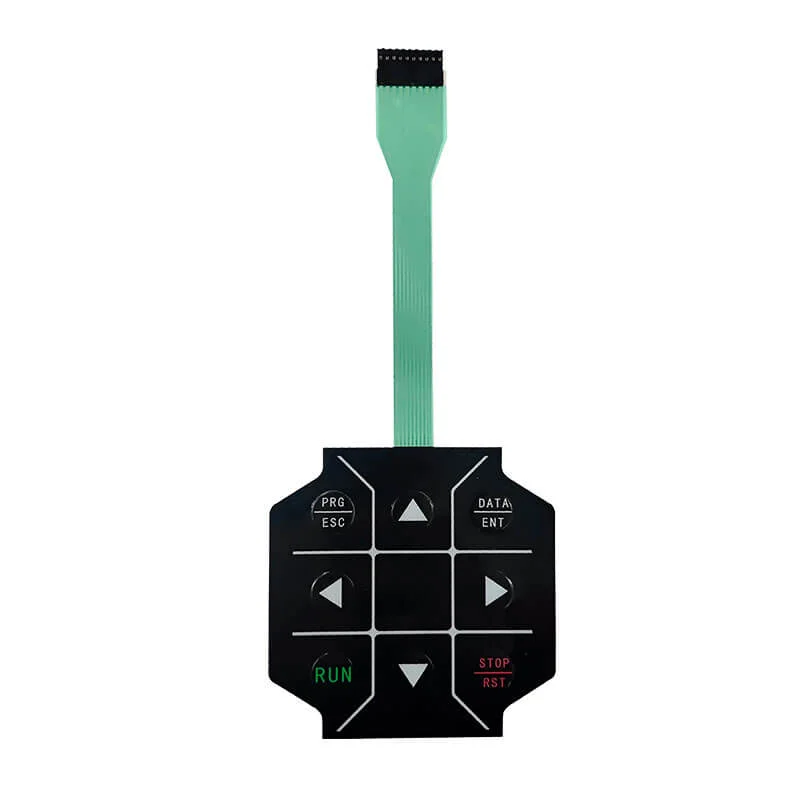
Every membrane switch contains several key elements working together:
- A graphic overlay that users see and touch
- Adhesive layers bonding everything together
- Circuit layers with conductive traces
- Spacer materials maintaining proper separation
- Tail connectors linking to main electronics
The construction seems simple on paper, but getting all these components to work reliably over thousands or millions of cycles requires careful engineering and material selection.
Common Applications for Membrane Switch Technology
Consumer Electronics and Home Appliances
Walk through any home and membrane switch interfaces appear everywhere. Microwave ovens, washing machines, air conditioners, remote controls. The list goes on quite a bit actually.
Manufacturers prefer this technology for consumer products because it offers:
- Low production costs at high volumes
- Easy customization for different models
- Resistance to spills and minor moisture
- Slim profiles that fit modern design aesthetics
- Quiet operation compared to clicky mechanical buttons
That flat, sealed surface works particularly well in kitchen environments where grease and liquid spills happen regularly. Cleaning becomes much easier without gaps where debris accumulates.
Medical and Healthcare Equipment
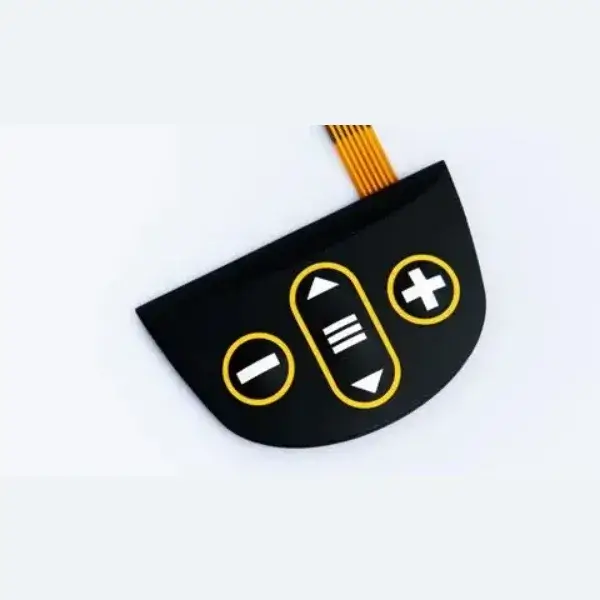
Hospital equipment demands reliability above almost everything else. A membrane switch used on patient monitoring devices, diagnostic machines, or therapeutic equipment needs to function consistently without fail.
The medical sector values several characteristics:
| Requirement | Why It Matters |
|---|---|
| Chemical resistance | Survives frequent sanitization |
| Sealed construction | Prevents bacterial contamination |
| Tactile feedback options | Confirms input without visual attention |
| Custom labeling | Matches specific device functions |
| Long operational life | Reduces maintenance interruptions |
Sterilization protocols in healthcare settings involve harsh cleaning agents that would damage many interface types. Membrane construction handles this exposure reasonably well when designed appropriately.
Industrial Control Systems
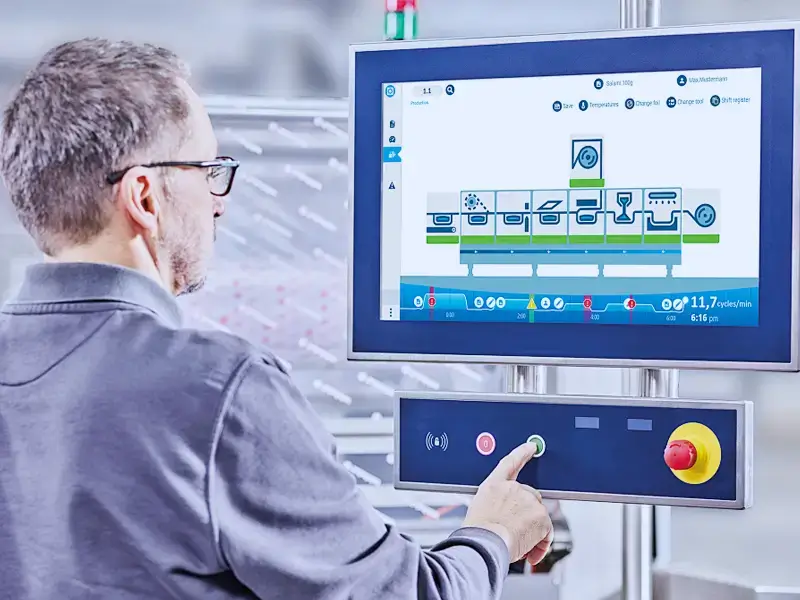
Factory floors present challenging conditions. Dust, vibration, temperature swings, occasional impacts from tools or materials. Industrial membrane switch panels need to survive all of this while remaining functional.
Control panels on manufacturing equipment, CNC machines, and process monitoring stations commonly use this technology. The ability to create fully sealed interfaces matters tremendously in environments where contamination causes equipment failures.
Some industrial applications push these switches to their limits. High cycle counts from repetitive operations, exposure to oils or cutting fluids, operation in temperature extremes. Not every membrane switch handles such conditions, but specialized versions exist for demanding situations.
Automotive and Transportation
Modern vehicles contain numerous membrane switch applications, though passengers rarely recognize them as such. Climate control panels, seat adjustment interfaces, and various secondary controls often use this technology.
Transportation equipment beyond personal vehicles also relies on membrane interfaces. Aircraft cockpit controls, train operator panels, and marine vessel instrumentation all feature applications where reliable, space-efficient switching solutions make sense.

Point-of-Sale and Commercial Equipment
Retail environments put equipment through heavy daily use. Cash registers, self-service kiosks, vending machines, and payment terminals all see thousands of interactions from users with varying degrees of gentleness.
The membrane switch technology in commercial applications needs durability without sacrificing responsiveness. Nobody wants to press a button multiple times wondering if their input registered.
Why Industries Choose Membrane Switch Solutions
Several practical factors drive adoption across so many different sectors.
Cost efficiency stands out immediately. Compared to mechanical alternatives, membrane construction typically costs less per unit, especially at production volumes common in consumer electronics.
Design flexibility appeals to product developers. Graphics, colors, button layouts, and textures can all be customized without massive tooling investments. This allows manufacturers to differentiate products visually while using similar underlying technology.
Space constraints often favor thin membrane panels over bulkier mechanical assemblies. As devices trend toward slimmer profiles, interfaces that add minimal thickness become increasingly valuable.
Reliability over time, when quality materials and construction methods are used, gives engineers confidence in long-term performance. Though cheap versions certainly exist and fail early, well-made membrane switches often exceed their rated cycle life.
Final Thoughts
The range of applications continues expanding as designers find new uses for this adaptable interface technology. From simple household appliances to complex industrial machinery, membrane switches provide functional, cost-effective solutions that meet diverse requirements across countless products people interact with daily. If you want to know more about membrane switch, please read Vad är en membranbrytare?.
VANLIGA FRÅGOR
How long does a typical membrane switch last?
Quality membrane switches generally last between one million and five million actuations under normal operating conditions. Actual lifespan depends heavily on materials, construction quality, and environmental factors during use.
Can membrane switches work in outdoor environments?
Yes, though outdoor applications require specific design considerations. UV-resistant overlays, enhanced sealing against moisture, and materials rated for wider temperature ranges become necessary for reliable outdoor performance.
Are membrane switches better than mechanical buttons?
Neither option is universally superior. Membrane switches offer advantages in sealing, cost, and slim profiles. Mechanical buttons typically provide stronger tactile feedback and may suit applications requiring that distinct click sensation users associate with positive actuation.