
Look around any room and chances are good that several devices within arm’s reach contain snap dome buttons. They’re everywhere, really—hidden beneath membrane panels, tucked inside remote controls, integrated into car dashboards. Yet most people never think about them. These small metal components work quietly behind the scenes, providing that satisfying click feedback we’ve come to expect from quality products.
What makes snap dome buttons so universally adopted? Their combination of reliability, tactile response, and cost-effectiveness suits an remarkably broad range of applications. From budget consumer gadgets to life-critical medical equipment, these switches adapt to diverse requirements while maintaining consistent performance.
Consumer Electronics Applications For Snap Dome Buttons
Consumer electronics probably represent the largest market for snap dome buttons. The sheer volume of devices produced—billions annually—demands switch solutions that balance quality with cost efficiency.
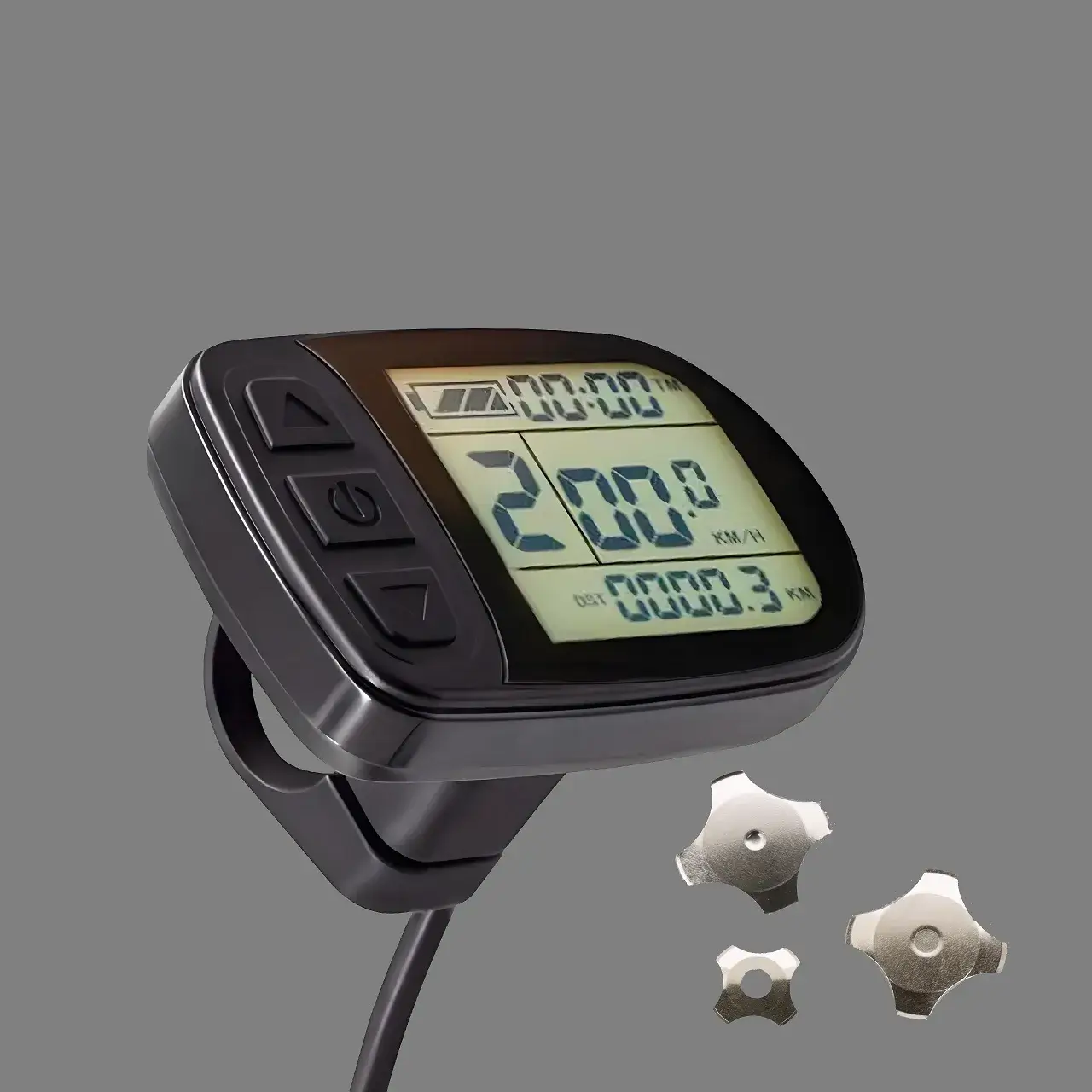
Remote Controls
Television remotes, streaming device controllers, air conditioner remotes. These ubiquitous devices rely heavily on snap dome buttons. The requirements seem simple enough: respond reliably to button presses, last several years of regular use, cost almost nothing per unit.
Snap dome buttons deliver on all fronts. A typical remote might contain 20 to 40 individual domes beneath a silicone keypad overlay. Each dome provides distinct tactile feedback, helping users navigate channels or adjust volume without looking down at the controller.
The math works out favorably here. At fractions of a cent per dome in high volumes, even budget remotes can include quality tactile switches. Premium feel without premium cost.
Gaming Controllers
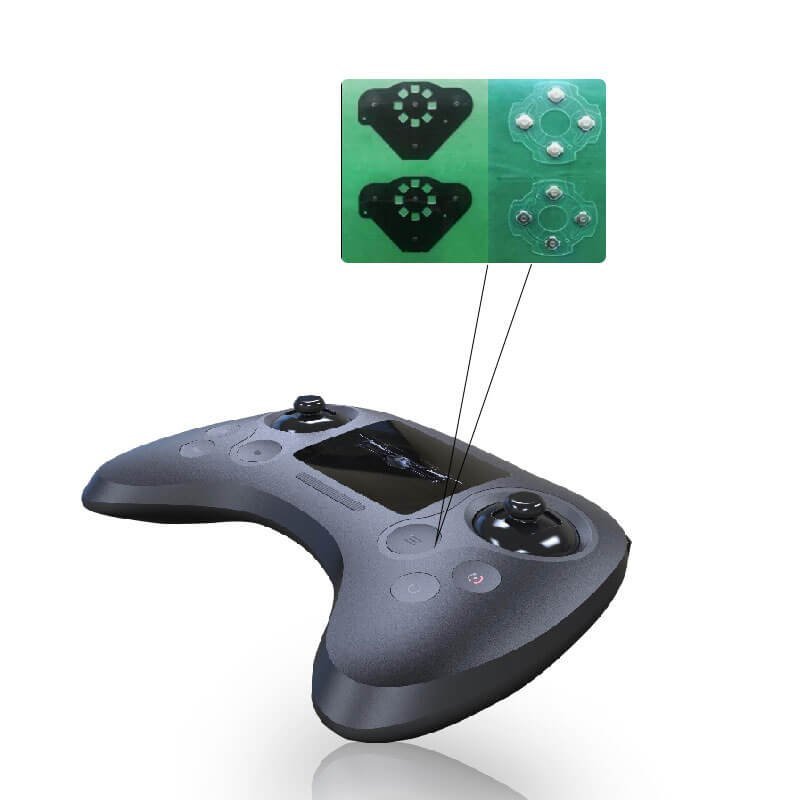
Gaming controllers demand more from their switches. Competitive players press buttons thousands of times per gaming session. Response time matters. Durability matters more.
Snap dome buttons in gaming applications typically feature:
- Higher cycle life ratings (5 million+ actuations)
- Optimized force curves for rapid repeated pressing
- Consistent tactile response throughout product lifespan
- Gold-plated contacts for reliable electrical performance
The face buttons on many popular controllers use snap dome technology. That crisp feedback when executing combos or confirming menu selections—snap domes make it happen.
Portable Devices
Smartphones have largely moved to capacitive touch, but plenty of portable electronics still incorporate physical buttons. Bluetooth speakers, portable chargers, wireless earphone cases, fitness trackers. These devices benefit from snap dome buttons in several ways:
- Low profile fits thin product designs
- Sealed construction resists moisture ingress
- Minimal power consumption compared to some alternatives
- Reliable operation across temperature ranges
The power button on a wireless earbud case is a good example. It needs to work flawlessly thousands of times, survive pocket lint and occasional rain exposure, and feel responsive despite the tiny form factor. Snap dome buttons handle this well.
Automotive Industry Uses Of Snap Dome Buttons
Cars present challenging environments for switches. Temperature extremes, vibration, years of daily use. Snap dome buttons have earned their place in automotive applications through proven reliability.
Steering Wheel Controls
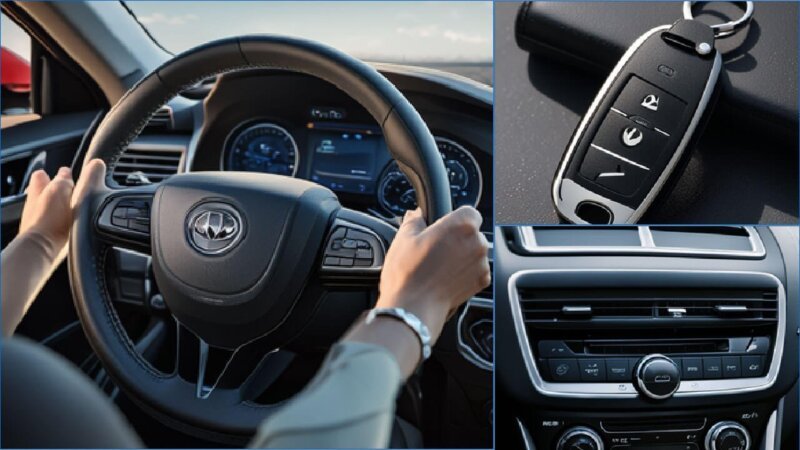
Modern steering wheels pack considerable functionality—audio controls, phone integration, cruise control, display navigation. These controls must work without visual attention since drivers need eyes on the road.
Snap dome buttons provide the tactile confirmation that makes eyes-free operation possible. That distinct click tells the driver input was registered. No guessing, no repeated pressing.
| Automotive Application | Typical Force Range | Expected Lifespan |
|---|---|---|
| Steering wheel buttons | 250-350g | 500,000+ cycles |
| Dashboard controls | 200-300g | 300,000+ cycles |
| Door panel switches | 180-250g | 200,000+ cycles |
| Climate controls | 200-280g | 400,000+ cycles |
| Seat adjustment | 220-300g | 100,000+ cycles |
Dashboard And Center Console
Climate controls, infotainment systems, hazard lights, window switches. The center console and dashboard area contains dozens of buttons that passengers interact with daily. Many of these functions use snap dome buttons beneath membrane overlays or plastic keycaps.
Automotive-grade snap dome buttons typically feature enhanced specifications:
- Extended temperature range (-40°C to +85°C operation)
- Vibration resistance testing
- Salt spray corrosion resistance
- Higher contact force for gloved operation
Medical Device Applications For Snap Dome Buttons
Snap dome buttons in medical environments demand exceptional reliability. Equipment failures can have serious consequences. Yet medical devices still need user-friendly interfaces that provide clear feedback.

Diagnostic Equipment
Blood pressure monitors, glucose meters, pulse oximeters. These diagnostic tools often incorporate snap dome buttons for their primary interfaces. The tactile response helps users confirm input—particularly important for elderly patients or those with vision impairments.
Cleanability matters here too. Snap dome buttons work well behind sealed membrane interfaces that can be wiped down with disinfectants. The mechanical components stay protected while the surface remains sanitary.
Patient Monitoring Systems
Hospital monitoring equipment runs continuously. Nurses and technicians interact with these systems repeatedly throughout shifts. Snap dome buttons offer the durability and consistent feel necessary for such demanding use patterns.
Some specific advantages in this context:
- Positive tactile feedback confirms input even during emergencies
- Silent or low-noise options available for patient comfort
- Long service life reduces maintenance requirements
- Familiar button feel requires minimal training
Portable Medical Instruments
Handheld medical devices—ultrasound probes, testing instruments, therapeutic devices—benefit from snap dome buttons’ compact form factor. Space inside these devices is precious. Low-profile domes maximize interior room for electronics and batteries while still providing quality tactile response.
Industrial Control Panel Applications With Snap Dome Buttons
Factory floors and industrial settings push equipment hard. Dust, vibration, temperature fluctuations, rough handling. Snap dome buttons survive these conditions when properly specified and protected.
Manufacturing Equipment
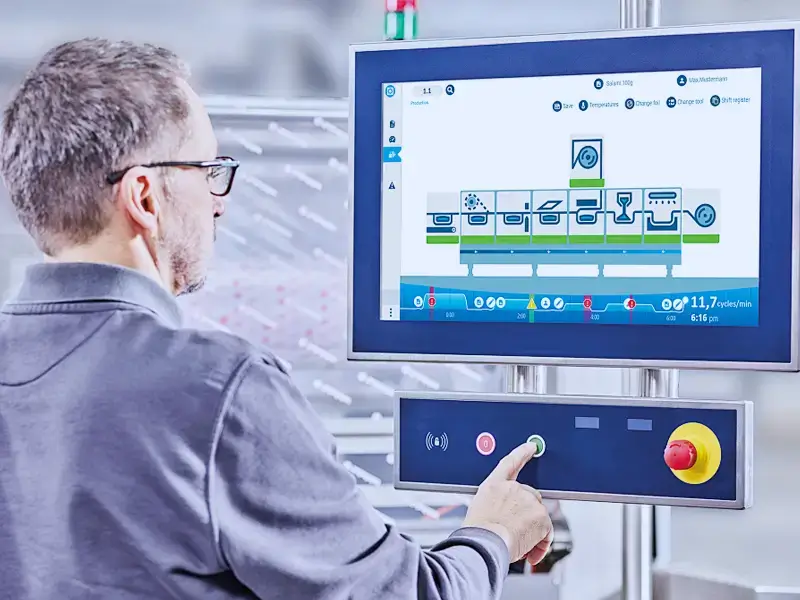
CNC machines, assembly line controls, testing stations. These systems often feature membrane keypads with snap dome buttons underneath. Operators interact with these interfaces throughout shifts, sometimes wearing gloves that reduce tactile sensitivity.
Higher actuation forces—300g to 500g—compensate for gloved operation. The domes provide enough feedback to penetrate work gloves while remaining comfortable for bare-handed use.
Safety-Critical Controls
Emergency stop buttons, alarm acknowledgment switches, safety interlocks. These functions absolutely must work every time. While the primary mechanism might use a larger switch, secondary controls and panel interfaces frequently incorporate snap dome buttons.
The key requirements include:
- Consistent actuation force over time
- Clear tactile confirmation of activation
- Long service life with minimal maintenance
- Environmental resistance appropriate to the installation
FAQ
How do manufacturers choose between snap dome buttons and other switch types?
Selection depends on several factors including required tactile feel, available space, cost targets, and expected service life. Snap dome buttons typically win when crisp tactile feedback, thin profiles, and cost efficiency matter most. Applications requiring illumination or extremely high cycle counts might favor other technologies.
Can snap dome buttons be used in waterproof products?
Yes, when combined with appropriate sealing. The domes themselves tolerate moisture, but the assembly design matters. Properly sealed membrane overlays protect snap dome buttons effectively. Many outdoor and water-resistant products use this approach successfully.
What causes snap dome buttons to fail in applications?
Common failure modes include contact corrosion from environmental exposure, dome fatigue from excessive cycling, and overlay degradation affecting tactile transmission. Proper specification for the intended environment prevents most failures. Quality materials and appropriate protective measures extend service life substantially.