
Choosing a metal dome switch sounds simple enough—until the options start piling up. Different sizes, force ratings, shapes, materials. Some have four legs, others five. Gold plating or nickel? Circular or oblong? The choices multiply quickly, and picking the wrong one means either a mushy feel that frustrates users or premature failure that damages reputation.
This guide walks through the selection process in a practical way. Not every project has the same requirements, obviously. A medical device needs different considerations than a TV remote. But certain fundamentals apply across the board.
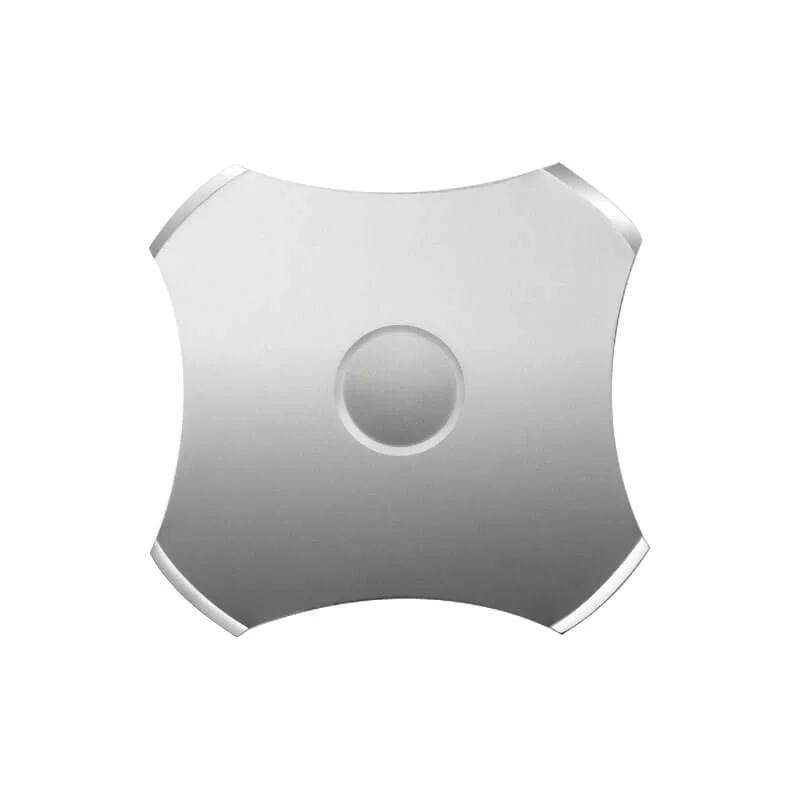
Understanding What A Metal Dome Switch Actually Does
At its core, a metal dome switch is a momentary contact mechanism. Press down on the dome, it collapses and makes electrical contact. Release pressure, it springs back to original shape. That distinctive “click” feedback comes from this snap action—something users have grown to expect from quality electronics.
The dome itself is typically stamped from thin stainless steel, usually SUS301 grade. Thickness varies, commonly between 0.05mm and 0.15mm depending on desired force characteristics. Thicker material generally means higher actuation force and firmer tactile response.
What makes these switches popular is reliability combined with low cost. A well-made metal dome switch can handle millions of actuations. That durability explains why they show up everywhere from automotive dashboards to industrial control panels.
Key Factors In Metal Dome Switch Selection
Actuation Force Requirements
Force rating is probably the first specification most engineers consider. Too light and accidental presses become a problem. Too heavy and user fatigue sets in, especially for devices operated frequently.
Common force ratings range from around 100 grams to 500 grams, though custom values exist outside this range. Some general guidelines:
- Consumer electronics (remotes, toys): 150-200g typically works well
- Industrial controls: 250-350g provides resistance against accidental activation
- Medical devices: varies widely based on whether operators wear gloves
- Automotive: often higher forces due to vibration concerns
The relationship between force and dome diameter matters too. Larger domes can accommodate higher forces while maintaining acceptable tactile ratio—the percentage of force drop when the dome snaps through.
Dome Shape And Configuration
Not all metal dome switches are circular. The shape affects both feel and function:
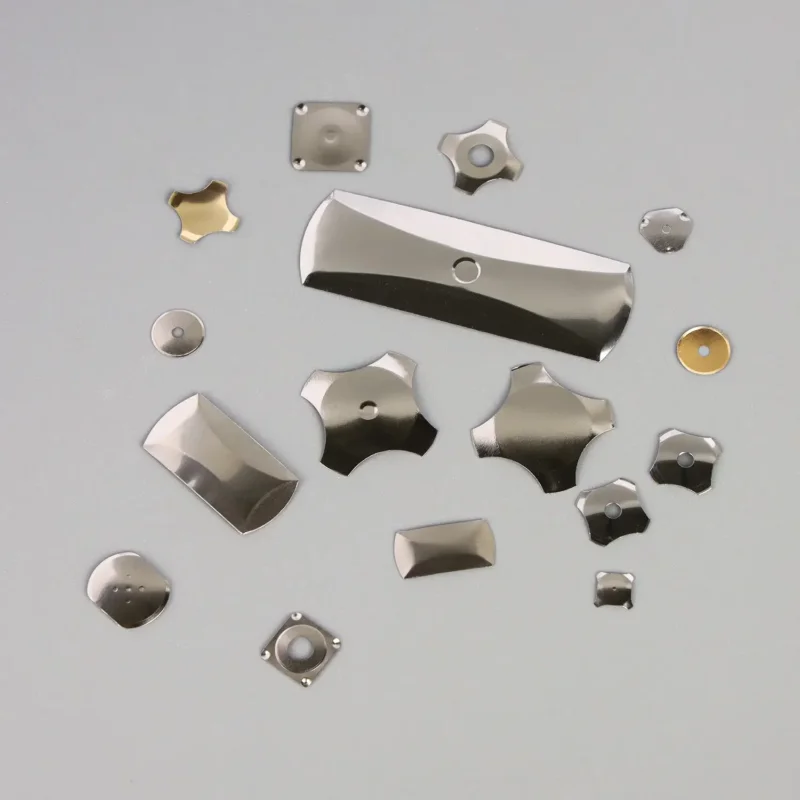
- Round domes – most common, good all-around performance
- Oblong/oval domes – useful when space constraints exist in one dimension
- Four-leg designs – standard stability, works for most applications
- Five-leg designs – better centering, sometimes preferred for larger domes
Shape selection often comes down to available space on the PCB or membrane. Sometimes existing tooling at a manufacturer dictates what shapes are readily available without custom charges.
Material And Surface Treatment
Stainless steel dominates the market, with SUS301 being the workhorse material. But surface treatments add another decision layer:
| Treatment | Conductivity | Corrosion Resistance | Cost | Best For |
|---|---|---|---|---|
| Bare steel | Moderate | Basic | Low | Indoor consumer products |
| Nickel plating | Good | Good | Medium | General industrial use |
| Gold plating | Excellent | Excellent | Higher | Medical, high-reliability |
| Silver plating | Excellent | Moderate | Medium | Low-resistance applications |
For applications where contact resistance must stay minimal over years of use, gold plating justifies its premium. In less demanding environments, nickel works fine and costs less.
Environmental Considerations For Metal Dome Switch Selection
Operating environment often gets overlooked during initial selection, which causes problems later. Temperature extremes affect tactile feel—domes get stiffer in cold conditions. Humidity and potential moisture exposure determine whether extra corrosion protection is necessary.
Some questions worth asking:
- Will the device operate outdoors or in climate-controlled spaces?
- Is exposure to cleaning chemicals likely (common in medical and food service)?
- What temperature range must the switch tolerate?
- Are there vibration or shock concerns?
Membrane overlays and proper sealing can protect metal dome switches from many environmental hazards. But the dome material and plating choices should match expected conditions from the start.
Testing And Validation Before Committing
Never finalize a metal dome switch selection based solely on datasheet specifications. Tactile feel is subjective—what reads well on paper might disappoint in actual use. Most reputable suppliers provide samples for exactly this reason.
During evaluation, pay attention to:
- Initial click feel (is it crisp or vague?)
- Consistency across multiple samples
- Sound of actuation (sometimes matters for user perception)
- Force required versus what feels comfortable
Running accelerated life testing on prototypes reveals potential durability issues before production ramps up. A switch that feels perfect initially might develop problems after several hundred thousand cycles. If you want to know more about metal dome switch, please read What is a metal dome switch?
FAQ
How long does a typical metal dome switch last?
Most quality metal dome switches are rated between 1 million and 5 million actuations. Premium designs with proper materials can exceed 10 million cycles, though actual lifespan depends on operating conditions and actuation force used.
Can metal dome switches work with flexible circuits?
Yes, metal dome switches integrate well with FPC (flexible printed circuit) designs. They can be placed directly on flex circuits or used within dome arrays that mount onto flexible substrates. This combination is common in compact electronics.
What causes a metal dome switch to fail prematurely?
Common failure causes include contamination (oils, dust), excessive actuation force beyond rating, corrosion from moisture exposure, and material fatigue from over-travel. Proper sealing and staying within specified parameters prevents most issues.