
What Exactly Is a Metal Dome and Why Does It Matter?
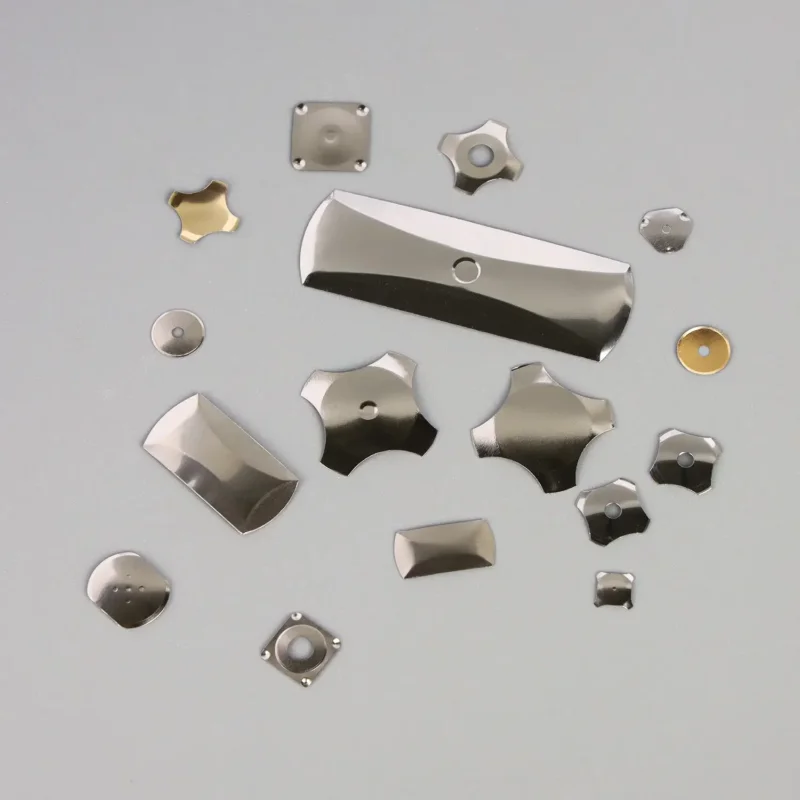
A metal dome is basically a small, convex-shaped component—usually made from stainless steel—that serves as the tactile element in membrane switches, keypads, and various electronic interfaces. When pressed, the dome collapses with a satisfying “click” and completes an electrical circuit. Once released, it springs back to its original shape.
These tiny components are everywhere, honestly. Remote controls, medical devices, automotive dashboards, industrial equipment—the list goes on. The tactile feedback they provide is something most people take for granted, but engineers and product designers know just how critical selecting the right one can be.
Choosing an unsuitable metal dome can lead to poor user experience, premature failure, or inconsistent actuation. And nobody wants that, especially when the fix is relatively straightforward with proper knowledge upfront.
Common Types of Metal Dome You Should Know
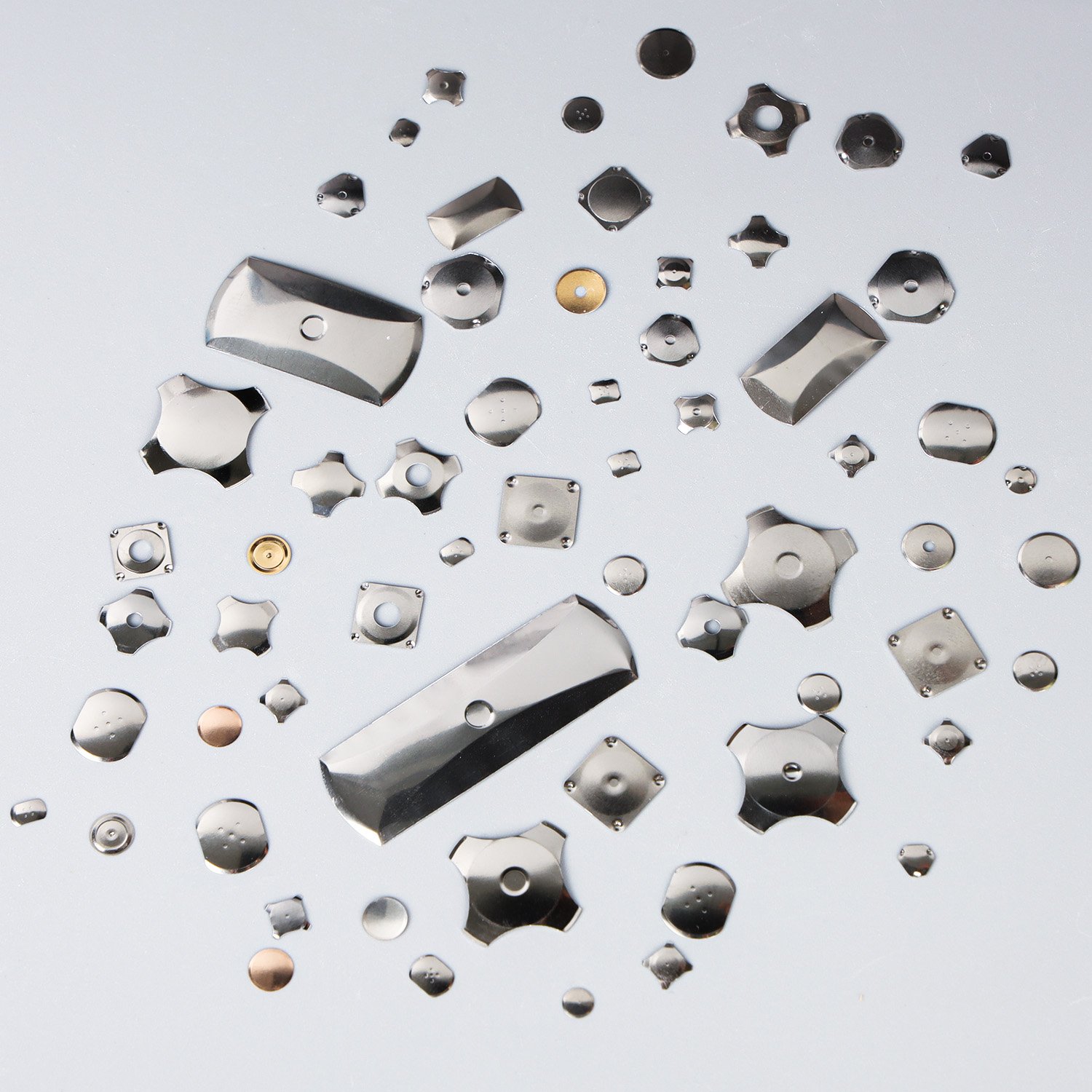
Not all domes are created equal, and this becomes apparent pretty quickly once someone starts comparing options side by side. The differences might seem subtle at first glance—after all, they’re all small metal discs that click when pressed—but those variations in shape, leg configuration, and dimensional characteristics translate into meaningful performance differences in actual applications.
Different applications call for different designs, and what works perfectly in a television remote might perform poorly in an industrial control panel or medical monitoring device. The operating environment, expected usage frequency, space constraints, and user expectations all influence which dome type makes the most sense.
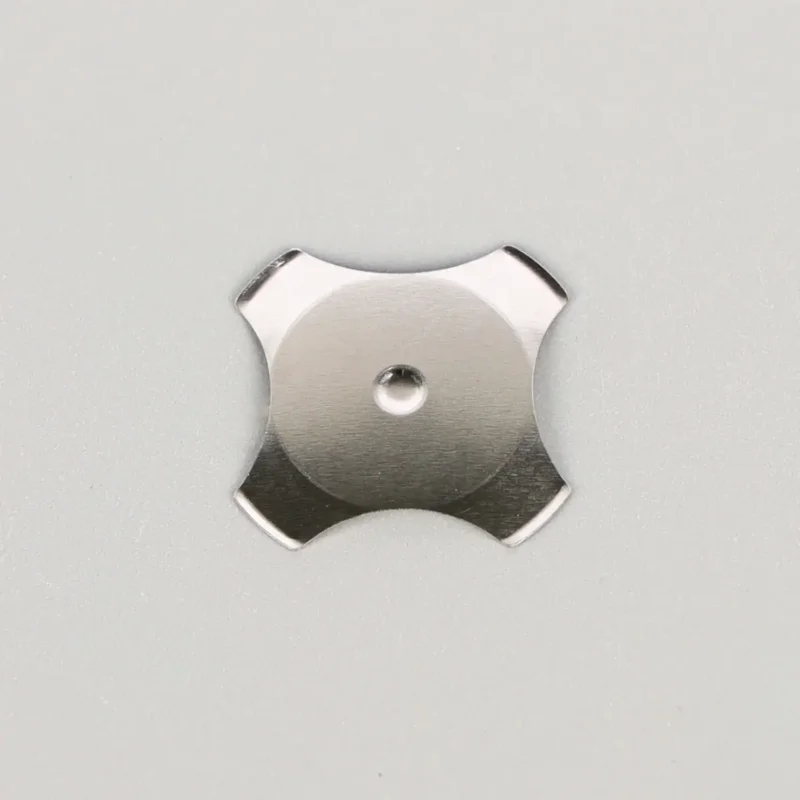
Four-Leg Metal Dome
This is probably the most widely used type out there. The four-leg design offers excellent stability and consistent tactile response. It sits flat on the PCB or membrane layer, and those four contact points ensure reliable electrical connection when pressed.
Four-leg metal domes work well in applications requiring moderate actuation force and clear tactile feedback—think consumer electronics, remote controls, and general-purpose keypads.
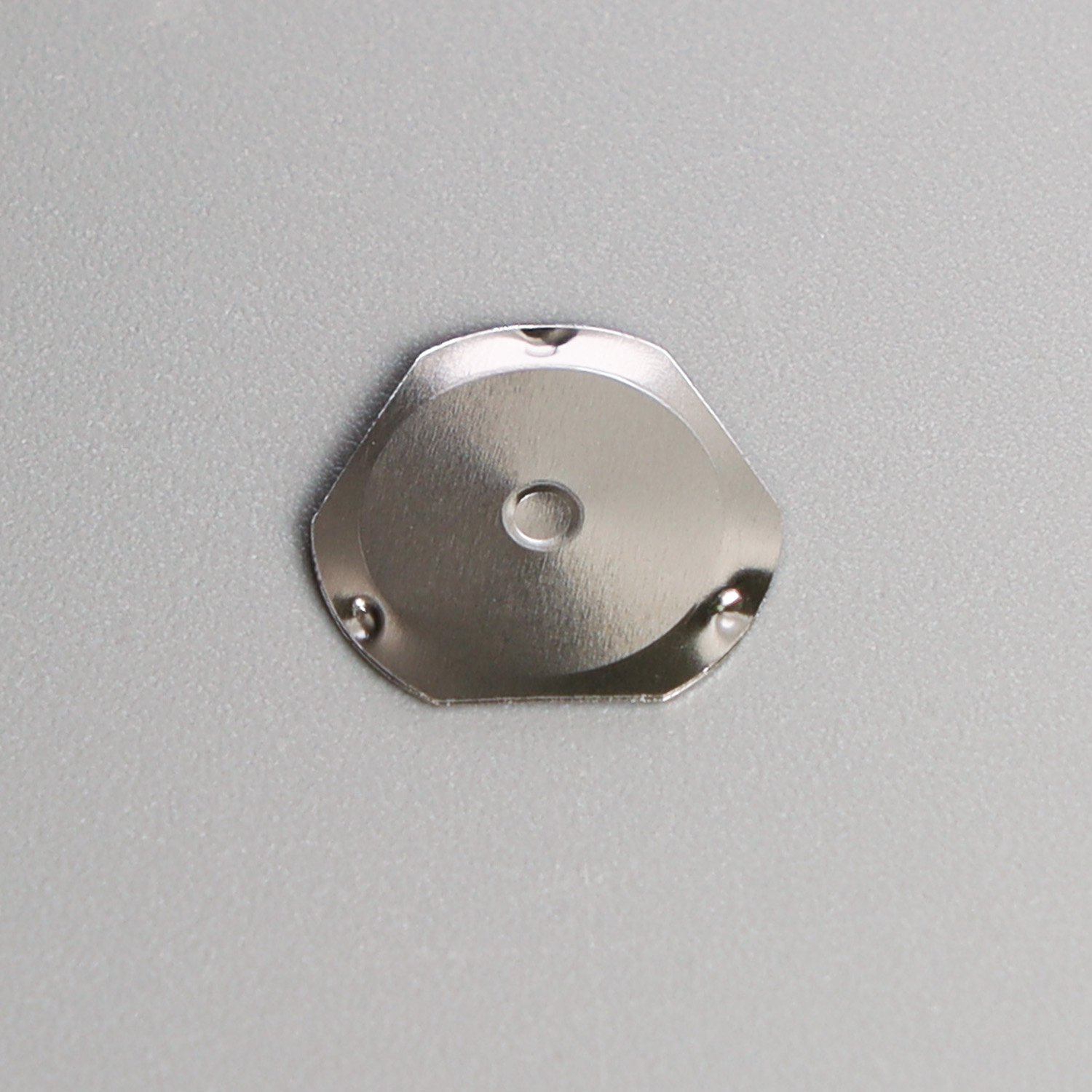
Triangle Metal Dome
Triangular domes have three contact legs instead of four. They’re typically smaller in diameter and suit applications with limited space or lower actuation force requirements. The click feel tends to be slightly softer compared to four-leg variants.
These show up frequently in compact devices, wearables, and scenarios where a gentler touch is preferred.
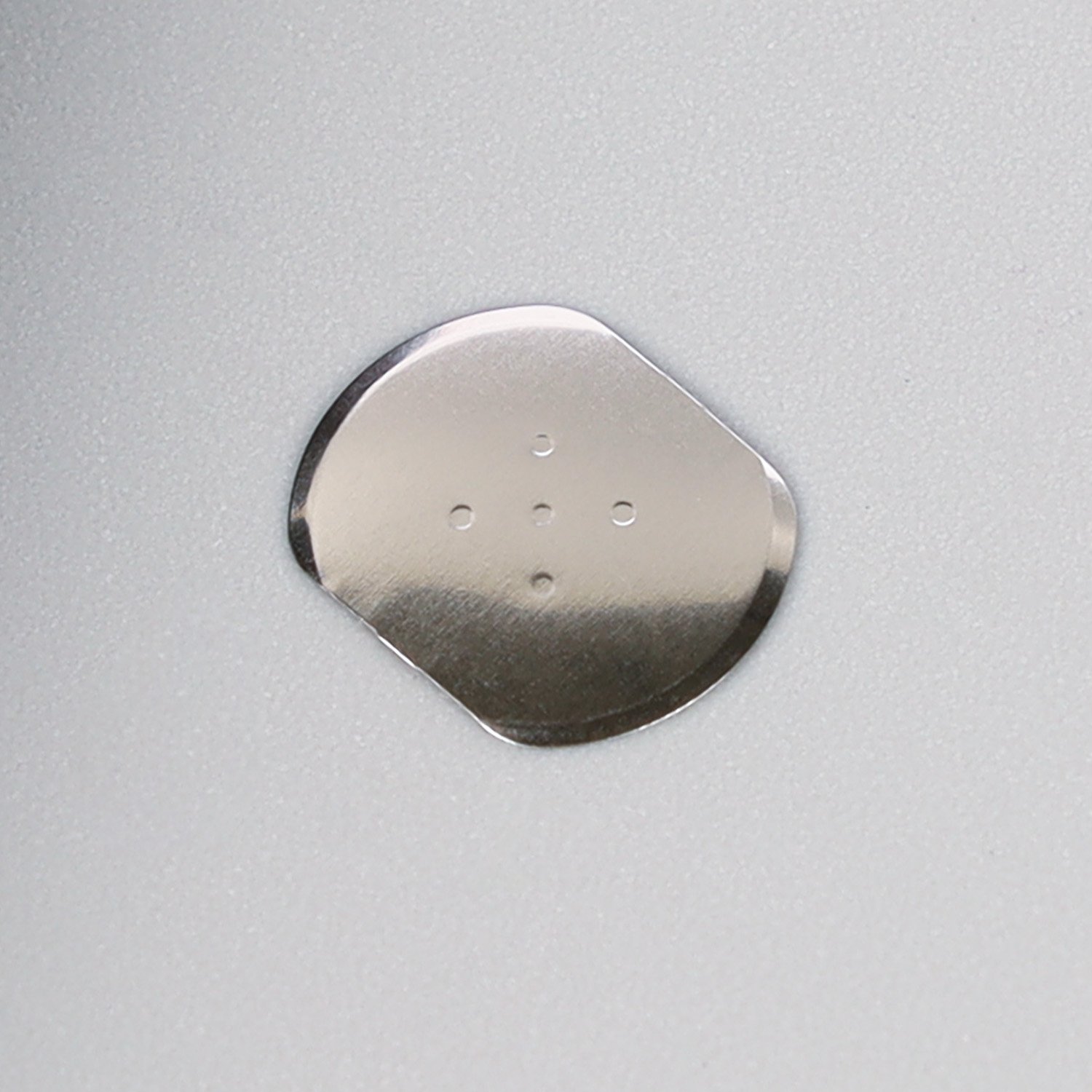
Oval Metal Dome
Oval metal domes feature an elongated, elliptical shape that addresses specific design constraints where round alternatives simply won’t fit. The stretched profile allows engineers to incorporate tactile switches into narrow button spaces or unconventional keypad arrangements.
These domes maintain decent tactile properties despite the asymmetrical shape, though the click sensation can feel slightly different depending on press location—center presses versus edge presses may vary subtly. Automotive interior controls, certain industrial panels, and devices with rectangular button designs often benefit from oval configurations.
One trade-off worth noting: oval domes sometimes require more careful alignment during assembly compared to their round counterparts. The directional shape means orientation matters, adding a small complexity factor to production processes.
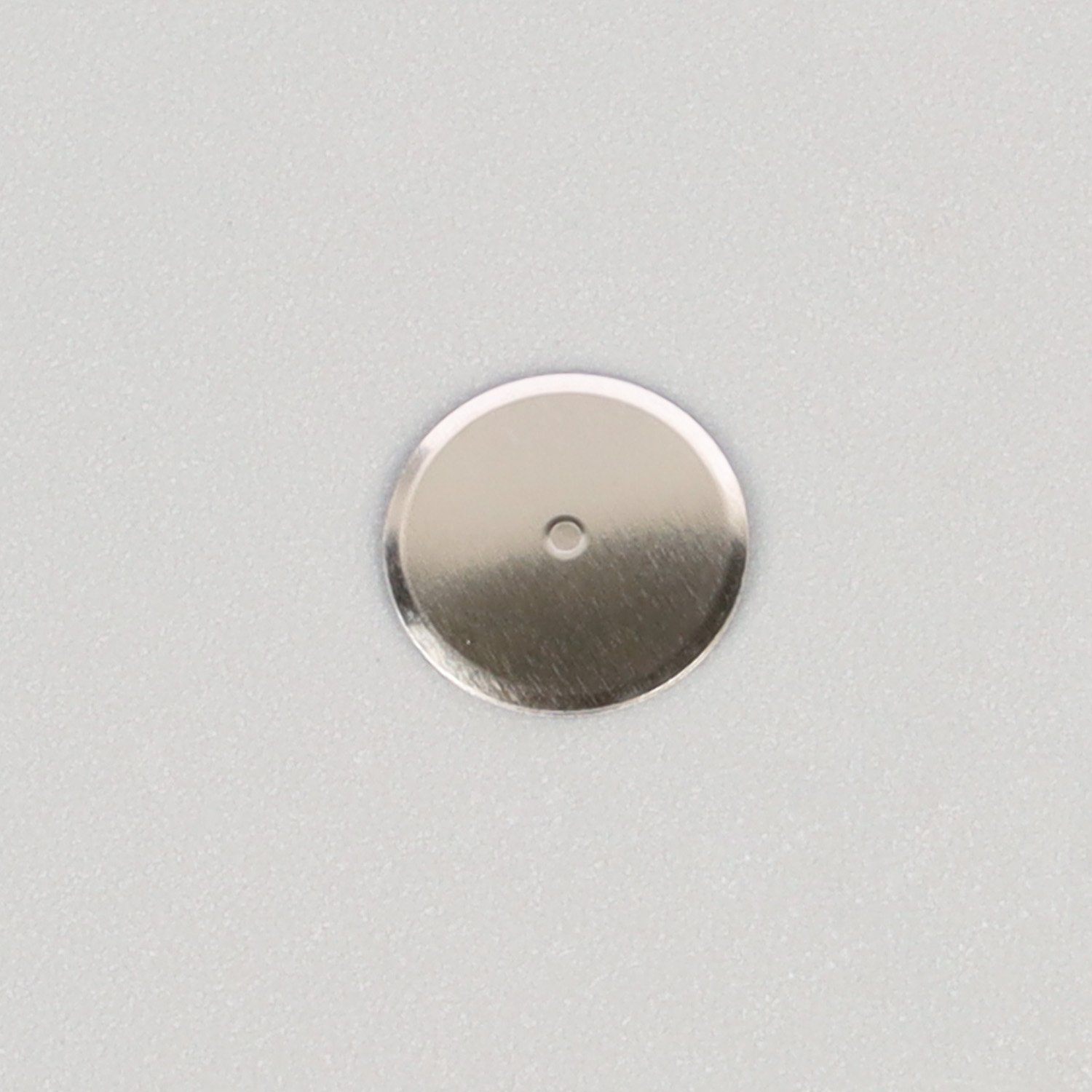
Round Metal Dome
Round metal domes are the standard shape most people picture when thinking about these components. Their circular footprint provides uniform force distribution across the entire dome surface, resulting in consistent tactile feedback regardless of where the user presses.
The symmetrical design makes round domes versatile—they work in pretty much any orientation and integrate easily into various keypad layouts. Consumer electronics, telecommunication equipment, and household appliances commonly use this shape because it pairs naturally with circular button caps and offers predictable performance characteristics.
Round domes come in various diameters, typically ranging from 4mm up to 16mm or larger for specialized applications. The consistent geometry also means manufacturing tolerances are generally tighter, which contributes to reliability.
Key Factors When Selecting a Metal Dome
Picking the right dome involves balancing several considerations, and the process can feel overwhelming at first given how many variables come into play. There’s rarely a single “best” option that works universally—what performs beautifully in one application might be completely wrong for another, even if the products seem superficially similar.
It depends heavily on the application context, including factors like how frequently users will interact with the switch, what kind of feedback they expect, the physical space available, environmental conditions during operation, and of course budget constraints. Some projects prioritize tactile crispness above all else, while others need durability for millions of cycles or resistance to harsh conditions.
Actuation Force
Actuation force, measured in grams or Newtons, determines how much pressure triggers the dome. This matters a lot for user experience.
- Lower force (80-150g): Suitable for frequent use, reduces finger fatigue
- Medium force (150-260g): Good balance for general applications
- Higher force (260g+): Prevents accidental presses, works for industrial settings
Getting this wrong creates problems. Too light, and users accidentally trigger buttons. Too heavy, and repeated use becomes tiring or uncomfortable.
Dome Diameter
Size obviously affects how the dome fits within the product design. Common diameters range from 4mm to 20mm, though custom sizes exist.
Smaller domes generally have lower travel distance and quieter clicks. Larger ones provide more pronounced tactile feedback and accommodate higher force ratings.
Travel Distance
This refers to how far the dome moves before collapsing. Typical travel ranges from 0.1mm to 0.3mm or so. Greater travel distance usually means more noticeable tactile response, but it also affects switch height considerations.
Material Selection
Most metal domes use stainless steel—specifically 301 or 304 grade—due to its excellent spring properties and corrosion resistance. Some applications might call for special coatings or alternative alloys, particularly in harsh environments.
| Material Type | Typical Use | Key Advantage |
|---|---|---|
| 301 Stainless Steel | General consumer electronics | Good spring-back, cost-effective |
| 304 Stainless Steel | Medical, food industry | Superior corrosion resistance |
| Nickel-Plated | High-humidity environments | Enhanced durability |
| Gold-Plated | Low-current applications | Better conductivity, reduced oxidation |
Click Ratio
The click ratio represents the relationship between peak force (when the dome begins to collapse) and bottom force (after full collapse). A higher click ratio produces a crisper, more distinct click sensation.
For applications where users need clear confirmation of button activation, aiming for click ratios above 40% generally works well.
Lifespan Requirements
How many actuations does the application demand? Consumer electronics might need 1-3 million cycles. Industrial equipment could require 5 million or more. Medical devices often have even stricter durability standards.
Dome quality, material thickness, and design all influence longevity, so specifying lifespan expectations upfront saves headaches later. If you ant to know more about lifespan, please read 5 Maintenance Tips to Extend the Lifespan of Metal Dome Switches.
Metal Dome Arrays vs. Individual Domes
Individual Domes
Single domes are placed one by one during assembly. This approach offers flexibility—different domes can be used for different buttons within the same product. However, manual placement increases assembly time and potential for misalignment.
Dome Arrays
Arrays consist of multiple domes attached to a polyester or Mylar sheet with adhesive backing. The sheet is positioned over the PCB or membrane, and all domes are placed simultaneously.
Benefits of arrays:
- Faster assembly
- Consistent dome positioning
- Reduced risk of contamination during handling
- Lower labor costs for high-volume production
Most manufacturers prefer arrays for production runs above a few hundred units. The upfront tooling cost pays off quickly.

Environmental and Application Considerations
The operating environment significantly influences metal dome selection, something that’s easy to overlook during initial design phases when attention tends to focus on electrical specifications and tactile characteristics. Yet environmental factors often determine whether a dome performs reliably over its intended lifespan or fails prematurely in ways that create warranty headaches and user frustration.
Temperature Range
Standard stainless steel domes typically operate reliably from -40°C to +80°C. Extreme temperature applications—automotive under-hood, outdoor industrial equipment—might need special considerations regarding material properties and adhesive selection.
Humidity and Moisture
High humidity environments accelerate oxidation, even on stainless steel. Sealed membrane switch assemblies help, but choosing appropriate dome coatings adds another layer of protection.
Chemical Exposure
Industrial and medical applications sometimes expose switches to cleaning agents, solvents, or other chemicals. Verifying material compatibility prevents unexpected failures.
EMI/RFI Shielding
Some designs require electromagnetic or radio frequency interference shielding. Certain dome configurations integrate better with shielding solutions than others—worth discussing with suppliers early.
Working with Metal Dome Suppliers
Finding a reliable supplier matters as much as selecting the right dome specifications. A few practical suggestions based on industry experience:
- Request samples before committing to large orders
- Verify the supplier’s quality certifications (ISO 9001 is standard)
- Ask about minimum order quantities and lead times
- Confirm whether custom specifications are feasible
- Inquire about technical support during design integration
Good suppliers provide detailed datasheets including force curves, dimensional tolerances, and recommended operating conditions. If that information isn’t readily available, consider it a warning sign.
Common Mistakes to Avoid When Choosing a Metal Dome
Even experienced engineers occasionally make selection errors. Here are pitfalls that seem to come up repeatedly:
- Specifying force based on assumption rather than testing – What feels right during bench testing often differs from real-world usage patterns
- Ignoring temperature effects on tactile feel – Dome stiffness changes with temperature, sometimes noticeably
- Overlooking adhesive compatibility – The adhesive attaching dome arrays must work with both the dome material and the substrate
- Choosing based solely on price – Cheap domes might save money initially but create warranty issues down the line
- Not accounting for overlay material – The graphic overlay thickness affects perceived tactile response
FAQ About Metal Dome Selection
How long does a typical metal dome last?
Most quality metal domes are rated for 1 million to 5 million actuations, depending on design and material. High-end versions used in industrial or medical applications can exceed 10 million cycles. Actual lifespan depends on actuation force, environmental conditions, and manufacturing quality.
Can metal domes be customized for specific force requirements?
Yes, many suppliers offer customization of actuation force, dome diameter, and click characteristics. Custom orders typically involve higher minimum quantities and longer lead times, but it’s worthwhile for applications with precise requirements. Discuss feasibility and costs with potential suppliers early in the design process.
What causes a metal dome to fail prematurely?
Common failure causes include contamination during assembly (oils, dust), excessive operating temperature, corrosion from humidity or chemical exposure, and using domes with insufficient force ratings for the application. Proper handling procedures and environmental sealing significantly reduce failure rates.
Final Thoughts on Metal Dome Selection
Selecting an appropriate metal dome requires balancing technical specifications against practical constraints—budget, assembly method, environmental factors, and end-user expectations all play roles. There’s no universal answer, which can feel frustrating but also means solutions exist for nearly any requirement.
Taking time to test samples, consult with suppliers, and validate choices in realistic conditions tends to produce better outcomes than rushing the decision. The metal dome is a small component, sure, but its impact on product quality and user satisfaction is disproportionately large.
For projects still in early stages, building in flexibility to adjust dome specifications during prototyping often proves valuable. What seems perfect on paper doesn’t always translate to ideal real-world performance, and having room to iterate makes a difference.