
Finding the right supplier for electronic components is never as straightforward as it seems. Metal dome switches—those small, tactile components that provide the satisfying click in countless devices—require precision manufacturing. The difference between a good supplier and a great one can mean the difference between products that perform flawlessly and ones that fail prematurely or feel cheap to end users.
The market includes many metal dome switch manufacturers, ranging from large-scale operations serving global OEMs to smaller specialty shops focusing on niche applications. Navigating these options requires understanding what separates reliable partners from those who might cause headaches down the road. Quality, customization capability, communication, and consistency all matter—but knowing how to evaluate these factors takes some experience.
Understanding What Metal Dome Switch Manufacturers Actually Provide
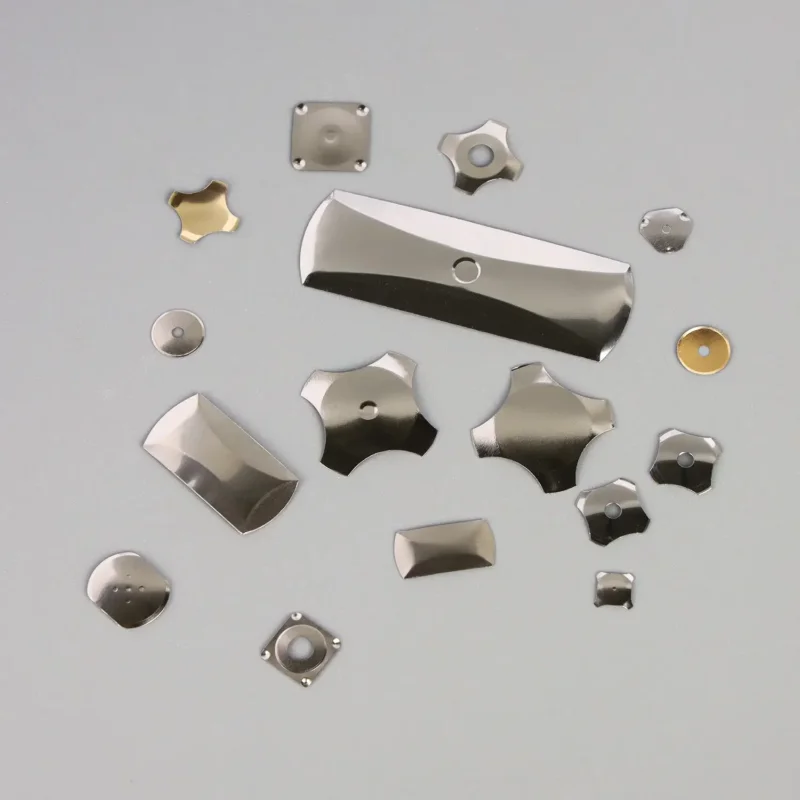
Before diving into selection criteria, it helps to clarify what these suppliers typically offer. Metal dome switches are the small, typically circular or oblong domes made from stainless steel or other metals. When pressed, they collapse and make contact, creating a tactile response and electrical connection. Simple in concept, but manufacturing them consistently requires tight tolerances.
Common product offerings include:
- Individual metal domes in various sizes and force ratings
- Dome arrays mounted on polyester or polyimide carriers
- Integrated dome assemblies with adhesive backing
- Custom shapes for specific applications
- Combined solutions with membrane layers
Some manufacturers focus purely on the dome components themselves. Others provide more comprehensive solutions, including membrane switch assembly or complete input device manufacturing. Understanding the scope of services needed helps narrow the field considerably.
Quality Standards Among Metal Dome Switch Manufacturers
Quality is the obvious starting point, though evaluating it from a distance presents challenges. Certifications offer one lens. Actual performance data offers another.
| Quality Indicator | What It Suggests | How to Verify |
| ISO 9001 certification | Basic quality management system in place | Request certificate copies |
| Automotive certifications (IATF 16949) | Higher quality standards for demanding applications | Check certification status |
| Life cycle testing data | Expected product durability | Request test reports |
| Actuation force consistency | Manufacturing precision | Ask for statistical process data |
| Material certifications | Compliance with RoHS, REACH, etc. | Request compliance documentation |
| Defect rates | Production quality control | Inquire about PPM rates |
Certifications matter, but they do not tell the whole story. A manufacturer might hold ISO 9001 certification yet still produce inconsistent products if internal processes have slipped. Requesting actual test data and defect rate information provides more concrete evidence of quality commitment.
Life cycle performance is particularly important. Metal dome switches may need to withstand hundreds of thousands—sometimes millions—of actuations. Manufacturers who test their products rigorously and share that data demonstrate confidence in their output. Those who hesitate or provide vague answers raise questions.
Material Quality Considerations
The base material affects performance significantly. Most quality metal dome switches use stainless steel—typically 301 or 304 grade—but variations exist.
Factors affecting material performance:
- Steel grade and temper
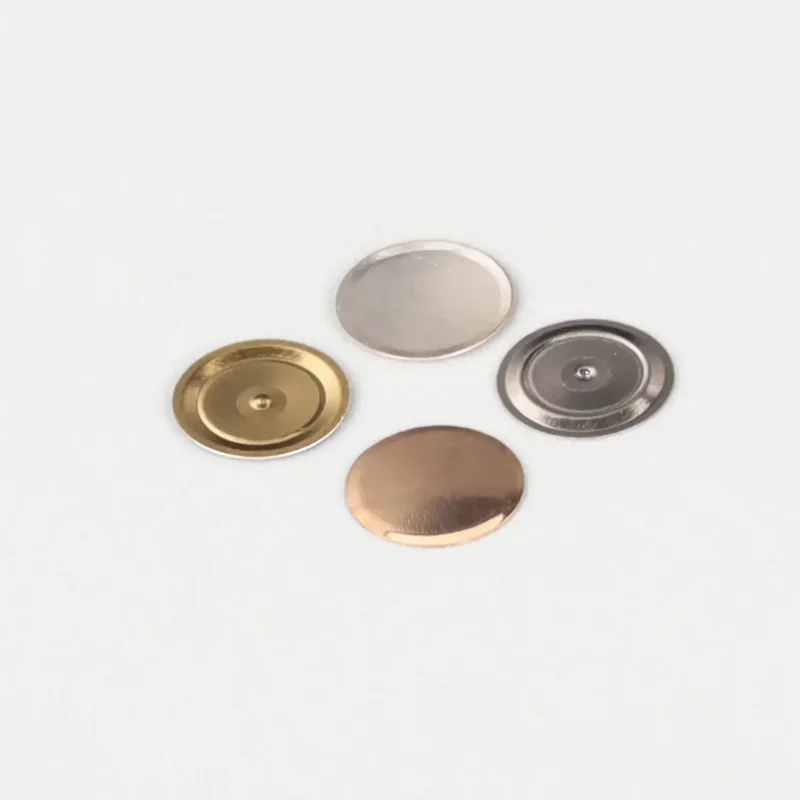
- Coating options (gold, nickel, silver)
- Corrosion resistance requirements
- Contact resistance specifications
- Temperature tolerance needs
For applications in harsh environments—outdoor electronics, automotive interiors, industrial controls—material specifications become critical. Reputable metal dome switch manufacturers can discuss these details knowledgeably and recommend appropriate options. Those who cannot explain their material choices in technical terms may lack the depth of expertise needed for demanding applications.
Customization Capabilities of Metal Dome Switch Manufacturers
Standard products work for many applications. But custom requirements arise frequently in components like the round metal dome switch. A particular actuation force, an unusual diameter or shape to fit a unique PCB layout, or a specific tactile response profile—these are common customization needs. The ability to accommodate such requests separates flexible manufacturers from those locked into rigid production patterns.
- Start by identifying specific customization needs for the project.
- Request information on minimum order quantities for custom work.
- Ask about tooling costs and lead times for new designs.
- Evaluate the manufacturer’s engineering support capabilities.
- Request samples before committing to production orders.
Some manufacturers excel at high-volume standard products but struggle with custom work. Others specialize in low-volume, highly customized solutions but cannot scale efficiently. Matching manufacturer strengths to project requirements saves frustration later.
Engineering support deserves particular attention. Can the manufacturer help refine specifications? Do they offer design guidance based on experience? Active collaboration during development often produces better outcomes than simply taking orders and producing exactly what was specified—especially when the specification itself contains issues.
Communication and Responsiveness From Metal Dome Switch Manufacturers
Technical capability matters little if communication fails. Responsive manufacturers address questions promptly, provide clear documentation, and keep customers informed about order status and potential issues.
Warning signs to watch for:
- Slow or inconsistent response times during initial inquiries
- Vague or evasive answers to technical questions
- Reluctance to provide samples or test data
- Unclear pricing structures or hidden fees
- Poor English proficiency creating misunderstandings (for international suppliers)
Initial interactions often predict ongoing relationship quality. Manufacturers who are attentive during the sales process typically maintain that attentiveness afterward. Those who seem disorganized or unresponsive before receiving orders rarely improve once money changes hands.
Language and cultural factors matter for international sourcing. Many excellent metal dome switch manufacturers operate in Asia, particularly China and Taiwan. Working across language barriers and time zones requires extra effort from both parties. Some manufacturers maintain dedicated English-speaking sales and engineering staff. Others rely on translation that introduces confusion. Evaluating communication quality early prevents costly misunderstandings later.
Lead Times and Reliability
Delivery performance affects production schedules and inventory planning. Understanding typical lead times—and how consistently manufacturers meet them—is essential.
Questions to ask:
- What is the standard lead time for common products?
- How do lead times change for custom orders?
- What is the historical on-time delivery rate?
- How are delays communicated?
- What contingency options exist for urgent needs?
Metal dome switch manufacturers with strong supply chain management and adequate capacity deliver reliably. Those operating at the edge of their capabilities may struggle when demand fluctuates or unexpected issues arise.
FAQ
How do you verify quality claims from metal dome switch manufacturers?
Request documentation including test reports, certification copies, and statistical process control data. Ask for references from existing customers in similar industries. Order samples and conduct independent testing if possible. Quality claims are easy to make—supporting them with evidence separates credible manufacturers from those making empty promises.
Should pricing be the primary factor when selecting a metal dome switch manufacturer?
Price matters, but focusing on it exclusively often backfires. Extremely low prices frequently indicate compromised quality, unreliable delivery, or hidden costs that appear later. Evaluating total cost—including potential quality issues, supply disruptions, and support needs—provides a more accurate picture than unit price alone.
How important is geographic location when choosing a supplier?
Location affects lead times, shipping costs, communication ease, and supply chain risk. Local or regional suppliers offer advantages for quick turnaround and simpler logistics. Overseas metal dome switch manufacturers often provide cost benefits but introduce complexity. Many companies maintain relationships with both domestic and international metal dome switch manufacturers to balance cost and risk.