
What Makes Metal Dome Material Selection So Important?
When it comes to tactile switches and user interface components, the material of a snap dome plays a bigger role than most people realize. These tiny, curved components are responsible for that satisfying click you feel when pressing buttons on everything from TV remotes to industrial control panels. But here’s the thing—not all metal domes perform equally, and a lot of that comes down to what they’re made from.
The choice between stainless steel, nickel, and gold-plated options isn’t just about cost. It’s about conductivity, durability, environmental resistance, and how well the dome holds up over millions of actuations. Some applications demand corrosion resistance above all else, while others prioritize electrical performance or longevity in harsh conditions.
Understanding these differences helps engineers and product designers make smarter decisions. And honestly, getting it wrong can lead to premature failures, inconsistent tactile feedback, or reliability issues down the line.
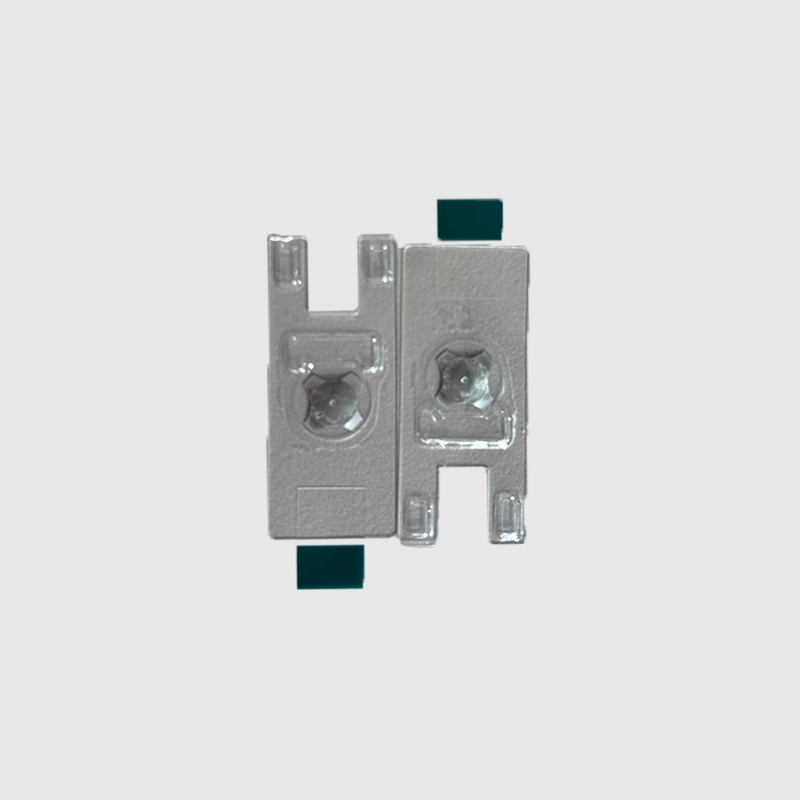
Stainless Steel Metal Dome Characteristics
Stainless steel remains the most common material for metal dome manufacturing—and there are good reasons for that. It offers a solid balance of mechanical properties without breaking the budget.
Composition and Grades
Most manufacturers use 301 or 304 grade stainless steel for dome production. The 301 grade tends to be preferred because of its excellent spring properties and work-hardening characteristics. These domes typically range from 0.05mm to 0.1mm in thickness, depending on the force requirements.
Performance Considerations
Stainless steel domes deliver:
- Good corrosion resistance in normal operating conditions
- Consistent tactile response over extended lifecycles
- Moderate electrical conductivity (not the best, but adequate for most applications)
- Cost-effectiveness for high-volume production
One limitation worth noting is that stainless steel can exhibit contact resistance issues in certain environments. Humidity, temperature fluctuations, and contamination may affect performance over time—something to keep in mind for sensitive applications.
Nickel Metal Dome Properties and Applications
Nickel-plated metal domes take things a step further in terms of surface characteristics. The nickel layer (usually applied over stainless steel) provides enhanced protection and slightly different electrical behavior.
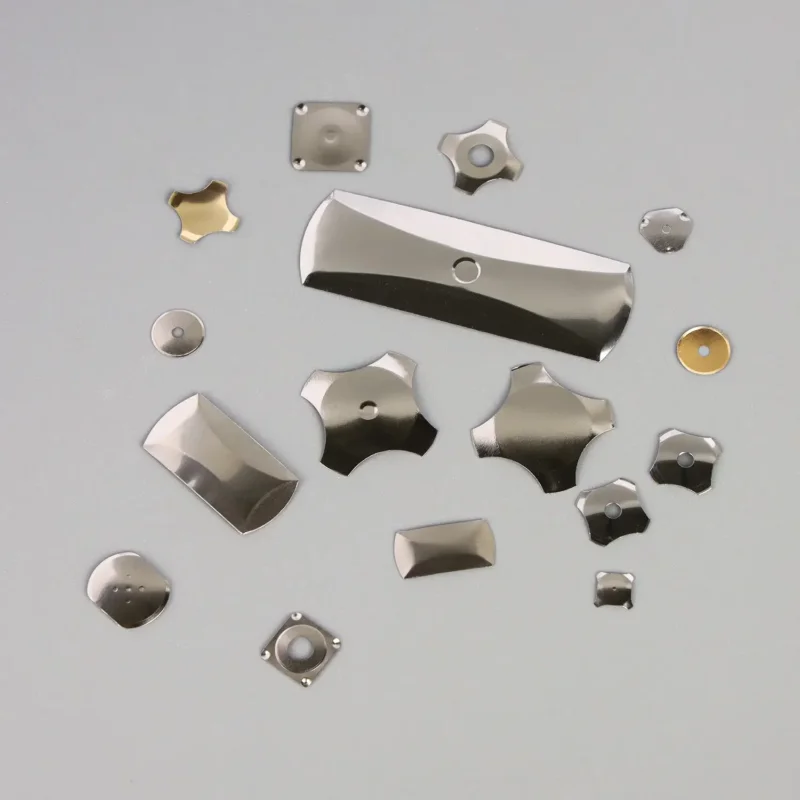
Why Choose Nickel Plating?
The nickel coating adds an extra barrier against oxidation and environmental contaminants. This makes nickel-plated domes suitable for applications where exposure to moisture or chemicals might be a concern. Consumer electronics, automotive controls, and medical devices sometimes specify nickel plating for this reason.
Potential Drawbacks
That said, nickel isn’t perfect. Some users report skin sensitivity to nickel—though this matters more for direct-contact applications rather than internal switch components like those found in an oval tactile dome switch. There’s also the added manufacturing step, which increases cost marginally compared to bare stainless steel options used in standard Oval Tactile Metal Dome Switch designs.
Gold-Plated Metal Dome Benefits for Premium Applications
Gold plating represents the premium tier of metal dome surface treatments. It’s not chosen for aesthetics (you won’t see it anyway), but for superior electrical and environmental performance.
Electrical Conductivity Advantages
Gold doesn’t oxidize under normal conditions. This means gold-plated metal dome contacts maintain low and stable contact resistance throughout their service life. For applications requiring precise signal integrity or operating in demanding environments, this matters quite a bit.
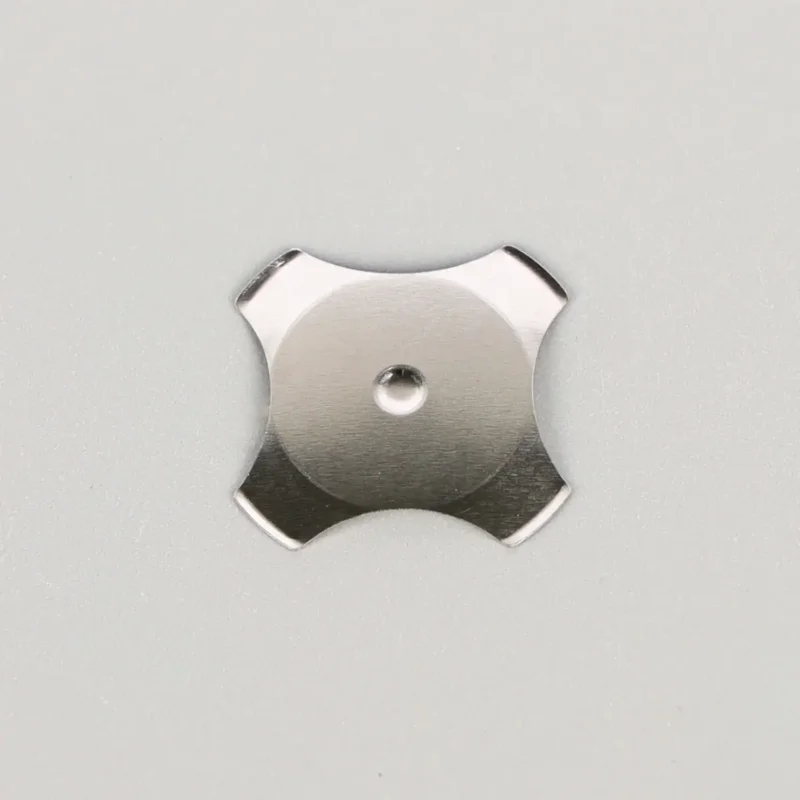
Where Gold Plating Makes Sense
Industries that commonly specify gold-plated domes include:
- Aerospace and defense systems
- Medical equipment requiring high reliability
- Telecommunications infrastructure
- High-end audio equipment
- Industrial controls in harsh environments
The tradeoff? Cost. Gold plating adds meaningful expense to each component, so it’s typically reserved for applications where performance justifies the investment.
Metal Dome Material Comparison at a Glance
| Property | Stainless Steel | Nickel-Plated | Gold-Plated |
|---|---|---|---|
| Corrosion Resistance | Good | Very Good | Excellent |
| Electrical Conductivity | Moderate | Moderate-Good | Excellent |
| Contact Resistance Stability | Moderate | Good | Excellent |
| Relative Cost | Low | Medium | High |
| Typical Lifespan (cycles) | 1-5 million | 1-5 million | 5+ million |
| Environmental Tolerance | Standard | Enhanced | Superior |
Factors That Should Guide Your Metal Dome Material Decision
Choosing the right material isn’t always straightforward. Several factors come into play, and sometimes the answer depends on application-specific trade-offs.
Operating Environment
Will the product encounter humidity, temperature extremes, or chemical exposure? Harsh environments push toward nickel or gold plating. Standard indoor consumer products can usually get by with stainless steel.
Budget Constraints
Volume matters here. For cost-sensitive, high-volume production runs, stainless steel often wins. Lower-volume, high-reliability applications can absorb the cost of premium platings more easily.
Performance Requirements
Applications demanding tight contact resistance specifications or extended lifecycles typically benefit from gold plating. Less demanding applications may not need—or benefit from—the added expense. If you want to know more about how to choose suitable metal dome,please read How to Choose the Right Metal Dome?
Frequently Asked Questions
Can metal dome material affect tactile feel?
The base material (typically stainless steel) primarily determines tactile characteristics like click ratio and force curve. Surface plating has minimal impact on feel but significantly affects electrical performance and longevity.
How long do gold-plated metal domes last compared to standard versions?
Gold-plated domes often exceed 5 million actuations with stable contact resistance, while standard stainless steel versions typically rate between 1 and 5 million cycles depending on application conditions.
Is nickel plating necessary for consumer electronics?
Not always. Many consumer electronics perform fine with bare stainless steel domes. Nickel plating becomes worthwhile when products face higher humidity exposure or when slightly improved conductivity benefits the design.