
When you pick up a device—whether it’s a high-end remote, a medical instrument, or even a simple toy—and press a button, there is that distinct “click.” It’s satisfying, isn’t it? That tactile feedback is the heartbeat of user interface design. But behind that tiny click lies a massive decision that procurement teams and engineers often overlook until it is too late: finding the right metal dome manufacturer.
It feels like everyone claims to be the best these days. You search online, and hundreds of suppliers pop up, all promising the highest quality and the lowest prices. But realistically, we know you can rarely have both. Choosing a partner for these components isn’t just about who has the cheapest stamped metal; it’s about who understands the delicate balance of force, snap ratio, and longevity. The market is flooded, and honestly, navigating it can be a bit of a headache.
This guide looks at what actually matters when vetting a metal dome manufacturer, moving past the shiny brochures to look at the gritty details of production and partnership.

Why the Choice of a Metal Dome Manufacturer Matters More Than You Think
It is easy to dismiss the metal dome (or snap dome) as a commodity. It’s just a small piece of stainless steel, right? Well, yes and no. While the part itself is simple, the physics behind it are surprisingly unforgiving. If a metal dome manufacturer uses inconsistent raw materials, you end up with a batch of switches where half of them feel crisp and the other half feel “mushy.”
There is nothing worse for a brand’s reputation than a button that doesn’t work, or worse, one that works but feels cheap.
When you are in the thick of product development, you might be tempted to just go with the first supplier that answers your email. But experience suggests that a bad metal dome manufacturer can cause delays that ripple through the entire supply chain. If the plating flakes off after a few months, or if the tape-and-reel packaging jams your SMT machines, the cost savings you thought you were getting evaporate instantly. It’s about risk mitigation as much as it is about procurement.
Key Capabilities to Look for in a Top Metal Dome Manufacturer
You have to look under the hood. A flashy website is nice, but does the supplier actually have the technical chops to deliver? It seems that many suppliers are just trading companies masquerading as factories. Distinguishing the real deal requires asking the right questions about their capabilities.
Material Selection and Steel Grades
The foundation of any good snap dome is the steel. Typically, you are looking at SUS 301 or SUS 304 stainless steel. A competent metal dome manufacturer should be able to explain exactly why they are using a specific grade for your application. If they just say “we use standard steel,” that’s a bit vague, isn’t it?
You want a partner who understands the difference in hardness and tensile strength. For high-cycle applications (we are talking over a million actuations), the specific heat treatment of the steel is crucial. If the metal dome manufacturer skimps on the raw material quality to save a fraction of a penny, the dome will lose its “memory” and stop snapping back.
Plating Options and Contact Resistance
This is where things get technical, and where a lot of projects go off the rails. The contact resistance—how well the electricity flows when the dome hits the pad—is determined largely by plating.
A reliable metal dome manufacturer generally offers a few standard options:
- Nickel plating
- Silver plating
- Gold plating
- Bare (no plating)
Gold is obviously the best for conductivity and corrosion resistance, but it’s expensive. Silver is a good middle ground but can migrate (tarnish/oxidize) if not handled right. A smart metal dome manufacturer will ask you about the operating environment. Are you building a device for a humidity-controlled server room, or a marine GPS that sits in salt spray? If they don’t ask, they probably don’t care, which is a red flag.
Customization vs. Standard Parts
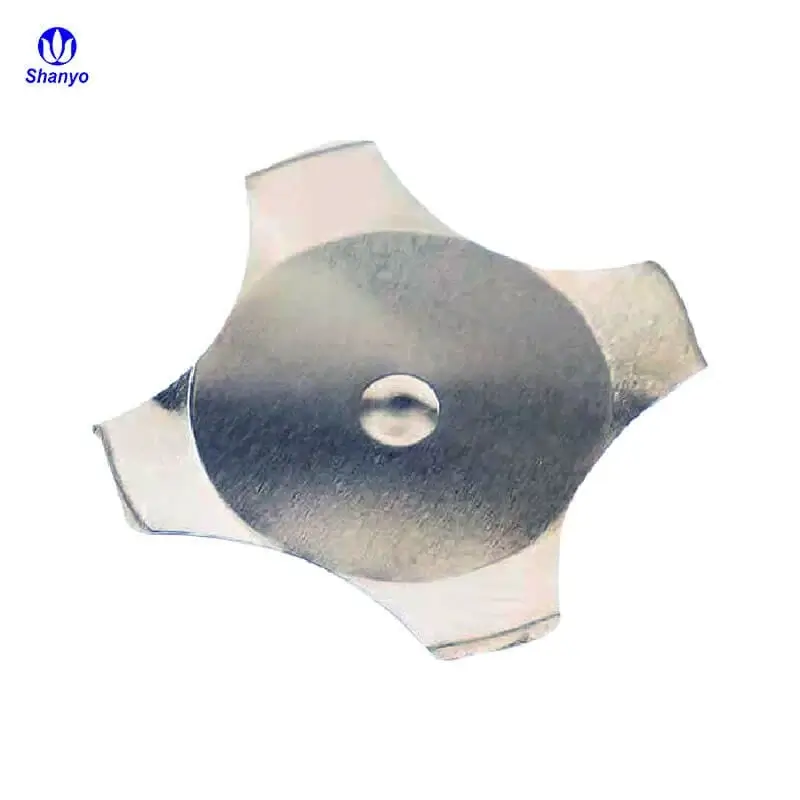
Sometimes you get lucky and a standard four-leg metal dome fits your PCB perfectly. But often, design constraints force you into a corner. You might need a custom shape—maybe an oblong dome or a triangle dome with specific feet positions.
The willingness of a metal dome manufacturer to open new tooling for you says a lot about their long-term viability. Custom tooling costs money, sure, but a manufacturer that tries to force-fit a standard part into a design where it doesn’t belong is just looking for a quick sale. They should be willing to iterate. It’s rare to get the perfect “click” feeling on the first try with a custom part; it usually takes some back-and-forth tuning of the profile height and dimple size.
Evaluating the Quality Control of a Metal Dome Manufacturer
Quality control is one of those phrases that gets thrown around so much it loses meaning. “We have ISO 9001.” Great, so does everyone else. What you really need to see is how they handle the nitty-gritty of daily production.
One of the biggest issues with metal domes is “double doming”—where two domes stick together during the placement process. It sounds minor, but it ruins the tactile feel and changes the electrical properties. A sophisticated metal dome manufacturer has automated vision inspection systems to catch this. If they rely solely on manual inspection by humans staring at a conveyor belt all day, errors are bound to slip through. It is just human nature to get tired.
You should also look at their life-cycle testing data. Do not just accept a datasheet that says “1 million cycles.” Ask to see the test report. A transparent metal dome manufacturer will show you the graph of force vs. displacement over time. You want to see how much the “click ratio” drops after 500,000 presses.
| Feature | Nickel Plating | Silver Plating | Gold Plating | Bare (Stainless Steel) |
|---|---|---|---|---|
| Cost | Low | Medium | High | Lowest |
| Conductivity | Good | Excellent | Excellent | Fair |
| Corrosion Resistance | High | Low (Prone to oxidation) | Very High | High |
| Common Use Case | General Consumer Electronics | Keypads requiring low resistance | Medical/High-Rel Devices | Low-cost Toys/Simple Switch |
| Durability | High | Medium | High | High |
Communication and Lead Times with Your Metal Dome Manufacturer
Let’s be honest, the best engineering in the world doesn’t matter if the parts arrive three weeks late. Supply chain reliability is the unsexy hero of manufacturing.
When dealing with a metal dome manufacturer, especially if they are located overseas (which many are, particularly in Asia), communication barriers can be a real struggle. It’s not just about language; it’s about cultural expectations regarding “yes” and “no.” Sometimes, a supplier will say “yes” to a deadline they know they can’t meet, just to be polite or secure the order.
You need a partner who is blunt. If a metal dome manufacturer tells you, “No, we can’t do that plating thickness in two weeks, we need four,” that is actually a good sign. It shows honesty.
The Logistics of Sampling
Before you commit to a production run of 50,000 units, you obviously need samples. Watch how the metal dome manufacturer handles this request. Do they charge an exorbitant fee for a handful of standard parts? Do they ship them in a random plastic bag, or are they properly labeled?
The way they treat a sample request is usually a microcosm of how they will treat your bulk order. If the samples arrive bent because they didn’t use proper packaging, you can bet the production reel will have issues too.
Cost vs. Value: Negotiating with a Metal Dome Manufacturer
Price negotiation is a delicate dance. You have a budget to hit. But squeezing a metal dome manufacturer for every last penny often leads to “value engineering” that you didn’t ask for—like thinner carrier tape or cheaper raw material.
It is usually better to negotiate on volume breaks or shipping terms rather than the unit price of the dome itself. The component is already fractions of a cent in many cases (depending on volume). Trying to cut the price by another 5% might force the metal dome manufacturer to cut corners on quality control, which costs you way more in the long run.
Also, consider the “Total Cost of Ownership.” If a cheaper dome has a higher failure rate, your warranty returns will skyrocket. It is strange how often procurement teams separate the BOM cost from the warranty budget, even though they are inextricably linked.
Red Flags When Vetting a Metal Dome Manufacturer
Over the years, you start to notice patterns. There are certain behaviors that should make you pause and reconsider.
- The “Yes Man” Syndrome: If they agree to every specification, no matter how contradictory (like “highest force, lowest profile, lowest cost”), they are likely lying or incompetent. Physics has limits.
- Lack of Traceability: If you ask for a lot number or raw material certificate for a specific batch and they can’t provide it, run. A reputable metal dome manufacturer tracks everything.
- Vague Testing Standards: If they test according to “internal standards” but refuse to explain what those are or how they correlate to ASTM or JIS standards, be wary.
- Poor Website/Documentation: While a bad website doesn’t always mean bad parts, a lack of technical datasheets is a major concern. You need specs to design your PCB pads.
Technical Considerations for the Assembly Process
Once you have chosen a metal dome manufacturer, the relationship shifts to integration. How are these domes going to be applied?
Most high-volume manufacturing uses domes on a reel (tape and reel) for automated placement, or they buy “dome arrays” (peel-and-stick sheets). The manufacturer needs to be an expert in the adhesive aspect as well. If the dome array peels off the liner too easily—or not easily enough—it slows down your assembly line.
- Adhesive Quality: Ask the metal dome manufacturer what brand of adhesive they use. Is it generic or a known brand like 3M?
- Alignment Tolerances: When buying arrays, the position of the dome relative to the alignment holes is critical. If the metal dome manufacturer has loose tolerances here, your buttons won’t line up with the PCB pads, and the switch won’t work.
- Ventilation: This is a pro tip. Domes need to “breathe.” When you press them, the air underneath needs to go somewhere. A knowledgeable metal dome manufacturer will remind you to include air vents in your PCB design or the spacer layer. If they don’t mention it, they might assume you know, which can lead to sealed buttons that feel hard to press.
Conclusion
Finding the right partner is less about finding the factory with the biggest capacity and more about finding the one that cares about the “click.” It is a subjective feeling backed by objective data. A metal dome manufacturer should act as an extension of your engineering team, warning you about potential pitfalls and helping you select the right materials for the job.
It takes time to vet them properly. You have to send emails, check samples, maybe even visit the facility if the project size warrants it. But considering that the tactile switch is the primary way users interact with your product, it is time well spent. Don’t settle for mushy buttons.
If you want to know more about metal dome manufacturers, please read about Metal Dome Manufacturer: A Comprehensive Buyer’s Guide.
FAQ
What is the typical lead time for a custom order from a metal dome manufacturer?
It varies, but typically, if you need new tooling for a custom shape or size, you are looking at about 10 to 15 days for the tooling creation and sample approval. Once the mass production starts, a standard metal dome manufacturer can usually turn around orders in 7 to 10 days, depending on the volume and their current production load. Always add a buffer for shipping.
Can a metal dome manufacturer help with PCB pad design?
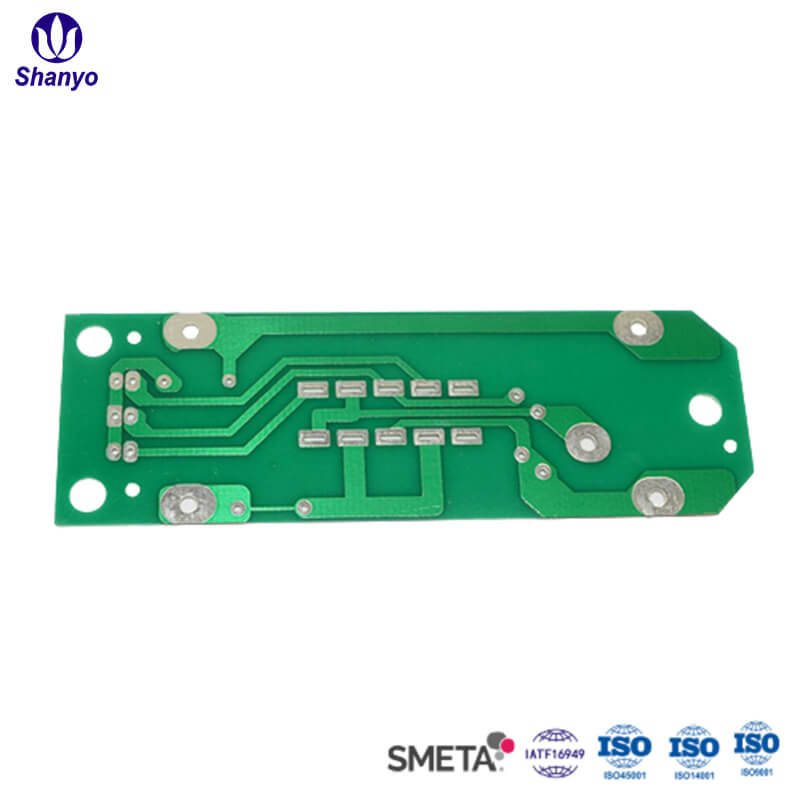
Yes, a good one should. The size and shape of the gold pad on your circuit board must match the dome size to ensure good electrical contact. Most manufacturers can provide a “recommended footprint” or design guide. If the pad is too small, the dome might invert; if it’s too big, you waste gold.
Why do metal domes from different manufacturers feel different even if the specs are the same?
This is a common frustration. Even if two domes are both rated for 200g force, differences in the steel grade, the “dimple” shape, and the manufacturing tolerances can change the “snap ratio” (the tactile click percentage). This is why getting physical samples from your potential metal dome manufacturer is non-negotiable before signing a contract.