
Why Metal Dome Maintenance Actually Matters
Metal domes might seem like set-and-forget components, but that assumption leads to problems more often than expected. These small tactile elements work reliably for millions of cycles—when treated properly. Neglect them, and performance degrades faster than the datasheet suggests.
Proper maintenance extends service life considerably, often doubling or tripling functional lifespan compared to neglected installations. The effort required isn’t substantial—mostly common-sense practices that prevent problems rather than complex repair procedures.
Understanding What Causes Metal Dome Degradation
Several factors contribute to dome performance decline over time:
- Contamination accumulation – Dust, oils, and particulates interfere with electrical contact
- Oxidation at contact points – Even stainless steel develops surface oxidation under certain conditions
- Mechanical fatigue – Repeated cycling eventually affects spring characteristics
- Adhesive breakdown – The materials holding dome arrays in position can degrade
- Environmental stress – Temperature cycling, humidity, and chemical exposure take cumulative tolls
Some degradation is inevitable—nothing lasts forever. But accelerated wear from preventable causes represents wasted product life that maintenance can preserve.
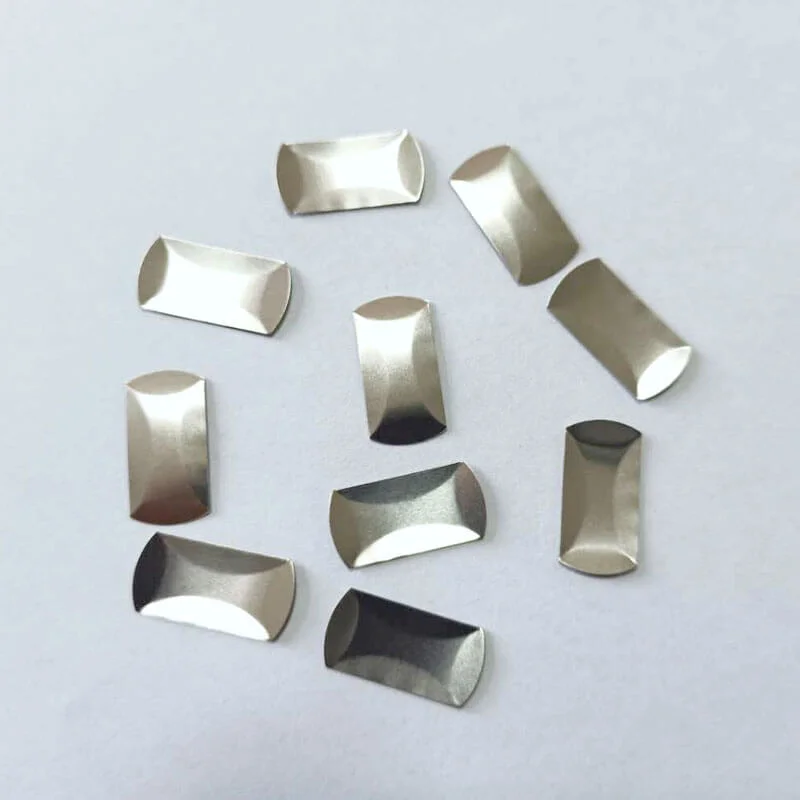
Proper Handling Practices for Metal Dome Components
During Initial Installation
Installation environments should be clean and controlled whenever possible. Airborne dust particles become trapped under metal domes and cause contact problems. Temperature and humidity extremes during assembly can affect adhesive bonding—round metal dome components are particularly sensitive to these conditions due to their precise geometric tolerances.
Some practical guidelines worth following:
- Wear lint-free gloves when handling dome arrays directly
- Avoid touching the dome surface itself—hold edges only
- Store components in original packaging until ready for use
- Ensure work surfaces are clean and static-dissipative
- Follow manufacturer recommendations for pressing force during placement
Rushing installation to meet production deadlines often backfires through increased failure rates later.
During Field Service and Repair
Service technicians working on equipment with metal dome switches need awareness of proper procedures, though this training sometimes gets overlooked. Poking at switches with inappropriate tools, using excessive force, or exposing internals to contamination during repair causes avoidable damage.
When accessing dome switches for service:
- Power down equipment completely before opening enclosures
- Document original dome positioning before removal
- Use appropriate tools—plastic spudgers rather than metal implements
- Minimize exposure time with covers removed
- Replace rather than attempt to repair damaged domes
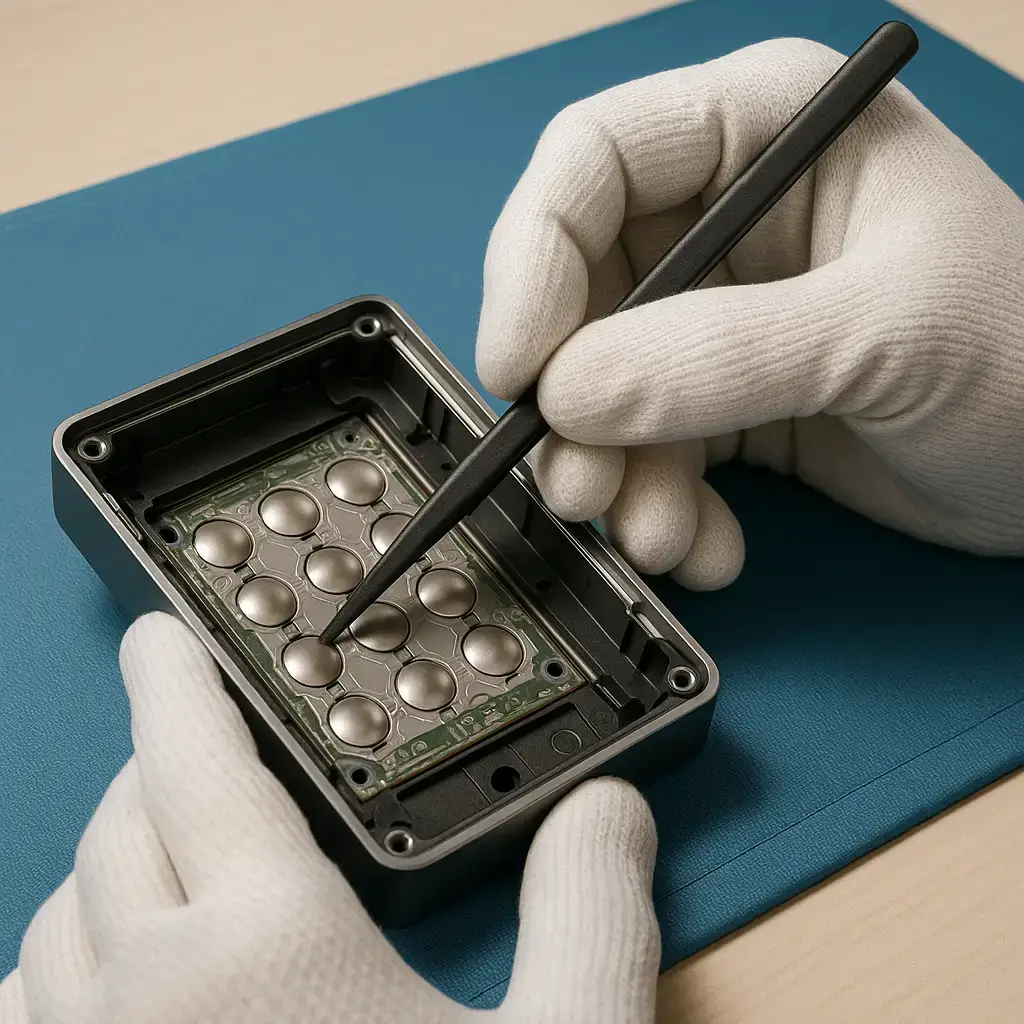
Cleaning Methods That Protect Metal Dome Switches
Cleaning represents the most impactful maintenance activity for most installations. Contamination buildup is probably the leading cause of dome-related problems in field applications, and regular cleaning prevents most issues.
Recommended Cleaning Approaches
| Contamination Level | Recommended Method | Frequency |
|---|---|---|
| Light dust/debris | Compressed air (low pressure) | Monthly or as needed |
| Finger oils/light residue | Isopropyl alcohol (70%) with lint-free wipe | Quarterly |
| Heavy contamination | Specialized electronics cleaner | As needed, with caution |
| Corrosion/oxidation | Professional assessment recommended | N/A |
A few important notes on cleaning: never spray liquids directly onto dome surfaces. Apply cleaning solutions to wipes first, then gently clean the area. Excessive moisture can wick under domes and cause more problems than it solves.
Cleaning Agents to Avoid
Certain common cleaning products damage metal dome assemblies or surrounding materials:
- Acetone and strong solvents (can dissolve adhesives)
- Bleach-based cleaners (promotes corrosion)
- Abrasive cleaners or scrubbing pads
- Water without proper drying procedures
- Unknown “all-purpose” cleaners with unspecified ingredients
Environmental Controls That Extend Metal Dome Lifespan
Operating environment plays an enormous role in longevity, though it’s often outside maintenance personnel’s direct control. Still, understanding environmental factors helps identify when additional protective measures might be warranted.
Ideal operating conditions for most metal dome switches fall within these ranges:
- Temperature: -20°C to +60°C (wider ranges possible with appropriate specifications)
- Relative humidity: 35% to 65%
- Minimal exposure to corrosive chemicals or vapors
- Protection from direct liquid contact
Creating a Metal Dome Maintenance Schedule
Reactive maintenance—fixing things after they break—costs more than preventive approaches in almost every scenario. Establishing routine maintenance schedules prevents most dome-related failures.
Suggested maintenance intervals vary by application intensity:
| Application Type | Inspection Frequency | Full Cleaning | Replacement Assessment |
|---|---|---|---|
| Light use (consumer) | Annually | As needed | Every 3-5 years |
| Moderate use (commercial) | Semi-annually | Semi-annually | Every 2-3 years |
| Heavy use (industrial) | Quarterly | Quarterly | Annually |
| Critical applications (medical) | Monthly | Monthly | Per regulatory requirements |
These represent starting points—actual schedules should adapt based on observed conditions and failure history.
FAQ About Metal Dome Maintenance
Can damaged metal domes be repaired or must they be replaced?
Generally speaking, damaged domes should be replaced rather than repaired. Attempting to reshape a deformed dome or clean severe corrosion rarely restores original performance characteristics. The cost of replacement domes is typically low enough that repair efforts aren’t economically justified. For dome arrays, individual damaged domes often mean replacing the entire array to ensure consistent performance across all switches.
How long should a properly maintained metal dome last?
With appropriate maintenance and normal operating conditions, quality metal domes typically achieve 1 million to 5 million actuations—sometimes more depending on specifications. Proper maintenance can extend functional life toward the upper end of rated capacity, while neglect often causes failure well before reaching rated cycle counts. Environmental factors and usage intensity ultimately determine actual lifespan.
Does temperature cycling affect metal dome performance over time?
Yes, repeated temperature cycling creates thermal stress that can affect dome performance gradually. The metal expands and contracts with temperature changes, and adhesives bonding dome arrays experience stress as well. Applications involving frequent or extreme temperature swings benefit from domes specifically rated for such conditions and may require more frequent inspection to catch degradation early.