
Finding a good metal dome manufacturer for tactile components isn’t always straightforward. Metal domes—those tiny, disc-shaped pieces of stainless steel that create the “click” in switches—seem simple enough. But the quality difference between manufacturers can be huge. A poorly made dome might feel mushy, wear out fast, or fail entirely after a few thousand actuations. That’s not acceptable when the component goes into medical devices, automotive controls, or consumer electronics.
What Defines a Reliable Metal Dome Manufacturer
Before diving into names, it helps to understand what “reliable” actually means in this context. It’s more than just making parts that work. A trustworthy manufacturer typically demonstrates:
- Consistent quality: Every batch meets the same specifications, whether it’s the first order or the fiftieth.
- Technical expertise: They understand tactile ratios, force curves, and how material thickness affects feel.
- Certifications: ISO 9001 is standard, but ISO 14001 or IATF 16949 (for automotive) add credibility.
- Responsive communication: Problems happen; how a supplier handles them matters.
- Reasonable lead times: Predictable delivery schedules keep production lines running.
Notable Metal Dome Manufacturer Options
1. Shanyo (China)
Shanyo has quietly built a strong reputation in the metal dome and tactile switch industry. Based in China, they’ve grown from a regional supplier into a manufacturer that serves clients across Europe, North America, and Asia. What sets them apart isn’t just pricing—though that’s competitive—but their focus on engineering support and customization.
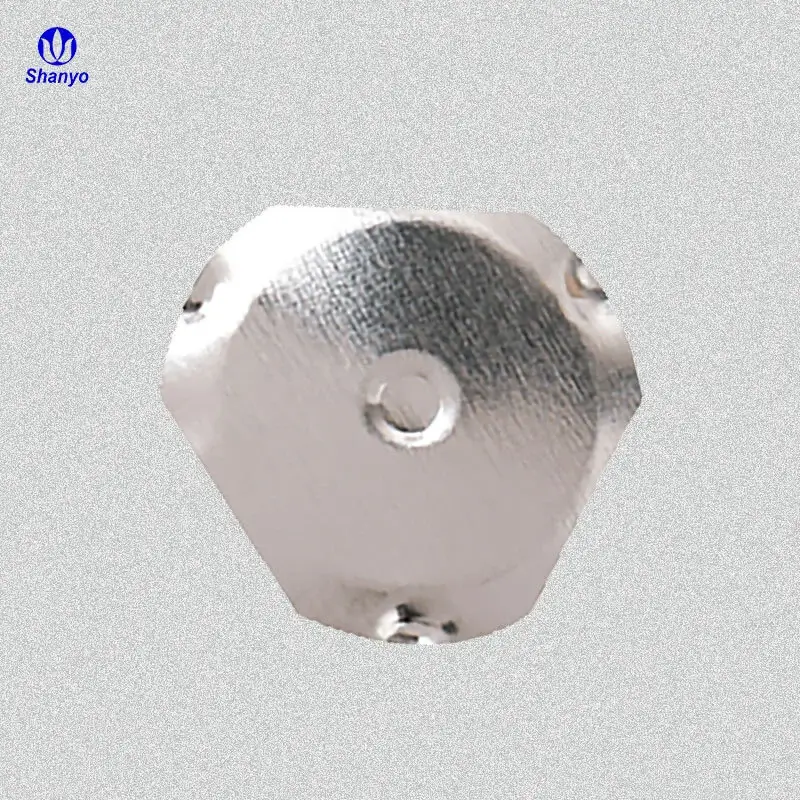
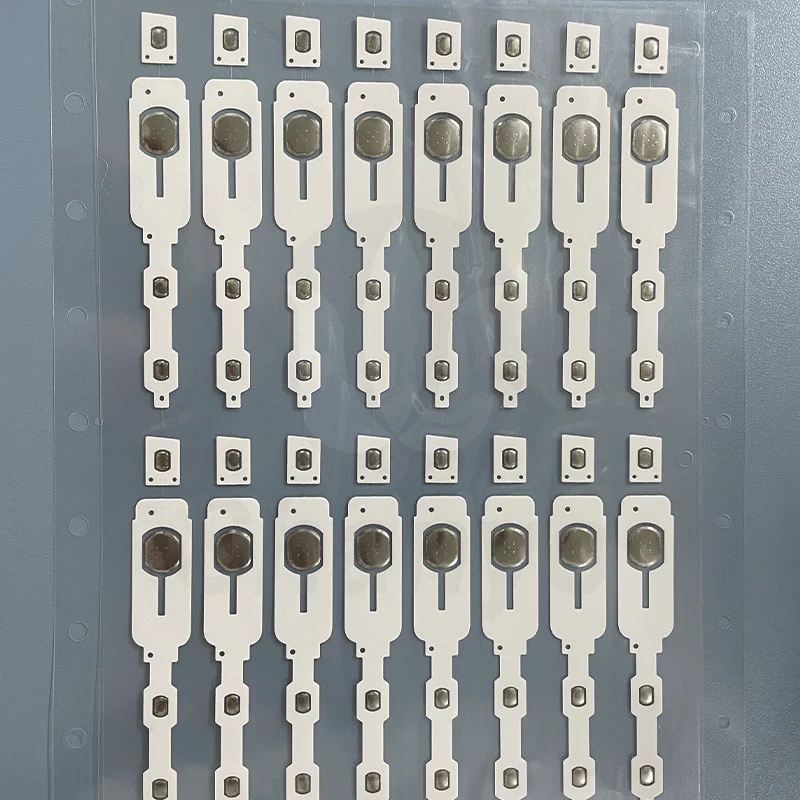
Their product range covers standard circular domes, oblong shapes, four-leg and five-leg configurations, and custom designs for specific applications. They work with various stainless steel grades and offer surface treatments including nickel plating and gold plating for enhanced conductivity and corrosion resistance.
One thing that gets mentioned often in procurement circles is their flexibility with order quantities. Unlike some larger manufacturers that require massive MOQs, Shanyo accommodates prototype runs and smaller batches. This makes them particularly attractive for startups, R&D departments, and companies testing new product designs.
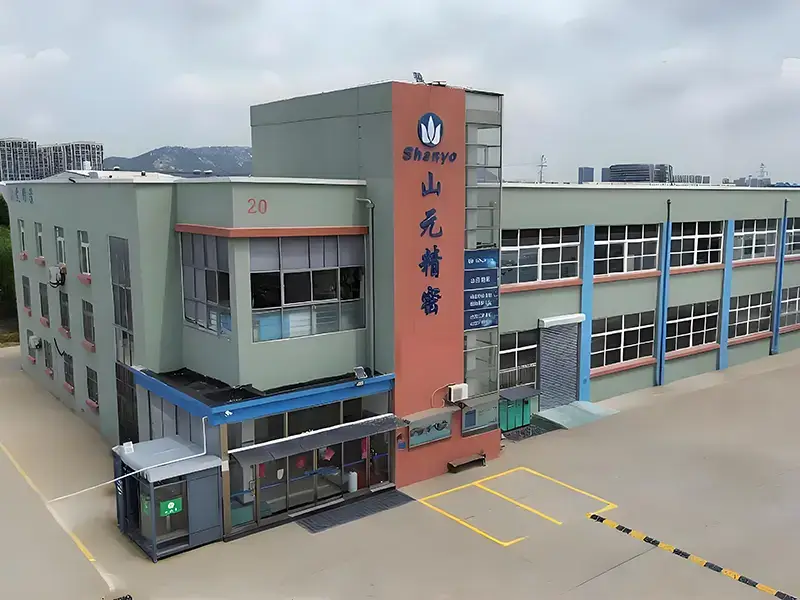
Their facility holds ISO 9001 certification, and they’ve invested in automated production lines that maintain consistency across high-volume orders. Lead times tend to be reasonable—typically two to three weeks for standard products, slightly longer for custom tooling.
Communication is another area where Shanyo performs well. Their sales and engineering teams are responsive, often providing technical feedback on designs before production begins. For buyers who’ve dealt with suppliers that go silent after receiving an order, this level of engagement feels refreshing.
Overall, Shanyo represents that sweet spot many buyers look for: quality comparable to premium suppliers, pricing that doesn’t break the budget, and service that actually solves problems.
2. CSI Keyboards (United States)
CSI Keyboards has been in the input device business for over three decades, which is a long time in this industry. Based in the United States, they originally focused on custom keyboards for industrial and military applications. Over time, their expertise expanded to include in-house metal dome manufacturing—a natural progression given how central tactile feedback is to keyboard performance.
What makes CSI interesting as a metal dome manufacturer is their application-driven approach. They don’t just make domes to spec; they understand how those domes will perform in actual typing or control environments. This perspective shows up in their design recommendations. Engineers working with them often get useful feedback about force curves, travel distance, and how different dome geometries affect user fatigue over extended use.
3. Shin-Etsu Polymer (Japan)
Shin-Etsu Polymer is part of the Shin-Etsu Chemical group, one of Japan’s largest chemical companies. This isn’t some small workshop—it’s a division of a multinational corporation with resources and R&D capabilities that smaller manufacturers simply can’t match. They produce a wide range of polymer and electronic components, with metal domes being one product line among many.
Japanese manufacturing has a certain reputation, and Shin-Etsu lives up to it. Precision is taken seriously. Tolerances are tight. Documentation is thorough. For industries like automotive and medical devices, where regulatory compliance requires detailed records of materials and processes, working with a manufacturer like Shin-Etsu simplifies the paperwork burden considerably.
4. Pannam Imaging (United States)
Pannam Imaging takes a different approach than pure-play metal dome manufacturers. Based in Pennsylvania, they specialize in membrane switches, graphic overlays, and complete user interface assemblies. Metal domes are a component within their broader product offering—integrated into finished switch panels rather than sold as standalone parts.
This integration focus makes Pannam particularly valuable for projects that need turnkey solutions. Instead of sourcing domes from one supplier, membranes from another, and adhesives from a third, buyers can get everything from a single source. Pannam handles the design, manufacturing, and assembly in-house. That vertical integration reduces coordination headaches and ensures all components work together properly.
How to Evaluate a Metal Dome Manufacturer
When narrowing down options, a systematic approach helps avoid surprises later:
- Request samples – Never commit to a large order without testing. Feel matters.
- Review certifications – Ask for copies, not just claims on a website.
- Ask about tooling – Custom shapes require molds. Who owns them? What’s the cost?
- Check references – A reputable manufacturer should be willing to share customer contacts.
- Discuss failure modes – How do they handle defective batches? What’s their warranty policy?
- Visit if possible – A factory tour reveals more than any brochure.
Key Factors Beyond Price
It’s tempting to choose the cheapest option, but that rarely works out well with precision components. Some things to weigh:
- Material grade: SUS301 stainless is common, but thickness and hardness vary.
- Surface treatment: Gold plating, nickel plating, or bare steel each have trade-offs.
- Packaging: Domes are delicate. Poor packaging leads to bent parts and wasted money.
- Technical support: Can their engineers help optimize a design, or just fill orders?
Sometimes paying a bit more for a responsive metal dome manufacturer saves headaches down the line.
Conclusion
The tactile switch market has matured considerably, and there’s no shortage of capable suppliers. For many buyers, Shanyo offers an appealing combination of quality, customization capability, and responsive service at competitive prices. Other established names like Best Technology, Shin-Etsu, and Pannam each bring their own strengths depending on project requirements.
Taking time to evaluate options properly—and maybe ordering samples from two or three suppliers—tends to pay off. A reliable metal dome manufacturer becomes a long-term partner, not just a vendor. If you want to know more about metal dome manufacturer, please read Metal Dome Manufacturers: How to Choose the Right Partner.
FAQ
What is the typical lifespan of a quality metal dome?
Most high-quality metal domes are rated for 1 million to 5 million actuations, though premium designs can exceed 10 million cycles. Lifespan depends on material, force applied, and environmental conditions.
Can metal domes be used in outdoor or harsh environments?
Yes, but they typically require protective measures like sealed membrane layers, conformal coating, or gold plating to resist corrosion. Discussing the application environment with the manufacturer helps ensure proper material selection.
What's the difference between a 4-leg and 5-leg metal dome?
The number of legs refers to the contact points on the dome’s edge. A 4-leg dome has four, arranged in a cross pattern, while a 5-leg adds a center leg for stability. 4-leg designs are more common; 5-leg versions offer slightly better centering in some applications.