Understanding What a Membrane Switch Panel Actually Is
They’re on medical devices, gym equipment, appliances, industrial machinery. Chances are good that several membrane switch panels were pressed today without any conscious thought about what they are or how they function. These interfaces blend so seamlessly into equipment designs that their presence barely registers.
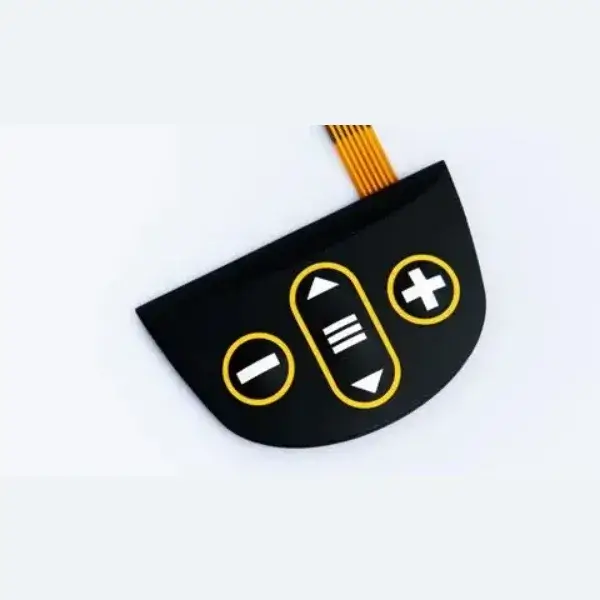
So what exactly is a membrane switch panel? At its core, it’s a user interface technology that combines switching functionality with graphic display in one thin, integrated assembly. Unlike traditional mechanical buttons mounted through holes in a panel, membrane switch panels provide a sealed surface where printed graphics and electrical switches exist within the same layered construction. Pretty clever approach, really.
The Layered Construction of a Membrane Switch Panel
Understanding the structure reveals how these assemblies achieve their unique combination of form and function. Multiple thin layers work together, each contributing something essential.
Breaking Down Each Layer
From the user-facing surface downward, a typical membrane switch panel includes:
- Graphic overlay – The printed surface displaying icons, text, and button locations
- Overlay adhesive – Bonds the graphic layer to circuit components below
- Upper circuit layer – Flexible film carrying conductive traces
- Spacer layer – Maintains separation between circuits with openings at switch positions
- Lower circuit layer – Second conductive film completing electrical paths
- Rear adhesive – Attaches the entire assembly to equipment housings
Some designs add additional layers for specific purposes—LED windows, shielding materials, stiffener plates. The basic architecture remains consistent though.
Material Choices That Matter
| 구성 요소 | Common Materials | Selection Factors |
| 그래픽 오버레이 | 폴리에스테르, 폴리카보네이트 | Durability, chemical resistance, texture |
| 회로 레이어 | Polyester film, polyimide | Flexibility, temperature tolerance |
| 스페이서 | Polyester, pressure-sensitive adhesive | Thickness, compression characteristics |
| Conductive elements | Silver ink, carbon ink, copper flex | Conductivity, cost, environmental needs |
Polyester overlays handle most general applications well. Polycarbonate offers better impact resistance and texture options. Polyimide circuits tolerate higher temperatures for demanding environments.
How a Membrane Switch Panel Functions
The operating principle is straightforward. Pressure on the overlay surface flexes the upper circuit layer through spacer openings until it contacts the lower circuit layer. This closes an electrical circuit, sending a signal to the connected device.
The Press Sequence
What happens during a button press:
- Finger applies pressure to specific overlay location
- Force transfers through layers to upper circuit
- Flexible circuit bends into spacer opening
- Contact occurs with lower circuit traces
- Electrical path completes
- Device registers input signal
- Pressure release allows layers to separate
- Circuit opens, ready for next activation
The whole sequence takes milliseconds. Users experience it as instant response.
촉각 피드백 옵션
Basic flat membrane switch panels provide minimal physical feedback. The press registers but there’s little sensation confirming it happened. Many applications add tactile elements:
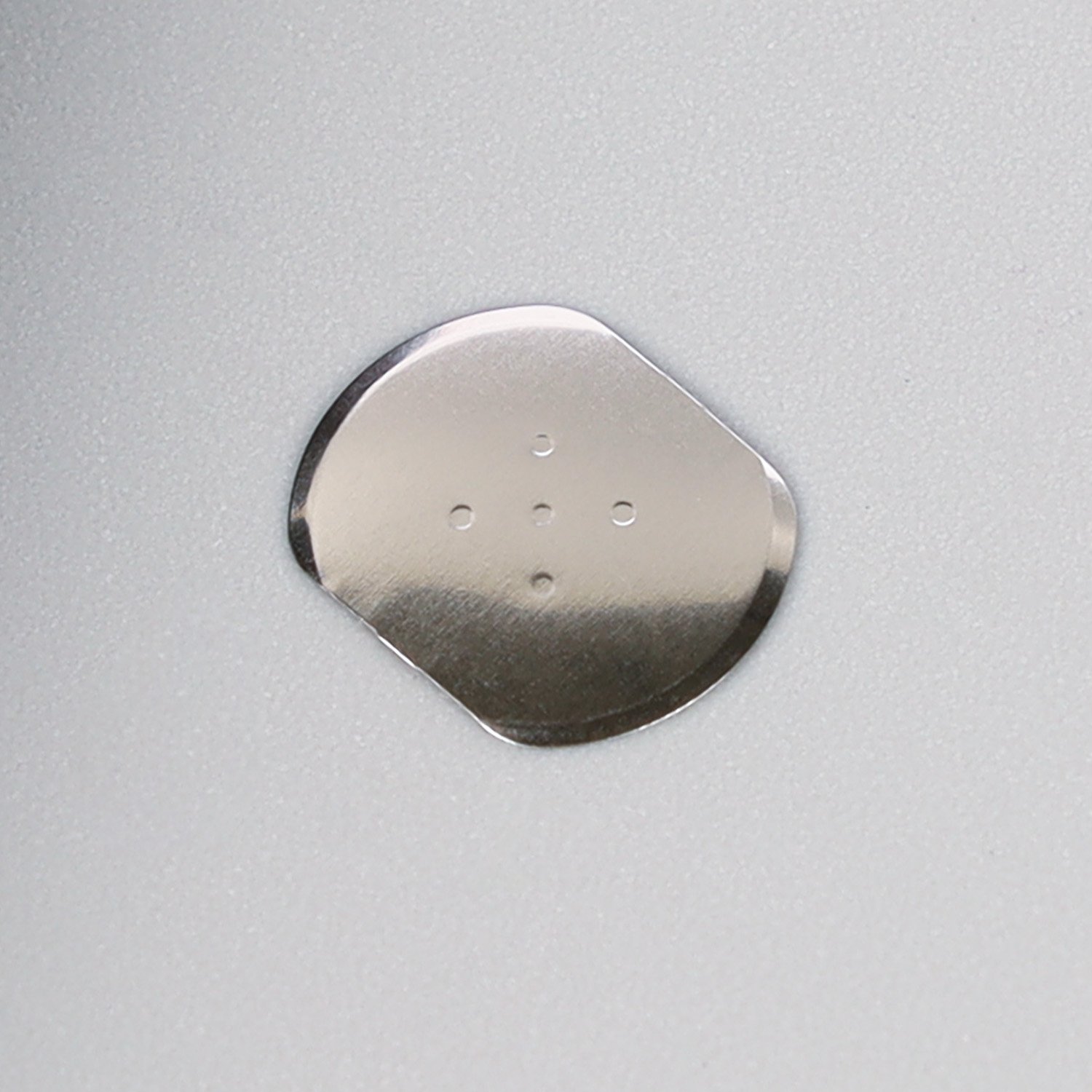
- Metal snap domes beneath key positions create distinct click feedback
- Poly domes offer softer tactile response
- Embossed overlays provide raised button definition
- Combination approaches for varying feedback across different buttons
Feedback choice depends on application requirements and user preferences.
Why Industries Choose Membrane Switch Panel Technology
The widespread adoption of membrane switch panels across so many sectors didn’t happen by accident. Several practical advantages drive this preference.
Key Benefits Over Alternatives
What makes these assemblies attractive to designers and manufacturers:
- Sealed construction resists dust, moisture, and contamination
- Thin profile fits space-constrained equipment designs
- Custom graphics integrate directly into the interface
- Manufacturing scales cost-effectively at volume
- Design flexibility accommodates various shapes and configurations
- Relatively simple installation using adhesive mounting
Comparative Advantages
| 기능 | Membrane Switch Panel | Mechanical Buttons | Touchscreen |
| Sealing capability | 우수 | Requires gaskets | Good |
| Profile thickness | Very thin | Thicker | 보통 |
| Custom graphics | Integrated | Separate labels | Software-based |
| Cost at volume | Lower | 더 높음 | 더 높음 |
| Tactile feedback | Optional | Inherent | 없음 |
| 내구성 | Good | 우수 | 보통 |
Common Applications for Membrane Switch Panel Interfaces
Medical and Healthcare Equipment
Membrane switch panels in medical are very useful —patient monitors, diagnostic devices, therapy equipment, laboratory instruments. The sealed surface particularly matters here. Cleaning and disinfection happen frequently. Contamination resistance is essential.

Industrial and Manufacturing Settings
Factory floors present harsh conditions. Dust, vibration, temperature extremes, chemical exposure. A membrane switch panel handles these challenges better than many alternatives. Control panels, machine interfaces, test equipment—all commonly use this technology.
Consumer Products and Appliances
Microwave ovens, exercise equipment, remote controls, thermostats. Everyday items often incorporate membrane switch panel interfaces. The technology enables sleek product designs at reasonable manufacturing costs.
Additional Sectors
기타 일반적인 애플리케이션은 다음과 같습니다:
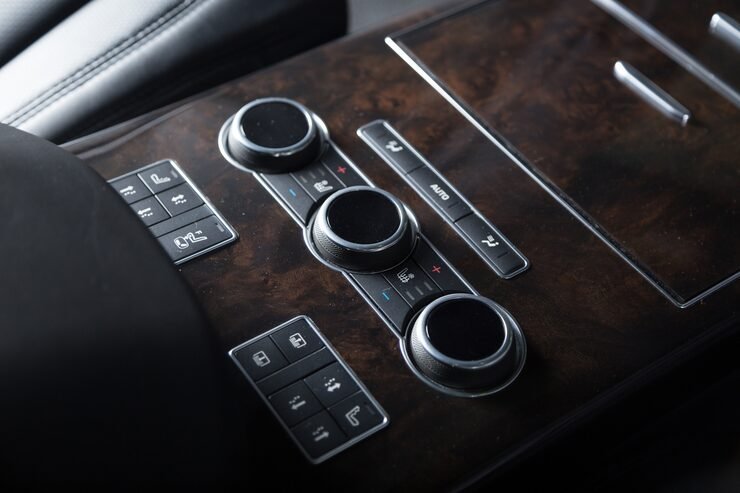
- Automotive interior controls
- Aerospace equipment interfaces
- Agricultural machinery
- POS 단말기
- Security and access control systems
- Telecommunications equipment
The list keeps growing as designers discover new applications.
자주 묻는 질문
How long does a membrane switch panel typically last?
Lifespan varies considerably based on quality and usage. Standard panels rate for 1 million actuations per switch position. Premium industrial versions may exceed 5 million cycles. Environmental conditions and maintenance practices also influence actual longevity significantly.
Can membrane switch panels be repaired if damaged?
Generally, membrane switch panels are replaced rather than repaired when they fail. The layered construction makes component-level repairs impractical in most cases. Some connector issues or minor overlay damage might be addressable, but internal circuit failures typically require complete replacement.
What information do manufacturers need to quote a custom membrane switch panel?
Suppliers typically need dimensional drawings, circuit schematics or switch counts, graphic artwork, material preferences, environmental specifications, connector requirements, quantity estimates, and any special features like backlighting or tactile enhancements. More complete information enables more accurate quotations.