Entender qué es realmente un panel de teclas de membrana
Se encuentran en dispositivos médicos, máquinas de gimnasio, electrodomésticos y maquinaria industrial. Es muy probable que varios paneles de teclas de membrana Se han fabricado hoy sin que se haya prestado ninguna atención consciente a qué son ni cómo funcionan. Estas interfaces se integran tan perfectamente en el diseño de los equipos que apenas se nota su presencia.
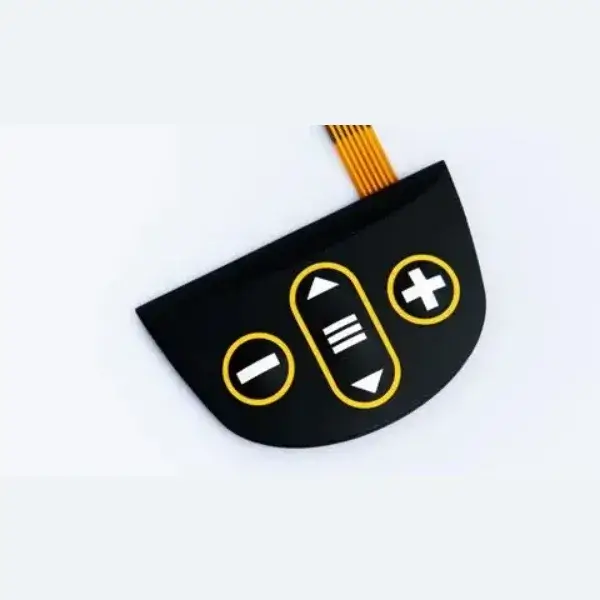
Entonces, ¿qué es exactamente un panel de interruptores de membrana? En esencia, se trata de una tecnología de interfaz de usuario que combina la funcionalidad de los interruptores con la visualización gráfica en un único conjunto delgado e integrado. A diferencia de los botones mecánicos tradicionales, que se montan a través de orificios en un panel, los paneles de interruptores de membrana ofrecen una superficie sellada en la que los gráficos impresos y los interruptores eléctricos se encuentran dentro de la misma estructura en capas. La verdad es que es un enfoque bastante ingenioso.
La estructura por capas de un panel de interruptores de membrana
Al comprender su estructura, se descubre cómo estos conjuntos logran esa combinación única de forma y función. Varias capas finas actúan de forma conjunta, y cada una de ellas aporta algo esencial.
Descomponer cada capa
Desde la superficie visible para el usuario hacia abajo, un panel de interruptores de membrana típico incluye:
- Superposición gráfica: la superficie impresa en la que aparecen los iconos, el texto y la ubicación de los botones
- Adhesivo de recubrimiento: fija la capa gráfica a los componentes del circuito que se encuentran debajo
- Capa superior del circuito: película flexible con trazas conductoras
- Capa espaciadora: mantiene la separación entre los circuitos con aberturas en las posiciones de los interruptores
- Capa inferior del circuito: segunda película conductora que completa las rutas eléctricas
- Adhesivo trasero: fija todo el conjunto a las carcasas de los equipos
Algunos diseños incorporan capas adicionales con fines específicos: ventanas LED, materiales de blindaje o placas de refuerzo. No obstante, la arquitectura básica se mantiene igual.
La importancia de la elección de los materiales
| Componente | Materiales habituales | Factores de selección |
| Superposición gráfica | Poliéster, policarbonato | Durabilidad, resistencia química, textura |
| Capas de circuito | Lámina de poliéster, poliimida | Flexibilidad, tolerancia a la temperatura |
| Espaciador | Poliéster, adhesivo sensible a la presión | Espesor, características de compresión |
| Elementos conductores | Tinta plateada, tinta de carbono, flex de cobre | Conductividad, coste, necesidades medioambientales |
Las capas de poliéster se adaptan bien a la mayoría de las aplicaciones generales. El policarbonato ofrece una mayor resistencia a los impactos y más opciones de textura. Los circuitos de poliimida soportan temperaturas más elevadas, lo que los hace adecuados para entornos exigentes.
Cómo funciona un panel de teclas de membrana
El principio de funcionamiento es sencillo. La presión ejercida sobre la superficie de recubrimiento hace que la capa superior del circuito se doble a través de las aberturas del espaciador hasta entrar en contacto con la capa inferior del circuito. De este modo se cierra un circuito eléctrico, lo que envía una señal al dispositivo conectado.
La secuencia de prensado
Qué ocurre al pulsar un botón:
- El dedo ejerce presión sobre un punto concreto de la superficie superpuesta
- La fuerza se transmite a través de las capas hasta el circuito superior
- El circuito flexible se introduce en la abertura del espaciador
- Se produce un contacto con las pistas del circuito inferior
- Se completa el circuito eléctrico
- El dispositivo registra la señal de entrada
- La liberación de presión permite que las capas se separen
- El circuito se abre, listo para la próxima activación
Todo el proceso dura unos milisegundos. Los usuarios lo perciben como una respuesta instantánea.
Opciones de respuesta táctil
Los paneles básicos de interruptores de membrana planos ofrecen una respuesta física mínima. La pulsación se registra, pero apenas se nota que se ha producido. En muchas aplicaciones se añaden elementos táctiles:
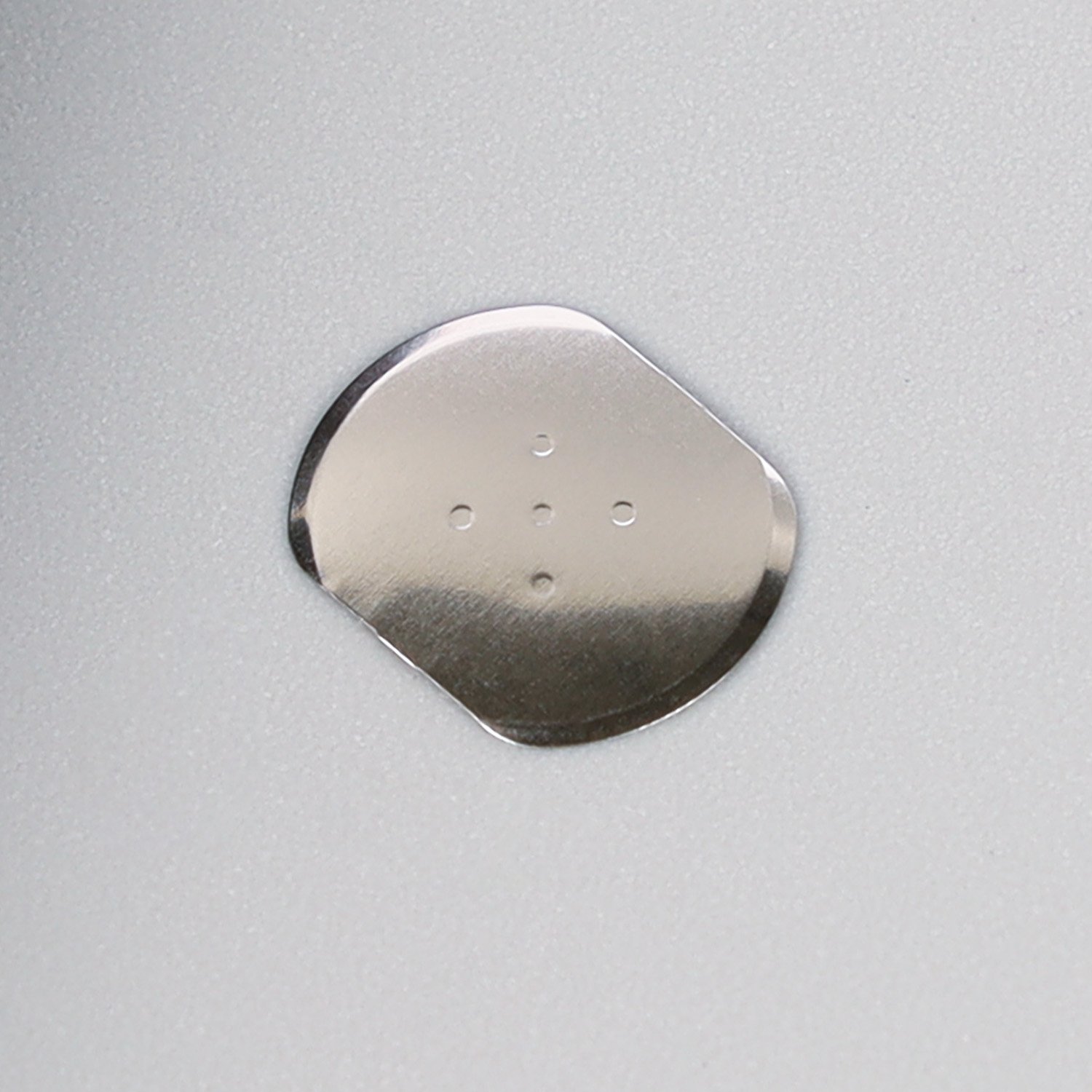
- Las cúpulas metálicas con cierre a presión situadas debajo de las teclas producen un clic perceptible
- Las cúpulas de poliéster ofrecen una respuesta táctil más suave
- Las capas en relieve aportan definición a los botones en relieve
- Enfoques combinados para variar la retroalimentación entre los distintos botones
La elección del tipo de retroalimentación depende de los requisitos de la aplicación y de las preferencias del usuario.
Por qué las industrias eligen la tecnología de paneles de interruptores de membrana
La generalización del uso de paneles de teclas de membrana en tantos sectores no ha sido fruto de la casualidad. Son varias las ventajas prácticas que explican esta preferencia.
Ventajas clave frente a otras opciones
¿Qué hace que estos conjuntos resulten atractivos para los diseñadores y fabricantes?:
- Su diseño hermético resiste el polvo, la humedad y la contaminación
- Su perfil delgado se adapta a diseños de equipos con limitaciones de espacio
- Los gráficos personalizados se integran directamente en la interfaz
- Fabricación a gran escala de forma rentable
- La flexibilidad del diseño permite adaptarse a diversas formas y configuraciones
- Instalación relativamente sencilla mediante fijación adhesiva
Ventajas comparativas
| Característica | Panel de interruptores de membrana | Botones mecánicos | Pantalla táctil |
| Capacidad de sellado | Excelente | Se necesitan juntas | Bien |
| Espesor del perfil | Muy fino | Más grueso | Moderado |
| Gráficos personalizados | Integrado | Etiquetas separadas | Basado en software |
| Coste por volumen | Baja | Más alto | Más alto |
| Respuesta táctil | Opcional | Inherente | Ninguno |
| Durabilidad | Bien | Excelente | Moderado |
Aplicaciones habituales de las interfaces de paneles de mandos con membrana
Equipos médicos y sanitarios
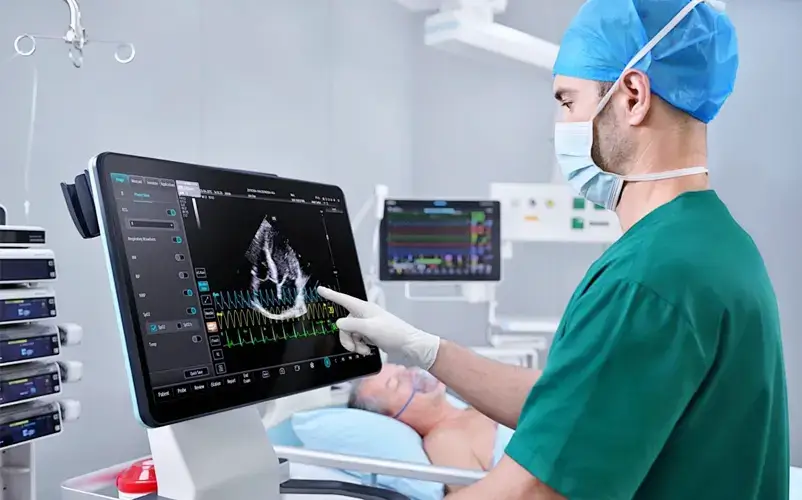
Paneles de teclas de membrana para el sector médico son muy útiles —monitores de pacientes, dispositivos de diagnóstico, equipos terapéuticos, instrumentos de laboratorio. En este caso, la superficie sellada reviste especial importancia. La limpieza y la desinfección se realizan con frecuencia. La resistencia a la contaminación es fundamental.
Entornos industriales y de fabricación
Las naves industriales presentan condiciones muy duras: polvo, vibraciones, temperaturas extremas y exposición a sustancias químicas. Un panel de interruptores de membrana soporta estos retos mejor que muchas otras alternativas. Los paneles de control, las interfaces de las máquinas y los equipos de prueba suelen utilizar esta tecnología.
Productos de consumo y electrodomésticos
Hornos microondas, aparatos de gimnasia, mandos a distancia, termostatos. Los objetos de uso cotidiano suelen incorporar interfaces con paneles de interruptores de membrana. Esta tecnología permite crear diseños de productos elegantes a unos costes de fabricación razonables.
Otros sectores
Otras aplicaciones habituales son:
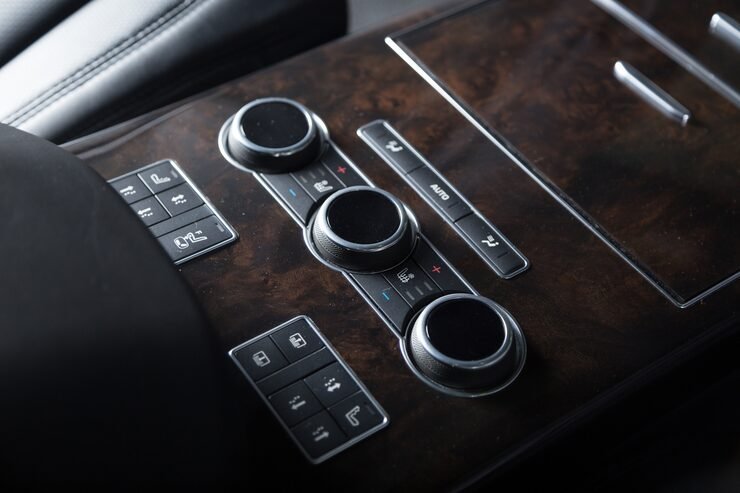
- Mandos interiores de automóviles
- Interfaces de equipos aeroespaciales
- Maquinaria agrícola
- Terminales punto de venta
- Sistemas de seguridad y control de acceso
- Equipos de telecomunicaciones
La lista no deja de crecer a medida que los diseñadores descubren nuevas aplicaciones.
PREGUNTAS FRECUENTES
¿Cuánto tiempo suele durar un panel de teclas de membrana?
La vida útil varía considerablemente en función de la calidad y el uso. Los paneles estándar tienen una vida útil nominal de 1 millón de accionamientos por posición del interruptor. Las versiones industriales de gama alta pueden superar los 5 millones de ciclos. Las condiciones ambientales y las prácticas de mantenimiento también influyen de manera significativa en la vida útil real.
¿Se pueden reparar los paneles de teclas de membrana si se estropean?
Por lo general, cuando los paneles de teclas de membrana fallan, se sustituyen en lugar de repararse. Su estructura en capas hace que, en la mayoría de los casos, las reparaciones a nivel de componentes resulten inviables. Es posible que se puedan solucionar algunos problemas relacionados con los conectores o daños menores en la capa superior, pero los fallos en los circuitos internos suelen requerir una sustitución completa.
¿Qué información necesitan los fabricantes para elaborar un presupuesto de un panel de interruptores de membrana a medida?
Por lo general, los proveedores necesitan planos dimensionales, esquemas de circuitos o recuentos de interruptores, material gráfico, preferencias de materiales, especificaciones medioambientales, requisitos de conectores, estimaciones de cantidades y cualquier característica especial, como la retroiluminación o mejoras táctiles. Una información más completa permite elaborar presupuestos más precisos.