
Understanding What Goes Into Making a Metal Dome
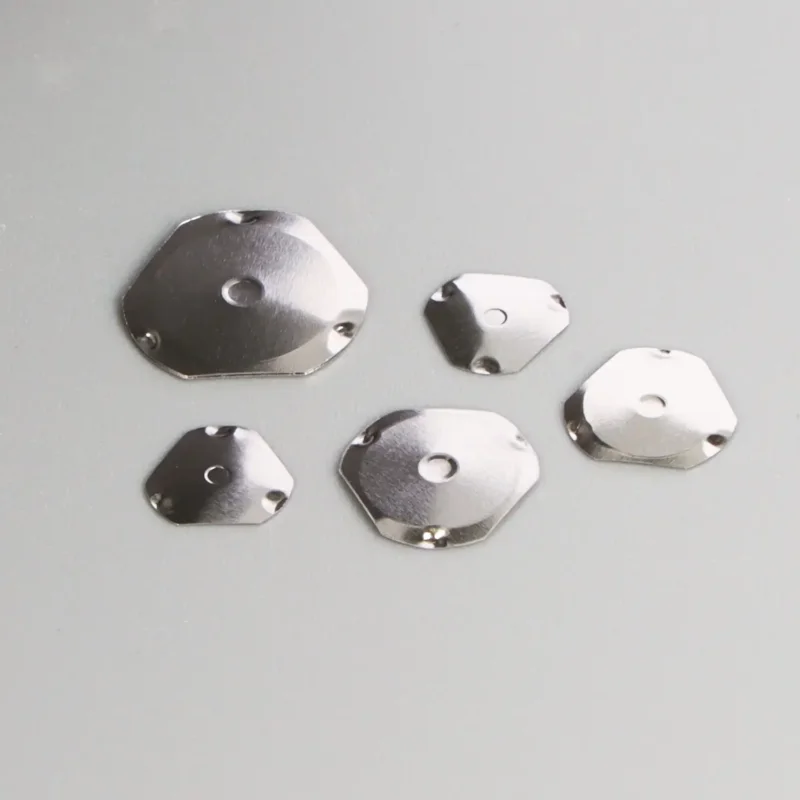
Making a metal dome might seem simple at first glance. It’s just a small curved piece of metal, right? But the reality is quite different. These tiny components require precision engineering and carefully controlled manufacturing processes to achieve the tactile performance that users expect.
What makes this manufacturing process particularly interesting is how small tolerances really are. Variations of just a few microns in thickness or dome height can noticeably change the actuation force. That level of precision demands specialized equipment and experienced operators who understand the nuances involved.
Raw Materials Used to Make a Metal Dome
Stainless Steel Selection
Most manufacturers rely on stainless steel as the primary material. It offers the right combination of spring properties, corrosion resistance, and formability. The specific grade matters quite a bit though.
Common material choices include:
- 301 stainless steel – Most popular option, excellent spring characteristics, work hardens during forming
- 304 stainless steel – Better corrosion resistance, slightly different tactile properties
- 17-7 PH stainless steel – Precipitation hardened, superior fatigue resistance for high-cycle applications
- Beryllium copper – Premium alternative with outstanding conductivity and spring properties
The material arrives as thin sheet stock, typically in coils. Thickness ranges from 0.05mm to 0.15mm depending on the desired force rating. Thicker material creates domes requiring more actuation pressure.
Material Quality Requirements
Before production begins, the raw material undergoes inspection. Key parameters include:
- Thickness uniformity across the sheet width
- Surface finish and cleanliness
- Grain structure and hardness readings
- Chemical composition verification
- Freedom from scratches, pits, or inclusions
Poor quality input material leads to inconsistent domes. Even slight variations in sheet thickness translate directly to force rating differences in the finished components. That’s why reputable manufacturers source from certified suppliers with tight quality controls.
The Stamping Process to Make a Metal Dome
Progressive Die Stamping
High-volume metal dome production typically uses progressive die stamping. This method feeds sheet material through a series of stations, each performing a specific operation. By the time the strip exits, finished domes have been formed, shaped, and separated.
The process happens remarkably fast. Modern stamping presses can produce hundreds of domes per minute while maintaining tight tolerances. Speed matters for cost efficiency, but it can’t compromise quality.
| Process Stage | Operation | Purpose |
|---|---|---|
| Station 1 | Blanking | Cut circular disc from strip |
| Station 2 | First draw | Initial dome shape formation |
| Station 3 | Second draw | Refine dome geometry |
| Station 4 | Sizing | Final dimensional control |
| Station 5 | Leg forming | Create contact legs (if applicable) |
| Station 6 | Separation | Remove finished dome from carrier |
Tooling Precision
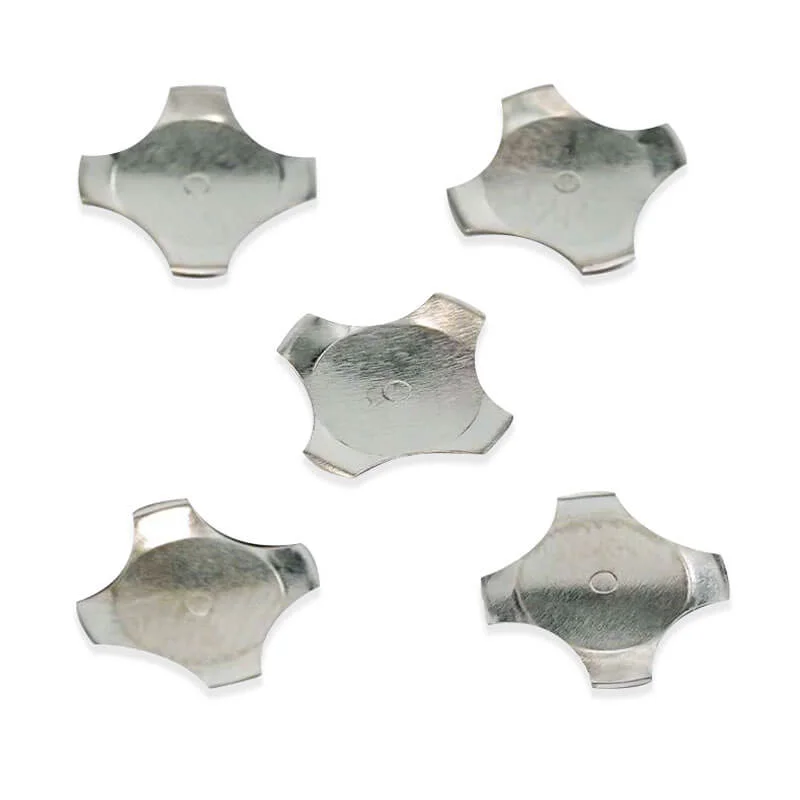
The dies used in stamping represent significant engineering investment, especially for complex geometries like the square metal dome. They’re machined from hardened tool steel to extremely tight tolerances, sometimes within 2-3 microns, to ensure the sharp corners and consistent wall profiles required for square dome formation. Die maintenance is critical too. Worn tooling produces domes that drift out of specification, potentially affecting the tactile feel and electrical contact reliability of square metal domes.
Temperature control during stamping affects results as well. Friction generates heat, which changes material behavior. Some operations require lubrication, though this must be carefully managed to avoid contamination that could affect later plating processes.

Heat Treatment After Forming the Metal Dome
Stress Relief and Hardening
The stamping process creates internal stresses in the metal. Left untreated, these stresses can cause inconsistent behavior or premature fatigue failure. Heat treatment addresses this issue.
Depending on the material, treatment might involve:
- Stress relief annealing at moderate temperatures
- Precipitation hardening for PH grade stainless steels
- Controlled cooling cycles to achieve desired hardness
The goal is achieving optimal spring properties. The metal dome needs enough hardness to snap back reliably after millions of actuations, but not so brittle that it cracks under repeated stress.
Process Control
Heat treatment requires precise temperature and time control. Industrial ovens with accurate monitoring equipment handle this task. Parts move through on conveyor systems, ensuring uniform exposure throughout the batch.
Some manufacturers use vacuum or inert atmosphere furnaces to prevent surface oxidation during treatment. Clean surfaces matter for subsequent plating adhesion.
Surface Treatment and Plating for Metal Dome Production
Cleaning and Preparation
Before plating, domes undergo thorough cleaning to remove any oils, oxides, or contaminants from previous processes. This typically involves:
- Alkaline degreasing to remove organic residues
- Acid pickling to remove surface oxides
- Multiple rinse stages with deionized water
- Activation treatment to prepare surface for plating
Cleanliness directly impacts plating adhesion and uniformity. Skimping on preparation creates domes with peeling or spotted finishes that fail in service.
Plating Options
The contact areas of a metal dome often receive plating to improve conductivity and prevent corrosion. Common options include:
- Gold plating – Superior conductivity, excellent corrosion resistance, highest cost
- Silver plating – Good conductivity, more economical than gold, can tarnish over time
- Nickel underplate – Often applied beneath gold to improve adhesion and provide barrier layer
Plating thickness varies by application. Thicker deposits offer better protection but add cost. Most designs specify just enough to ensure reliable performance throughout the expected product lifetime.
Quality Control in Metal Dome Manufacturing
Dimensional Inspection
Finished domes undergo measurement to verify critical dimensions. Automated vision systems can check hundreds of parts per minute, flagging any that fall outside tolerance bands.
Key measurements include:
- Overall diameter or length
- Dome height at center
- Leg dimensions (for four-leg designs)
- Concentricity and symmetry
- Surface defect detection
Force Testing
Perhaps more important than dimensions is the actual tactile performance. Force testing equipment presses each dome while measuring the resistance curve. This reveals the actuation force, snap ratio, and contact force values.
Statistical sampling verifies batch consistency. If measurements drift, operators investigate the cause before production continues. Catching problems early prevents large quantities of defective parts.
Final Thoughts on Making Quality Metal Domes
The process to make a metal dome combines traditional metalworking with modern precision manufacturing. What appears simple actually requires expertise across materials science, mechanical engineering, and quality control disciplines.
Every step matters. Material selection influences spring properties. Stamping precision determines tactile consistency. Heat treatment ensures durability. Plating protects contact surfaces. And rigorous inspection catches any deviations before components reach customers. If you want to know more about metal domes, please read about What Is a Metal Dome and How Does It Work.
Frequently Asked Questions
How long does it take to make a metal dome?
The actual stamping happens in fractions of a second per piece. However, the complete production cycle, including material preparation, forming, heat treatment, plating, and inspection, typically spans several days for a batch. Lead times vary by manufacturer and order volume.
What equipment is needed to make metal domes?
Primary equipment includes precision stamping presses, progressive dies, heat treatment ovens, plating lines, and inspection systems. The capital investment is substantial, which is why most companies purchase domes from specialized manufacturers rather than producing in-house.
Can metal domes be made in custom specifications?
Yes, custom metal dome designs are common. Manufacturers can adjust size, shape, force rating, and plating to meet specific requirements. Custom tooling involves upfront costs and minimum order quantities typically apply, but the result is a component optimized for the intended application.