
Designing a custom metal dome keypad looks straightforward on paper. Pick some domes, arrange them on a circuit board, add an overlay. Done. Except reality proves messier than that. The difference between a keypad that merely functions and one that feels genuinely good to use comes down to dozens of small decisions—decisions that interact in ways specifications alone don’t reveal.
Experience shows that successful metal dome keypad designs emerge from understanding these interactions. Not just following rules, but grasping why certain approaches work while others disappoint. This guide walks through the process with practical considerations that affect real outcomes.
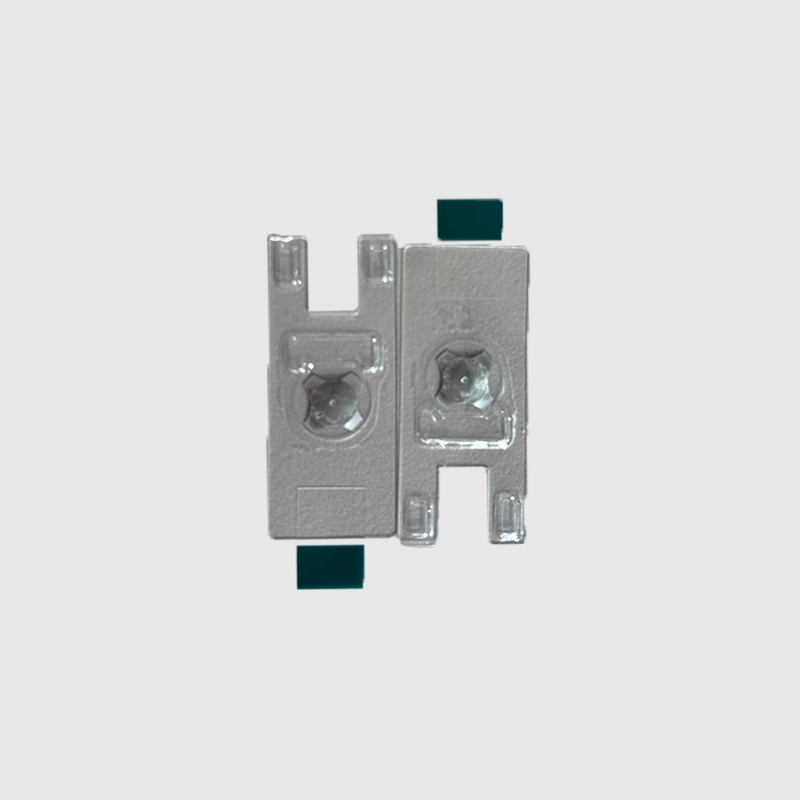
Initial Planning For Your Metal Dome Keypad Project
Defining User Requirements
Who uses this keypad? How frequently? Under what conditions? These questions shape everything downstream. A remote control used casually in living rooms demands different design choices than an industrial panel operated by gloved workers in freezing warehouses.
Key questions worth answering early:
- Expected button presses per day and total product lifespan
- User demographics including age ranges and potential impairments
- Environmental exposure—temperature, humidity, contamination, vibration
- Aesthetic requirements and surface finish preferences
- Budget constraints and volume expectations
Layout Considerations
Button arrangement affects more than visual appearance. Spacing influences whether adjacent buttons get pressed accidentally. Grouping related functions together improves usability. Frequently used buttons deserve prime positions accessible without awkward hand movements.
Sketch layouts on paper before committing to CAD. Try different arrangements. Consider how users actually hold and interact with the product. Sometimes the obvious layout isn’t optimal once real hands get involved.
Selecting Dome Specifications For Metal Dome Keypad Performance
Force Rating Selection
| Application Type | Recommended Force | Rationale |
|---|---|---|
| Portable devices | 150-180g | Light touch for thumb operation |
| Remote controls | 180-220g | Moderate resistance prevents accidents |
| Desktop equipment | 200-260g | Comfortable for seated operation |
| Automotive panels | 250-350g | Higher force counters vibration |
| Industrial controls | 300-450g | Accommodates gloved hands |
Dome Size And Shape Options
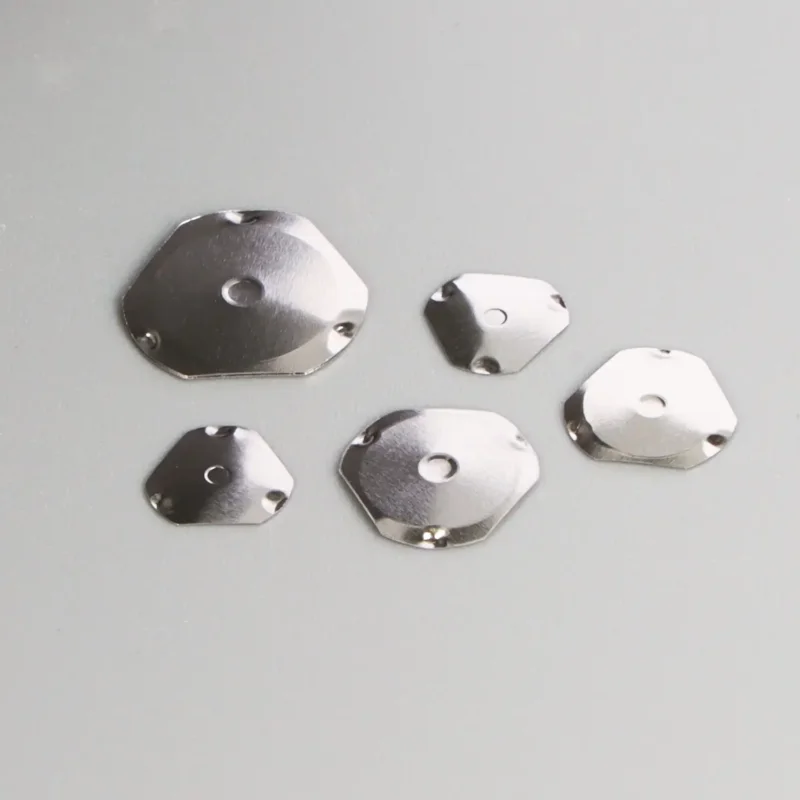
Standard dome diameters range from about 4mm to 16mm. Larger domes support higher forces while maintaining good tactile ratio—that satisfying snap-to-hold force relationship. Smaller domes fit tighter layouts but have force limitations.
Common shapes include:
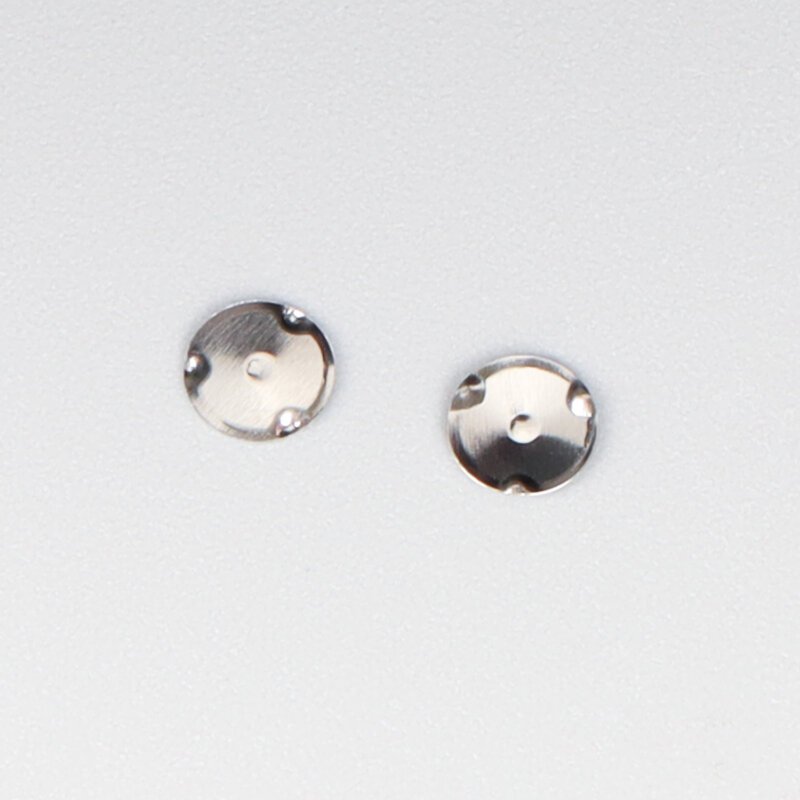
- Four-leg round domes—most common, economical, even force distribution
- Five-leg designs—improved centering, preferred for larger sizes
- Oblong or oval shapes—fit elongated button positions
- Triangle configurations—stable actuation, good for specific layouts
The dome must fit within available space while allowing proper contact pad geometry underneath. Cramming oversized domes into tight areas causes problems—uneven actuation, inconsistent feel, contact reliability issues.
Material And Plating Choices
Stainless steel SUS301 dominates dome construction. The alloy offers excellent spring properties and fatigue resistance across millions of cycles. Thickness typically ranges from 0.05mm to 0.15mm, affecting force characteristics and durability.
Surface plating adds another decision:
- Nickel plating: good conductivity and corrosion resistance, cost-effective
- Gold plating: superior conductivity and durability, higher cost
- Silver plating: excellent conductivity but tarnishes over time
For metal dome keypad applications expecting long service life, gold plating often justifies its premium through consistent performance.
Circuit Design For Metal Dome Keypad Integration
Contact Pad Layout
Each dome position needs a center contact pad and outer support ring or individual leg pads. The center pad diameter typically runs 25% to 40% of dome diameter. Too large and contact becomes inconsistent. Too small and resistance increases.
The gap between center pad and outer ring demands precision—too narrow risks contamination shorts, too wide risks incomplete contact. Most designs specify gaps between 0.5mm and 1.5mm depending on dome size.
Circuit Substrate Options
Metal dome keypads can integrate with various substrate technologies:
- Rigid PCB—traditional approach, stable and familiar
- Flexible printed circuits—enables curved or folding designs
- Membrane circuits—lowest cost for high volumes
- Hybrid constructions—combining rigid and flex sections
Substrate choice affects assembly methods, durability, and cost. Flexible circuits enable interesting form factors but require different handling than rigid boards.
Surface Finish Requirements
Pad surface finish affects both assembly and long-term reliability:
- ENIG (gold over nickel)—flat surface, good conductivity, recommended for quality applications
- HASL—economical but uneven surface may affect dome seating
- OSP—flat and affordable but degrades with time and exposure
- Hard gold—best for extremely high cycle requirements
Investing in proper surface finish pays dividends through consistent performance and fewer field failures.
Overlay Design For Metal Dome Keypad Applications
Material Selection
Common overlay materials span a range of properties:
- Polyester films (0.1mm to 0.25mm typical)—good chemical resistance, economical
- Polycarbonate sheets—better impact resistance, accepts printing well
- Silicone rubber keypads—soft touch feel, excellent sealing
- Rigid plastic housings—traditional button appearance, requires individual keycaps
Thinner overlays transmit tactile feedback more directly. Thicker materials dampen the snap sensation. Neither approach is inherently wrong—the choice should match product character and user expectations.
Actuator Geometry
The actuator—that raised area on the overlay surface above each dome—affects force transmission. Poor actuator design causes several problems:
- Off-center actuation leading to inconsistent feel
- Force multiplication or reduction changing effective force
- Incomplete dome travel affecting contact reliability
- Premature dome fatigue from angled loading
Ideally, actuators align precisely with dome centers and have slightly smaller diameters than the domes themselves. This promotes clean, centered actuation every time.
Graphic And Aesthetic Elements
The metal dome keypad overlay carries visual design elements—button labels, icons, colors, textures. These graphics must survive the same environmental exposure as the underlying mechanics. UV-resistant inks, abrasion-resistant coatings, and proper material selection prevent premature appearance degradation.
Backlit designs require additional consideration. Light guide layers, LED positioning, diffusion methods—all affect illumination uniformity and appearance quality.
FAQ
What minimum quantities apply for custom metal dome keypad orders?
Custom tooling typically requires minimum orders ranging from 5,000 to 50,000 pieces depending on complexity and manufacturer. Dome tooling, overlay printing plates, and circuit tooling each carry setup costs amortized across production volume. For prototypes and low volumes, adapting standard components often proves more practical than full customization.
How long does custom metal dome keypad development typically take?
Timeline varies with complexity, but typical development runs 8 to 16 weeks from design freeze to production samples. This includes dome tooling fabrication, circuit manufacturing, overlay production, and assembly validation. Rushing timelines usually creates quality problems that cost more to fix than the saved time was worth.
Can existing metal dome keypad designs be modified for new products?
Yes, within limits. Similar products might share dome specifications while using different overlays and circuit layouts. This reduces tooling investment and accelerates development. However, significant force or size changes typically require new dome tooling. Discussing modification possibilities with manufacturers early helps identify cost-saving opportunities.