
That satisfying click when pressing a button—there’s something almost universally appealing about it. Behind that tactile response sits a tiny but crucial component: the snap dome. These small metal discs might seem insignificant, but they determine how a product feels during every single interaction.
Choosing the right snap dome affects user experience, product durability, and manufacturing costs simultaneously. Get it wrong, and customers notice immediately. The button feels mushy, or too stiff, or just somehow off. Getting it right requires understanding several interconnected factors that aren’t always obvious at first glance.
Understanding Snap Dome Basics
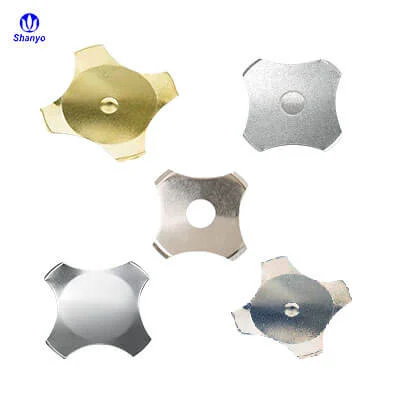
A snap dome is essentially a thin, dome-shaped piece of metal—usually stainless steel—that provides tactile feedback when pressed. The dome collapses under pressure, makes contact with a circuit below, then springs back to original shape when released. Simple concept, but the execution involves surprising complexity.
These components appear everywhere in daily life. Remote controls, automotive dashboards, medical devices, industrial equipment, elevator panels. Anywhere a button needs that distinct click feeling, a snap dome probably handles the job. The technology has remained fundamentally unchanged for decades because, well, it works remarkably well.
How They Actually Function
The operating principle relies on stored mechanical energy. When manufactured, the dome shape creates tension in the metal. Pressing down releases that tension suddenly—producing the click sensation—while completing an electrical circuit. Release pressure, and the dome snaps back, breaking the circuit.
This mechanism offers advantages over rubber-only solutions:
- Consistent actuation force over millions of cycles
- Clear tactile feedback users can feel distinctly
- Reliable electrical contact with minimal resistance
- Long operational lifespan without degradation
The snap dome essentially serves dual purposes: mechanical switch and tactile indicator. Users know their input registered without looking at the device.
Types of Snap Dome Configurations
Not all snap domes are created equal. Different applications demand different characteristics, and manufacturers have developed various configurations to meet those needs. Understanding the options helps narrow choices considerably.
Four-Leg Design
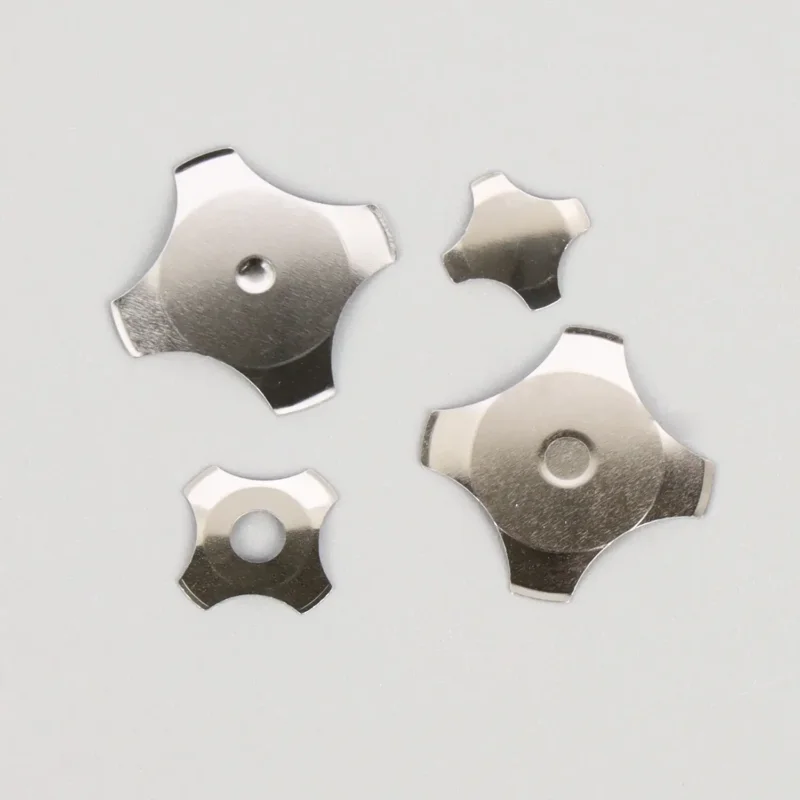
The most common configuration features four legs extending from the dome’s base. It is called four-leg snap dome. These legs anchor the dome in position and provide stable contact points. Suitable for most general applications where moderate precision suffices.
Triangle Shapes
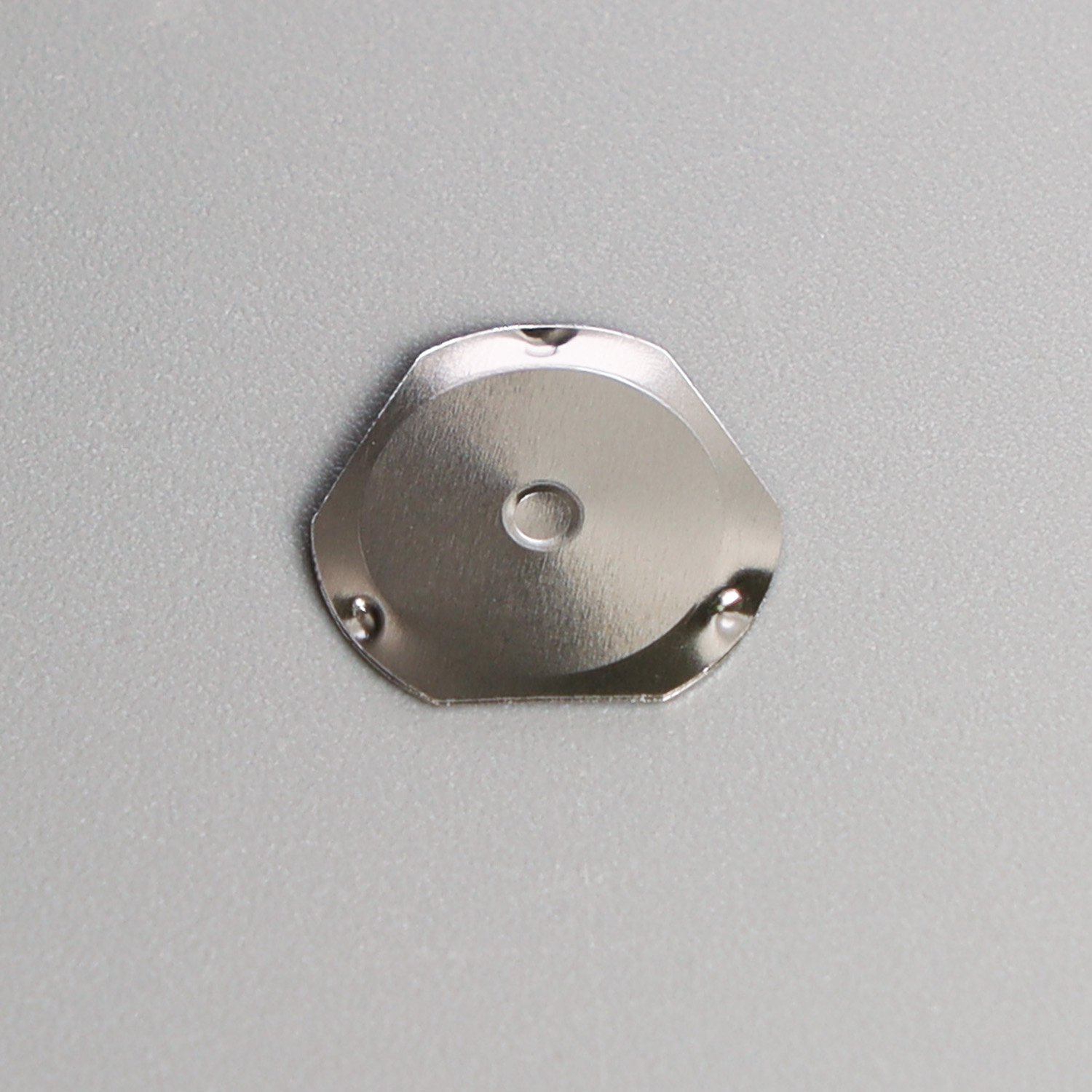
Triangle designed snap domes offer slightly different force distribution and fit tighter spaces. Some manufacturers produce custom shapes for specific applications—unusual footprints, integrated arrays, or specialized mounting requirements.
Oval snap domes
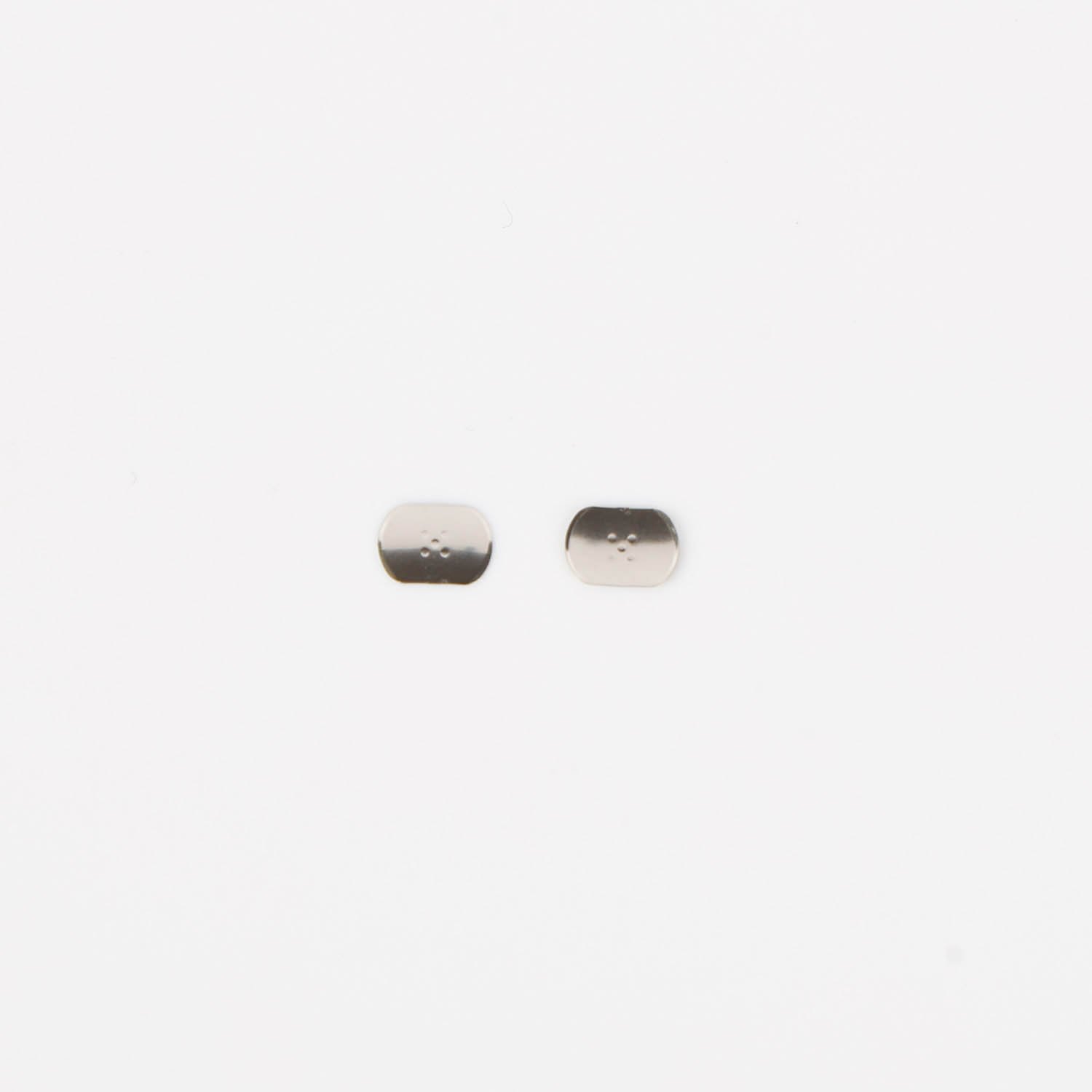
The oval snap dome features an elongated, elliptical shape that distinguishes it from standard round designs. This configuration works particularly well for rectangular button applications where circular domes would leave uneven pressure distribution across the contact surface. The extended profile allows designers to create longer key caps without sacrificing tactile response quality.
These domes typically measure anywhere from 6mm to 15mm along the longer axis, though custom dimensions are available from most suppliers. The actuation force spreads across a wider area compared to round alternatives, which some users find more comfortable during extended use—especially in devices requiring frequent button presses.
Critical Snap Dome Selection Factors
Several variables influence which snap dome suits a particular product. Rushing this decision often creates problems downstream—either during manufacturing or after products reach customers.
Actuation Force Requirements
How hard should users press before the dome clicks? This question matters more than many designers initially realize. Too light, and accidental activations become annoying. Too heavy, and extended use causes finger fatigue.
General guidelines by application type:
- Consumer handheld devices: 150-200 grams
- Automotive controls: 250-350 grams
- Industrial equipment: 300-450 grams
- Medical devices: varies by regulatory requirements
Testing with actual users during development reveals preferences that specifications alone cannot predict. What feels right on paper sometimes feels wrong in practice.
Travel Distance and Click Ratio
Travel distance refers to how far the dome moves before collapsing. Click ratio describes the relationship between peak force and post-collapse force. Together, these parameters define the tactile “character” of the button.
A high click ratio produces sharp, pronounced feedback. Lower ratios feel softer, more gradual. Neither is inherently better—context determines appropriateness.
Common Mistakes to Avoid
Even experienced engineers sometimes overlook details. Specifying a snap dome without considering the full application context leads to problems down the road.
Underestimating environmental factors causes frequent issues. A dome performing perfectly at room temperature might behave differently at -20°C or 60°C. Similarly, not accounting for the overlay material thickness can alter the perceived feel considerably. If you want to know more about snap dome, please read What Is a Snap Dome and How Does It Work.
FAQ
How long do snap domes typically last?
Most quality snap domes are rated for at least one million actuations. Industrial-grade options can exceed five million cycles. Actual lifespan depends on operating conditions, force applied, and environmental factors like humidity and temperature fluctuations.
Can snap domes be customized for specific applications?
Yes, manufacturers often provide customization options including specific force ratings, unique shapes, specialized materials, and custom array configurations. Minimum order quantities usually apply for fully custom designs.
What causes a snap dome to fail prematurely?
Common failure causes include excessive actuation force, contamination from dust or moisture, improper mounting creating uneven stress, and operating outside specified temperature ranges. Material fatigue from exceeding rated cycle counts also contributes to eventual failure.