
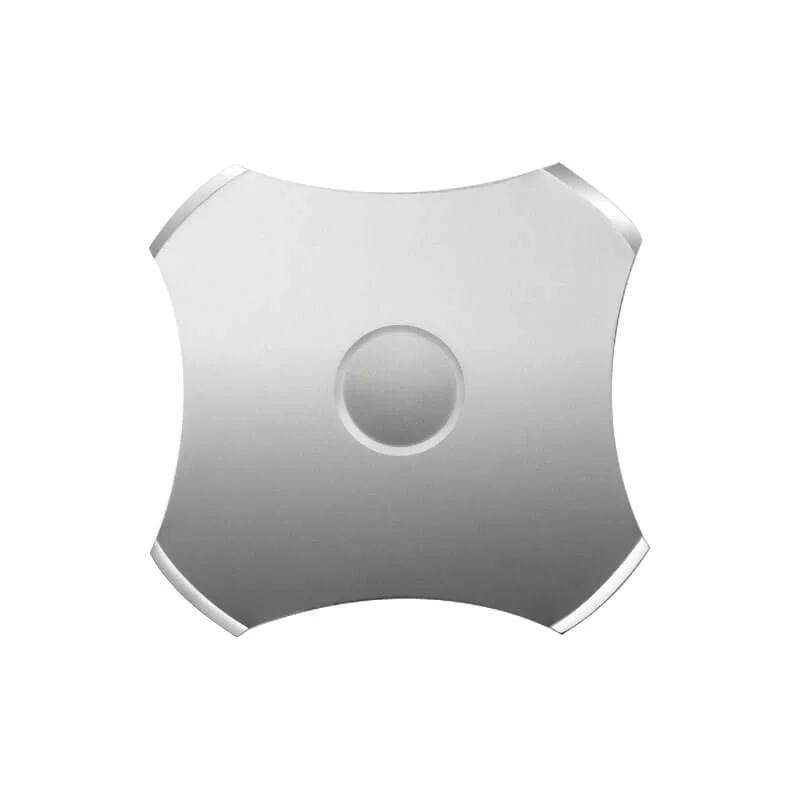
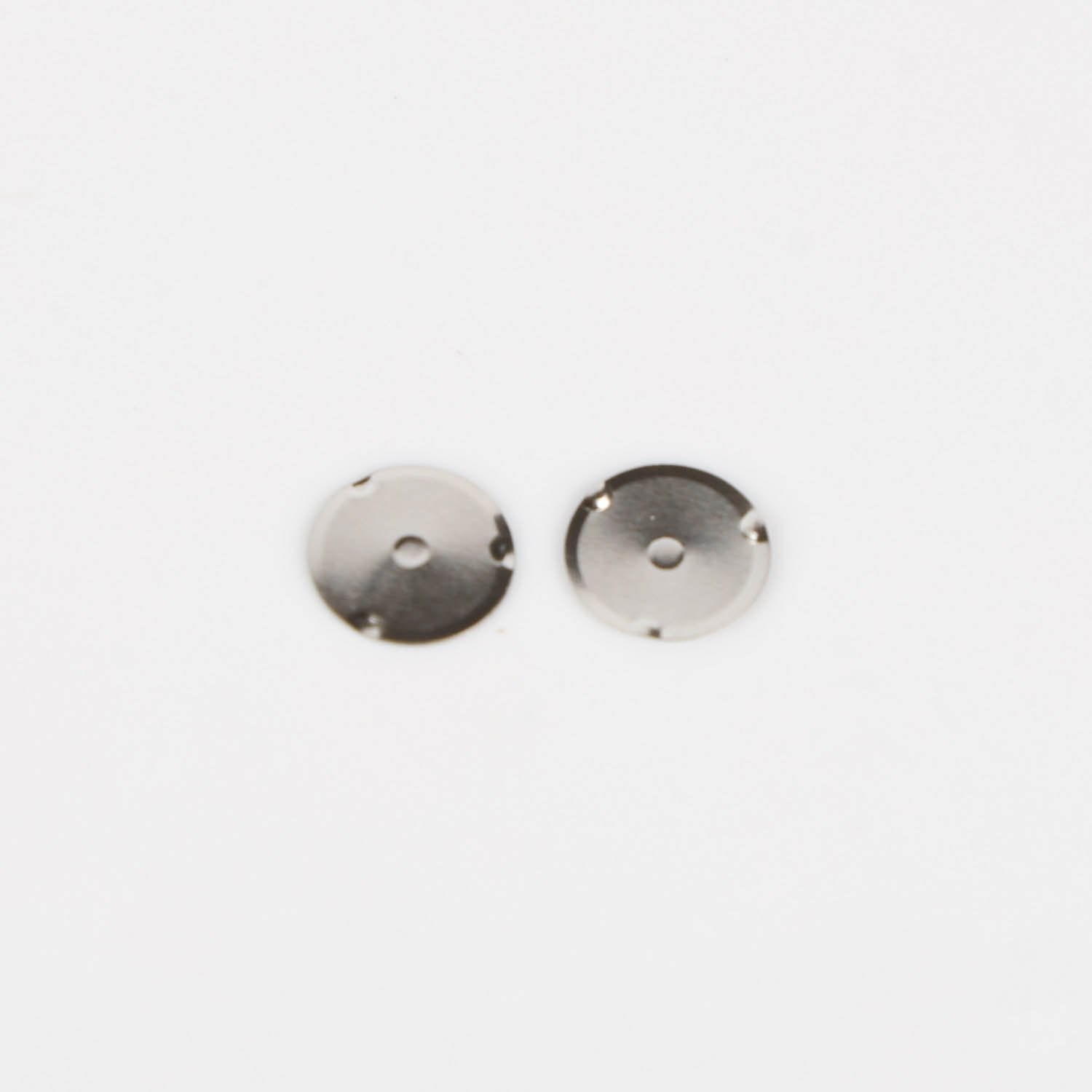
A small piece of formed metal does a lot of work. Metal Domes (sometimes called snap domes or stainless steel domes) are thin, pre-formed discs that provide tactile feedback, electrical contact, and mechanical return in switches and keypads. Their appearance is simple, but their role across automotive, medical, and industrial fields is surprisingly wide — and often taken for granted.Domes are available as individual parts, in strips for automated placement, or pre-assembled in carriers. Standard life ratings frequently reach millions of cycles; vendors can supply test data for vibration, thermal cycling and contact endurance to validate suitability.
How metal domes work
At its core, a metal dome is a spring. Press, it inverts; release, it snaps back. That inversion gives a crisp tactile “click” and closes or opens an electrical contact. Typical dome travel is short (around 0.2–0.5 mm), and actuation force varies widely depending on size and material (from a few tens to several hundred grams-force). Many designs last over 1 million cycles, which explains why they’re trusted in demanding environments. Materials are usually stainless steel (304 is common), chosen for corrosion resistance and spring characteristics.
Automotive controls need to feel reliable and consistent over years of use, and metal domes deliver that. The tactile feedback helps drivers confirm inputs without looking — essential for safety. Key advantages for cars include:
- High durability and long life (often rated at 1M+ cycles).
- Temperature resilience (many domes function across -40°C to +85°C or higher, depending on materials).
- Low profile, enabling slim switches and modern interior designs. Automotive designers also like that dome switches integrate with backlighting and membranes, so illuminated buttons (for climate, infotainment, etc.) remain tactile.

Metal domes in medical applications
In medical devices the priorities shift toward hygiene, reliability, and precise feedback. Metal Domes are favored in handheld diagnostic tools, infusion pumps, and lab analyzers because they:
- Tolerate frequent cleaning (stainless surfaces resist disinfectants better than some plastics).
- Provide repeatable actuation force for consistent user input.
- Offer EMI-resistant contact options (important in sensitive electronics). A critical point: devices often require traceable, validated components; domes with known materials and cycle ratings simplify regulatory work. For example, a clinician pressing a control wants the same feedback every time — and metal domes help provide that consistency.
Metal domes in Industrial applications
Industrial equipment faces vibration, dust, oils, and heavy use. Metal domes are rugged and predictable, so they’re used in control panels, handheld terminals, and machinery switches. Benefits in industry include:
- Robust mechanical properties under shock and vibration.
- Long life under heavy cycling (production-line buttons can see thousands daily).
- Compatibility with sealing membranes or overmolding for harsh environments. Engineer notes often mention that round dome switches, combined with proper sealing, can keep out contaminants while maintaining a satisfying tactile feel.
Design considerations: matching metal dome specs to application
Choosing the right dome means balancing feel, force, and environmental needs. Consider these factors:
- Size: small domes (3–6 mm) work for compact keypads; larger domes (8–12 mm) give stronger clicks.
- Material & finish: stainless steel for corrosion resistance, sometimes with plating for improved contact.
- Actuation force & travel: important for user ergonomics — heavy industrial gloves need higher force; single-finger medical use may prefer lighter force.
- Cycle life & reliability: pick domes rated for the expected lifetime (1M cycles is a typical baseline, but some offer 5M+).
- Electrical characteristics: contact resistance, current rating, and compatibility with low-voltage electronics. It’s also worth noting that domes can be paired with membranes, PCBs, or dome retention systems — so mechanical and electrical integration is part of the design conversation.
Spec sheets
| Application | Key benefits | Typical specs |
|---|---|---|
| Automotive | Consistent tactile feedback; temperature resilience; slim profiles | Size 4–10 mm, travel 0.2–0.5 mm, 1M+ cycles |
| Medical | Cleanability; repeatable actuation; regulatory friendliness | Stainless steel 304, low contact resistance, 0.2–0.4 mm travel |
| Industrial | Ruggedness vs shock/vibration; high cycle life; sealing compatibility | Larger sizes possible, higher actuation force, 1M–5M cycles |
Subtle trade-offs of metal domes
There’s rarely a one-size-fits-all dome. A dome that feels perfect on a lab bench might feel stiff when pressed through a thick membrane or glove. Also, tactile preference is subjective: some operators prefer a soft, muted response; others like a sharp click. Spec sheets are useful, but prototypes and human testing matter. In many projects, iterating on dome size and actuation force makes the final interface feel “right” — even if that takes a few tries.
Conclusion
Metal Domes may be modest in appearance, yet they bridge crucial needs across automotive, medical, and industrial products. They provide tactile confirmation, durability, and predictable electrical performance in compact packages. For designers facing long life cycles, harsh environments, or tight form factors, metal domes are a practical, proven choice — small and simple, but effective where it counts.
In short, metal domes are small and simple components that solve multiple practical problems at once: they give users reliable tactile feedback while delivering predictable electrical and mechanical performance in demanding designs.