
Metal domes are not usually noticed by everyday users, yet they sit quietly inside many consumer products. Their small size might suggest simplicity, but the tactile feedback they create can shape how people experience a device. Over the past decade, as touchscreens expanded and physical buttons shrank, many manufacturers kept metal domes because they offer a dependable response that capacitive surfaces alone don’t fully replace.
Metal Domes' Impact On Modern Consumer Electronics
The Role Metal Domes Play in Everyday Devices
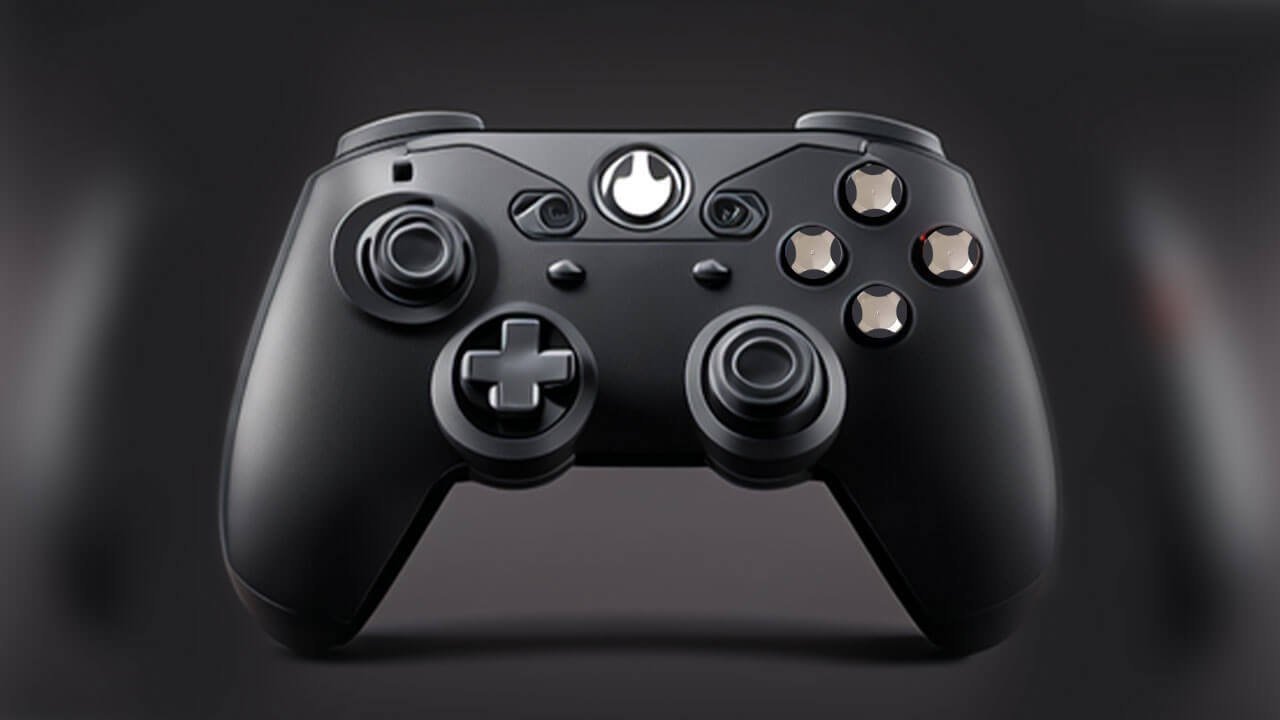
Metal domes appear in far more consumer electronics than most people expect. They sit underneath power buttons, side keys, remote controls, gaming accessories, and even small handheld tools. Although they’re tiny, their tactile response often shapes how a device feels. Some product teardown reports from 2023–2024 mentioned that dome‑based switching components still appear in more than 60 percent of handheld electronics, which is a surprisingly high number. The reason might be simple: users still appreciate that small, confirming “click,” especially when dealing with essential functions.
Consumer devices rely on predictable inputs, and domes deliver that predictability with very little energy consumption. Screens can freeze or lag briefly, but a well‑designed dome switch usually responds the same way every time.
Why Manufacturers Still Choose Dome‑Based Buttons
Although capacitive sensors and haptic feedback engines continue expanding, manufacturers still choose metal domes for many physical interfaces. Dome switches resist accidental activations better than light‑touch capacitive keys, which makes them valuable in devices used outdoors or in slightly unstable conditions. Even something like changing a TV channel or adjusting a headset’s volume can feel more controlled when the button provides defined feedback.
Some designers also point out that metal domes help keep products slim without sacrificing tactile quality. Their low profile, often between 0.2 and 0.6 mm depending on design, fits comfortably inside compact housings. This becomes especially helpful when a device has multiple side keys arranged closely together. Although the decision varies by brand, dome switches often remain the stable choice because they are predictable, durable, and easier to validate in long-term reliability testing.
Wearable electronics keep getting thinner, and each redesign pushes suppliers to build smaller, more resilient actuation methods. Metal domes fit into that story naturally. They are lightweight, stable under repeated presses, and able to handle thousands—or millions—of cycles depending on the design. In some fitness trackers and health bands, a small dome might sit between a flexible PCB and a surface button, helping maintain a clean tactile profile even when the outer casing bends a little.
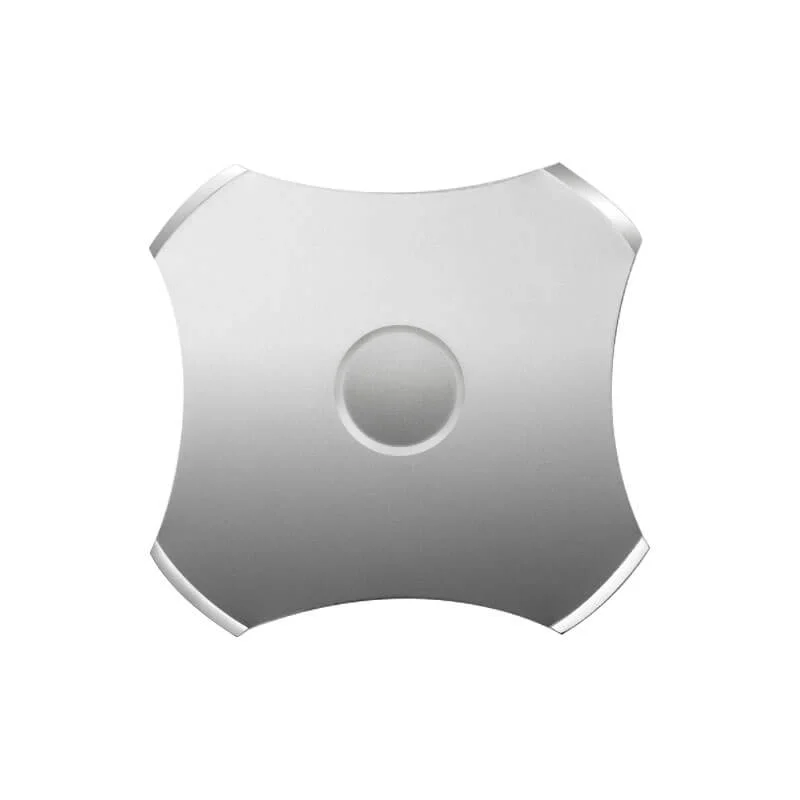
Not every wearable uses the same dome shape. Some use four‑leg domes for balanced feedback, while others prefer round domes because they distribute force more evenly when the housing flexes. Observations from teardown communities show that round domes appear more often in compact wearables, probably because they offer predictable actuation even when space is tight.
The Function Behind the Click
A metal dome behaves like a miniature spring. When pressed, it collapses momentarily and completes a circuit on the PCB. When released, it snaps back and opens the circuit. This action produces the recognizable “click,” which many users associate with certainty and control. The sound varies depending on thickness, surface plating, and the shape of the dome. Thicker domes tend to sound sharper, while thinner ones feel softer but activate more quickly.
Even though dome structures seem simple, slight deviations can subtly affect the feel. Designers often run repeated cycle testing, sometimes 100,000 presses or more, to check whether the tactile curve remains stable over time. The process helps maintain a more consistent experience for the final user.
Common Types of Metal Domes Used Today
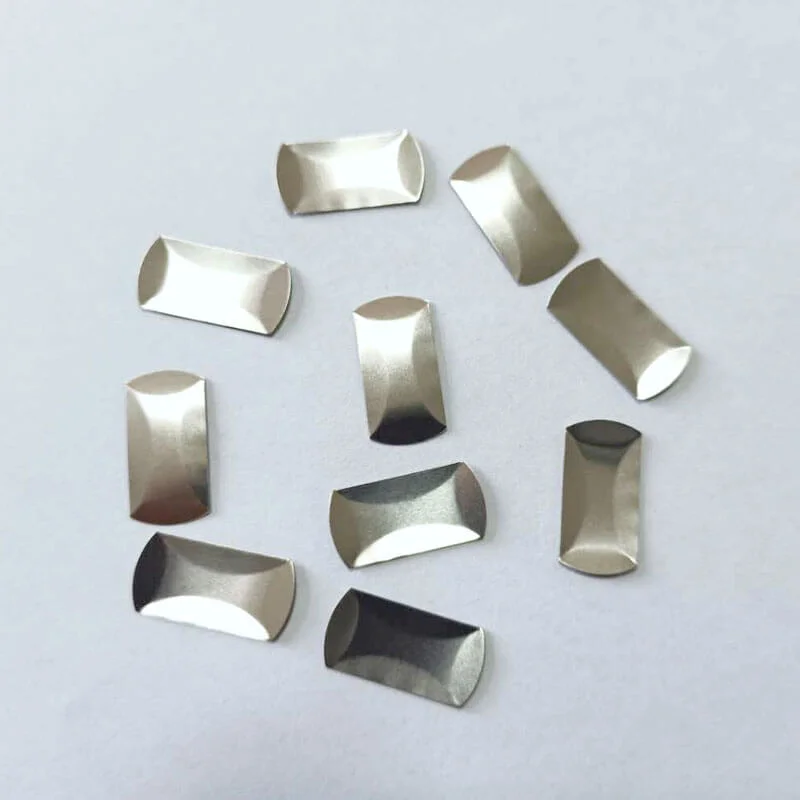
Manufacturers typically rely on several dome shapes.Each design offers a different tactile identity. Four‑leg domes are often recommended when a device needs repeatable feedback across many presses. Round domes excel when space is extremely limited. Triangle domes, which look a bit unusual at first, serve well in thin applications requiring a crisp but short travel response.
Why Metal Domes Continue to Matter in Modern Devices
Even with haptic motors and capacitive surfaces becoming more popular, metal domes maintain an important role. Certain tasks—like confirming a power‑on cycle, resetting a device, or operating side buttons—still rely on mechanical certainty. Some engineering discussions mention that domes reduce accidental activation, especially in outdoor gear or medical devices where users wear gloves.
Another point that appears in industry notes is consistency. Dome performance rarely changes suddenly. Instead, it shifts slowly over long periods, making it easier for designers to anticipate the product’s aging process.
Materials and Surface Treatments
Most metal domes are made from stainless steel, usually 301 or 304 grade. Some suppliers plate the surface with nickel or gold to reduce corrosion, especially for medical or outdoor products. Gold plating, although costlier, tends to improve conductivity stability over time. Stainless steel alone performs well in most cases, but environments with moisture or sweat do benefit from those extra layers.
The Shifting Role of Domes in Future Devices
There is occasional speculation that haptics or soft‑touch sensors might replace mechanical domes entirely. Many new devices launched in 2024 and 2025 still use domes for at least one or two critical input points. Wearable devices in particular seem to prefer them because they keep power consumption low. Capacitive buttons sometimes require more complex firmware, while a metal dome switch remains mechanical and energy efficient.
Conclusions on Metal Domes in Today’s Devices
Metal domes continue to shape how modern electronics feel—quietly, almost invisibly. They support wearable devices, smartphones, remotes, medical tools, and plenty of other products that rely on dependable tactile control. Their role may evolve as materials improve and device designs change, but the fundamental need for precise, low‑power feedback keeps them relevant. Although trends shift and new interface ideas appear, the steady performance of metal domes remains a practical anchor for many product designers.