
Why Metal Dome Switches Still Matter in the EV Era
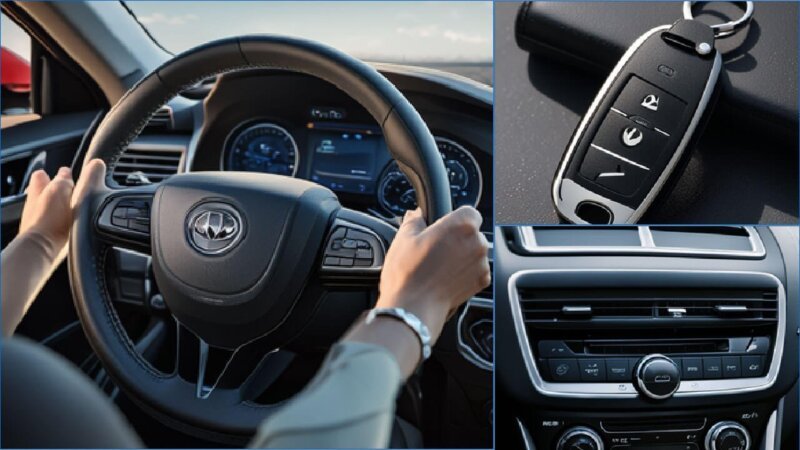
There’s a common assumption floating around that electric vehicles are all about touchscreens and gesture controls. And sure, that’s partly true. But look closer at any EV interior—even the most futuristic ones—and you’ll find physical buttons handling critical functions. Hazard lights, window controls, seat adjustments, steering wheel inputs. These still rely on proven tactile mechanisms, and metal dome switches remain one of the most widely used solutions.
The transition from internal combustion engine vehicles to electric platforms hasn’t eliminated the need for physical controls. It has, however, changed what these components need to deliver. The requirements have shifted in sometimes subtle but important ways.
The Changing Role of Metal Dome Switches in Vehicle Interiors
From Analog Dashboards to Minimalist Cabins
Traditional gas-powered vehicles used metal dome switches extensively. Climate controls, radio buttons, window toggles, cruise control—practically every dashboard function relied on some form of tactile switch mechanism. A mid-range sedan might have 40 to 60 individual button inputs, many using dome-based technology.
Electric vehicles have taken a different design philosophy. Fewer buttons overall, but the ones that remain tend to carry greater importance. A steering wheel in a modern EV might have just 8 to 12 physical buttons, yet each one controls multiple functions through layered menus. That places more pressure on each individual switch to perform reliably across millions of cycles.

Quieter Cabins Demand Better Tactile Feel
Here’s something that doesn’t get discussed enough. Without engine noise to mask ambient sounds, EVs create an environment where every click and buzz becomes noticeable. The tactile feedback from metal dome switches—the characteristic snap when pressed—becomes part of the cabin experience in a way it never really was in gas vehicles.
Manufacturers now pay more attention to the force curves and audible characteristics of each switch. A dome that felt perfectly fine in a rumbling diesel SUV might feel cheap or loud in a whisper-quiet electric sedan. The specifications have gotten more refined, not less.
Technical Adaptations for Electric Vehicle Platforms
Electromagnetic Compatibility Challenges
Electric vehicles run on high-voltage battery systems and powerful inverters that generate electromagnetic interference. This is a genuine engineering concern for any electronic component, including switch modules. Metal dome switches in EV applications often require additional shielding or design modifications to prevent false triggers or signal degradation.
The adaptation typically involves:
Improved grounding pathways in the switch assembly
Modified substrate materials that reduce EMI susceptibility
Enhanced contact resistance specifications
Integration with filtered circuit designs on the PCB level
These aren’t dramatic redesigns—more like careful refinements. The fundamental dome mechanism works the same way, but the surrounding architecture evolves.
Weight and Space Optimization
Every gram counts in an electric vehicle. Battery weight already pushes total vehicle mass higher than comparable gas models, so engineers look for savings wherever possible. Switch assemblies might seem trivial in the bigger picture, but when multiplied across dozens of inputs, the material choices matter.
Thinner substrates, lighter stainless steel alloys, and more compact dome geometries all contribute. Some manufacturers have managed to reduce switch module weight by 15-20% without sacrificing durability or feel.
Comparing Metal Dome Switch Requirements: Gas vs. Electric
| Parameter |
Gas Vehicle Application |
Electric Vehicle Application |
|---|---|---|
Typical Lifecycle |
1-3 million cycles |
3-5 million cycles |
Noise Sensitivity |
Moderate |
High |
EMI Tolerance |
Standard |
Enhanced |
Operating Voltage |
12V systems |
12V auxiliary + HV isolation |
Weight Priority |
Low-moderate |
High |
Temperature Range |
-40°C to 85°C |
-40°C to 105°C (some modules) |
Haptic Precision |
Standard specification |
Tighter force curve tolerance |
New Use Cases Unique to Electric Vehicles
Charging and Battery Controls
Every gram counts in an electric vehicle. Battery weight already pushes total vehicle mass higher than comparable gas models, so engineers look for savings wherever possible. Switch assemblies might seem trivial in the bigger picture, but when multiplied across dozens of inputs, the material choices matter. For metal dome switches in automotive applications, those choices directly affect both weight and tactile feedback.
Thinner substrates, lighter stainless steel alloys, and more compact dome geometries all contribute. Some manufacturers have managed to reduce switch module weight by 15-20% without sacrificing durability or feel.
Drive Mode and Energy Management
While gas vehicles had sport and eco modes, EVs often provide more granular control over energy usage. Some models feature:
Regenerative braking level selectors
Battery pre-conditioning toggles
Range optimization mode switches
Charging schedule controls
Power distribution management buttons
Each of these functions benefits from physical buttons that provide unmistakable confirmation of input. You don’t want ambiguity when adjusting how your vehicle manages its energy—especially not while driving.
The Future Outlook for Dome-Based Tactile Switches
There’s been speculation (some of it quite loud) about the death of physical buttons in cars. But the pendulum seems to be swinging back. Several major automakers have actually reintroduced physical controls in their latest models after customer complaints about over-reliance on touchscreens.
Euro NCAP, the European safety testing body, even started penalizing vehicles that bury essential controls in touchscreen menus starting in 2026. This regulatory pressure reinforces the relevance of tactile switch technology going forward.
Metal dome switches are positioned well for this shift. They offer a proven, cost-effective, and highly reliable solution that works across both traditional and electric platforms. The technology adapts rather than becomes obsolete.
FAQ
Do electric vehicles use fewer metal dome switches than gas vehicles?
Generally yes—EVs tend to have fewer physical buttons overall due to touchscreen integration. However, the switches that remain often face higher performance demands, including longer lifecycle requirements and tighter tactile specifications. So while quantity may decrease, quality expectations increase.
Can metal dome switches handle the higher voltages found in electric vehicles?
Metal dome switches typically operate on the 12V auxiliary circuit, not the high-voltage battery system. They don’t directly interact with the high-voltage architecture. That said, EMI from the HV system can affect switch performance, which is why enhanced electromagnetic compatibility measures are often incorporated into EV switch designs.
Are there specific metal dome switch designs created exclusively for EVs?
Not exclusively, but certain configurations have emerged primarily for EV applications. Charge port release buttons, regenerative braking selectors, and battery management controls all represent use cases that are unique to electric vehicles. The underlying dome technology is similar, but the assemblies are purpose-built for these newer functions.