
The Working Principle Behind a Metal Dome Array
Ever wondered what creates that satisfying click when pressing buttons on a remote control or keyboard? In many cases, a metal dome array is responsible for that tactile sensation. This technology has been around for decades, yet it continues serving as a go-to solution for countless electronic applications.
Understanding how these components function helps explain why manufacturers still prefer them over newer alternatives. The mechanism is elegantly simple, which partially accounts for its enduring popularity.
At its core, a metal dome array operates as a collection of momentary switches. Each dome acts independently, responding to pressure by collapsing and making electrical contact. When pressure releases, the dome returns to its original convex shape. That’s the basic idea, anyway. The details get more interesting.
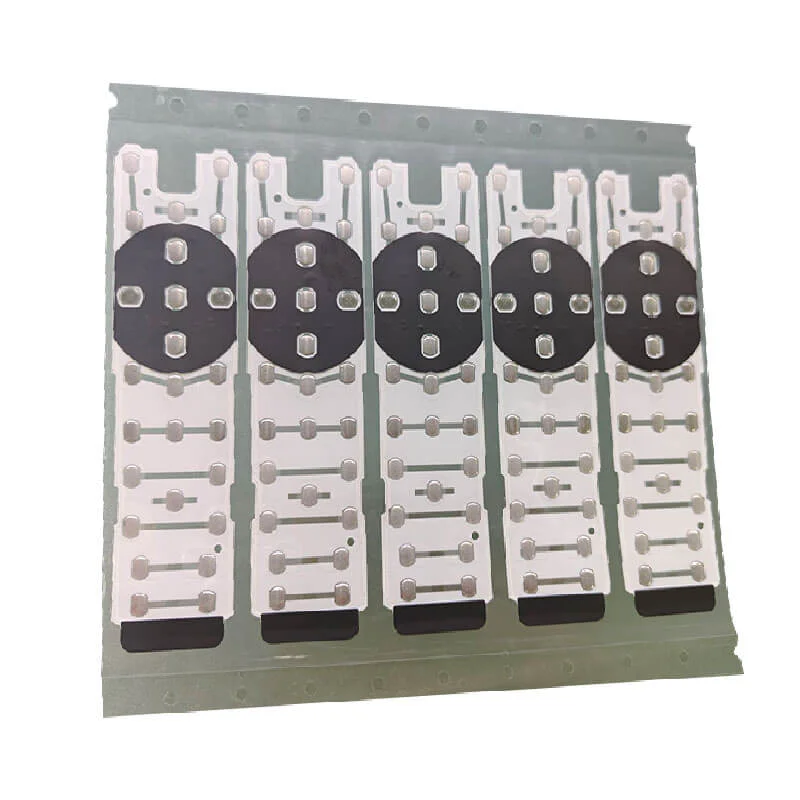
Key Components of a Metal Dome Array System
Before diving into the actual working mechanism, it helps to understand what pieces make up the complete assembly.
The Metal Domes Themselves
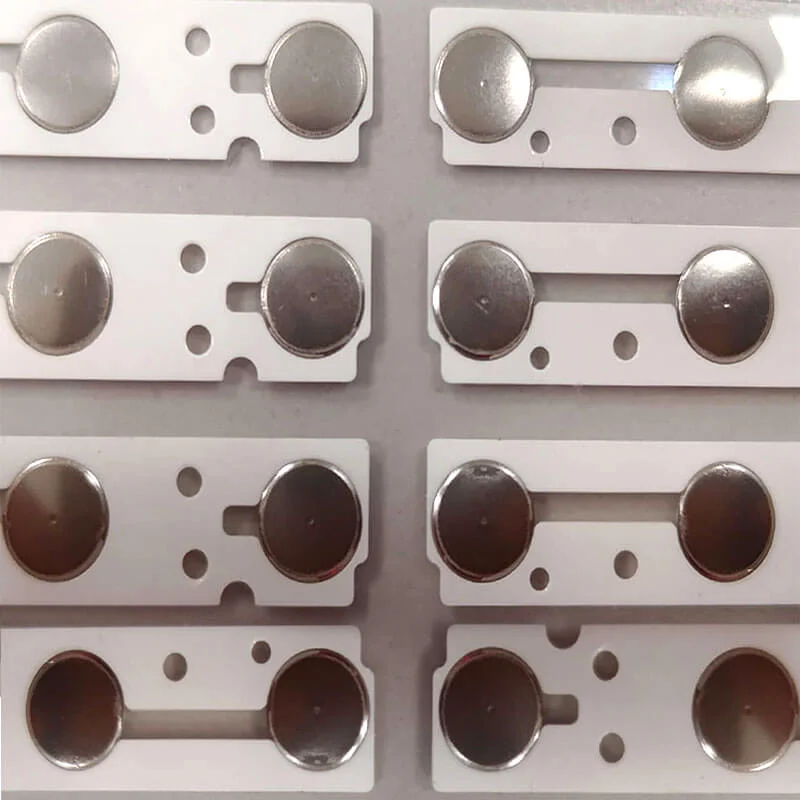
These small, curved pieces of stainless steel form the heart of the system. Most domes measure between 4mm and 12mm in diameter, though custom sizes exist for specific applications. The steel is typically 0.05mm to 0.1mm thick—thin enough to flex easily but durable enough to withstand millions of cycles.
Different dome shapes serve different purposes:
- Four-leg domes offer balanced tactile response
- Triangle domes fit tighter spaces
- Oblong domes work for elongated button designs
- Round domes provide consistent feel across applications
Carrier Layer and Adhesive
The domes don’t just float around loosely. A polyester film holds everything in precise alignment. This carrier layer includes adhesive on one side for mounting to circuit boards. Small pockets or cutouts position each dome exactly where it needs to sit.
Circuit Board Interface
Beneath the array sits the PCB with printed contact pads. Each dome aligns over a specific contact point. The spacing and positioning must match perfectly—even small misalignments cause problems with actuation consistency.
Step-by-Step: How a Metal Dome Array Registers Input
The actual switching mechanism follows a predictable sequence, though it happens so quickly that users never consciously notice the individual stages.
Resting State
In its normal position, the dome maintains a convex shape. An air gap separates the center of the dome from the contact pad below. No electrical connection exists. The circuit remains open.
Force Application
When someone presses the overlay surface above a dome, force transfers downward. Initially, the dome resists slightly. It doesn’t collapse immediately—there’s a buildup phase where the metal flexes without fully inverting.
The Snap Point
Here’s where things get interesting. Once applied force exceeds the dome’s snap threshold, the shape inverts suddenly. This rapid transition from convex to concave creates the tactile “click” feedback. The center of the dome now contacts the PCB pad, closing the electrical circuit.
| Phase | Dome State | Circuit Status | User Perception |
|---|---|---|---|
| Resting | Convex | Open | No sensation |
| Pre-snap | Flexing | Open | Slight resistance |
| Snap | Inverting | Closing | Tactile click |
| Bottomed out | Concave | Closed | Solid feel |
| Release | Returning | Opening | Light click |
Signal Registration
With the circuit closed, current flows through the contact point. The connected controller or processor detects this change and registers the input. Response time is essentially instantaneous—certainly faster than human perception can distinguish.
Return to Rest
Remove the pressure, and stored mechanical energy in the deformed steel causes the dome to snap back. Another small tactile sensation accompanies this return. The circuit opens again, ready for the next press.
Why the Metal Dome Array Mechanism Matters
The snap-action behavior distinguishes metal dome arrays from simple membrane switches. That distinct feedback point tells users their input registered successfully. Without it, people tend to press harder than necessary or feel uncertain about whether the device received their command.
From an engineering standpoint, several characteristics make this mechanism valuable:
- Consistent actuation force across production batches
- Defined travel distance for predictable feel
- Clear tactile and sometimes audible confirmation
- Self-cleaning action as dome contacts wipe across pads
- No power consumption in the resting state
Factors Affecting Metal Dome Array Performance
Not every metal dome array performs identically. Several variables influence how the mechanism behaves in practice.
Dome Geometry
Height, diameter, and leg configuration all affect snap ratio and force curves. Taller domes generally provide more pronounced tactile feedback. Wider domes require more force but feel more substantial when actuated.
Dome Sheets and LGF Compatibility
Operating Environment
Temperature extremes alter metal behavior. Cold conditions make steel stiffer, increasing actuation force. Heat softens the material slightly. Humidity introduces corrosion risks if protective measures aren’t adequate.
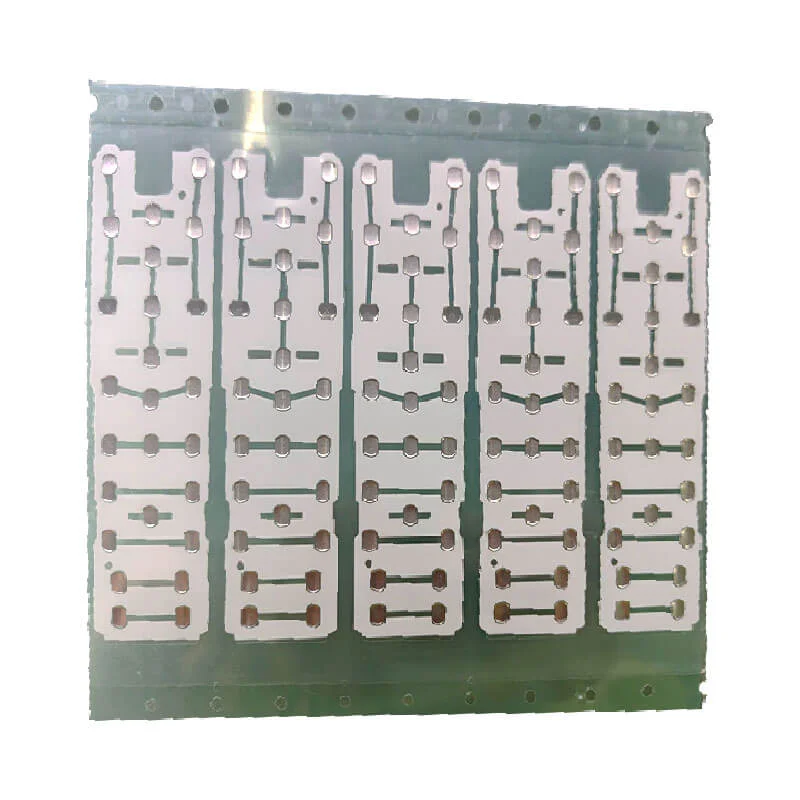
Wrapping Up the Metal Dome Array Mechanism
The working principle behind a metal dome array combines simple physics with practical engineering. That snap-action behavior—the sudden inversion under pressure followed by spring-back upon release—delivers reliable tactile feedback at reasonable cost. For many applications, this straightforward mechanism still outperforms more complex alternatives. If you want to know more about metal dome array, please read about What Is a Metal Dome Array.
FAQ
Why does a metal dome array provide tactile feedback?
The tactile sensation comes from the sudden snap-action when the dome inverts under pressure. This rapid transition from convex to concave shape creates a distinct feeling that users perceive as a click, confirming successful actuation.
How long does a metal dome array last with regular use?
Quality metal dome arrays typically endure between 1 million and 5 million actuations. Lifespan depends on operating conditions, actuation force, and material specifications. Some industrial-grade versions last even longer under controlled environments.
Can metal dome arrays fail to register presses?
Yes, failures can occur from contamination on contact surfaces, metal fatigue after excessive cycling, or misalignment between domes and PCB contacts. Proper design and quality manufacturing minimize these risks significantly.