
Press a TV remote button. Feel that satisfying click? That’s probably a dome switch doing its job. These simple components appear everywhere — keyboards, automotive controls, medical devices, industrial panels — yet most people never think about what happens beneath their fingertips.
The basic concept seems almost too simple. A small curved piece of metal snaps between two stable positions when pressed. But that simplicity hides clever engineering. The geometry, materials, and forces involved create reliable switching action across millions of cycles. Understanding how a dome switch actually functions reveals why this decades-old technology remains dominant in tactile interface applications.
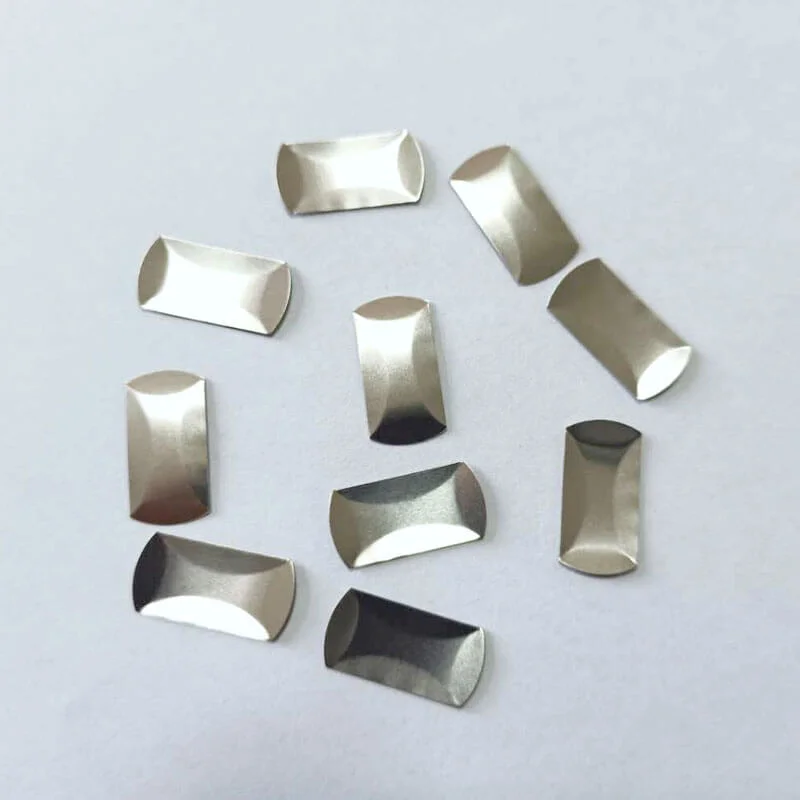
Basic Dome Switch Mechanics Explained
At heart, a dome switch is a momentary contact mechanism. Press it, circuit closes. Release it, circuit opens. The magic lies in how that happens.
The Snap Action Principle
A metal dome — typically stainless steel — sits in a convex position over electrical contacts on a circuit board. When finger pressure (or any actuating force) pushes down on the dome center, the structure initially resists. Force builds. Then suddenly, the dome inverts with a distinct snap, collapsing to a concave shape. This inversion brings the dome’s center into contact with the center pad below, completing an electrical circuit.
Release the pressure and the dome springs back to its original convex shape, breaking the circuit. The transition between states feels crisp — that tactile “click” users associate with quality buttons.
Why Domes Create Good Tactile Feedback
The snap action generates clear physical feedback through several mechanisms:
- Distinct force threshold before actuation (operating force)
- Sudden force drop during snap-through
- Audible click from rapid metal deformation
- Different feel between pre-snap and post-snap states
This feedback tells users their input registered without requiring visual confirmation. It’s why dome switches remain popular despite touchscreen proliferation. Humans like knowing their button press actually did something.
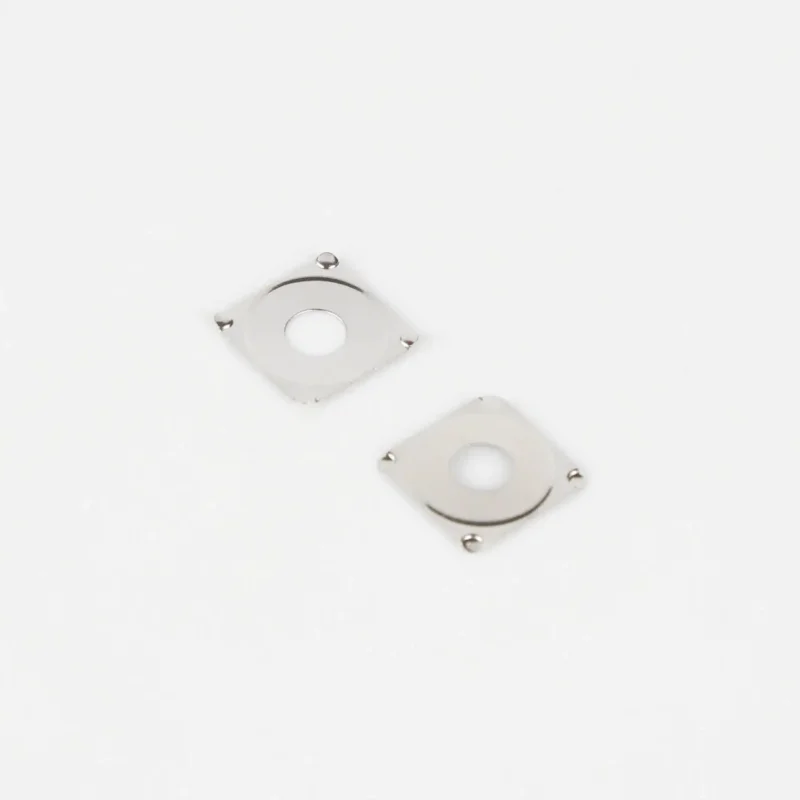
Components Inside a Dome Switch Assembly
Essential Elements
| Component | Function | Typical Materials |
|---|---|---|
| Metal dome | Provides snap action and electrical bridging | Stainless steel (301, 304 grades) |
| Circuit board | Contains contact pads and traces | FR4, FPC, or PET membrane |
| Center contact | Target for dome to touch when actuated | Gold, silver, or carbon ink |
| Outer contacts | Connect to dome in rest position | Same as center contact |
| Adhesive carrier | Holds domes in position over contacts | Polyester film with acrylic adhesive |
| Overlay (optional) | User-facing graphic layer | Polycarbonate, polyester, or silicone |
The adhesive carrier — often called a dome sheet or dome array — keeps multiple domes precisely aligned with their corresponding contact pads. This arrangement simplifies assembly compared to placing individual domes.
Dome Geometries
Not all domes are created equal. Variations in shape affect performance characteristics:
- Round domes — most common, good all-around performance
- Oblong/oval domes — fit constrained spaces, directional feel possible
- Four-leg domes — enhanced stability, consistent actuation
- Cross-leg domes — balanced support, reduced rocking
Diameter typically ranges from 4mm to 20mm. Smaller domes require higher precision in placement. Larger domes can feel less crisp due to geometric effects.
Electrical Operation of a Dome Switch
Contact Configuration
Most dome switches operate as normally-open momentary contacts. The dome itself serves as the moving contact element. In rest state, the dome touches only the outer contact ring (or sometimes floats above all contacts). When inverted, the dome’s center touches the center pad while maintaining outer ring contact, bridging the circuit.
This configuration means:
- No current flows until actuation occurs
- Contact happens only during active pressing
- Circuit opens automatically upon release
- No latching mechanism — purely momentary operation
Some applications require normally-closed operation, but these need different switch technologies. The dome switch architecture inherently suits momentary normally-open applications.
Contact Reliability Factors
Making reliable electrical contact sounds simple but involves several considerations:
- Contact force during dome inversion (typically 50-200 grams depending on dome)
- Contact surface materials and their resistance to oxidation
- Wiping action during make/break cycles (self-cleaning effect)
- Environmental contamination protection
- Current and voltage limitations of the contact interface
A dome switch carries relatively low current — usually signal levels rather than power switching. Contact ratings might specify 10-50mA at 12-24VDC for typical applications. Exceeding these limits accelerates contact degradation.
Applications Where Dome Switch Technology Excels
The combination of tactile feedback, reliability, and low cost makes dome switches suitable for numerous applications:
- Remote controls and consumer electronics
- Automotive interior controls (steering wheel buttons, climate controls)
- Medical device interfaces
- Industrial control panels
- Telecommunications equipment
- Computer peripherals and keyboards
- Appliance control panels
- Security system keypads
Environments requiring gloved operation often favor dome switches since the tactile feedback confirms actuation even without direct finger contact. If you want to know more about dome switch, please read What is a dome switch.

FAQ
How long does a dome switch typically last?
Most quality dome switches rate for 1 million to 5 million actuation cycles. Some premium designs claim higher figures. Actual lifespan depends heavily on operating conditions — contamination, temperature extremes, and actuation force all influence longevity. In typical consumer applications, dome switches often outlive the products they’re installed in. Industrial applications with high-frequency use may approach rated limits within equipment service life.
What causes dome switches to fail?
Common failure modes include contact contamination reducing electrical reliability, metal fatigue from excessive cycles or overstress, corrosion from environmental exposure, and adhesive degradation allowing dome displacement. Sometimes failures trace to assembly issues — misalignment causing partial contact or mechanical interference preventing full actuation. Properly designed and assembled dome switches rarely fail from inherent weaknesses.
Can dome switches be used outdoors?
With appropriate environmental protection, yes. The dome switch itself needs shielding from moisture, dust, and temperature extremes. Sealed membrane overlays, gaskets, and conformal coatings extend usability into harsh environments. Automotive applications routinely use dome switches in interior controls that experience temperature cycling and occasional moisture exposure. Fully exposed outdoor installations typically require additional enclosure-level protection beyond the switch assembly itself.