Why Plating Matters on a Snap Dome
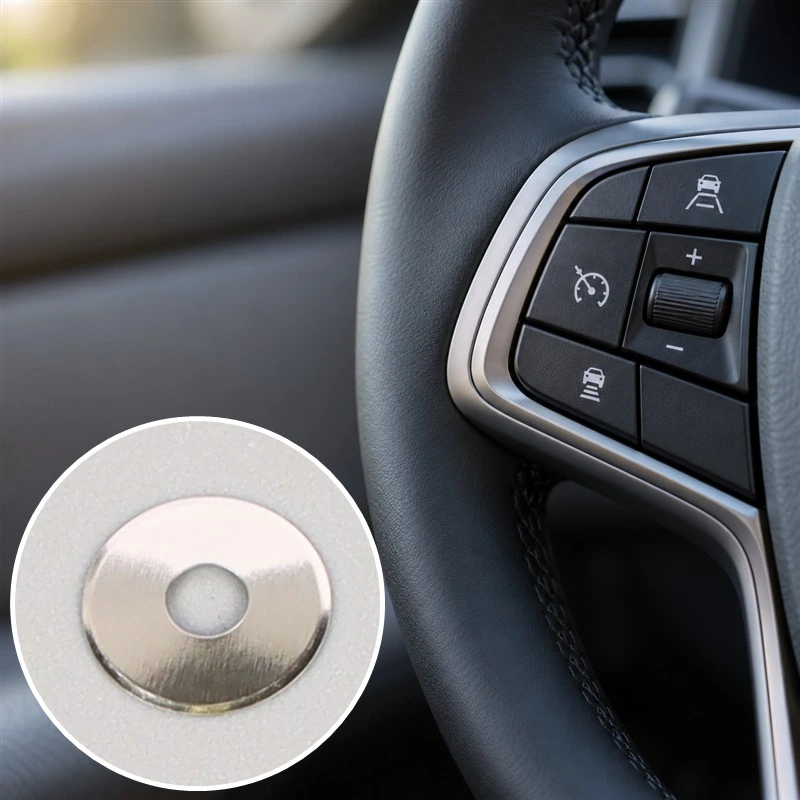
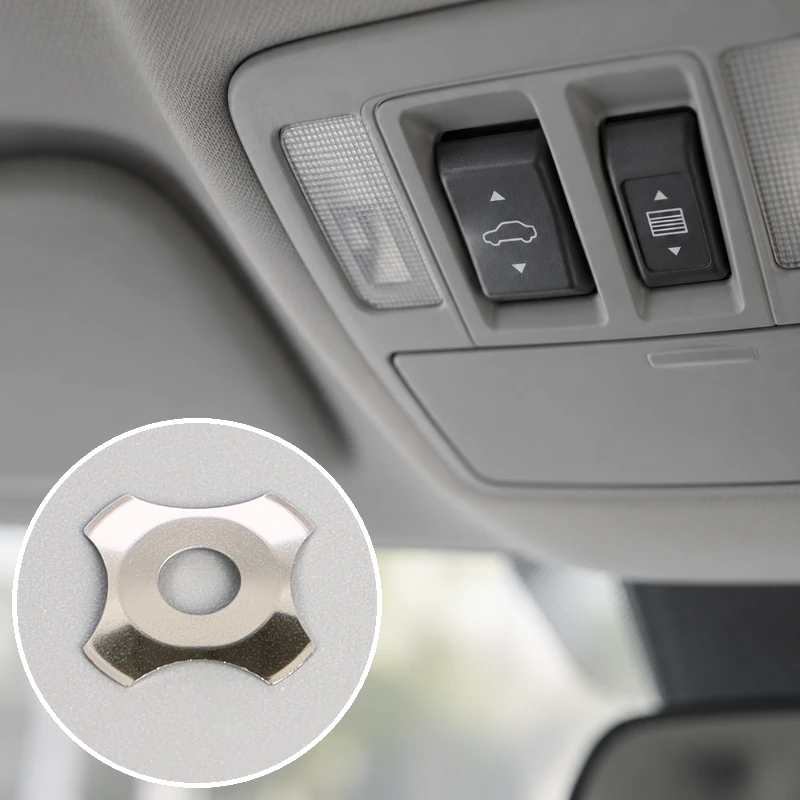
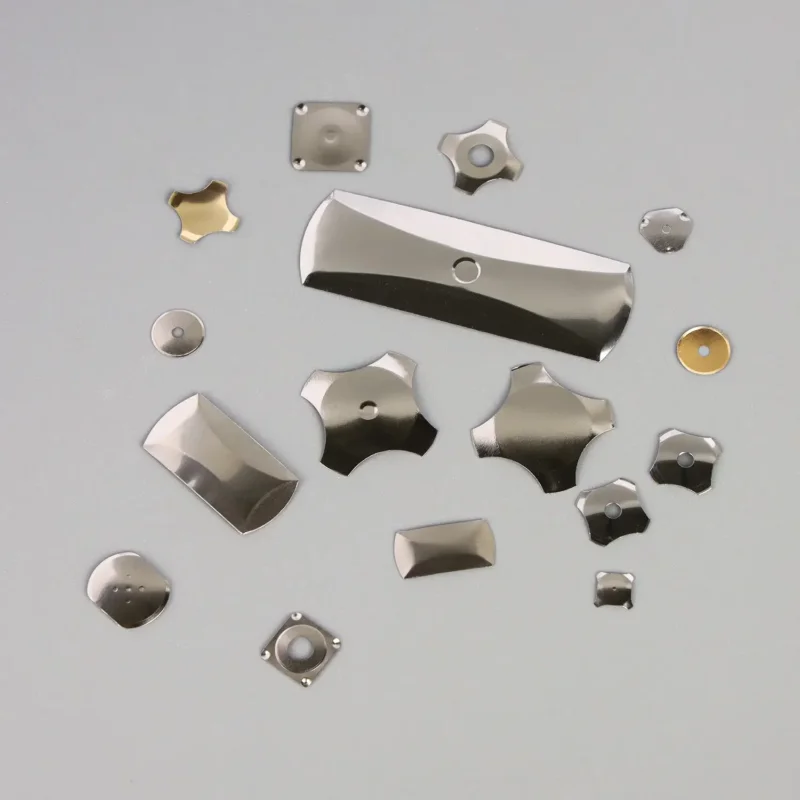
A snap dome is a small, dome-shaped metal disc that serves as a tactile switch component in countless electronic devices. Press it down, it collapses, makes contact with the circuit beneath, and springs back when released. Simple enough. But what often gets overlooked — especially early in the design process — is the surface plating applied to that dome.
The plating material directly affects how well the snap dome conducts electricity, how it resists corrosion over time, and ultimately, how much it costs. Gold and nickel are the two most common plating choices, and each brings a different set of trade-offs to the table. Choosing between them isn’t always straightforward, and the “right” answer depends quite a bit on the application context.
This is one of those decisions that seems minor but can ripple through product performance and budget in ways that catch people off guard.
Understanding Contact Resistance in a Snap Dome
Contact resistance is, put simply, the resistance encountered at the point where two conductive surfaces meet. In the case of a snap dome, that’s where the underside of the dome touches the PCB contact pad during actuation.
Why Contact Resistance Matters
Low contact resistance means cleaner, more reliable signal transmission. High or inconsistent contact resistance can lead to:
Signal degradation or intermittent connections
Increased heat generation at the contact point
Reduced accuracy in sensitive electronic circuits
Premature failure of the switch over its lifecycle
For applications like medical devices, aerospace controls, or precision instruments, even small increases in contact resistance can be problematic. For a TV remote? Probably less critical. Context is everything here.
How Plating Affects Contact Resistance
The plating material forms the outermost layer of the snap dome — the part that physically touches the circuit. Different metals have different inherent resistivity levels, oxidation tendencies, and surface hardness characteristics, all of which influence how the contact behaves over thousands or millions of actuations.
Gold, being a noble metal, resists oxidation almost entirely. Nickel, while reasonably durable, does form an oxide layer over time. That oxide layer is essentially what causes contact resistance to creep upward as the component ages.
Gold Plating on a Snap Dome
Advantages of Gold Plating
Extremely low and stable contact resistance over time.
Outstanding corrosion resistance — gold doesn’t oxidize under normal conditions.
Excellent conductivity, making it ideal for low-voltage, low-current circuits.
Well-suited for applications demanding high reliability and long service life.
Drawbacks of Gold Plating
Significantly higher material cost compared to nickel.
Softer surface, which can wear faster under high-force or high-frequency actuation.
May be unnecessarily expensive for non-critical applications.
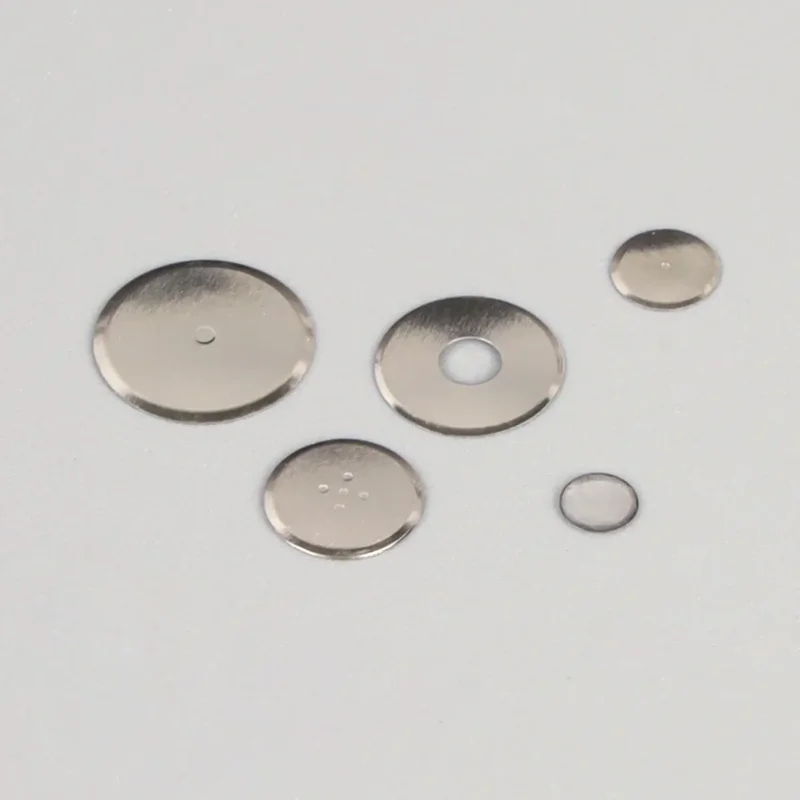
Gold-plated snap dome components, including precision round snap dome variants, tend to show up in medical equipment, military systems, and telecommunications hardware — environments where failure isn’t really an option and the budget can accommodate the premium.
Gold vs. Nickel Plating on Snap Dome: A Direct Comparison
| Parameter |
Gold Plating
|
Nickel Plating
|
|---|---|---|
|
Initial Contact Resistance
|
Very low (typically < 50 mΩ)
|
Low to moderate (50–150 mΩ)
|
|
Resistance Stability Over Time
|
Excellent
|
Moderate — increases with oxidation
|
|
Corrosion Resistance
|
Outstanding
|
Good for standard environments
|
|
Surface Hardness
|
Softer
|
Harder
|
|
Cost
|
High
|
Low
|
|
Typical Plating Thickness
|
0.05–0.76 µm (flash to heavy)
|
1.0–5.0 µm
|
|
Best Suited For
|
Medical, military, telecom
|
Consumer electronics, appliances
|
One thing worth noting: some manufacturers use a nickel underplate beneath a thin gold layer. This combination leverages nickel’s hardness as a barrier while still providing gold’s superior contact properties on the surface. It’s a compromise that works well in many mid-range applications, though it adds a step (and some cost) to the plating process.
How to Choose the Right Snap Dome Plating
The decision really comes down to a handful of practical considerations:
Application criticality — Will a signal failure cause inconvenience or danger? High-stakes environments justify gold.
Operating environment — Humidity, chemicals, and temperature extremes favor gold’s corrosion resistance. Controlled indoor settings are fine for nickel.
Circuit specifications — Low-voltage, low-current designs are more sensitive to contact resistance changes, pushing toward gold.
Production volume and budget — Large-scale consumer products almost always lean toward nickel to keep unit costs manageable.
Expected product lifespan — A device designed to last 10+ years in the field benefits from gold’s long-term stability.
There’s no universal answer. Plenty of engineers default to nickel plating and never encounter issues, while others wouldn’t dream of specifying anything less than gold for their particular use case. Both approaches are valid — it just depends on what the product demands.
FAQ
Does gold plating make a snap dome last longer?
Gold plating doesn’t necessarily extend the mechanical lifespan of the snap dome itself — the number of actuations before metal fatigue is mostly determined by the dome’s base material and geometry. However, gold plating does preserve the electrical performance over a longer period by preventing oxide buildup on the contact surface. So in terms of signal reliability, yes, gold-plated domes tend to maintain consistent performance for more of their mechanical life.
Can nickel-plated snap dome components be used in outdoor applications?
They can, but with caveats. Nickel offers decent corrosion protection in mild conditions, but prolonged exposure to moisture, salt air, or industrial chemicals will accelerate oxidation and degrade contact performance. For outdoor or harsh-environment use, gold plating — or at minimum a nickel-gold combination — is generally the safer bet. Proper sealing of the overall keypad assembly also plays a big role here.
Is the cost difference between gold and nickel plating significant?
It can be, especially at scale. Gold is a precious metal, and even thin flash gold plating adds measurable cost per unit. For a production run of millions of snap dome components, the price difference between gold and nickel plating can amount to a substantial portion of the total bill of materials. For small batches or high-value products, the per-unit impact is less dramatic and often justified by performance requirements.