
Why Selecting the Right Membrane Switch Manufacturer Matters
Finding a reliable membrane switch manufacturer feels overwhelming at first. Dozens of companies claim expertise, competitive pricing, and superior quality. But dig deeper and significant differences emerge between suppliers that affect project outcomes considerably.
The wrong choice creates problems extending far beyond initial procurement. Quality issues surface months after installation. Communication breakdowns delay product launches. Support disappears when technical questions arise. These headaches compound costs in ways that initial quotes never captured.
A thoughtful selection process upfront prevents most of these scenarios. Taking time to evaluate potential partners properly pays dividends throughout the entire business relationship.
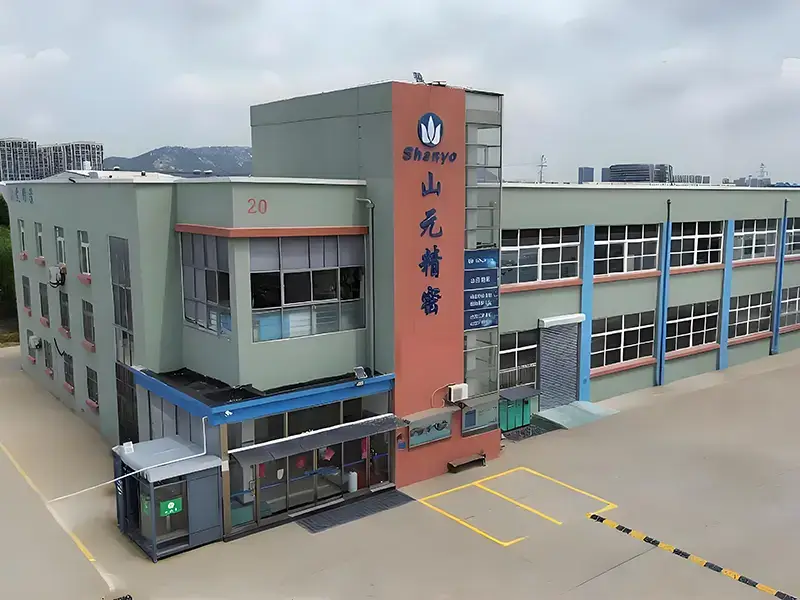
Key Factors When Evaluating a Membrane Switch Manufacturer
Manufacturing Experience and Industry Focus
Years in business tell part of the story, but not everything. A membrane switch manufacturer operating for decades might still lack experience with specific applications or industries. Relevant expertise matters more than general longevity.
Consider these experience indicators:
- Portfolio examples matching your application type
- Familiarity with your industry’s regulatory requirements
- Engineering staff who understand similar technical challenges
- Previous work with comparable production volumes
- References from companies in related fields
Medical device companies need partners understanding FDA compliance documentation. Automotive suppliers require IATF 16949 certification familiarity. Industrial equipment makers want manufacturers experienced with harsh environment specifications. General membrane switch experience helps, but targeted expertise accelerates projects significantly.
Sistemas de calidad y certificaciones
Certifications provide baseline assurance about manufacturing discipline. ISO 9001 represents minimum expectations these days. Additional certifications indicate deeper commitments to quality management.
| Certificación | What It Indicates |
|---|---|
| ISO 9001 | Basic quality management systems |
| ISO 13485 | Medical device quality standards |
| IATF 16949 | Automotive industry requirements |
| ISO 14001 | Environmental management practices |
| Reconocimiento UL | Safety component compliance |
Beyond certifications, ask about internal quality processes. Incoming material inspection procedures, in-process testing protocols, and final inspection criteria all affect what ships to customers. A membrane switch manufacturer with rigorous internal standards catches problems before they become your problems.
Request defect rate data if possible. Companies proud of their quality typically share this information willingly. Hesitation might signal numbers they’d rather not discuss.
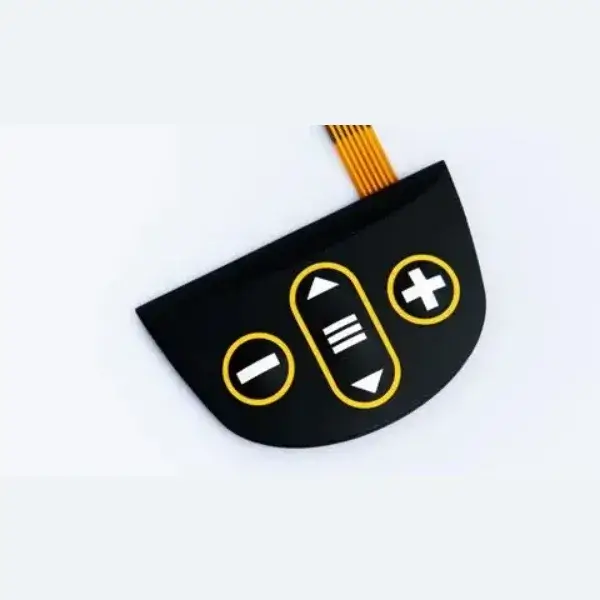
Design and Engineering Support
Some buyers arrive with complete designs ready for production. Others need substantial engineering assistance translating concepts into manufacturable products. Understanding what support levels exist helps match expectations appropriately.
Valuable engineering services include:
- Design for manufacturability reviews
- Material selection guidance
- Prototype development and testing
- Tolerance analysis and recommendations
- Cost optimization suggestions
The best membrane switch manufacturer partners catch design issues early when changes cost little. Discovering problems during production tooling or initial runs gets expensive quickly. Proactive engineering engagement prevents most such situations.
Communication quality during initial discussions hints at ongoing support levels. Responsive, knowledgeable contacts suggest an organization valuing customer relationships beyond simple transactions.
Production Capabilities and Capacity
Matching manufacturer capabilities with project requirements seems obvious but gets overlooked sometimes. A company excelling at prototype quantities might struggle with high-volume production. Conversely, manufacturers optimized for mass production often show little interest in small runs.
Evaluate these capability aspects:
Minimum and maximum order quantities
Typical lead times for various volumes
Equipment lists and technology generations
Capacity availability and scheduling flexibility
Secondary operations offered in-house
Vertical integration affects both cost and control. A membrane switch in consumer applications handling printing, die cutting, circuit production, and assembly internally maintains tighter process control than one outsourcing multiple operations. Supply chain complexity introduces variability that integrated facilities avoid.
Geographic considerations matter too. Domestic manufacturers typically offer faster communication and shorter shipping times. Offshore options often provide cost advantages but introduce language barriers, time zone challenges, and longer logistics chains.
Evaluating Membrane Switch Manufacturer Pricing
Understanding Total Cost
Initial quotes rarely capture complete costs. Tooling charges, setup fees, shipping expenses, and minimum order requirements all affect true per-unit economics.
Smart evaluation considers:
- Tooling amortization across expected volumes
- Quantity price breaks and thresholds
- Payment terms and their cash flow implications
- Shipping costs including customs duties if applicable
- Quality failure costs based on historical defect rates
The lowest quoted price sometimes becomes most expensive overall. A membrane switch manufacturer charging slightly more but delivering superior quality and support often provides better value. Warranty returns, production delays, and customer complaints carry real costs that cheap components frequently generate.
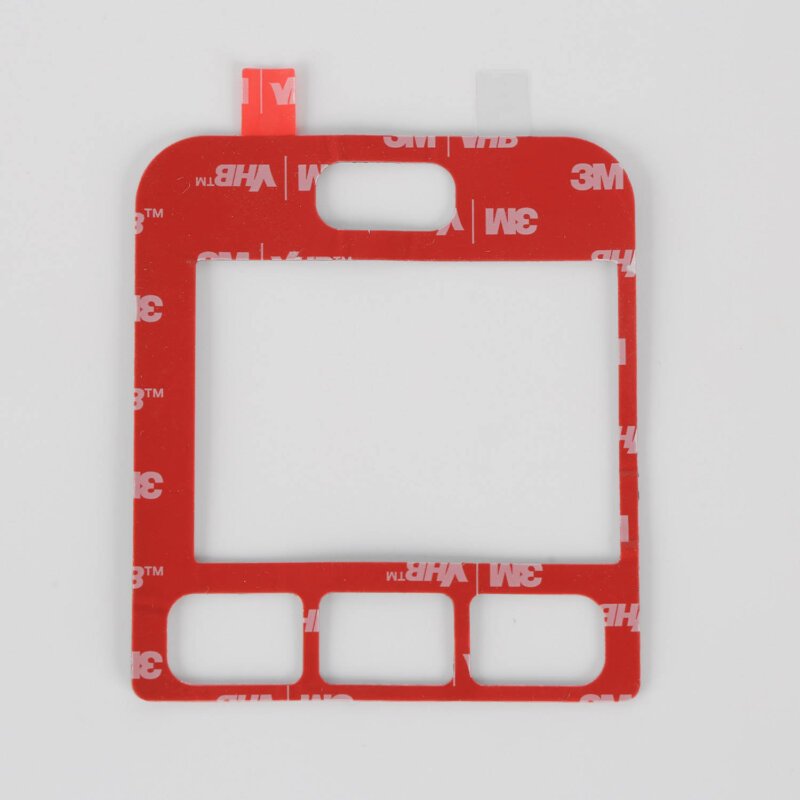
Getting Comparable Quotes
Requesting quotes requires providing identical specifications to each potential supplier. Vague requirements produce incomparable responses as manufacturers make different assumptions filling gaps.
Complete quote requests include:
- Detailed drawings with dimensions and tolerances
- Material specifications or performance requirements
- Quantity scenarios covering expected range
- Quality documentation expectations
- Delivery timeline requirements
Significant price variations between qualified manufacturers warrant investigation. Either specifications got interpreted differently or genuine cost structure differences exist worth understanding before deciding.
Building Long-Term Manufacturer Relationships
Trial Orders and Qualification
Starting with smaller trial orders before committing to large volumes makes sense when practical. Observing how a membrane switch manufacturer handles initial business reveals much about ongoing partnership potential.
Watch for communication responsiveness throughout the trial. Note how problems get addressed if any arise. Evaluate documentation quality and completeness. These indicators predict future experiences reasonably well.
Ongoing Partnership Expectations
The best manufacturer relationships evolve beyond simple vendor transactions. Regular business reviews, continuous improvement discussions, and proactive communication about material changes or production issues characterize strong partnerships.
Setting these expectations early establishes appropriate relationship foundations. Some manufacturers embrace collaborative approaches enthusiastically while others prefer transactional models. Neither works universally best, but alignment between buyer expectations and supplier style matters considerably.
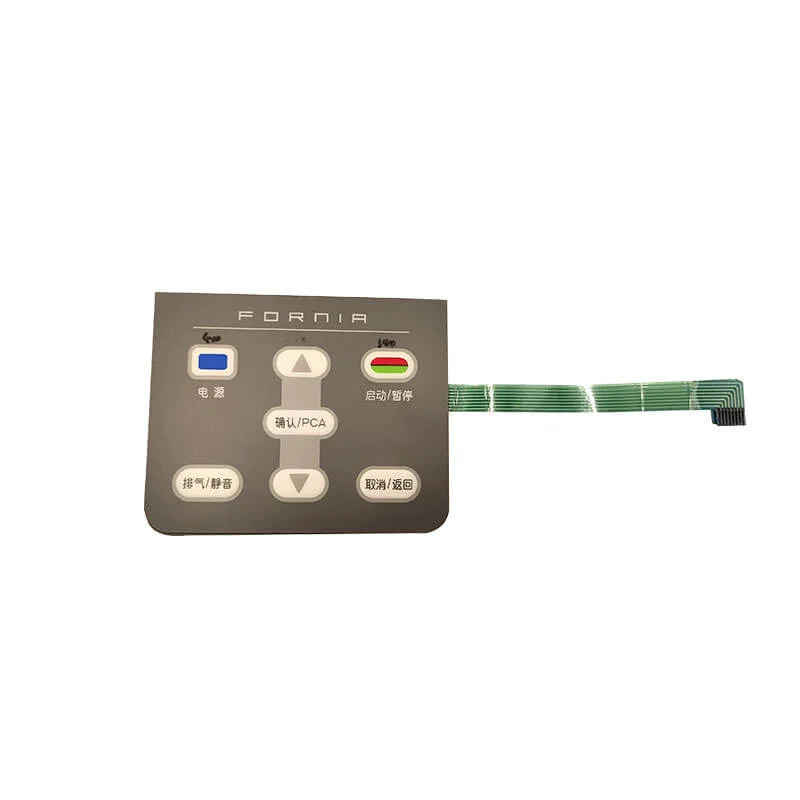
Making the Final Decision
Choosing a membrane switch manufacturer ultimately involves balancing multiple factors against specific project priorities. Perfect options rarely exist, so identifying which compromises prove acceptable becomes the practical challenge.
Document evaluation criteria and scoring before making decisions. This discipline prevents emotional factors from overriding logical analysis and provides justification records if choices get questioned later.
PREGUNTAS FRECUENTES
How many manufacturers should be evaluated initially?
Starting with three to five candidates typically provides sufficient comparison without becoming unmanageable. Narrowing to two or three for detailed evaluation and quoting works well for most projects. Single-sourcing decisions deserve extra scrutiny given the dependency they create.
Should price be the primary selection factor?
Rarely. Price matters obviously, but quality consistency, engineering support, and communication reliability often impact total costs more significantly than unit pricing differences. Focusing exclusively on lowest quotes frequently leads to disappointing outcomes.
How important are facility visits before selecting a manufacturer?
Facility visits provide insights impossible to gain otherwise, particularly for significant ongoing business relationships. Seeing production floors, meeting engineering staff, and observing quality processes firsthand builds confidence that phone calls and emails cannot replicate. For smaller projects, virtual tours or detailed capability presentations may suffice.