
What Is Metal Dome and Why Does It Matter?
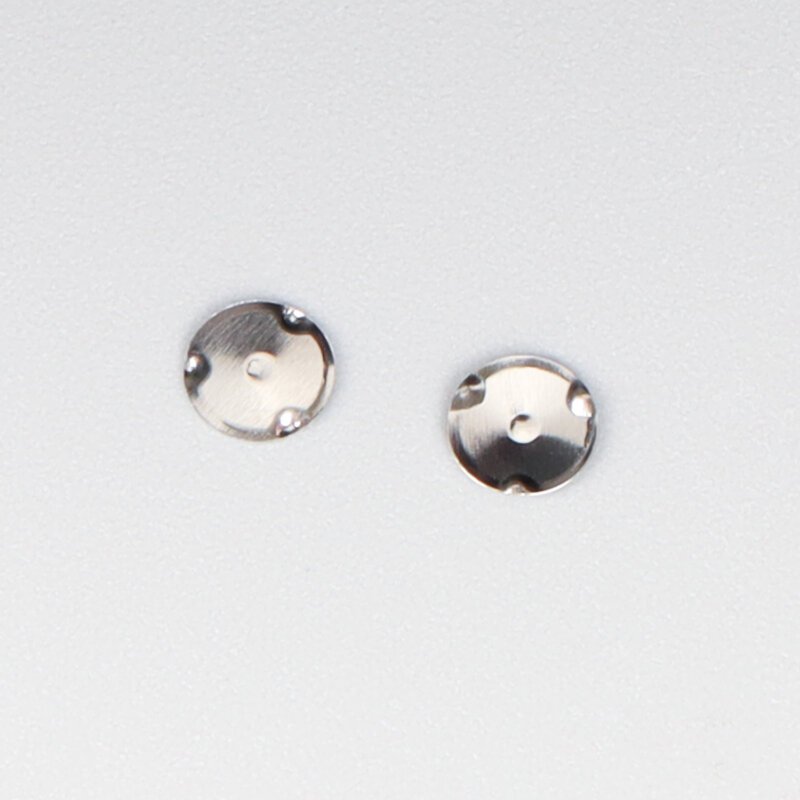
Metal dome refers to a specific type of tactile switch component shaped like a small dome or half-sphere. These tiny pieces of formed metal serve as the heart of countless buttons and keypads found in electronics everywhere. Press a TV remote, punch numbers on a microwave, or tap buttons on a calculator—chances are a metal dome component is creating that satisfying click feedback.
How Metal Dome Switches Actually Work
Understanding the mechanics reveals why these components perform so consistently. The dome shape is critical—it’s not arbitrary styling but functional engineering.
The Physics Behind the Click
A metal dome switch operates on the principle of buckling. The domed shape creates an inherently unstable structure when force is applied to its center. As pressure increases, the dome resists initially. Then, at a specific force threshold, it suddenly buckles inward. This buckling creates the characteristic snap or click.
The sequence unfolds like this:
- Finger or actuator applies downward force to dome center
- Metal dome flexes slightly, resisting deformation
- Force reaches the critical buckling point
- Dome rapidly inverts with audible and tactile snap
- Center of dome contacts the circuit board, completing electrical connection
- Force removed allows dome to snap back to original shape
- Electrical contact breaks, circuit opens
That snap-through behavior is what engineers call bistable action—though technically metal dome is monostable since it returns to one preferred state. Either way, the rapid transition minimizes contact bounce and provides clear actuation feedback.
Contact Mechanism Details
The electrical side of metal dome operation is straightforward. Typically, the dome sits over a gap between two conductive traces on a PCB or membrane circuit. In its relaxed state, the dome doesn’t bridge this gap. When collapsed, the dome’s center touches both traces simultaneously, creating a conductive path.
Some designs place a small dimple or raised contact point on the underside of the dome. This concentrated contact point ensures reliable electrical connection even with slight positioning variations. Other approaches use a separate conductive pill or pad beneath the dome.
The contact resistance of quality metal dome switches stays low and consistent—usually under 100 ohms for good designs. Lower resistance means cleaner signals and more reliable operation.
Types of Metal Dome Components Available
Not all metal dome switches are identical. Different applications demand different characteristics, and manufacturers have developed various types to meet these needs.
Round Metal Domes
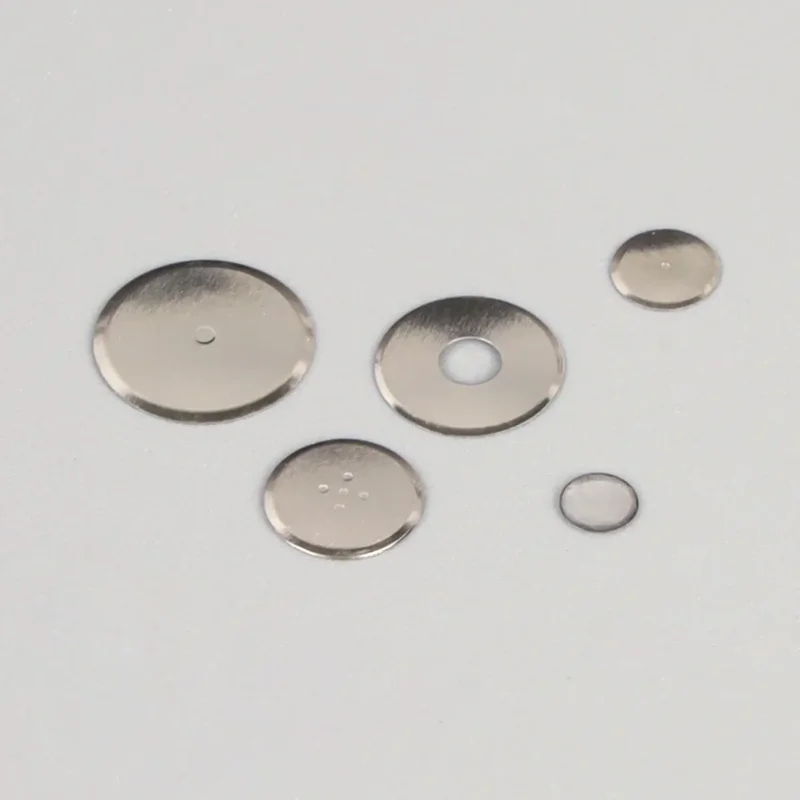
The most common variety in the industry. A round metal dome is a simple stamped piece, usually made from stainless steel, that provides reliable tactile feedback for membrane switches and keypads. As the name suggests, these domes feature a circular footprint, making them versatile for a wide range of applications.
Sizes typically range from about 4mm to 20mm in diameter. Smaller round metal domes require less actuation force and travel distance, which suits compact devices like remote controls or wearable electronics. Larger ones can handle heavier forces and deliver more pronounced tactile feedback, making them suitable for industrial panels or equipment that demands deliberate user input.
The circular shape offers several practical advantages. It distributes stress evenly during actuation, which contributes to consistent performance over millions of cycles. Round domes also simplify PCB contact pad design since the symmetrical footprint doesn’t require specific orientation during assembly. For most general-purpose applications where standard tactile response is acceptable, a round metal dome remains the go-to choice among engineers and product designers.
Four-Leg Metal Domes
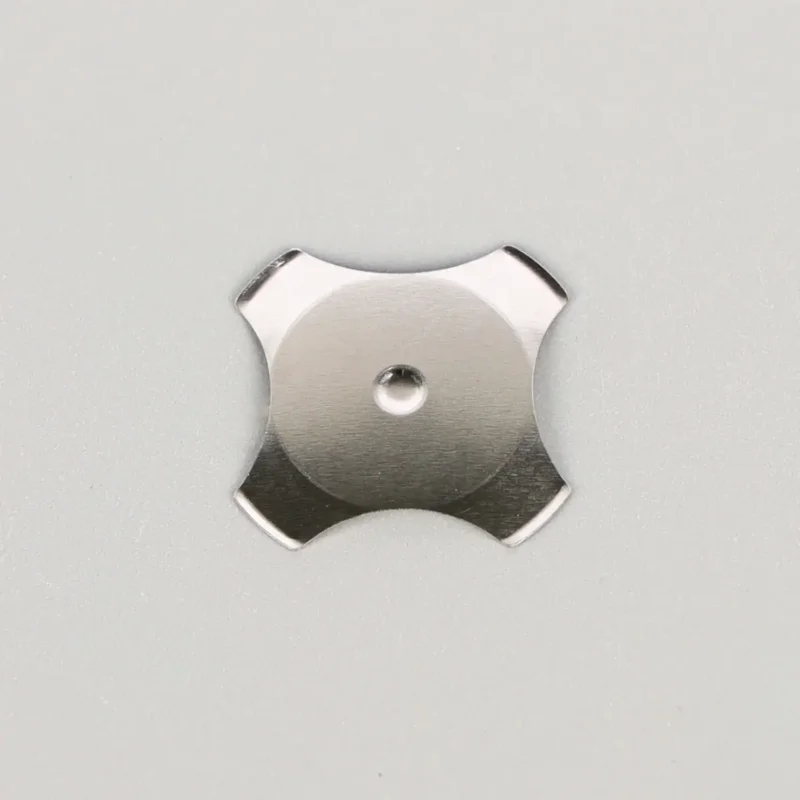
Instead of a simple round edge, four-leg domes have four protruding legs that provide stability and consistent positioning. These legs rest on the circuit board while the dome center hovers above the contact area.
Benefits of four-leg designs include:
- Better stability during actuation
- More consistent tactile feel
- Easier alignment during assembly
- Reduced likelihood of dome walking or shifting
The four-leg metal dome configuration is popular in automotive and industrial applications where reliability under vibration matters.
Triangular Metal Domes
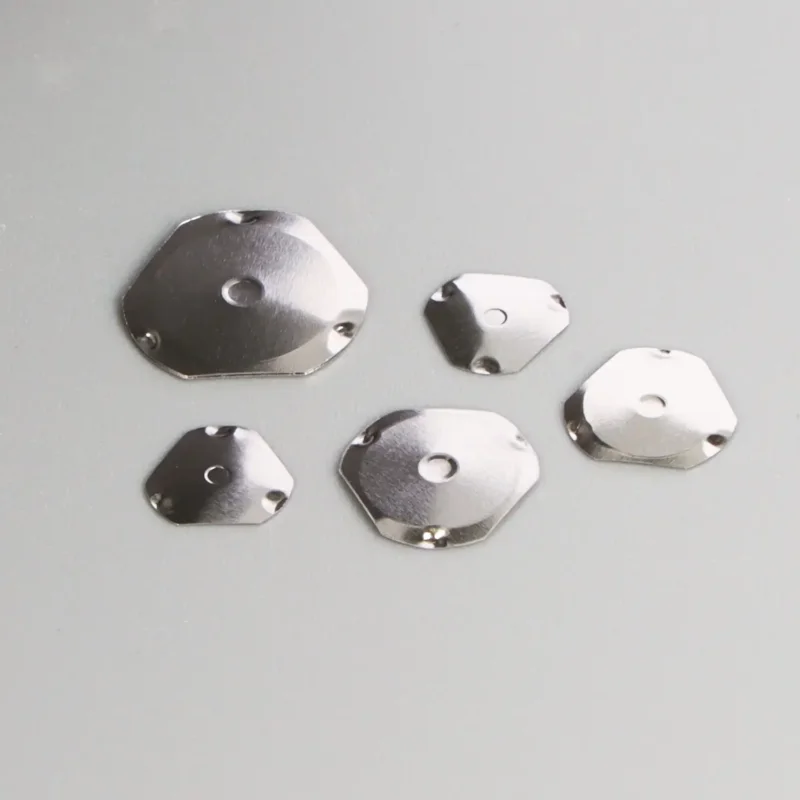
Three-sided dome designs offer yet another option. Triangular metal domes provide different force characteristics and can fit into tight spaces where round domes won’t work. The three-point base gives stable positioning with minimal footprint.
Materials Used in Metal Dome Manufacturing
Material selection significantly impacts metal dome performance. Different metals and alloys offer distinct advantages depending on application requirements.
Stainless Steel Domes
Stainless steel dominates the metal dome market. It offers an excellent balance of spring properties, corrosion resistance, and cost. Most consumer electronics use stainless steel domes.
Common grades include 301 and 304 stainless steel. Grade 301 has higher carbon content, giving it better spring characteristics. Grade 304 offers superior corrosion resistance. The choice depends on whether spring performance or environmental resistance takes priority.
Nickel Silver Domes
Nickel silver—also called German silver despite containing no actual silver—provides excellent electrical conductivity alongside good spring properties. For applications where contact resistance must be absolutely minimized, nickel silver metal dome makes sense.
The material does cost more than stainless steel. And it’s somewhat less resistant to corrosion in harsh environments. But for premium electronics where signal quality matters, nickel silver justifies its price.
Specialty Coatings and Treatments
Raw metal domes sometimes receive additional treatments:
- Gold plating for superior contact reliability and corrosion resistance
- Silver plating for enhanced conductivity
- Passivation treatments to prevent oxidation
- Lubricant coatings for smoother operation
Gold-plated metal dome costs substantially more but provides the ultimate in contact reliability. Medical devices, aerospace equipment, and high-end instrumentation often specify gold plating.
Key Specifications When Selecting Metal Dome
Choosing the right metal dome for an application requires understanding several important specifications. Getting these wrong leads to poor user experience or premature failure.
Actuation Force
Actuation force—measured in grams-force or Newtons—indicates how much pressure activates the dome. Typical ranges span from around 100 grams-force for light-touch applications up to 500 grams-force or more for heavy-duty uses.
Lighter actuation suits devices used for extended periods. Heavier actuation prevents accidental activation in bumpy or vibrating environments. Finding the right balance depends entirely on the application context.
Tactile Ratio
This specification describes how pronounced the click feels. It’s calculated as the ratio between peak force (just before snap) and contact force (after snap). Higher tactile ratios mean more distinct, snappy feedback.
A metal dome with 60% tactile ratio feels noticeably crisper than one with 30% ratio. Premium keyboards and input devices typically use domes with higher tactile ratios for that satisfying click.
Travel Distance
How far does the dome collapse? Travel distance affects both feel and electrical reliability. Typical values range from 0.15mm to 0.4mm or so.
Longer travel provides more definitive feel but requires more physical movement. Shorter travel enables faster actuation but might feel less satisfying. Personal preference plays a role here, though application requirements usually dictate the choice.
Lifecycle Rating
Quality metal dome components come with lifecycle ratings—how many actuations before failure. Consumer-grade domes might rate for 500,000 cycles. Industrial and automotive grades often exceed 1 million or even 5 million cycles.
Higher cycle ratings generally mean better materials, tighter manufacturing tolerances, and higher prices. Matching the lifecycle rating to actual expected use avoids both premature failure and unnecessary cost.
Metal Dome Applications Across Industries
The versatility of metal dome technology shows in its widespread adoption across many sectors. Some applications are obvious while others might surprise.
Consumer Electronics
This sector consumes enormous quantities of metal dome switches every year. Remote controls alone account for millions of units. Other common applications include:
- Television and streaming device remotes
- Microwave and appliance control panels
- Calculator keypads
- Game controllers
- Computer keyboards (some designs)
- Audio equipment controls
Consumer applications prioritize cost effectiveness while maintaining acceptable tactile quality. The metal dome components used here typically represent good value rather than premium performance.
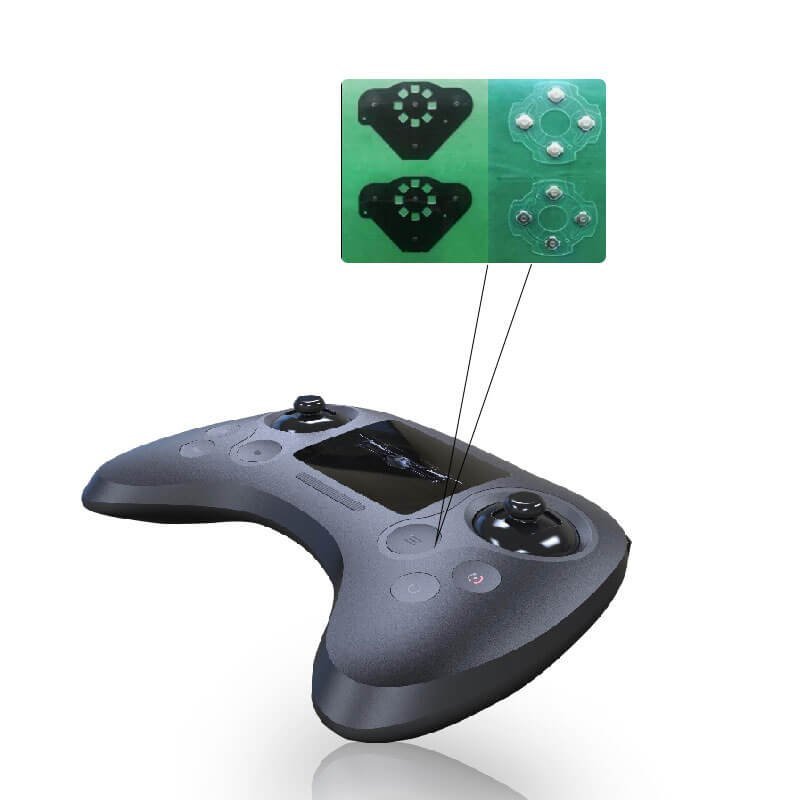
Automotive Interfaces
Cars contain numerous metal dome switches throughout their interiors. Steering wheel controls, climate interfaces, infotainment buttons, window switches—all commonly use metal dome technology.
Automotive metal dome must withstand temperature extremes, vibration, and humidity. Specifications are correspondingly tighter than consumer electronics. Four-leg designs predominate due to their stability under vibration.
The shift toward touchscreens in vehicles hasn’t eliminated metal dome usage. Physical buttons remain for critical functions like hazard lights, and many drivers prefer tactile controls for frequently-used features.
Medical Devices
Metal dome in medical demands reliability above almost everything else. Metal dome switches in medical devices must function correctly every single time. Patient safety potentially depends on proper operation.
Common medical applications include:
- Patient monitoring equipment
- Infusion pump controls
- Diagnostic device interfaces
- Laboratory instrumentation
- Surgical equipment controls
Medical-grade metal dome often features gold plating and sealed assemblies to ensure reliability and cleanability.
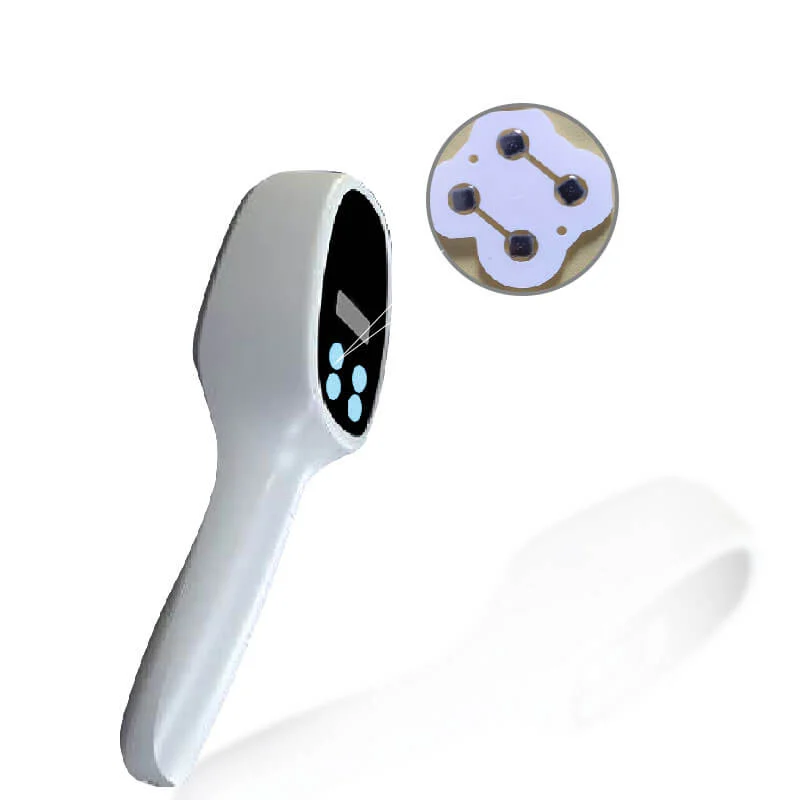
Industrial Control Panels
Factory equipment, process control systems, and industrial machinery all use metal dome interfaces. These applications demand durability and clear tactile feedback—operators need to know definitively when they’ve activated a control.
Environmental sealing becomes critical in many industrial settings. Dust, moisture, oil, and chemical exposure can degrade switches quickly. Properly designed metal dome assemblies handle these challenges well.
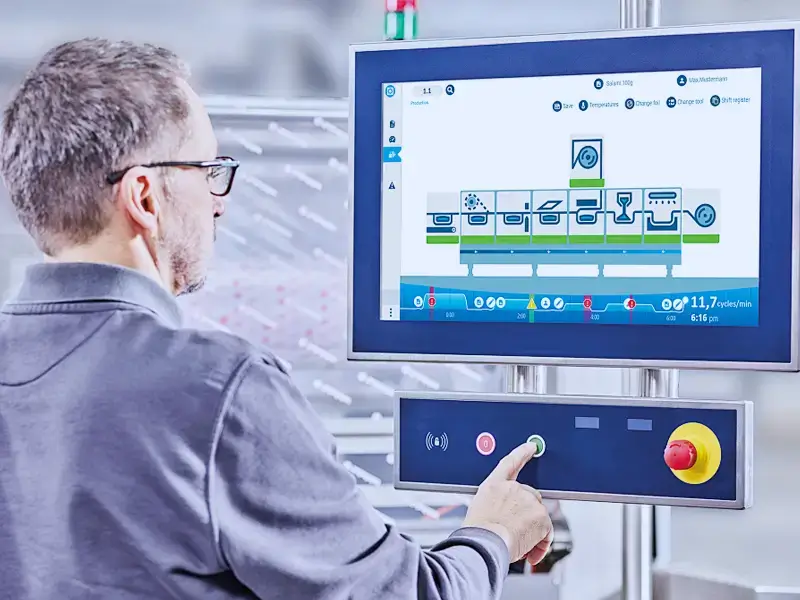
Manufacturing Process for Metal Dome Components
Stamping and Forming
The basic process starts with thin sheet metal—typically 0.05mm to 0.15mm thickness depending on desired characteristics. Progressive stamping dies punch out and form the dome shape in a series of operations.
After stamping, domes may undergo additional processes:
- Deburring to remove sharp edges
- Cleaning to remove stamping oils
- Heat treatment to optimize spring properties
- Plating or coating application
- Inspection and sorting
Quality Control Measures
Reputable metal dome suppliers implement rigorous testing. Samples from each production batch undergo actuation force testing, dimensional verification, and often lifecycle testing. Statistical process control monitors production consistency.
The difference between cheap and quality metal dome often comes down to these manufacturing controls. The domes might look identical but perform quite differently in actual use.
Metal Dome Assembly Options
Dome Arrays and Sheets
For products with multiple buttons, metal dome components often come pre-arranged on adhesive carrier sheets. These dome arrays maintain precise spacing matching the PCB layout. During assembly, the entire sheet gets placed at once rather than positioning individual domes.
Benefits include:
- Faster assembly
- Consistent dome positioning
- Reduced handling of tiny components
- Lower assembly labor costs

Membrane Switch Integration
Many metal dome applications combine domes with membrane switch technology. The membrane provides environmental sealing and graphic overlay while metal dome delivers superior tactile feedback compared to membrane-only designs.
This hybrid approach works well for equipment requiring sealed interfaces with good tactile response. Industrial control panels, medical devices, and outdoor equipment frequently use this combination.
Snap Dome Retainers
Plastic retainer frames hold metal dome components in position for certain applications. These retainers snap onto PCBs and provide mechanical guides for each dome. The approach simplifies assembly and ensures consistent alignment.
Troubleshooting Common Metal Dome Issues
Inconsistent Tactile Feel
When some buttons feel different from others, possible causes include:
- Dome positioning variation
- Contamination under domes
- Worn or fatigued domes
- Inconsistent actuation mechanism
Contamination is often the culprit. Liquids, dust, or debris entering the switch area affects dome behavior. Proper sealing prevents most contamination issues.
No Click or Mushy Feel
If the characteristic metal dome snap disappears, the dome may have lost its spring temper. This happens occasionally with heat exposure or excessive cycling. Replacement is the only real solution.
Sometimes mushiness indicates the dome isn’t seated properly. Check positioning and ensure nothing obstructs full dome travel.
Intermittent Electrical Contact
The dome clicks but signal is unreliable? Contact surface issues usually cause this. Oxidation, contamination, or wear on either the dome or PCB contacts can create intermittent connections.
Cleaning contacts sometimes helps. For critical applications, replacement makes more sense than risking continued unreliability.
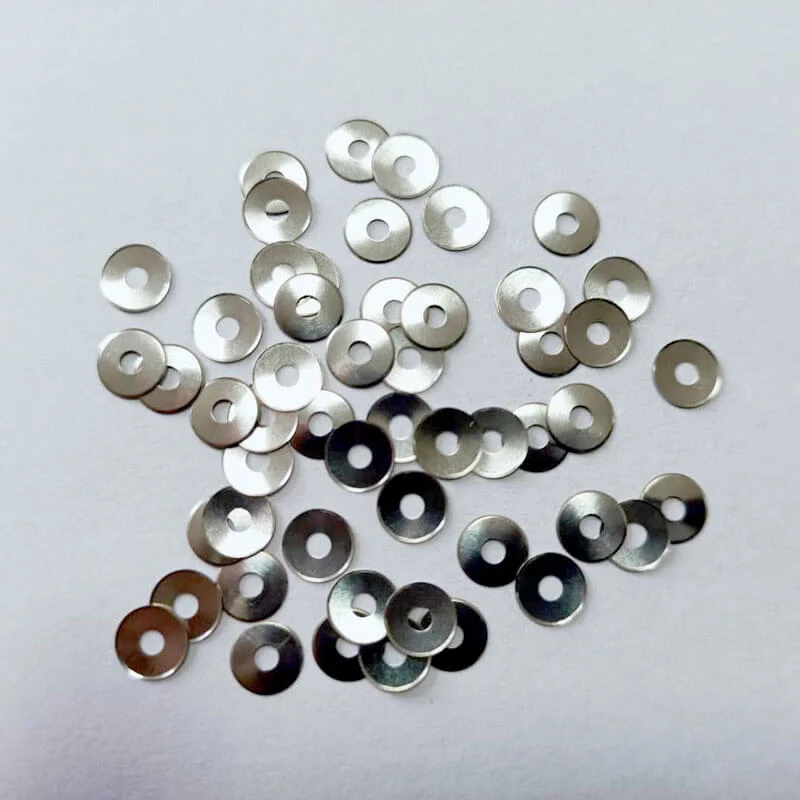
Future Trends in Metal Dome Technology
The metal dome industry continues evolving despite being a mature technology. Several trends shape current development.
Miniaturization pushes dome sizes smaller for compact wearables and IoT devices. Manufacturing these tiny components demands increasingly precise tooling and handling.
Haptic integration combines metal dome with additional feedback mechanisms. Some designs add piezoelectric elements for enhanced tactile sensations beyond the basic click.
Sustainability concerns drive interest in recyclable materials and longer-lasting designs. Fewer switch replacements means less electronic waste.
Despite touchscreen proliferation, physical buttons using metal dome maintain their relevance. Many users prefer tactile controls for certain functions. The technology isn’t going away anytime soon.
Frequently Asked Questions
What is the typical lifespan of a metal dome switch?
Lifespan varies considerably based on quality and application. Consumer-grade metal dome typically rates for 500,000 to 1 million cycles. Industrial and automotive grades often exceed 3 million cycles, with some premium components rated beyond 5 million actuations. Actual lifespan depends on operating conditions too—temperature extremes, contamination exposure, and actuation force all affect longevity. For most consumer electronics, the metal dome will outlast other components in the device. Quality matters though; cheap domes from questionable sources might fail much earlier than rated.
Can metal dome switches be used in outdoor or harsh environments?
Yes, but with appropriate protection. Standard metal dome components aren’t inherently sealed against moisture or contamination. However, proper assembly techniques create environmental resistance. Membrane overlays seal against liquid ingress. Gaskets and enclosures protect against dust and debris. Some manufacturers offer pre-sealed metal dome assemblies specifically for harsh environments. Material selection matters too—stainless steel resists corrosion better than some alternatives. For truly extreme conditions, additional coatings or platings provide extra protection. Many outdoor equipment manufacturers successfully use metal dome technology with appropriate design considerations.
How do metal dome switches compare to rubber dome keyboards?
Both use dome-shaped components but differ significantly. Metal dome uses stamped steel or other metals, providing a crisp, distinct click. Rubber domes use molded silicone or rubber, offering a softer, quieter feel. Metal dome generally provides sharper tactile feedback—that definite snap versus the mushier rubber response. However, rubber domes cost less and naturally provide some sealing against contamination. Durability favors metal domes for high-cycle applications. Personal preference plays a role; some users prefer.