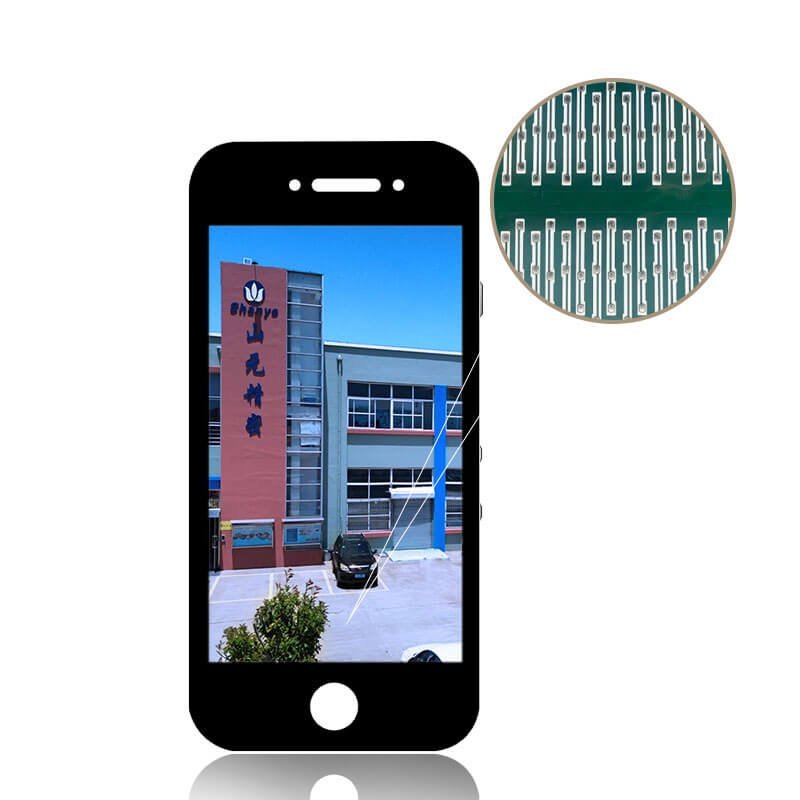
A Guide To Custom Metal Dome: Performance & Uses
When you are deep in the product design phase, specifically looking at the user interface, you often hit a wall with standard components. You thumb through catalogs or scroll through


Structure: Multi-layer composite (PET/stainless steel/conductive layer);
Actuation force range: 5-500gf (customizable);
Standard stroke: 0.05-0.5mm;
Contact resistance: < 100 mΩ (typical);
Life Cycle: ≥500,000 cycles;
Environmental tolerance: -40℃ ~ +85℃ (extendable to 125℃);
Protection rating: Up to IP68 design.
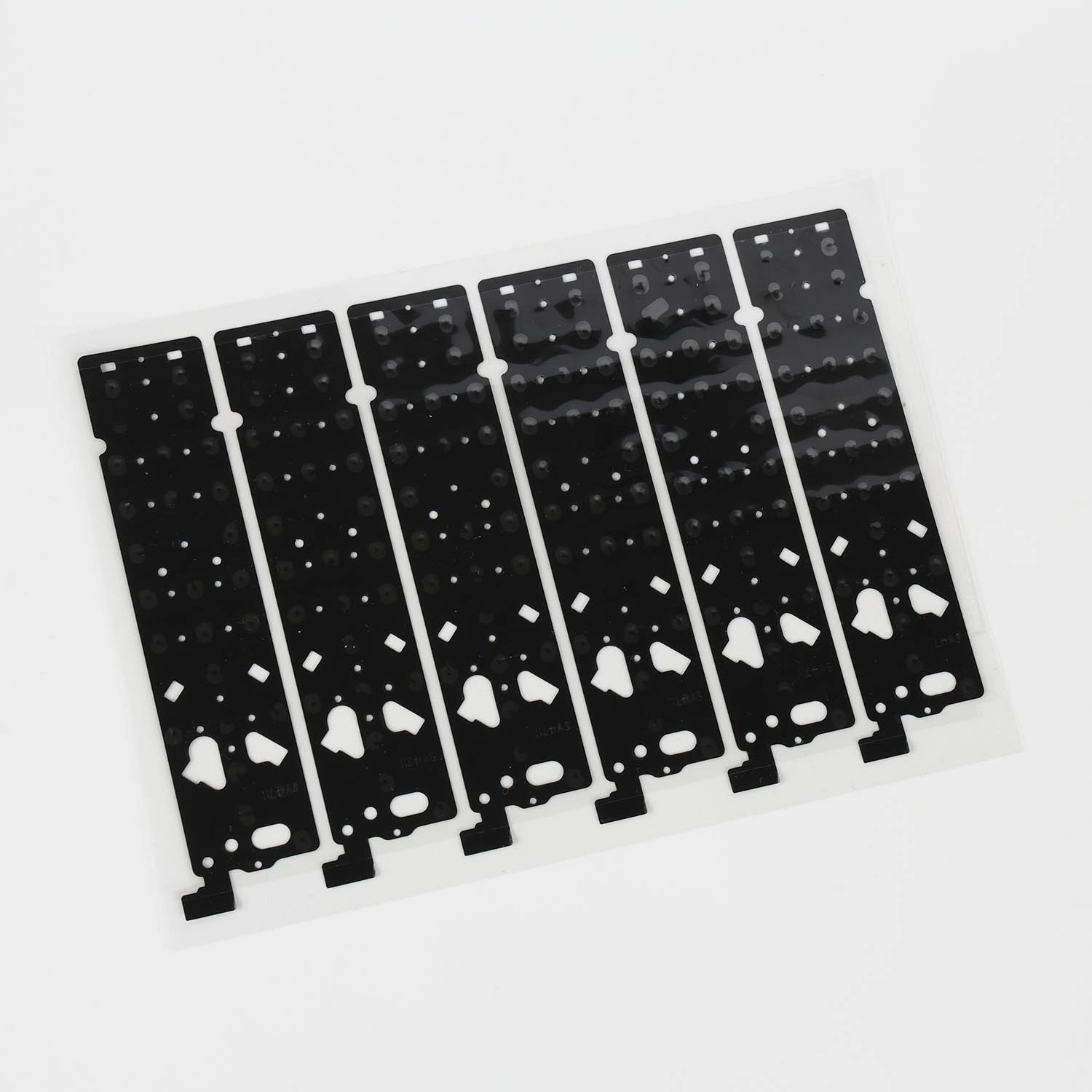
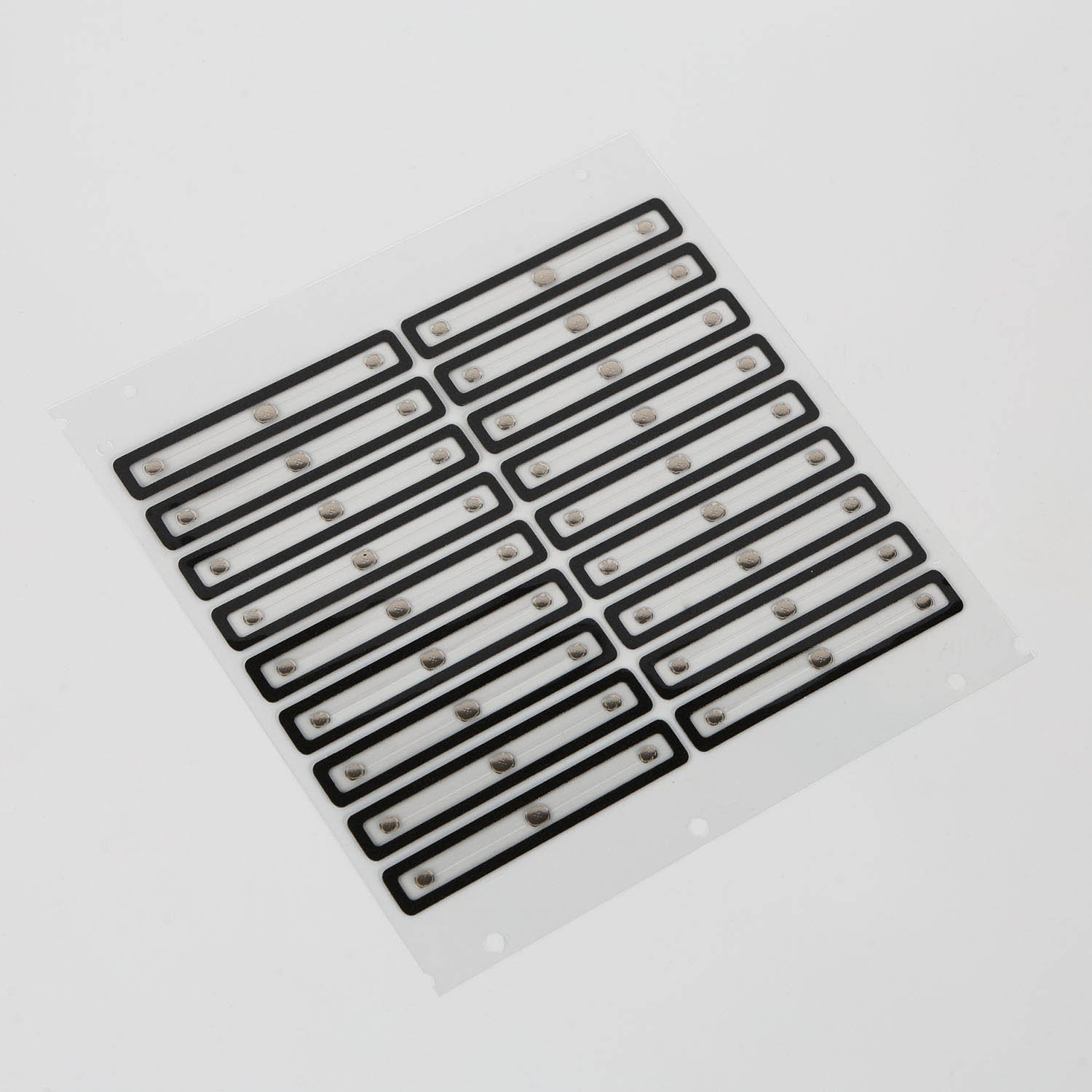
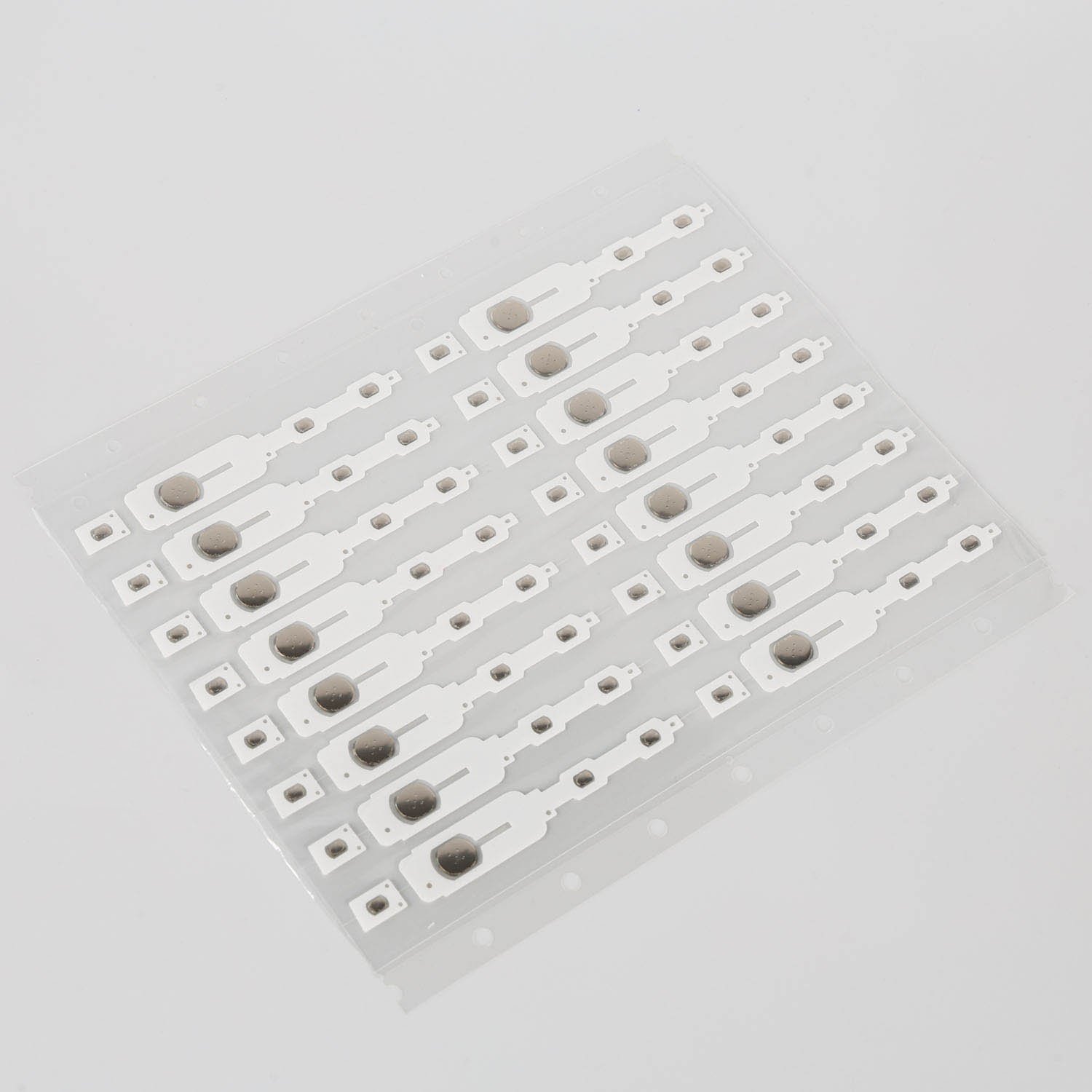
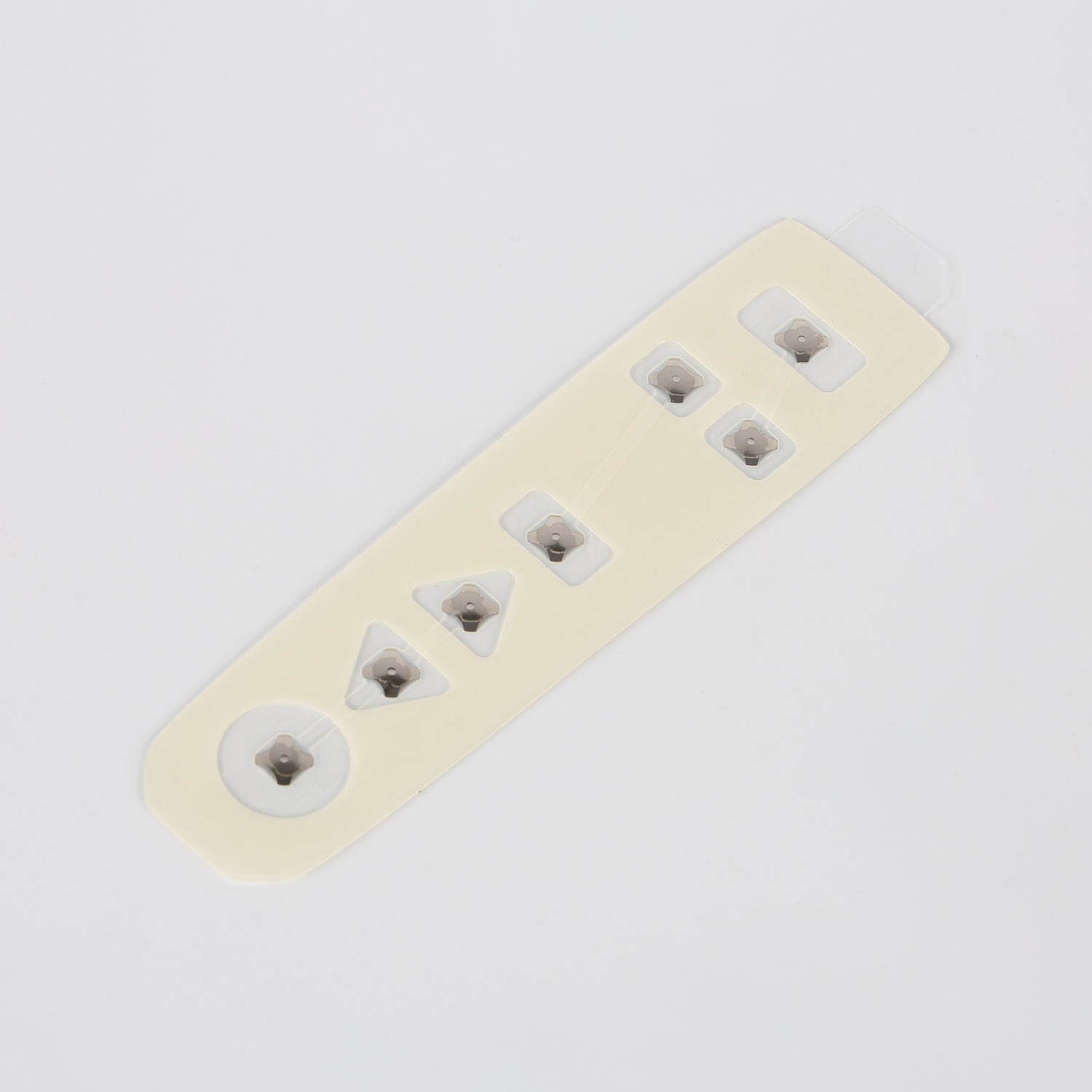
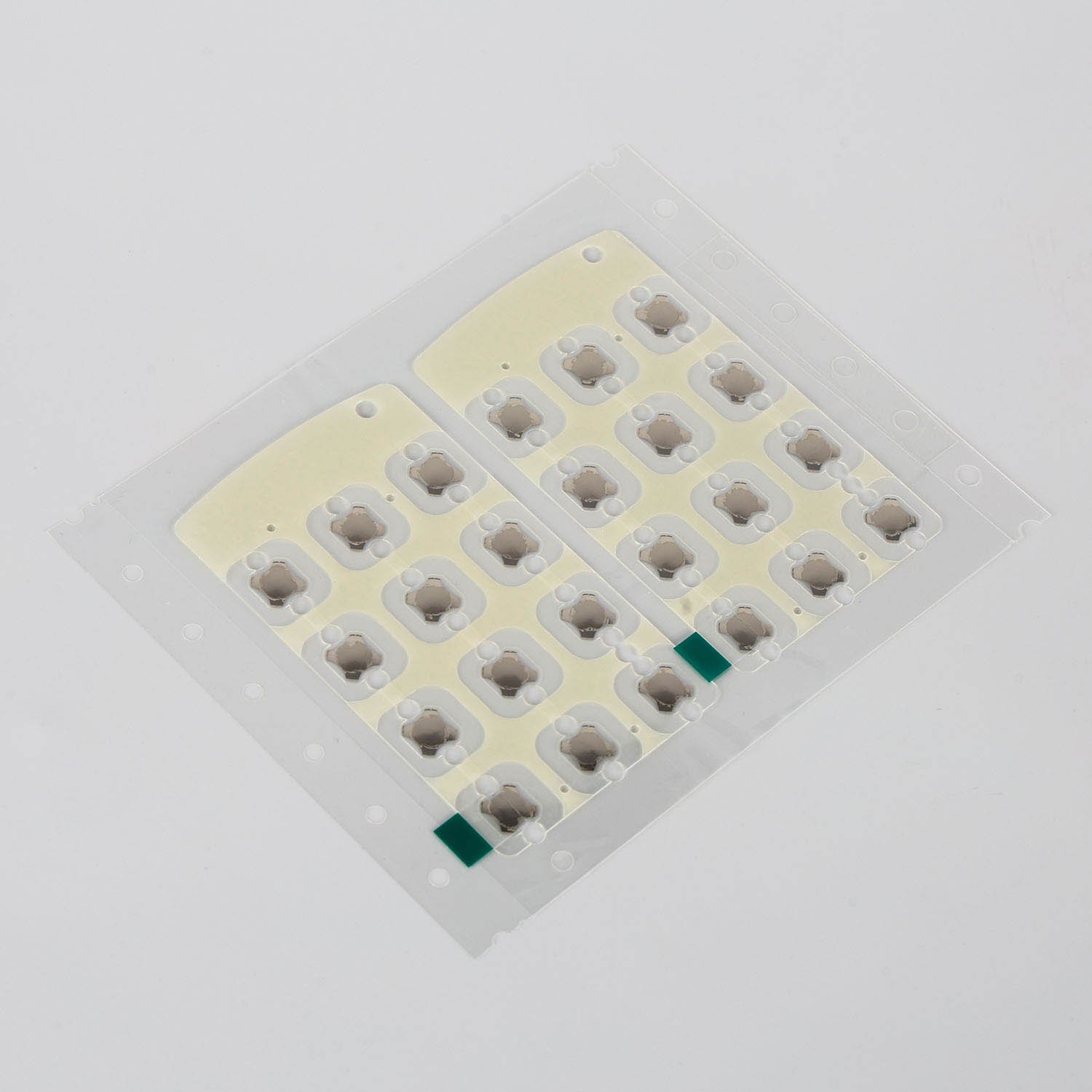
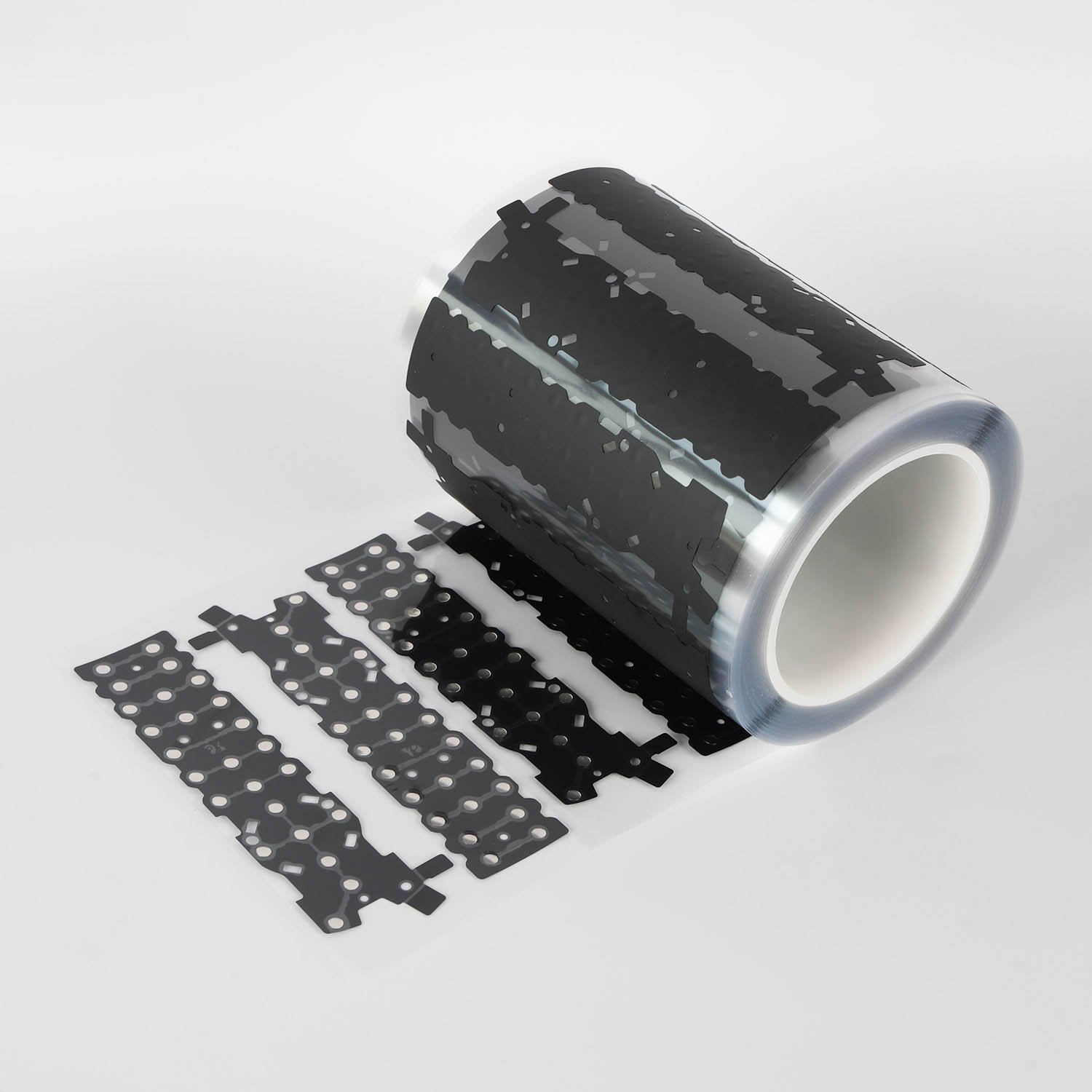
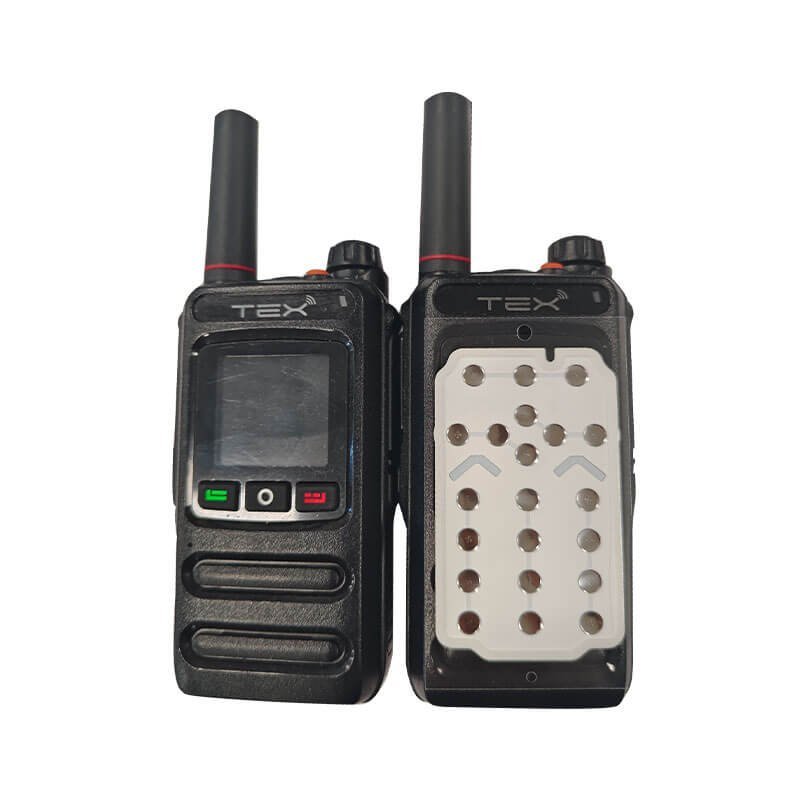
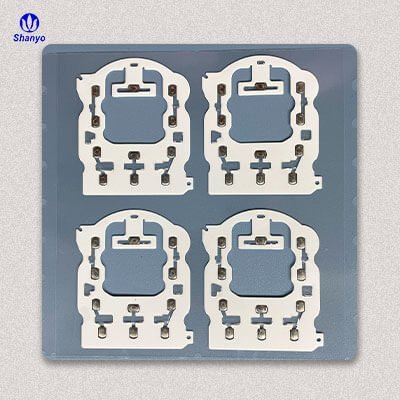
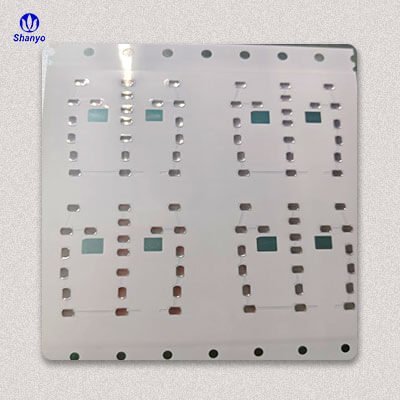
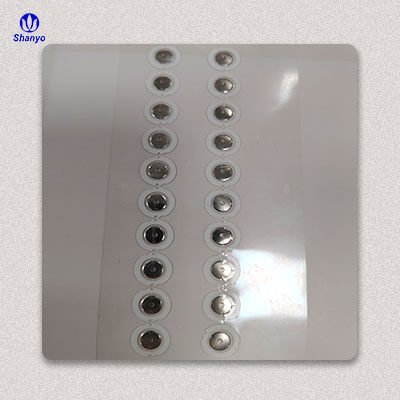
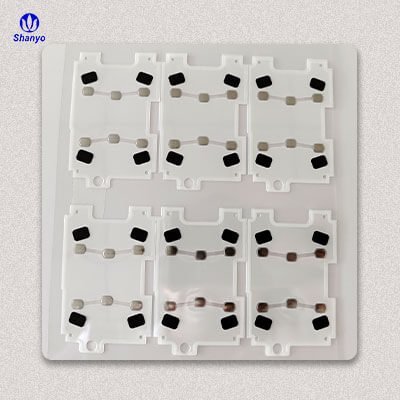
Dome Arrays, also known as Metal Dome Arrays or Dome Sheet assemblies, represent the advanced evolution of the single metal dome into a fully integrated, high-performance Human-Machine Interface (HMI) solution.
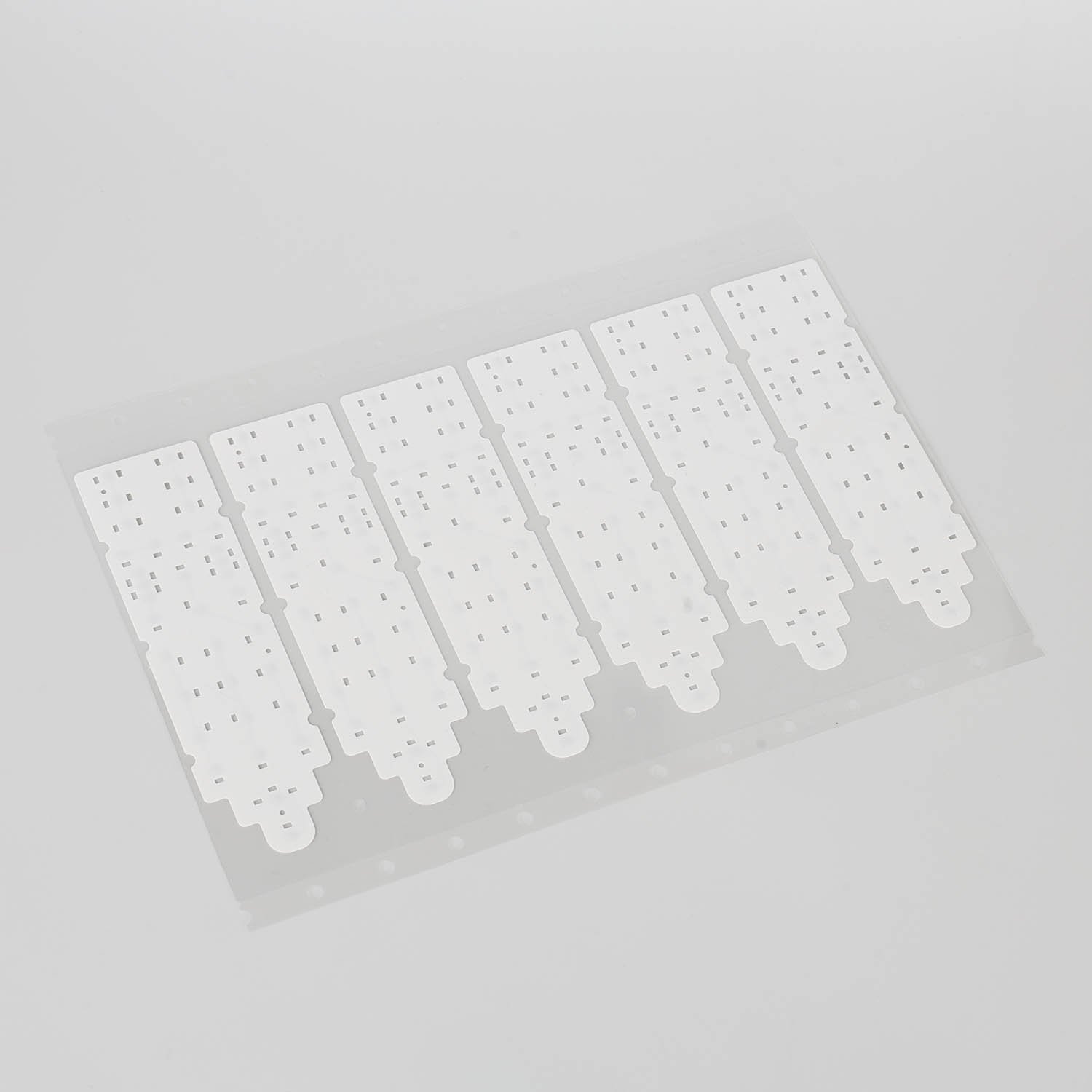
Dome array is a sophisticated, film-based component where a precise matrix of tactile metal snap domes is permanently pre-assembled onto a flexible polyester (PET/PEN) or polyimide (PI) carrier sheet.
This innovative integration combines the proven, reliable tactile feedback of individual metal domes with the unparalleled design consistency, assembly efficiency, and reliability of a unified module.
By replacing complex mechanical button assemblies, our Dome Array solutions empower designers with a streamlined, flat-panel interface that guarantees uniform tactile response, simplifies logistics, and accelerates manufacturing for applications ranging from wearable tech to automotive interiors and industrial control panels.
| Parameter Category | Standard Range | Premium Spec | Test Standard |
|---|---|---|---|
| Actuation Force | 10 – 200 gf | 5 – 500 gf (customizable) | IEC 61000-4-2 |
| Travel | 0.05 – 0.5 mm | 0.02 – 1.0 mm | ISO 13732-1 |
| Contact Resistance | < 100 mΩ | < 50 mΩ | EIA-364-23 |
| Bounce Time | < 10 ms | < 5 ms | MIL-STD-202 |
| Operating Life | 1 million cycles | 5 million cycles | IEC 60384 |
| Structure | specification | Picture |
|---|---|---|
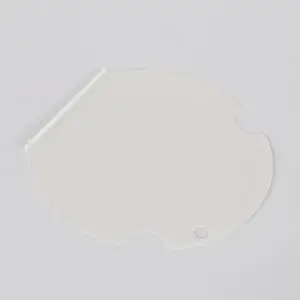
| DOME SHEET Single layer | 0.05 Transparent (T) | |
| 0.05 White (W) | ||
| DOME SHEET Double layer | 0.025 transparent (T) +0.025 transparent (T) | ![]() |
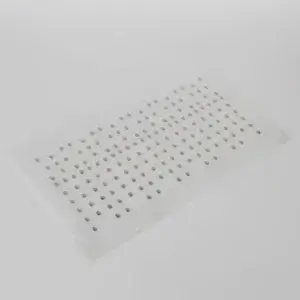
| 0.025 transparent (T) +0.050 transparent (T) | ||
| 0.025 transparent (T) +0.100 transparen (T) | ||
| 0.025 transparent (T) +0.025 white (W) | ![]() | |
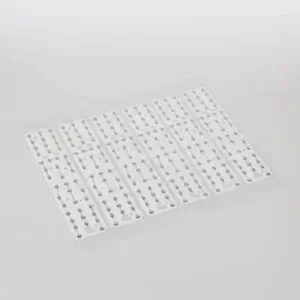
| 0.025 transparent (T) +0.050 white (W) | ||
| 0.025 transparent (T) +0.025 black (B) | ![]() | |
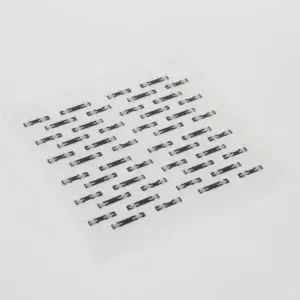
| 0.025 transparent (T) +0.050 black (B) | ||
| 0.025 White (W) +0.025 transparent (T) | ![]() | |
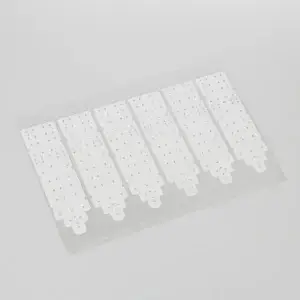
| 0.025 white (W) +0.050 transparent (T) | ||
| 0.025 White (W) +0.025 White (W | ||
| 0.025 white (W) +0.050 White (W) | ||
| 0.025 White (W) +0.025 black (B) | ![]() | |
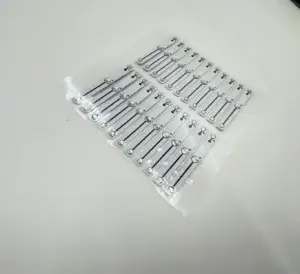
| 0.025 White (W) +0.050 black (B) | ||
| 0.025 Black (B) +0.025 transparent (T) | ![]() | |
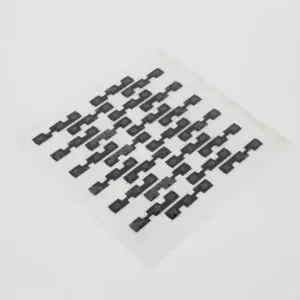
| 0.025 Black (B) +0.050 transparent (T) | ||
| 0.025 Black (B) +0.025 white (W) | ![]() | |
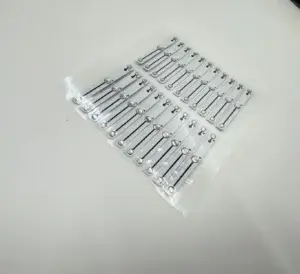
| 0.025 Black (B) +0.050 white (W) | ||
| 0.025 Black (B) +0.025 Black (B) | ![]() | |
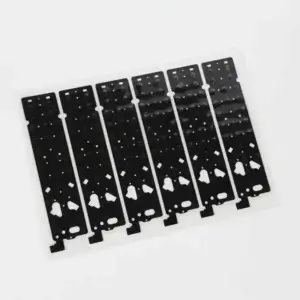
| 0.025 Black (B) +0.050 Black (B) | ||
| 0.050 transparent (T) +0.025 transparent (T) | ![]() | |
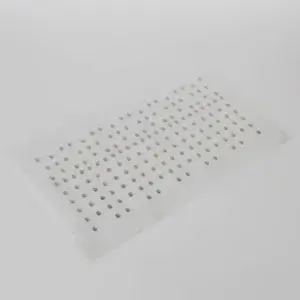
| 0.050 transparency (T) +0.050 transparency (T) | ||
| 0.050 transparent (T) +0.025 white (W) | ![]() | |
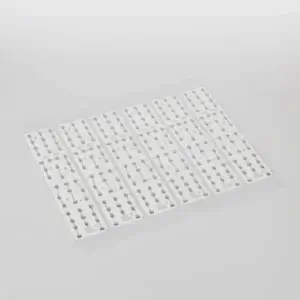
| 0.050 transparent (T) +0.050 white (W) | ||
| 0.050 transparent (T) +0.025 black (B) | ![]() | |
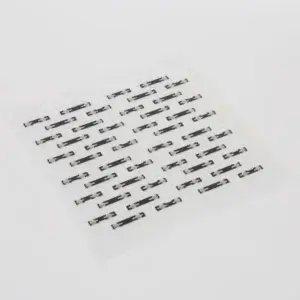
| 0.050 transparent (T) +0.050 black (B) | ||
| 0.050 white (W) +0.025 transparent (T) | ![]() | |
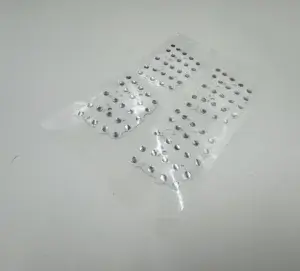
| 0.050 White (W) +0.050 transparent (T) | ||
| 0.050 White (W) +0.025 White (W) | ![]() | |
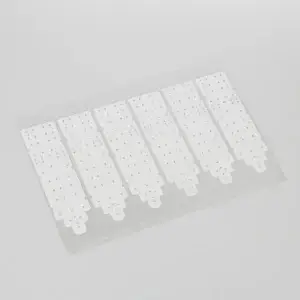
| 0.050 White (W) +0.050 White (W | ||
| 0.050 White (W) +0.025 black (B) | ![]() | |
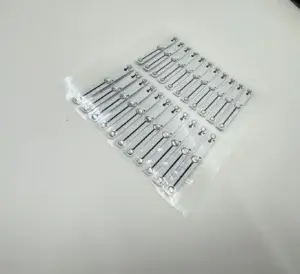
| 0.050 White (W) +0.050 Black (B) | ||
| 0.050 Black (B) +0.025 transparent (T) | ![]() | |
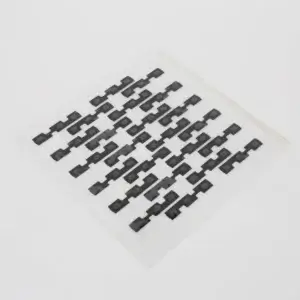
| 0.050 Black (B) +0.050 transparent (T) | ||
| 0.050 Black (B) +0.025 white (W) | ![]() | |
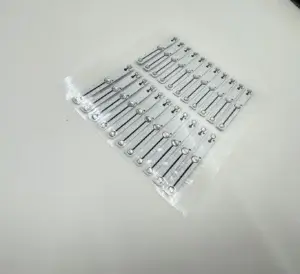
| 0.050 Black (B) +0.050 White (W) | ||
| 0.050 Black (B) +0.025 Black (B) | ![]() | |
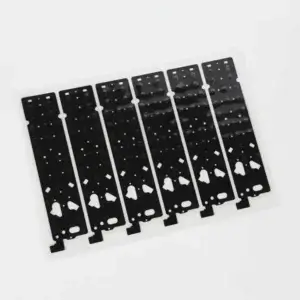
| 0.050 Black (B) +0.050 Black (B) | ||
| DOME SHEET | 0.050 Black (B) +0.050 transparent (T) | ![]() |
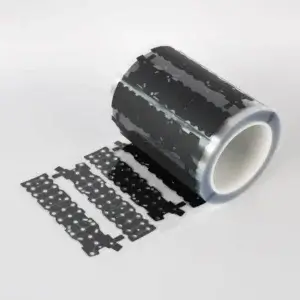
| 0.050 transparent (T) +0.050 transparent (T) | ![]() | |
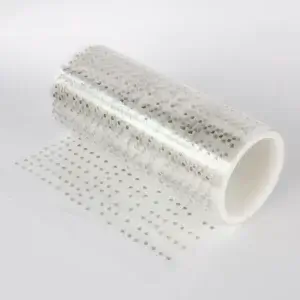
| Light-blocking paper+LGF+DOME SHEET | ![]() | |
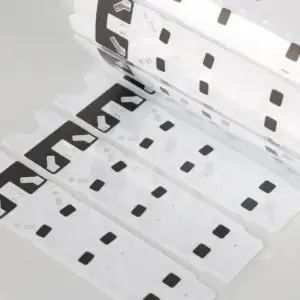
| LGF | Silver dye + diffused light film + double-sided tapeLGF+DOME SHEET | ![]() |
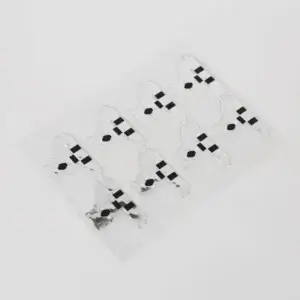
| Light-blocking paper+LGF+DOME SHEET | ![]() | |
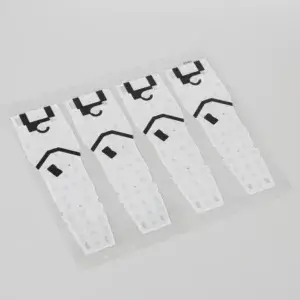
| UV protrusions | Single-layer UV protrusions | ![]() |

| UV protrusions + transparent DOME SHEET | ![]() | |
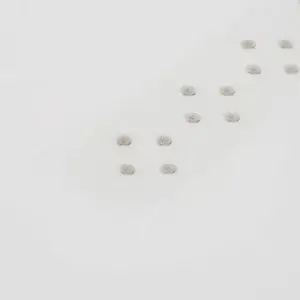
| UV protrusions + black DOME SHEET | ![]() | |
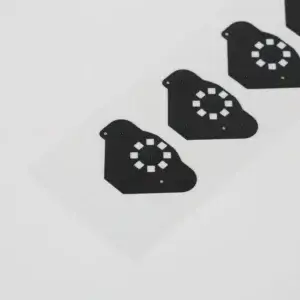
| UV protrusions + white DOME SHEET | ![]() | |
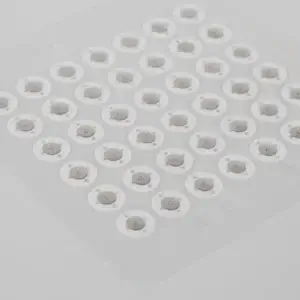
| UV protrusions +LGF+DOME SHEET | ![]() | |
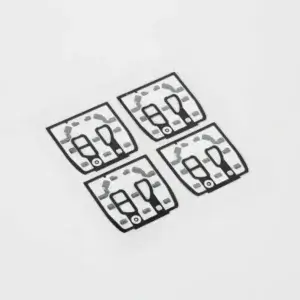
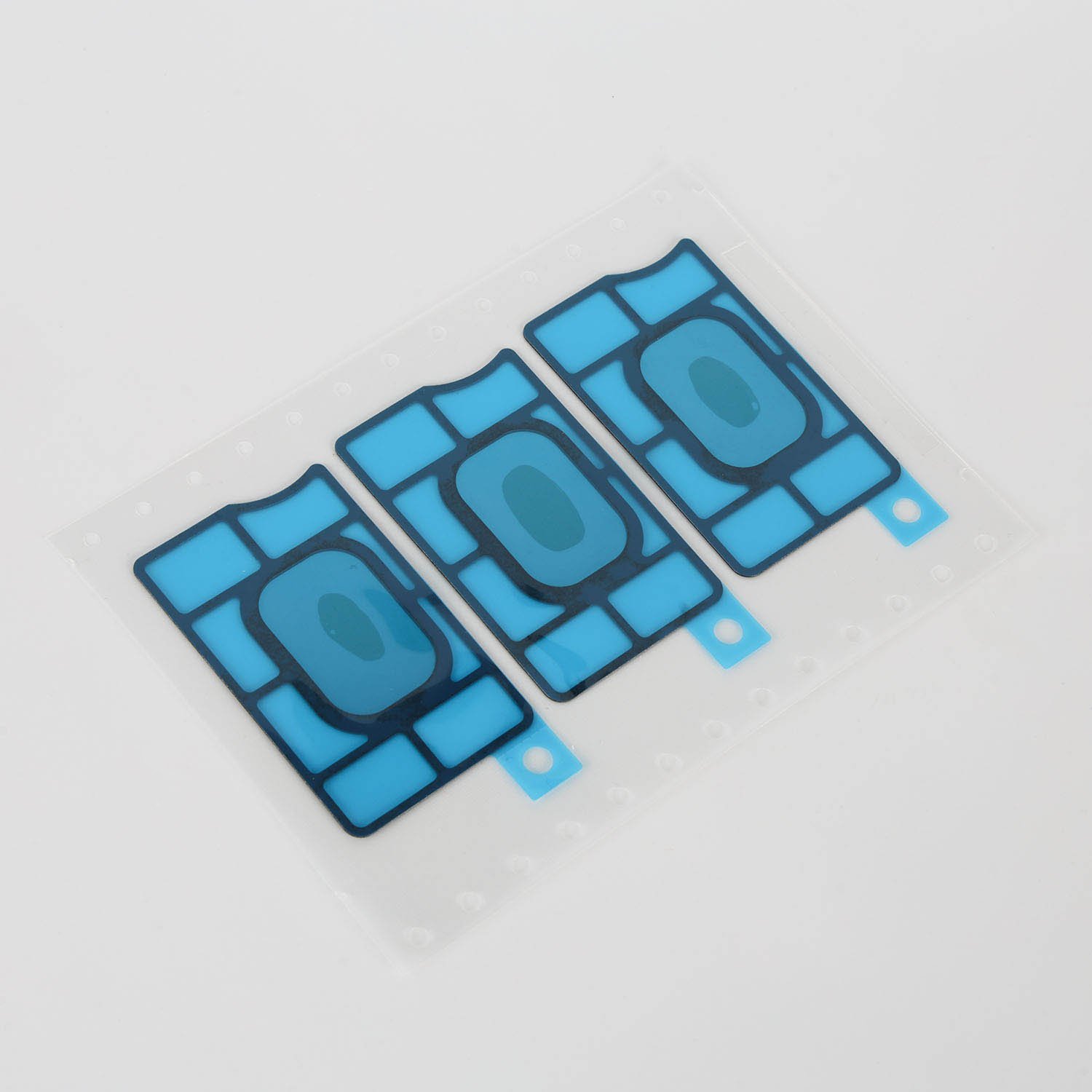
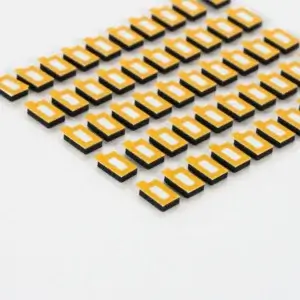
| Double-sided tape | DSMS double-sided tape | ![]() |
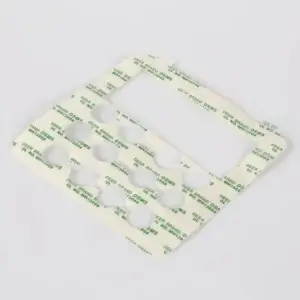
| DSMS double-sided tape+DOME SHEET | ![]() | |
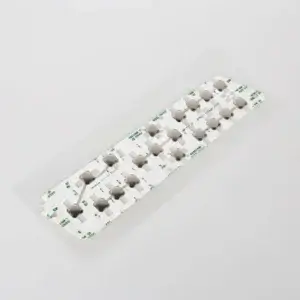
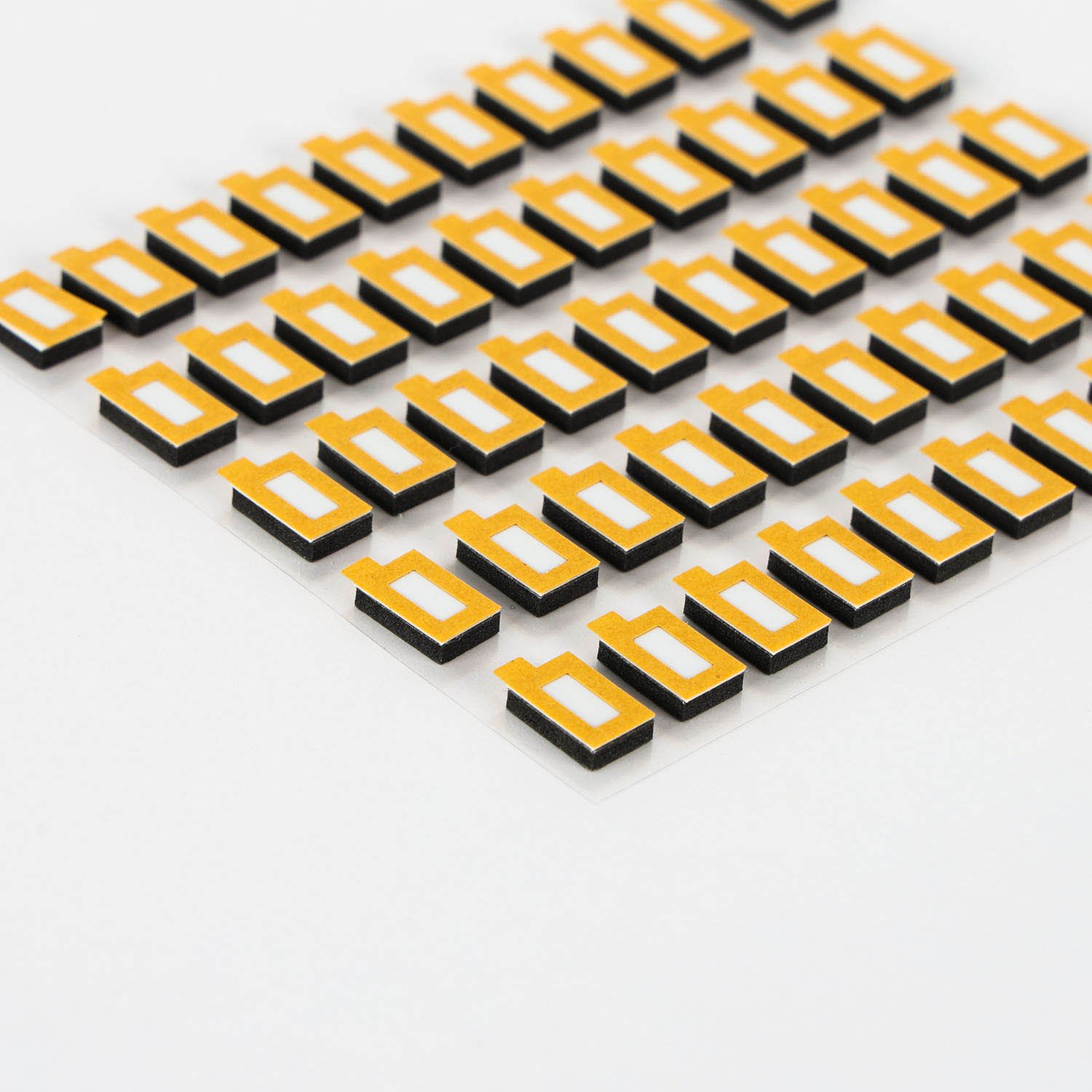
| 3M foam adhesive | ![]() | |
| 3M foam adhesive+PET+MATEL DOME | ![]() | |
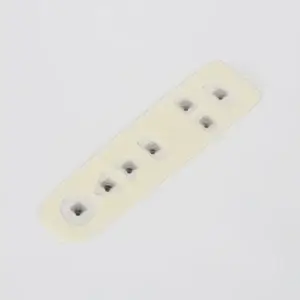
| 3M foam adhesive+PET+MATEL DOME | ![]() | |
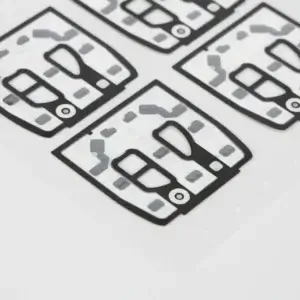
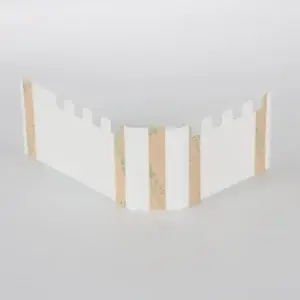
| Insulating sheet | Bend | ![]() |
| Bend +3M double-sided tape | ![]() |
| Challenge | Problem Statement | Solution / Technology Breakthrough | Performance Achieved |
|---|---|---|---|
| Tactile Consistency Control | Batch-to-batch force variation > 15 % | Digital tooling + AI-based 100 % force inspection | Force deviation < 5 % |
| Waterproof & Dustproof | Harsh-environment reliability | Labyrinth-edge seal + nano-hydrophobic coating | IP68 (validated by 3 m submersion test) |
| Ultra-thin Requirement | Slim-device form factor | 0.08 mm ultra-thin stainless-steel dome + flexible substrate lamination | Phone side-key thickness reduced from 0.8 mm to 0.3 mm |
| Application Scenario Analysis | Environmental Requirement | Mechanical Characteristic | Electrical Parameter | Structural Constraint |
|---|---|---|---|---|
| Consumer Electronics | –20 °C – +70 °C | 10 – 150 gf | < 100 mΩ | Thickness < 0.3 mm |
| Automotive Electronics | –40 °C – +105 °C | 50 – 300 gf | < 50 mΩ | IP67 protection |
| Medical Equipment | +10 °C – +40 °C | 20 – 100 gf | Medical certification | Curved-surface conformal |
| Solution Tier | Substrate Material | Dome (Metal) Material | Rated Life |
|---|---|---|---|
| Economical | PET | 304 stainless steel | 0.5 M cycles |
| Balanced | PEN | 301 stainless steel | 1 M cycles |
| Flagship | PI | Beryllium-copper alloy | 5 M cycles |
Standard dome arrays offer 1M+ cycles; premium versions with beryllium copper reach 5M+ cycles.
Actuation force (5-500gf) and travel distance (0.05-0.5mm) are tunable to perfectly match any application, from medical devices to industrial panels.
Operates from -40°C to +85°C (extended to -55°C~125°C), with options for IP67/IP68 protection and resistance to chemicals/UV.
Features low contact resistance (100MΩ) for reliable signal transmission.
Enables ultra-thin profiles (<0.3mm) and conforms to curved surfaces for innovative designs in wearables, automotive, and foldable displays.
AI-assisted manufacturing ensures less than 5% force variation, guaranteeing uniform keypress feedback across every dome sheet.
Shanyo's custom dome arrays can be applied to various industries and specific products.
| Application Sector | Typical Use-Case | Key Specification | Customer Benefit |
|---|---|---|---|
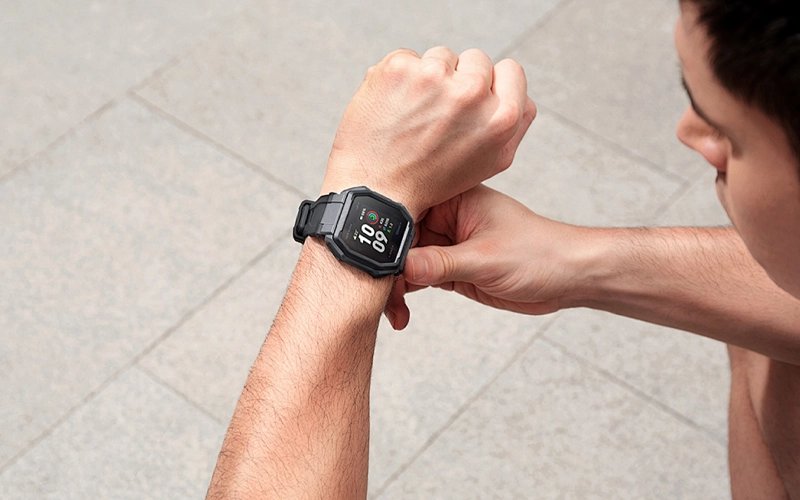
| Consumer Electronics | Foldable displays | 0.15 mm ultra-thin dome array in folding area | Reliable tactile feedback without adding bulk |
| TWS earphones | 3 × 3 mm micro-array for force sensing | Gesture control in a space-constrained housing | |
| AR / VR headsets | Curved-surface dome sheet | Immersive, form-fitting haptic interaction | |
| Automotive Electronics | Smart-cockpit panel | -40 °C – +105 °C operating range | Stable feel across automotive temperature band |
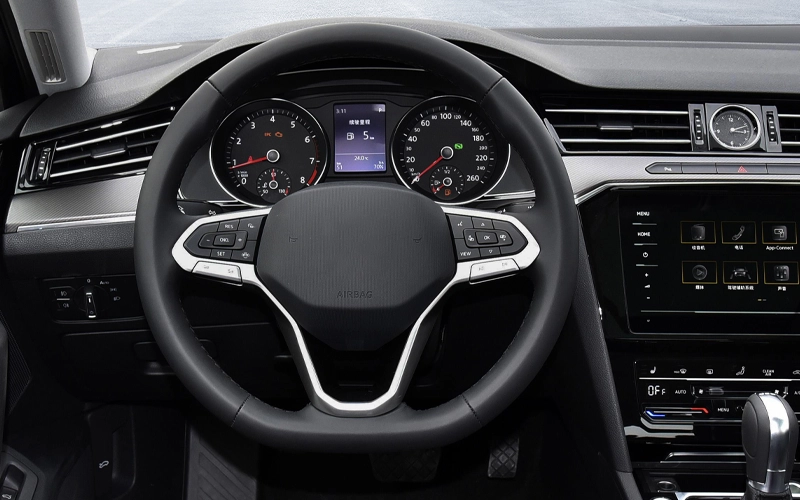
| Steering-wheel switch | IP67 splash-proof structure | Survives wet-hand and spill conditions | |
| HUD controller | 30 V/m EMI-immune variant | Error-free operation in high-EMI cabin | |
| Medical & Industrial | Medical monitor UI | ISO 10993 biocompatible materials | Safe for prolonged skin contact |
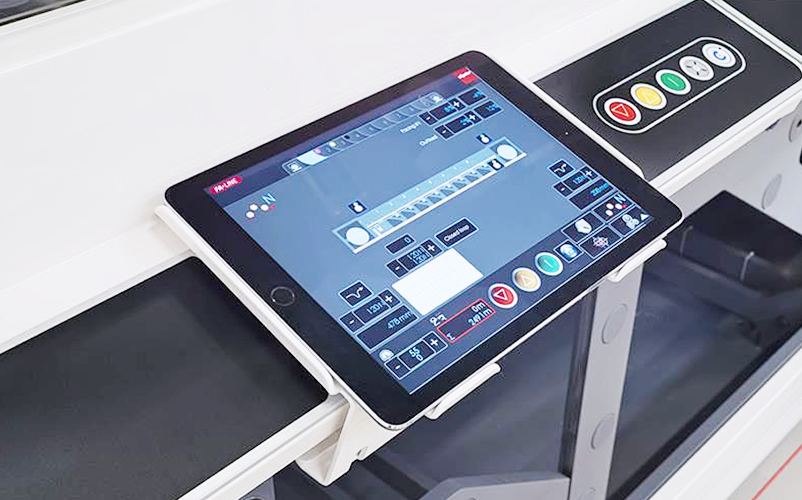
| Industrial HMI | Explosion-proof, intrinsically safe design | Certified for hazardous areas | |
| Outdoor equipment | Anti-fog / anti-glare surface treatment | Clear visibility under harsh environments |


Shanyo collaborates with leading companies across various industries worldwide to design and manufacture dome arrays for them.
A: The primary benefits are guaranteed consistency, enhanced reliability, and radical assembly simplification. A pre-assembled Dome Array ensures every key has an identical feel, eliminates production errors in dome placement, and cuts assembly time significantly. It also presents a sealed, flat interface that is inherently easier to protect against environmental contaminants compared to discrete components.
A: To develop an accurate proposal, we require:
1) Application Environment (e.g., automotive interior, medical device);
2) Performance Requirements (desired actuation force, travel, operating temperature, IP rating);
3) Mechanical Layout (CAD files of the keypad design);
4) Electrical Circuit Diagram; and
5) Estimated Annual Volumes.
This information allows us to tailor the optimal metal dome array solution.
A: Yes, definitely. Through integrated engineering solutions such as specialized adhesive labyrinth seals, protective overlays, and hydrophobic coatings, our Dome Arrays can be designed and validated to meet high ingress protection standards like IP67 and IP68. This makes them an ideal choice for automotive control panels, outdoor equipment, and medical devices requiring frequent cleaning.
A: Yes, this is a key customization feature. We can engineer individual domes within the same dome sheet to have different actuation forces and travel distances by varying the metal thickness, dome shape, or diameter. This allows designers to create distinct, purpose-driven tactile zones (e.g., a prominent “power” button alongside standard keys) within a single, unified component.
A: The flexible nature of the carrier sheet in a Dome Array is crucial for innovative designs. It allows the entire switch interface to conform to curved surfaces, enabling seamless integration into automotive interiors with complex contours or wearable devices that wrap around the body. This flexibility, inherent to the dome sheet design, unlocks new possibilities in ergonomic and aesthetic product development that rigid PCBs and discrete components cannot achieve.
When you are deep in the product design phase, specifically looking at the user interface, you often hit a wall with standard components. You thumb through catalogs or scroll through
There is something oddly satisfying about a good button click. You know the feeling—it is crisp, responsive, and lets you know immediately that the device did what you wanted it
There is something oddly satisfying about a perfect “click.” It’s a small mechanical event, really, just a piece of bent steel snapping down and popping back up, but it communicates
Factory No. 20, Tianhe Industrial Park, No. 252 Weihe Road, Qingdao Economic and Technological Development Zone