Wenn man sich das Armaturenbrett eines Verkehrsflugzeugs ansieht, ist die schiere Anzahl der Drehknöpfe, Bildschirme und leuchtenden Knöpfe ehrlich gesagt ein wenig überwältigend. Es ist leicht anzunehmen, dass es sich bei diesen Bedienelementen um Standardelektronik handelt. Aber ein Flugzeugcockpit ist eine unglaublich feindliche Umgebung für empfindliche Schaltkreise. Düsentriebwerke erzeugen eine unerbittliche, tiefe Vibration, die jeden Zentimeter der Flugzeugzelle durchdringt, während plötzliche Wetterumschwünge die gesamte Kabine heftig erschüttern können. Würde man hier handelsübliche Elektronik verwenden, würden sich ständig Schalter lösen oder fälschlicherweise ausgelöst werden. Der technische Workaround, der dieses Chaos in der Luft verhindert, hängt von einer speziellen, verborgenen Komponente ab. Durch die Integration einer hochentwickelten Kuppelanordnung in die Cockpits zu integrieren, ist so ziemlich die Standardmethode der Luftfahrtindustrie, um sicherzustellen, dass eine Taste nur dann etwas bewirkt, wenn der Pilot es auch wirklich will.
Wie Cockpit-Vibrationen ein Dome-Array absolut notwendig machen
Es ist kaum zu übertreiben, wie stark ein Armaturenbrett beim Start rüttelt. Ältere mechanische Schalter mit winzigen internen Federn und kleinen Kunststoffhebeln sind extrem anfällig für diese Art von konstantem, hochfrequentem Klappern. Schließlich vibrieren diese winzigen beweglichen Teile gegeneinander, was zu einem gefährlichen Phänomen führt, das als Kontaktprellen bekannt ist, bei dem der Schalter fälschlicherweise einen Druck registriert, nur weil er zu stark geschüttelt wurde.
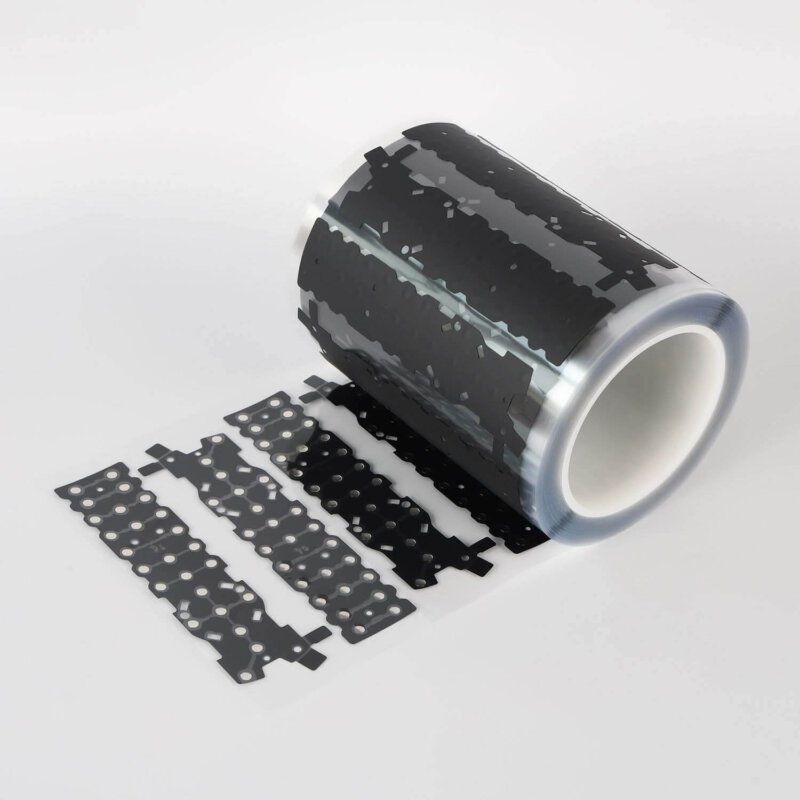
Durch die Verwendung eines Dome-Arrays können die Konstrukteure der Schalttafeln auf alle losen, klappernden Innenteile verzichten. Ein Dome-Array ist im Wesentlichen ein strukturelles Trägerblech, das ein flaches Gitter von Schnappscheiben aus Edelstahl sicher über einer Leiterplatte an seinem Platz hält. Da es sich praktisch um eine solide, fest verbundene Schicht ohne lose Kunststoffteile handelt, gibt es im Inneren des Schalters nichts mehr, was klappern könnte.
Zu den täglichen körperlichen Belastungen, denen ein Luftfahrtpanel ausgesetzt ist, gehören in der Regel:
Hochfrequentes Brummen von massiven Düsentriebwerken, die mit voller Schubkraft arbeiten.
Heftige, unvorhersehbare Erschütterungen durch plötzliche atmosphärische Turbulenzen oder harte Landungen.
Extreme Temperaturschwankungen, wenn das Flugzeug schnell auf Reiseflughöhe steigt.
Schwere, absichtliche Fingerabdrücke von Piloten, die in sehr stressigen Situationen arbeiten.
Vergleich älterer Cockpit-Bedienelemente mit der Dome-Array-Technologie
Die altmodischen Kippschalter aus Metall, die man in alten Flugzeugen findet, haben sicherlich einen nostalgischen Charme, aber sie sind für die moderne digitale Avionik einfach unpraktisch. Moderne Flugzeuge benötigen Hunderte von Eingabetasten, die auf sehr engem Raum angeordnet sind. Der Übergang zum Dome-Array-Format ermöglichte es den Luftfahrtingenieuren, ganze Tastaturen in völlig flache, äußerst zuverlässige Armaturenbretter zu pressen.
Wenn man den Unterschied zwischen diesen alten mechanischen Systemen und den neueren versiegelten Panels betrachtet, sind die Leistungskennzahlen ziemlich auffällig.
| Gestaltungselement | Traditionelle Knöpfe/Schalter für Haushaltsgeräte | Modernes Dome-Array-Panel |
|---|---|---|
| Körperliches Gewicht | Schwer (erfordert sperrige Metallgehäuse pro Schalter) | Unglaublich leicht (nur eine dünne Folie) |
| Platzbedarf | Benötigt tiefe mechanische Hohlräume hinter dem Armaturenbrett | Ultradünn, sitzt fast vollständig bündig |
| Umweltsiegel | Offene Ritzen lassen Staub und Feuchtigkeit ins Innere | Vollständig versiegelt hinter einem soliden Grafik-Overlay |
Die Bedeutung von bewusstem taktilem Feedback
In einem dunklen Cockpit während eines turbulenten Nachtfluges verlassen sich die Piloten stark auf ihr Muskelgedächtnis und ihren Tastsinn. Sie müssen sicher sein, dass ein Befehl registriert wurde, ohne auf einen Bildschirm starren zu müssen, um dies zu überprüfen. Die speziellen Metallkontakte in einem Hochleistungs-Dome-Array für die Luftfahrt sind absichtlich so kalibriert, dass sie einen sehr festen Druck erfordern. Diese hohe Betätigungskraft verhindert aktiv, dass ein Pilot versehentlich ein kritisches System auslöst, indem er nur mit der Hand über das Bedienfeld streicht.

Die strenge Montagereihenfolge eines Flugzeug-Kuppel-Arrays
Der Zusammenbau eines dieser missionskritischen Panels ist kein einfacher Fertigungsauftrag. Das erforderliche Maß an Präzision ist ehrlich gesagt etwas hoch, vor allem weil ein einziger falsch ausgerichteter Kontakt theoretisch zu einem Kommunikations- oder Navigationsausfall während des Fluges führen könnte. Die physische Integration eines Dome-Arrays in eine Avionikplatine erfordert eine äußerst kontrollierte Umgebung.
Die Basisplatine wird in einem speziellen, staubfreien Reinraum sorgfältig geprüft und von mikroskopisch kleinen Verunreinigungen befreit.
Das Dome-Array wird mit Hilfe einer hochpräzisen optischen Ausrichtmaschine eingebracht und positioniert, so dass jeder einzelne Metalldome genau in der Mitte über seinem vergoldeten Kontaktfeld schwebt.
Zur Aushärtung der Klebstoffschicht wird häufig eine schwere industrielle Vakuumpresse verwendet, die gezielt mikroskopisch kleine Lufteinschlüsse herausdrückt, die sich in großer Höhe ausdehnen oder zusammenziehen könnten.
Eine dicke, blendfreie Außenschicht ist dauerhaft versiegelt, um die gesamte Baugruppe vor verschüttetem Kaffee, Cockpitstaub und ständigem Fingerabrieb zu schützen.
Wenn Sie mehr über Metallkuppeln wissen möchten, lesen Sie bitte über Was ist ein Metallkuppel-Array?.
FAQ
Wie verhält sich ein Dome-Array bei extremen Druckschwankungen in der Höhe?
Aufgrund ihrer internen Belüftung können sie sehr gut mit atmosphärischen Druckschwankungen umgehen. Ein hochwertiges Dome-Array für die Luftfahrt verfügt in der Regel über mikroskopisch kleine Luftkanäle, die direkt in die klebenden Abstandsschichten integriert sind. Dieser clevere kleine Designtrick ermöglicht es der eingeschlossenen Luft unter den Metallkuppeln, sich sicher dem Kabinendruck anzugleichen, und verhindert so, dass die Knöpfe aufquellen oder nach innen kollabieren, wenn das Flugzeug schnell seine Höhe ändert.
Kann ein einzelner defekter Knopf in einer Kuppelanordnung während des Fluges repariert werden?
Nein, ganz und gar nicht. Da das gesamte Bedienfeld dauerhaft versiegelt ist, um Feuchtigkeit fernzuhalten, gibt es für einen Piloten keine Möglichkeit, eine einzelne Taste zu entfernen und sie während des Fluges zu reparieren. Sollte ein bestimmter Teil des Dome-Arrays jemals ausfallen, ist das strenge Protokoll, sich auf redundante Backup-Systeme zu verlassen, bis das Flugzeug landet, woraufhin die Wartungscrews die gesamte versiegelte Einheit komplett entfernen und ersetzen.
Verliert die Kuppelanordnung nach Tausenden von Flügen ihr taktiles Klicken?
Während alle physischen Metalle mit der Zeit eine gewisse strukturelle Ermüdung erfahren, sind Schalter für die Luftfahrt in einem etwas lächerlichen Ausmaß übertechnisiert. Der speziell behandelte rostfreie Stahl, der in einem handelsüblichen Dome-Array verwendet wird, wird intensiv getestet, um Millionen von einzelnen Betätigungen zu überstehen. Lange bevor die Metallkuppel tatsächlich ihre zufriedenstellende physikalische Wirkung verliert, wird das Flugzeug selbst wahrscheinlich aus dem Verkehr gezogen werden.