There is a strange kind of disappointment when pressing a button on a high-end device, only to feel a mushy, inconsistent response. That little tactile interaction pretty much defines the overall quality of the user experience. Everyone has encountered a cheap car key fob that requires pressing the unlock button at weird angles just to get it to work. Behind that simple click is usually a surprisingly sensitive arrangement of components, and at the very center of it sits the snap dome.
Getting the engineering right for a kundenspezifische Metallkuppel is actually quite tricky (which is something often learned the hard way after a bad prototyping run). It is never just about picking a shiny piece of round metal from a catalog and hoping it fits the board layout perfectly.
Why Precision Matters for Every Custom Metal Dome
Throwing random parts onto a PCB pad almost always guarantees assembly issues down the line. A custom metal dome needs to fit the exact mechanical constraints of the plastic housing, while also delivering a very specific tactile feedback. When the specifications are vague, manufacturers simply end up guessing. And guessing leads to buttons that double-click, get stuck, or simply die after a month of heavy use.
To avoid those dreaded hardware revisions, there are a few primary parameters to lock down early in the design phase.
1. Actuation Force
Actuation force is essentially how hard someone has to press down before the switch collapses and makes electrical contact. Well, technically it involves the peak trip force and the return rebound force, but really, it is all about the feel. A switch that is hard to press but slow to bounce back feels terrible, kind of like stepping in wet mud.
Consumer devices usually sit somewhere around 160 grams to 250 grams of force. If it is a heavy-duty industrial control panel, it might push past 400 grams so accidental presses do not happen. Specifying the exact force for a custom metal dome dictates the thickness of the raw material and the depth of the center dimple.
2. Diameter and Dimensional Limits
Space is a luxury on modern circuit boards, so the physical footprint has to be explicitly stated. The PCB pads need to align perfectly with the edges of the dome. If the dome is even a fraction of a millimeter too wide, it might overlap with nearby components or short out against exposed traces.
Conversely, if it is too small, the plastic actuator coming down from the keypad might miss the sweet spot. Leaving a tiny bit of clearance around the edges to account for assembly shifting is usually a smart move.
3. Shape and Structural Profile
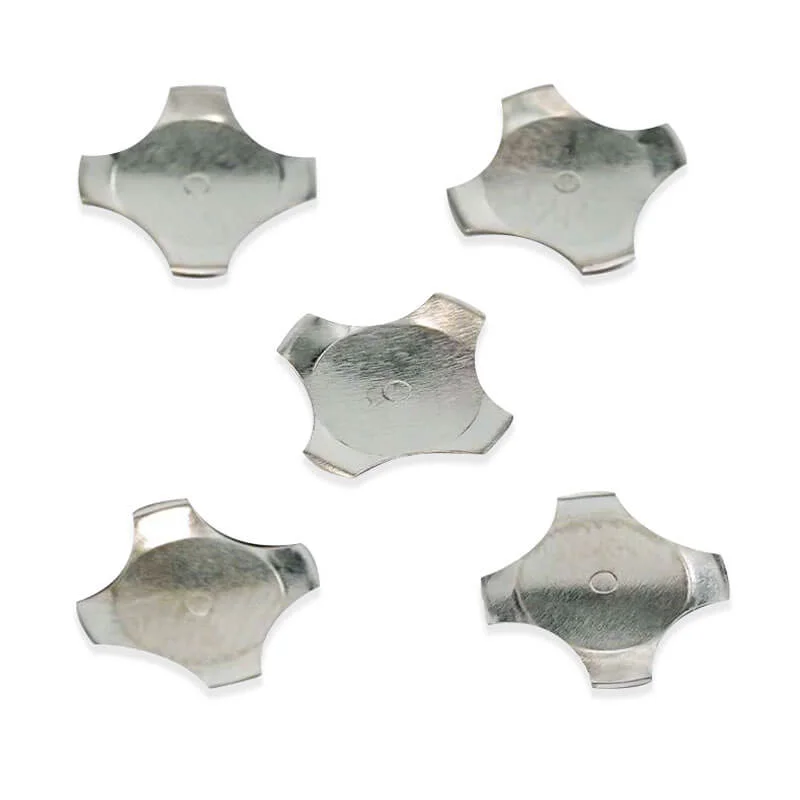
Not all snap domes are circular. The geometry drastically changes how the switch behaves under pressure, and the shape selection usually depends on the board layout and the available vertical space.
Common geometries include:
Four-leg domes (sometimes called crosses, which are great for mounting on crowded boards)
Triangle domes (these can handle higher actuation forces and offer a very crisp snap)
Round domes (the standard choice for low-profile applications)
Oblong domes (useful for long, narrow keys where space is awkward)
Choosing the right shape for a custom metal dome, such as a runde Metallkuppel, dictates how the air vents out from underneath it during a press. This surprisingly affects the overall tactile sensation and the acoustic click sound.
4. Life Cycle and Durability Expectations
It is quite common to see specification sheets blindly asking for a million clicks. But does a disposable device really need to last a million presses? Probably not. Sometimes a switch is only pressed maybe ten times in its entire lifespan (like a hard reset button on the back of a router). Over-engineering that specific part is basically just throwing money away.
On the flip side, a gaming controller or a commercial barcode scanner absolutely needs to survive heavy, repetitive abuse. Defining the expected life cycle tells the factory what kind of stress-relieving heat treatments to apply to the steel.
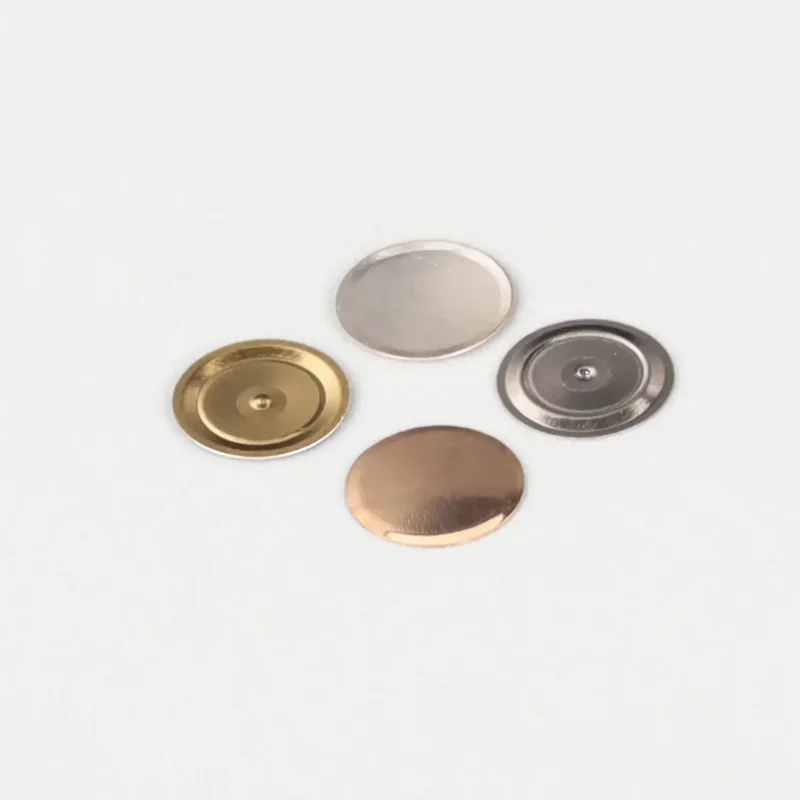
5. Material and Surface Plating
Bare stainless steel is perfectly fine for a lot of basic consumer items. But when dealing with sensitive electronics or environments with high humidity, surface plating becomes the most critical parameter. Switch contact resistance relies heavily on this.
Here is a quick breakdown of how plating choices usually pan out in the real world:
| Art der Beschichtung |
Typische Anwendung
|
Merkmale
|
|---|---|---|
|
Blanker rostfreier Stahl
|
Cheap consumer electronics
|
Basic conductivity, prone to slow oxidation over years.
|
|
Vernickeln
|
Home appliances, standard keypads
|
Good balance of cost and surface corrosion resistance.
|
|
Vergoldung
|
Medical devices, aerospace boards
|
Excellent conductivity, lowest contact resistance, highly reliable.
|
A gold-plated custom metal dome is naturally going to cost more upfront, but the reliability it brings to critical circuits is usually worth the extra pennies to avoid warranty returns.
H2: Managing Custom Metal Dome Quality Before Production
Before signing off on mass manufacturing, it is always a good idea to run through a physical checklist. Relying purely on digital CAD files leaves too much room for physical errors.
Request a small batch of physical samples first.
Test the actuation force with the actual plastic keycaps, not just pressing it with a bare finger.
Run a basic environmental chamber test to check for premature oxidation.
FAQ
How does plating affect a custom metal dome?
Plating directly impacts the electrical contact resistance and the overall longevity of the switch in harsh environments. Gold plating, for instance, prevents surface oxidation, ensuring that the electrical signal remains strong even after years of heavy use or sitting in a damp warehouse.
Can the actuation force be adjusted after manufacturing?
Unfortunately, no. Once a custom metal dome is stamped and heat-treated, its mechanical properties are permanent. If the tactile feedback feels too stiff or too mushy during prototyping, the tooling or material thickness has to be changed entirely for the next run.
What causes a dome switch to fail early?
Premature failure usually comes down to either poor dimensional matching or environmental contamination. If the top actuator hits the dome off-center consistently, the metal fatigues unevenly and eventually cracks. Dust, debris, or oils creeping under the dome will also ruin the electrical contact long before the metal itself physically breaks.