There is a weird sort of unwritten expectation in the hardware startup world that small parts should cost mere pennies right from day one. But reality usually hits hard. It is always a bit of a shock when looking at the initial hardware quotes for a new electronic device. Seeing the invoice for a tiny, seemingly simple stamped metal part arrive, where the tooling fee somehow costs drastically more than the actual parts themselves, is jarring.
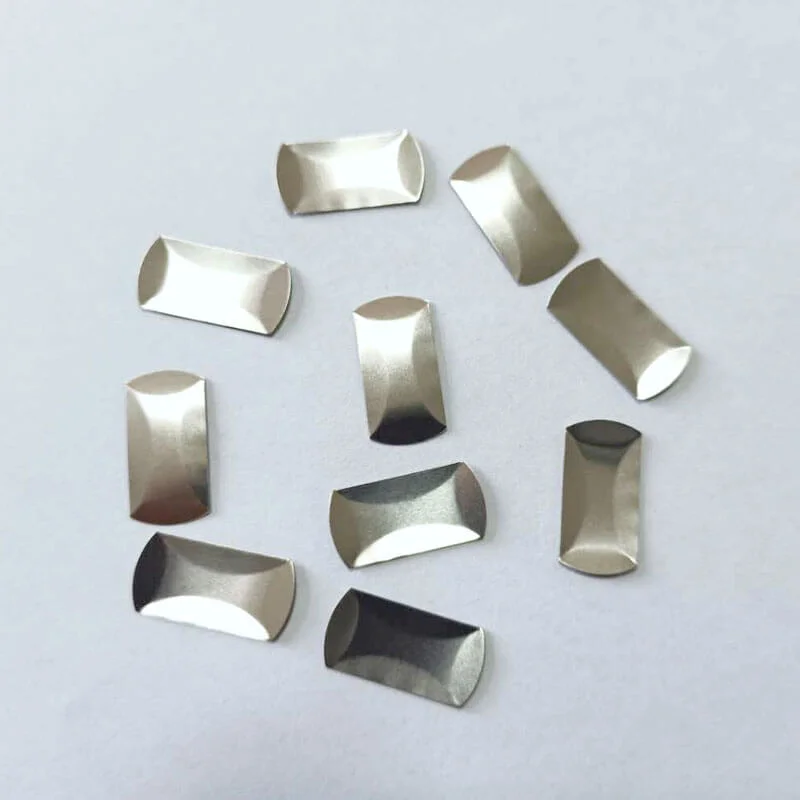
People naturally assume a custom metal dome is just a basic piece of steel pressed into a round shape. However, getting that shape exactly right—and getting the precise tactile click feeling—actually requires incredibly precise molds. The financial strategy for handling these tooling costs changes entirely depending on the situation (like whether just a handful of test prototypes are needed, or if a factory is about to stamp out ten million units).
Decoding Custom Metal Dome Tooling Dynamics
Creating the mold, which is basically the mechanical tool that gives a custom metal dome its specific shape and feedback, is complicated. A mushy, terrible-feeling button is almost always the direct result of cheap or worn-out tooling. Solid, rigorous engineering is required to dial in the actuation force perfectly.
The Trap of Standard Parts
Sometimes, engineers try to force a square peg into a round hole to avoid tooling fees altogether. They buy standard off-the-shelf domes to save money, which makes sense in theory. But then they realize the travel distance is wrong, the dimple is too shallow, or the metal legs overlap with an adjacent resistor on the board. When space is incredibly tight on a modern printed circuit board, standard parts rarely fit the exact layout perfectly. After weeks of headaches, a unique shape becomes mandatory. So, paying for a custom metal dome tool is sort of inevitable for most high-end electronics.
Strategy for Low-Volume Custom Metal Dome Orders
The strategy here has to be a little more pragmatic. To keep upfront costs somewhat manageable, there are a few common workarounds used in the industry:
Soft tooling: This involves using cheaper mold materials (like aluminum instead of hardened tool steel) that degrade much faster but cost significantly less upfront.
Laser cutting outer profiles: Occasionally, the outer shape can be laser cut while only the central dimple is stamped mechanically. It is a bit slower per unit but saves on making a full progressive die.
Modifying existing molds: Finding a supplier who is willing to slightly tweak a tool they already own to press a custom metal dome can save the agonizing cost of a full ground-up build.
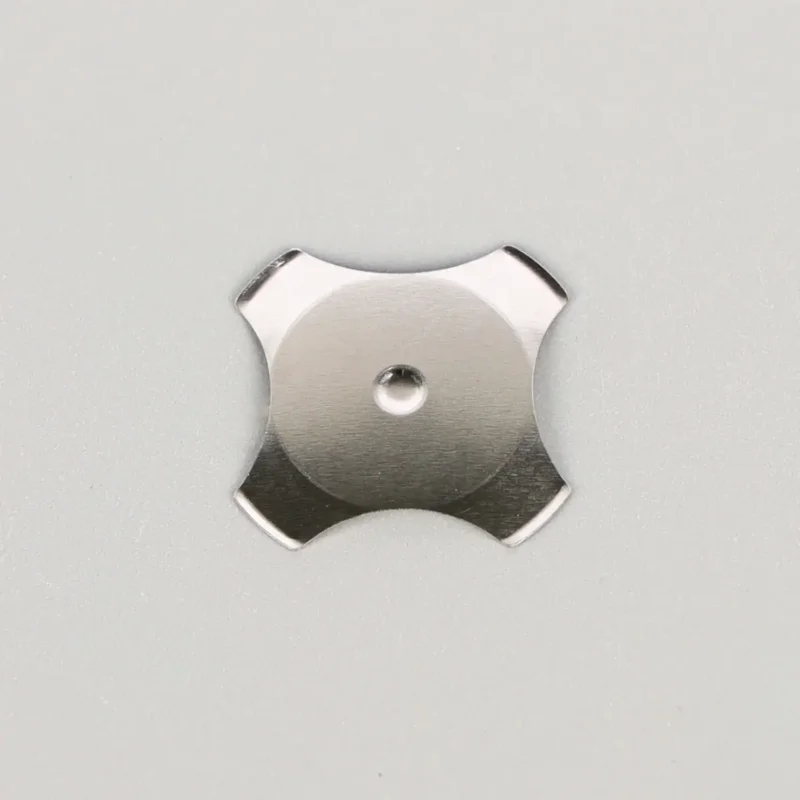
High-Volume Production for Custom Metal Dome Runs
Eventually, if a product actually takes off, production numbers skyrocket. This is where the whole tooling conversation flips entirely upside down. When ordering hundreds of thousands (or millions) of units, the per-part unit cost is really the only thing that matters anymore. The initial tooling fee essentially vanishes when amortized over a massive, continuous production run.
At this stage, investing heavily in high-grade, multi-cavity progressive dies for a custom metal dome is absolutely the right move. It is kind of fascinating to watch a high-speed stamping machine punch out parts. A custom metal dome goes from being a carefully crafted prototype to a blur of raw steel feeding into a massive mechanical press.
Here is a quick breakdown of how these two distinct strategies generally compare out in the real world:
| Production Strategy |
Upfront Tooling Cost
|
Typical Mold Lifespan
|
Best Application Environment
|
|---|---|---|---|
|
Low-Volume (Soft Tool)
|
Relatively Low
|
10,000 – 50,000 actuations
|
Prototyping, niche medical devices
|
|
High-Volume (Hard Die)
|
Very High
|
1,000,000+ actuations
|
Mass consumer electronics, automotive
|
Scaling up properly without ruining the quality of the switch requires a certain rhythm. Jumping straight from a soft tool to a massive production die often leads to weird mechanical issues.
Lock down the exact actuation force during the low-volume phase (it is disastrous to scale up if the click already feels bad).
Order a single-cavity hardened steel tool just to verify mass-production tolerances are tight and repeatable.
Finally, transition to multi-cavity progressive dies to stamp out multiple parts per second efficiently.
FAQ
How much does tooling for a custom metal dome typically cost?
It really depends heavily on the complexity of the design and the expected production volume. A simple soft tool for a few prototypes might just be a few hundred dollars. However, a hardened progressive die meant to continuously produce a million units of a highly specific custom metal dome can easily push into several thousands of dollars. It varies wildly based on the factory.
Can low-volume tools be used for high-volume production?
Not really, no. Low-volume tools are usually made from softer metals to save money. If they are used to stamp out hundreds of thousands of parts, the mold literally wears down over time. The resulting custom metal dome will start to have inconsistent shapes, leading to buttons that don’t click properly or fail prematurely in the field.
Why does a custom metal dome require unique tooling anyway?
Every device has slightly different mechanical constraints. The plastic actuator above the dome, the printed circuit board below it, and the physical space available all dictate a unique physical size. More importantly, getting a specific tactile feel (whether it is a heavy industrial clunk or a light, snappy smartphone click) requires exact physical dimensions that only a unique, dedicated mold can reliably provide.